Pillar guide · Dock-to-Dock Delivery
Dock-to-Dock Freight Delivery in Ontario: What Businesses Need to Know
Dock-to-dock delivery in Ontario moves palletized freight directly between commercial loading docks, from a supplier's warehouse to a retailer's receiving door. Here is what manufacturers, distributors and 3PLs need to understand before booking a shipment.
What dock-to-dock delivery actually means
Dock-to-dock delivery describes freight that moves from one commercial loading dock to another, without ever touching a residential doorstep or a public curb. A pallet leaves a shipper's warehouse dock, travels by truck, and is unloaded directly at the receiver's dock, usually with the receiving business's own staff or equipment helping to bring it inside. It is the backbone of commercial freight delivery for Ontario manufacturers, distributors and retailers, keeping shelves stocked and production lines running.
The term matters because it sets expectations for both sides of the shipment. A dock-to-dock booking assumes the receiving location has a proper loading dock, dock plate or leveler, and the internal equipment such as a pallet jack or forklift to bring goods inside once they are off the truck. That is very different from a curbside or liftgate delivery, where the carrier is expected to bring the freight down to ground level themselves.
For a business that ships or receives freight regularly, understanding the dock-to-dock model helps avoid the single most common cause of delivery delays in Ontario: freight showing up at a location that cannot actually receive it the way it was booked.
How dock-to-dock delivery works, step by step
The process starts with a booking that specifies both pickup and delivery addresses as commercial dock locations, along with pallet count, weight and any special handling needs. A carrier assigns a vehicle sized to the load, whether that is a 26 ft straight truck for a handful of skids or a larger unit for a full trailer load, and schedules the pickup window.
At pickup, the shipper's dock crew typically loads the freight using their own forklift or pallet jack, and the driver secures it inside the truck with straps or E-track. The truck then travels its route, which in Ontario often runs along the Highway 401 corridor connecting the GTA, Durham, Peterborough, the Quinte region, Kingston and points east toward Ottawa or Cornwall.
On arrival, the driver backs into or aligns with the receiving dock, and unloading follows the same pattern as pickup, generally with the receiver's team bringing the freight inside. Paperwork is exchanged at both ends, and a proof of delivery is captured once the receiver confirms the shipment.
A typical dock-to-dock timeline
Most shipments follow a predictable rhythm: booking and scheduling, dock pickup and load securement, transit along the planned route, arrival and dock alignment at the destination, unloading, and documentation. Ontario's distances mean transit time varies widely, from a short intra-city move within the GTA to a longer haul between Toronto and Eastern Ontario.
- Booking confirmed with pallet count, weight and dimensions
- Pickup appointment at the shipper's dock
- Freight loaded and secured for transit
- Transit along the planned Ontario route
- Delivery appointment at the receiver's dock
- Unloading and proof of delivery
Who relies on dock-to-dock freight delivery
Dock-to-dock service is built around businesses that operate with loading infrastructure on both ends of a shipment. It is less about the industry and more about the physical setup of the locations involved, though certain business types rely on it constantly.
- Manufacturers moving finished goods from a production facility to a distribution centre
- Distributors restocking retail partners across the Quinte region and Eastern Ontario
- Warehouses transferring inventory to other warehouses or 3PL partners
- Retailers receiving palletized stock at a store or regional distribution point
- Suppliers delivering materials to contractors or industrial sites with dock access
- 3PLs coordinating freight between client facilities as part of a broader supply chain
- Other commercial businesses, such as printers or equipment dealers, moving bulky goods between facilities
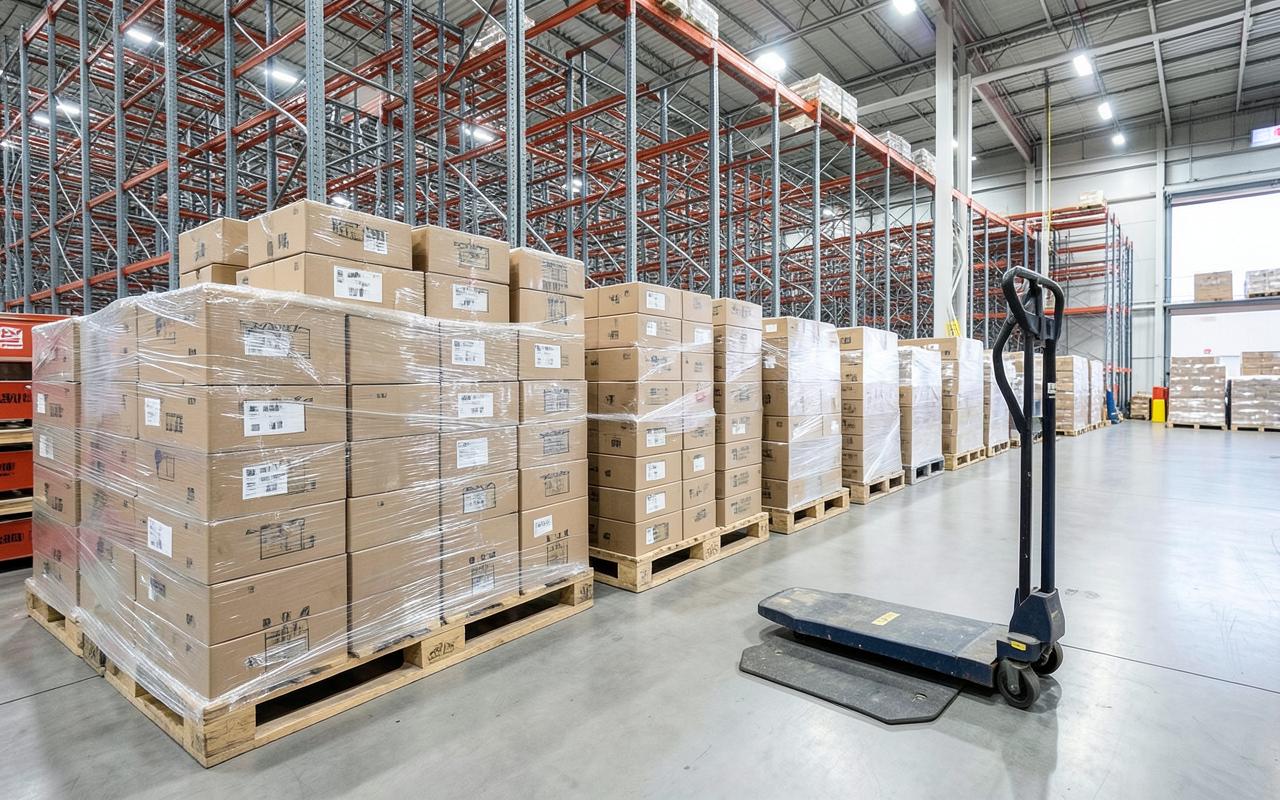
Palletized freight and loading docks
Palletized freight is the standard unit of dock-to-dock delivery. Goods are stacked, wrapped and banded onto a standard pallet, which allows a forklift or pallet jack to move the entire load in one motion rather than handling individual boxes. This is what makes pallet delivery across Ontario so efficient compared with parcel-by-parcel handling.
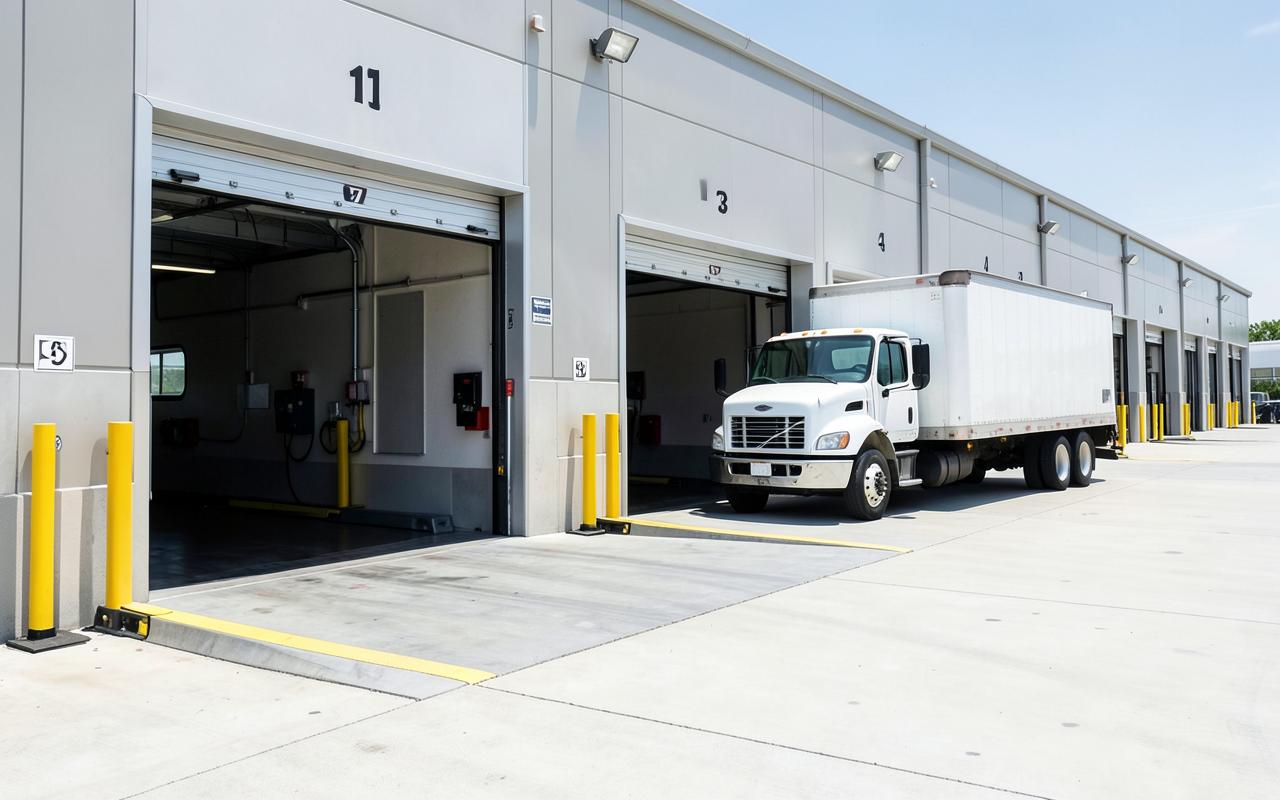
A loading dock is simply a raised platform, usually with a dock leveler or plate, built to match the height of a truck bed so that a pallet jack can roll straight from the trailer floor onto the warehouse floor. Receiving docks work the same way in reverse, and many facilities have several dock doors to handle multiple trucks at once.
Not every business has a true loading dock, and that distinction shapes how a shipment needs to be quoted. A small retail unit in a strip plaza, for example, may only have a set of double doors at grade, which changes the equipment a carrier needs to bring.
Freight appointments and scheduling
Most commercial docks in Ontario operate on appointment systems, particularly larger distribution centres and grocery or retail warehouses. Booking a delivery window in advance reduces the chance of a truck sitting in a queue, and it lets the receiving dock plan labour to unload the shipment promptly.
Appointment scheduling becomes especially important during peak receiving hours, typically weekday mornings, and around holidays when many facilities run reduced staff. A carrier that plans routes with these windows in mind, rather than treating every stop as a drop-in, keeps freight moving predictably through the GTA and along the 401 corridor.
Businesses that ship frequently often build appointment confirmation into their standard process, calling ahead the day before to confirm the dock will be staffed and clear when the truck arrives.
Liftgate considerations when there is no dock
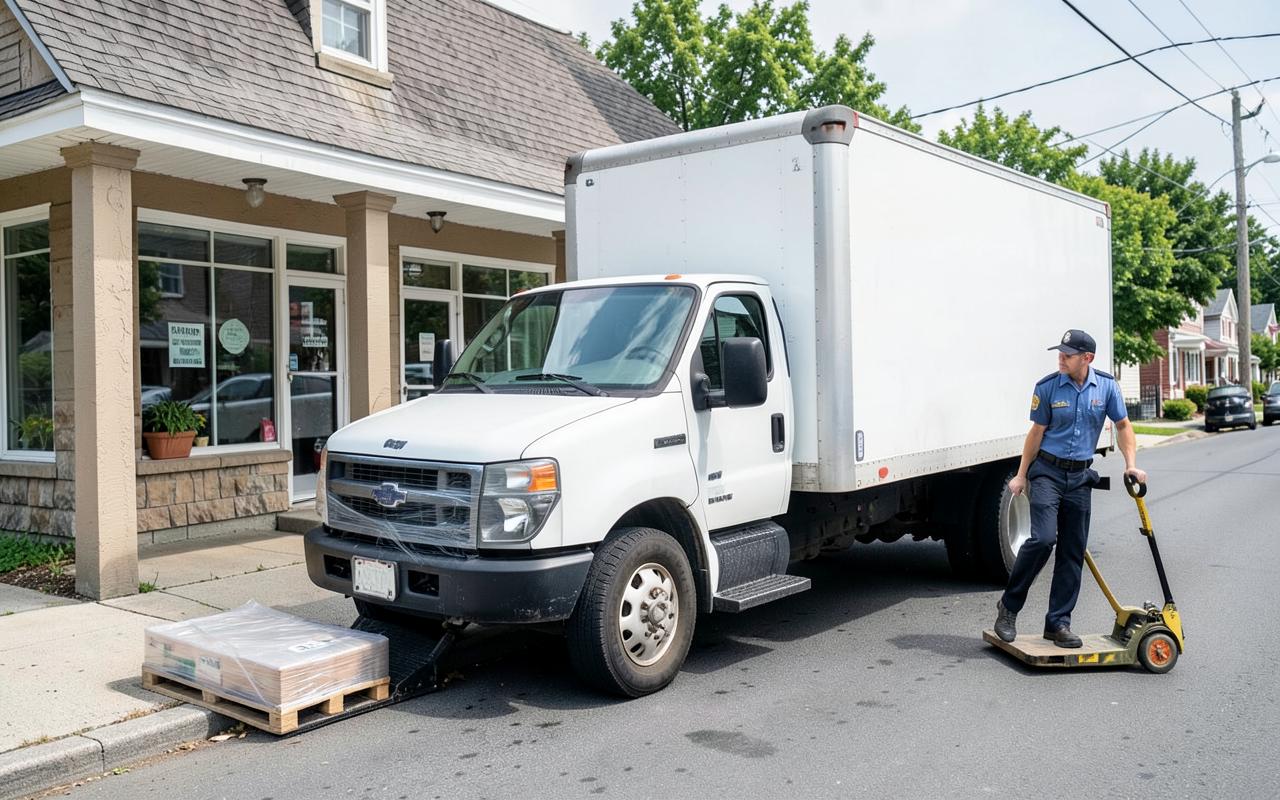
Not every receiving location has a loading dock, even among otherwise commercial addresses. Small retail stores, some job sites, and certain older industrial buildings only have doors at ground level. In these cases, a liftgate becomes essential, lowering palletized freight from truck-bed height down to the ground so it can be moved inside with a pallet jack or hand cart.
The choice between dock-to-dock and liftgate service is not a quality difference, it is a matter of matching equipment to the site. A shipment quoted as dock-to-dock but delivered to a grade-level door without a liftgate-equipped truck will stall on arrival, which is why accurate site information at booking time matters as much as the freight details themselves.
For a closer look at how these two service types differ in practice, see our comparison of dock-to-dock vs curbside delivery and our dedicated breakdown of lift gate vs dock delivery.
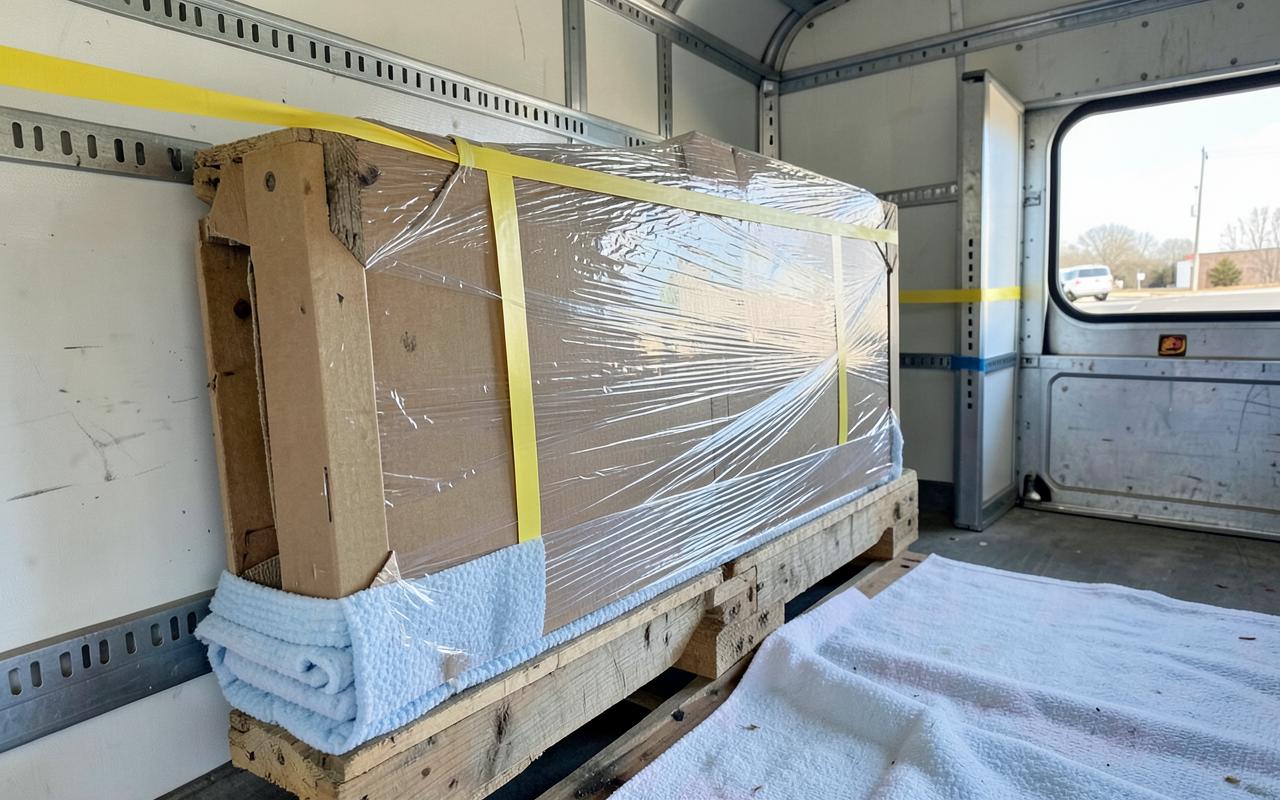
Straight trucks and why they suit Ontario dock-to-dock lanes
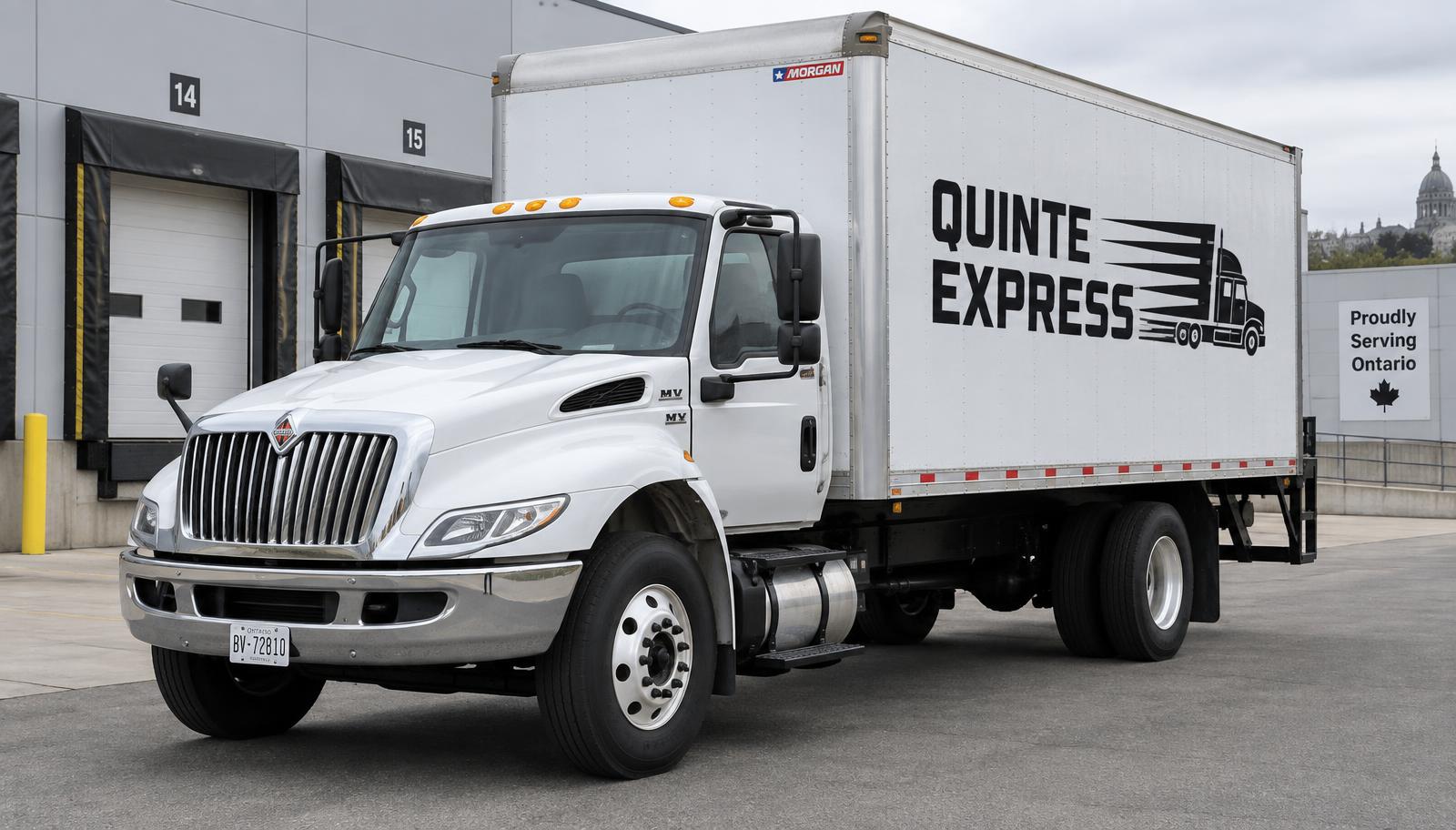
A large share of dock-to-dock freight in Ontario does not require a full tractor-trailer. A 26 ft straight truck, carrying up to roughly 10,000 lb and fitted with E-track and logistics straps, comfortably handles the pallet counts most distributors, retailers and manufacturers move on a regular route. It is also far more manoeuvrable, which matters at sites a tractor-trailer physically cannot reach.
Many commercial addresses in older parts of Belleville, Kingston, Cobourg and downtown Toronto have tight lot access, low overhead clearances, or dock doors positioned for shorter vehicles. A straight truck can align with these docks and navigate condensed lots and laneways that would leave a 53 ft trailer stuck at the entrance.
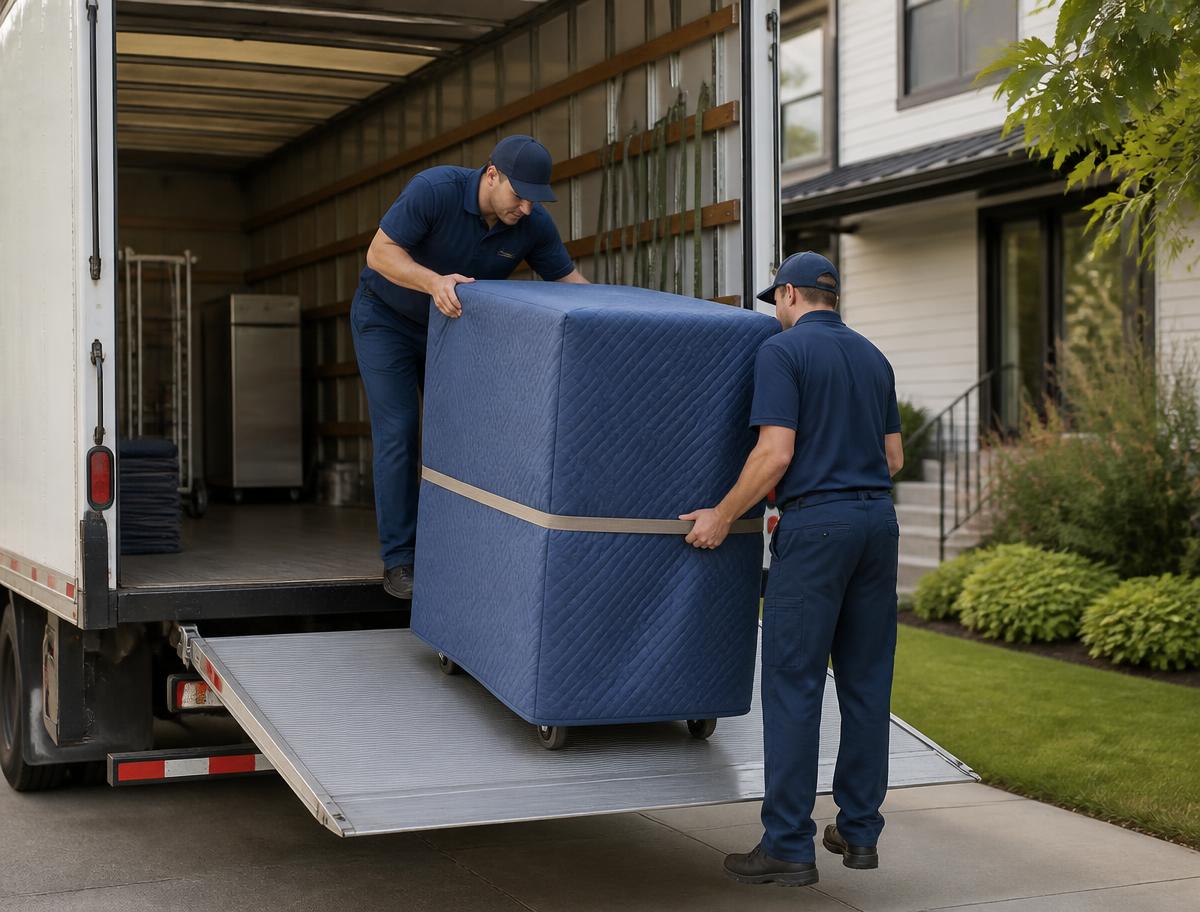
Straight trucks equipped with a power liftgate also offer flexibility mid-route, allowing a single vehicle to handle a dock-to-dock stop in the morning and a liftgate or curbside stop later the same day. For a fuller comparison of vehicle types, see straight truck vs cargo van.
Preparing freight for dock-to-dock movement
Freight that is properly prepared moves faster through pickup, transit and delivery. Pallets should be stacked within a stable footprint, wrapped securely, and labelled clearly with the destination and any handling instructions such as this-side-up or do-not-stack.
Weight distribution matters too. A pallet that is top-heavy or overhangs its base is harder to secure safely inside the truck and more likely to shift in transit, which increases the risk of damage before it ever reaches the receiving dock.
- Wrap and band each pallet so goods cannot shift during transit
- Keep pallet height and weight within the receiver's handling capability
- Label pallets clearly with destination, PO number and handling notes
- Confirm piece count matches the bill of lading before pickup
- Flag any oversized or irregular items in advance
Delivery documentation: BOL, packing slip and proof of delivery
Every dock-to-dock shipment should travel with a bill of lading, which is the legal shipping document describing the freight, the parties involved and the terms of carriage. It is the reference point if there is ever a question about what was picked up, where it was going, or what condition it was in.
A packing slip usually accompanies the freight itself, itemizing the contents of each pallet or shipment for the receiver's staff to check against what physically arrives. Proof of delivery, or POD, confirms the freight was received, typically through a signature and increasingly through photo documentation as well.
Keeping these three documents consistent, matching piece counts and descriptions across the BOL, packing slip and POD, is one of the simplest ways a business can avoid disputes over shortages or damage after the fact.
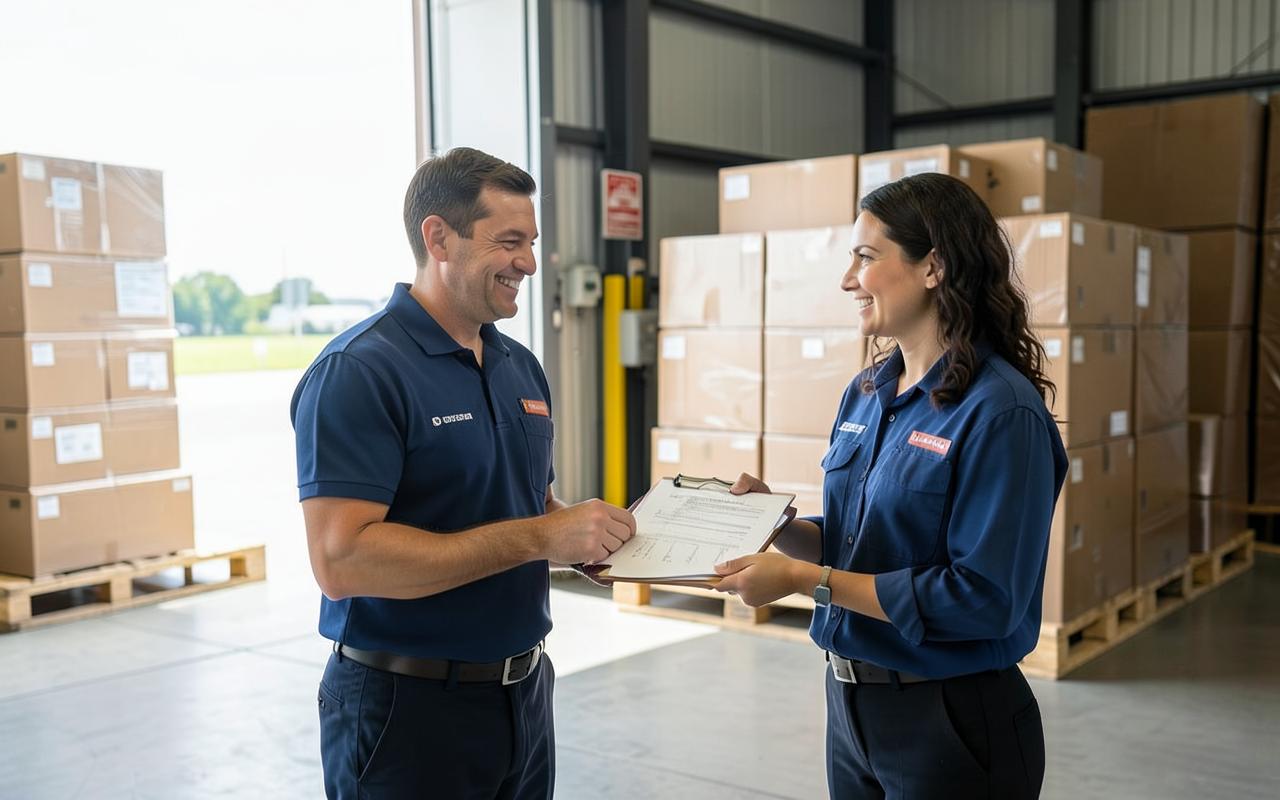
Common dock-to-dock delivery problems
Even straightforward dock-to-dock lanes run into recurring issues. Most trace back to a mismatch between what was booked and what the site can actually accommodate, or to gaps in scheduling and communication between the two docks involved.
- Receiving dock has no staff or equipment available at the scheduled time
- Site turns out to be a grade-level door rather than a true dock
- Pallet dimensions or weight exceed what was declared at booking
- Appointment windows missed due to traffic on the 401 corridor or winter conditions
- Paperwork mismatches between the BOL and what physically arrives
- Damage from freight that was not properly secured for transit
How Ontario businesses choose a transportation provider
Selecting a carrier for dock-to-dock work comes down to whether they can match equipment to the shipment, communicate clearly around appointments, and provide documentation the receiving business can rely on. A provider that asks detailed questions about dock access, pallet counts and receiving hours before quoting is generally a better sign than one that quotes on address alone.
For businesses across Eastern Ontario, local knowledge also matters. A carrier familiar with the choosing a commercial delivery partner considerations specific to the Quinte region, Kingston and the GTA corridor can plan routes and appointment windows more realistically than a national carrier working from a spreadsheet.
Quinte Express approaches dock-to-dock bookings by confirming site details up front, including whether a location has a true dock or needs liftgate freight delivery, so the right vehicle from our fleet is assigned the first time.
Benefits of professional commercial freight transportation
Working with a carrier that specializes in commercial freight rather than general courier work brings advantages that compound over repeated shipments. Consistent equipment, trained crews and clear documentation reduce the friction that otherwise eats into a receiving team's day.
- Fewer failed deliveries from equipment or access mismatches
- Predictable appointment windows that support dock labour planning
- Consistent proof of delivery and photo documentation for records
- Vehicles sized correctly for the freight, from cargo vans to 26 ft straight trucks
- A single point of contact for scheduling across multiple Ontario locations
Ontario-specific considerations for dock-to-dock shippers
Ontario's geography and climate both shape how dock-to-dock delivery should be planned. The Highway 401 corridor carries an enormous share of commercial freight between the GTA and Eastern Ontario, and congestion around Toronto can affect appointment reliability more than the distance itself suggests.
Distances in Eastern Ontario are often underestimated. A run from Belleville to Kingston or Napanee feels local, but a shipment from the GTA to Cornwall or Ottawa covers real ground, and appointment windows need to account for that rather than assuming a single time slot fits every lane.
Winter conditions add another layer. Snow and ice can affect both transit times and receiving hours, since some facilities reduce dock staffing during severe weather. A carrier experienced with winter delivery across Eastern Ontario builds buffer into scheduling rather than treating every day as a summer day.
Planning your next dock-to-dock shipment
Dock-to-dock delivery works best when both sides of the shipment understand what the other needs: accurate freight details from the shipper, and honest information about dock access and receiving hours from the destination. Getting those details right at booking time prevents most of the delays that otherwise show up on delivery day.
Whether you are a manufacturer moving finished goods to a distribution centre, a distributor restocking retail partners, or a 3PL coordinating freight between client warehouses, matching the right vehicle and appointment plan to the job is what keeps freight moving reliably across Ontario. Quinte Express handles dock-to-dock and last-mile delivery across the Quinte region, Kingston, the GTA and beyond.
If you have a shipment to plan, request a quote and tell us about your pickup and receiving locations, and we will match the right equipment to the job.
Frequently asked
- What is the difference between dock-to-dock and last-mile delivery?
- Dock-to-dock delivery moves freight between two commercial loading docks, with staff on both ends handling the pallet. Last-mile delivery typically covers the final leg to an individual customer, store or job site, and may involve bringing goods to a door, curb or specific room rather than a dock.
- Do I need a loading dock to receive dock-to-dock freight?
- Ideally yes. Dock-to-dock service assumes the receiving location has a dock with a leveler or plate and equipment to move pallets inside. If your site only has a grade-level door, a liftgate-equipped truck is the better option rather than booking as dock-to-dock and risking a mismatch on delivery day.
- How far in advance should I book a freight appointment?
- As early as your schedule allows, especially for shipments along busier corridors like the GTA or during winter months. Booking ahead lets both the carrier and the receiving dock plan labour and timing, which reduces the chance of delays or missed windows.
- What documents should accompany a dock-to-dock shipment?
- At minimum, a bill of lading describing the freight and shipping terms, and ideally a packing slip itemizing contents. A proof of delivery, whether a signature or photo confirmation, should be captured once the receiver accepts the shipment.
- Can a straight truck handle freight that would normally go by tractor-trailer?
- For many Ontario dock-to-dock lanes, yes. A 26 ft straight truck with a payload around 10,000 lb comfortably handles typical pallet counts and can reach sites, tight lots and dock doors that a full-size tractor-trailer cannot access.
- What is the most common cause of failed dock-to-dock deliveries?
- A mismatch between what was booked and what the site can actually accommodate, most often a location that turns out not to have a true loading dock, or a receiving dock that is not staffed when the truck arrives.
Services in this article
More dock-to-dock delivery guides
More from the commercial freight series
- Warehouse-to-Warehouse Freight Delivery Across Ontario
- Commercial Freight Delivery Between Toronto and Eastern Ontario
- Belleville Freight Delivery: Connecting Warehouses, Suppliers and Businesses
- Kingston Commercial Freight Delivery: A Guide for Local Businesses
- LTL vs. Dedicated Truck Delivery: Which Option Saves Your Business Money?
- When Should Your Business Use a 26-Foot Straight Truck for Freight Delivery?
Book your dock-to-dock shipment
From single pallets to multi-skid loads, Quinte Express plans dock-to-dock freight around your receiving hours and site access across Ontario. Tell us about your pickup and delivery docks and request a quote today.