Part of our commercial freight series. Start with the guide to dock-to-dock freight delivery in Ontario.
Dock-to-Dock Delivery
What Is Dock-to-Dock Delivery? A Complete Guide for Ontario Businesses
If you have ever wondered what is dock-to-dock delivery and how it differs from curbside or residential drop-off, this guide breaks down the terms plainly, with real Ontario examples of how each type of delivery actually plays out.
Dock-to-dock delivery in plain language
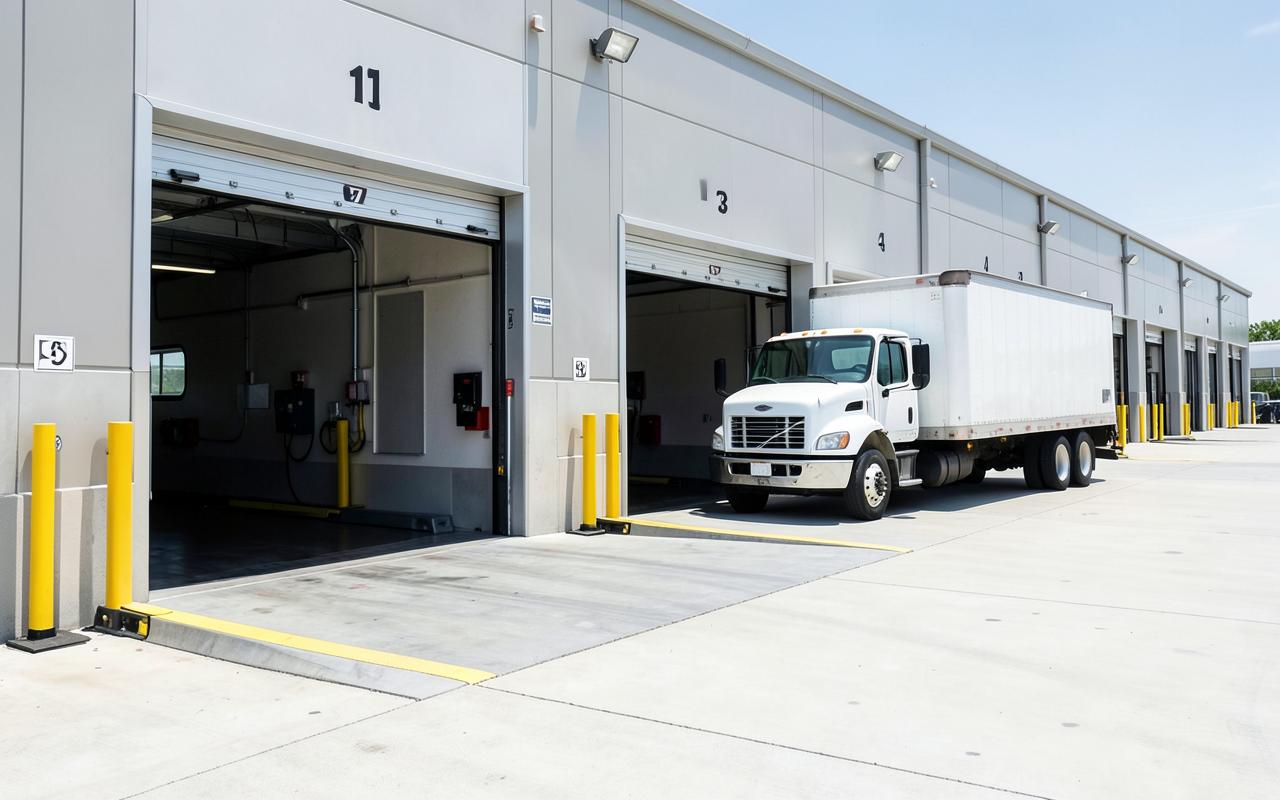
Dock-to-dock delivery means exactly what it sounds like: freight travels from a loading dock at the shipper's location to a loading dock at the receiver's location, with a truck making up the middle leg. Both ends have the infrastructure, a raised platform, a dock leveler or plate, and usually a forklift or pallet jack, to load and unload pallets efficiently.
It is the default model Ontario manufacturers, distributors and retailers use to move goods between warehouses, distribution centres and stores. For a deeper walkthrough of the full process and every consideration that goes with it, our pillar guide to dock-to-dock freight delivery in Ontario covers the topic end to end.
This article focuses on the basics: what each term in the shipping chain actually means, and how dock-to-dock compares with the other common delivery types you will see quoted.
The three parts of a dock-to-dock shipment
Every dock-to-dock shipment has three distinct segments, and understanding each one helps explain why the service works the way it does.
The pickup dock
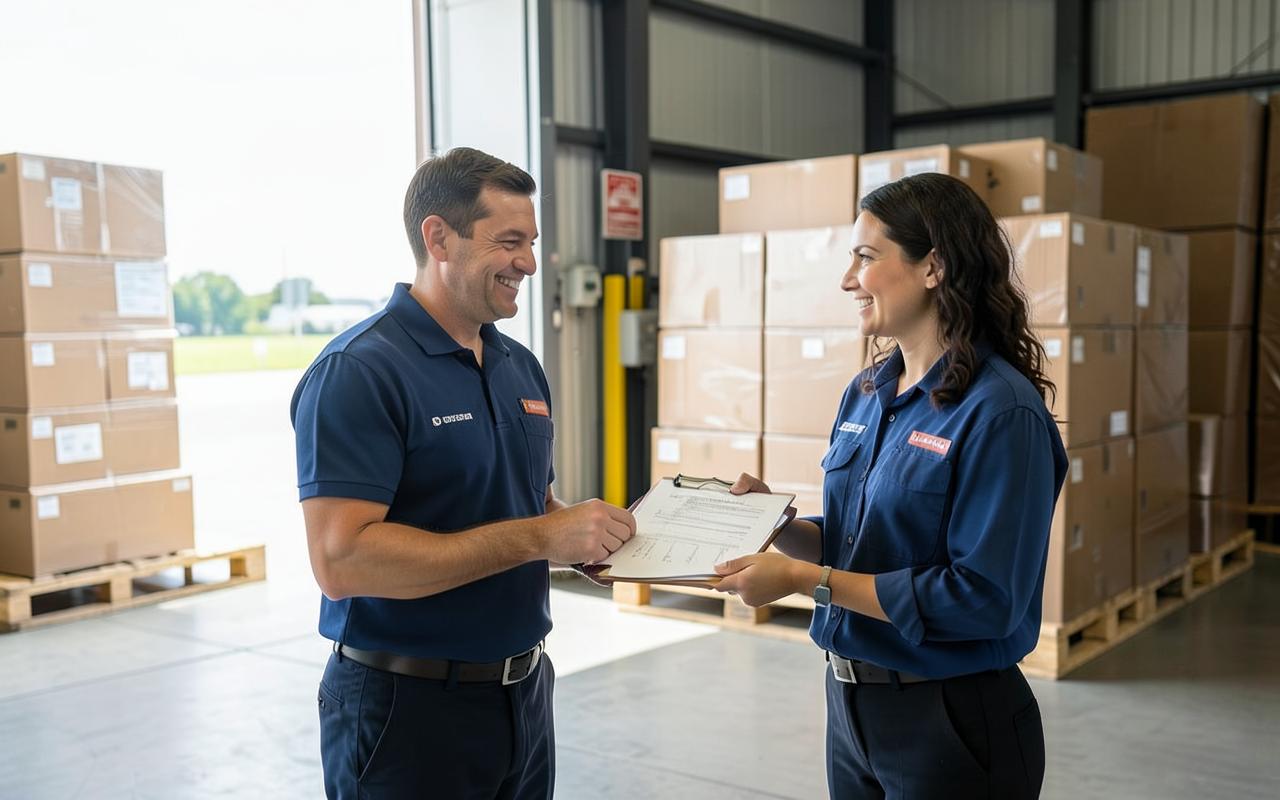
This is where the journey begins, typically a warehouse, manufacturing facility or distribution centre. The shipper's own staff loads the pallet using a forklift or pallet jack, and the driver secures it inside the truck before departing.
The transportation leg
This is the truck movement itself, which can range from a short hop across the GTA to a longer run along the Highway 401 corridor into Eastern Ontario. The vehicle used, whether a cargo van, a 26 ft straight truck, or a larger unit, depends on pallet count and site access at both ends.
The receiving dock
This is the destination, where the receiver's staff unloads the truck using their own equipment. A true receiving dock has a leveler that bridges the gap between the truck bed and the warehouse floor, letting pallets roll straight through.
How dock-to-dock differs from curbside, liftgate and residential delivery
Once you understand the dock-to-dock model, the other common delivery types are easier to place. Each one differs mainly in what equipment the carrier brings and what the receiving side is expected to do once the truck arrives.
- Dock-to-dock: both locations have loading docks; receiver's staff handles unloading with their own equipment
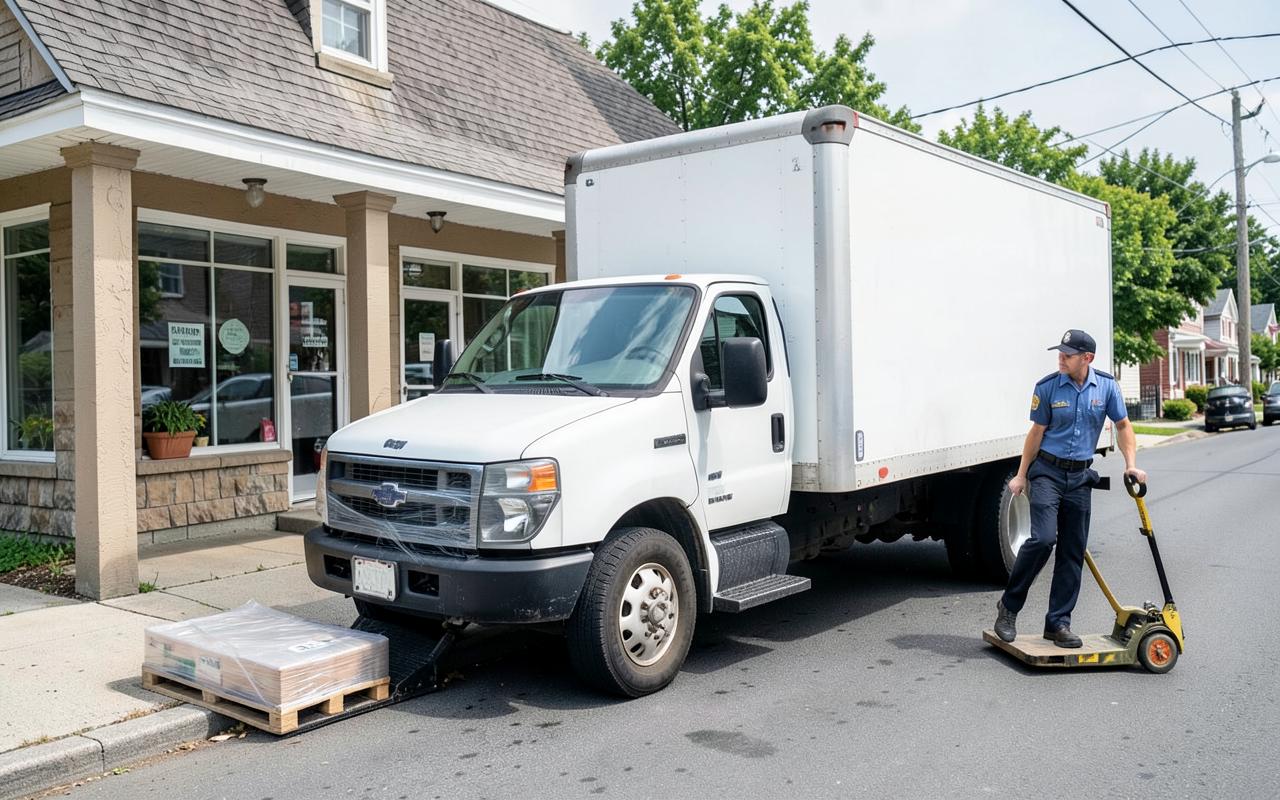
- Curbside: freight is lowered to ground level and left at the edge of the property, with no interior handling by the carrier
- Liftgate: the truck carries a hydraulic platform to lower pallets to grade when there is no dock, useful for retail units or job sites
- Residential delivery: goods go to a home rather than a business, almost always requiring a liftgate and often more hands-on handling
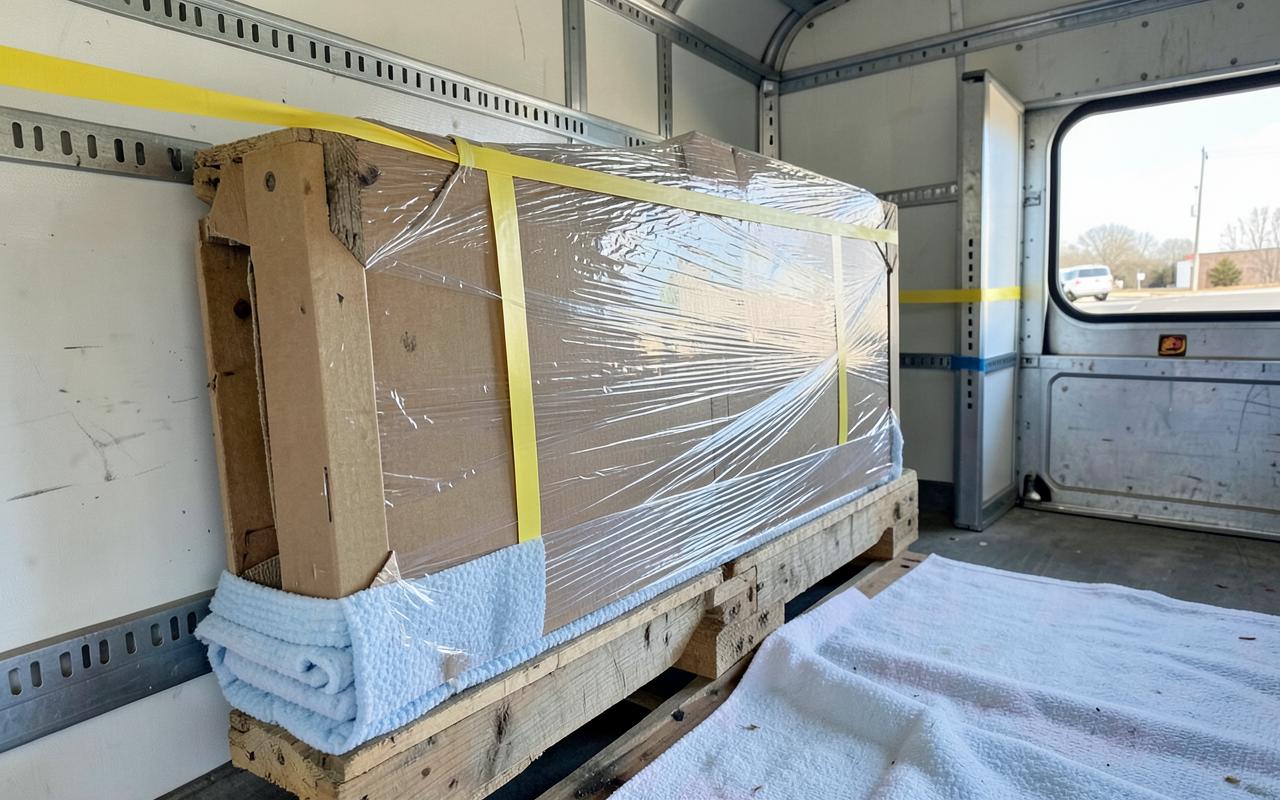
Example: a distributor shipping to a retailer's receiving dock
Picture a distributor in Mississauga sending a truckload of packaged goods to a retailer's store in Belleville. If the Belleville store has a proper receiving dock at the back of the building, this is a textbook dock-to-dock shipment. The driver backs up to the dock, the store's receiving staff brings out a pallet jack, and the pallets roll off the truck and into the stockroom with minimal handling by the driver.
This is the most efficient version of freight delivery because the labour and equipment on both ends match the job. The truck spends less time at the dock, and there is less risk of manual-handling injuries or damage compared with lowering pallets to the ground by hand.
Example: a Kingston supplier restocking a Napanee warehouse
Now picture a supplier based in Kingston delivering raw materials to a warehouse in Napanee. Both locations are commercial facilities with docks, so the shipment again follows the dock-to-dock pattern, just over a shorter Eastern Ontario distance rather than a cross-GTA run. The main planning consideration here is appointment timing rather than equipment, since Napanee facilities may have narrower receiving windows than a larger distribution centre.
Shorter regional lanes like this one are common across the Quinte region, and they still benefit from the same discipline around booking and paperwork as longer hauls. A missed appointment window on a 40-minute lane causes just as much disruption to a receiving schedule as one on a longer route.
Example: what happens when the receiver only has a roll-up door at grade
Not every business address is set up for dock-to-dock handling. Imagine a small hardware retailer with a single roll-up door at ground level and no raised dock at all. If a shipment is booked as dock-to-dock without checking this detail, the truck arrives and there is no way to bridge the gap between the trailer floor and the ground.
In this scenario, the right solution is a truck equipped with a hydraulic liftgate, which lowers the pallet down to grade so it can be moved through the roll-up door with a hand cart or pallet jack. This is why accurate site details at booking time matter so much, and it is the exact situation our guide to liftgate freight delivery walks through in more detail.
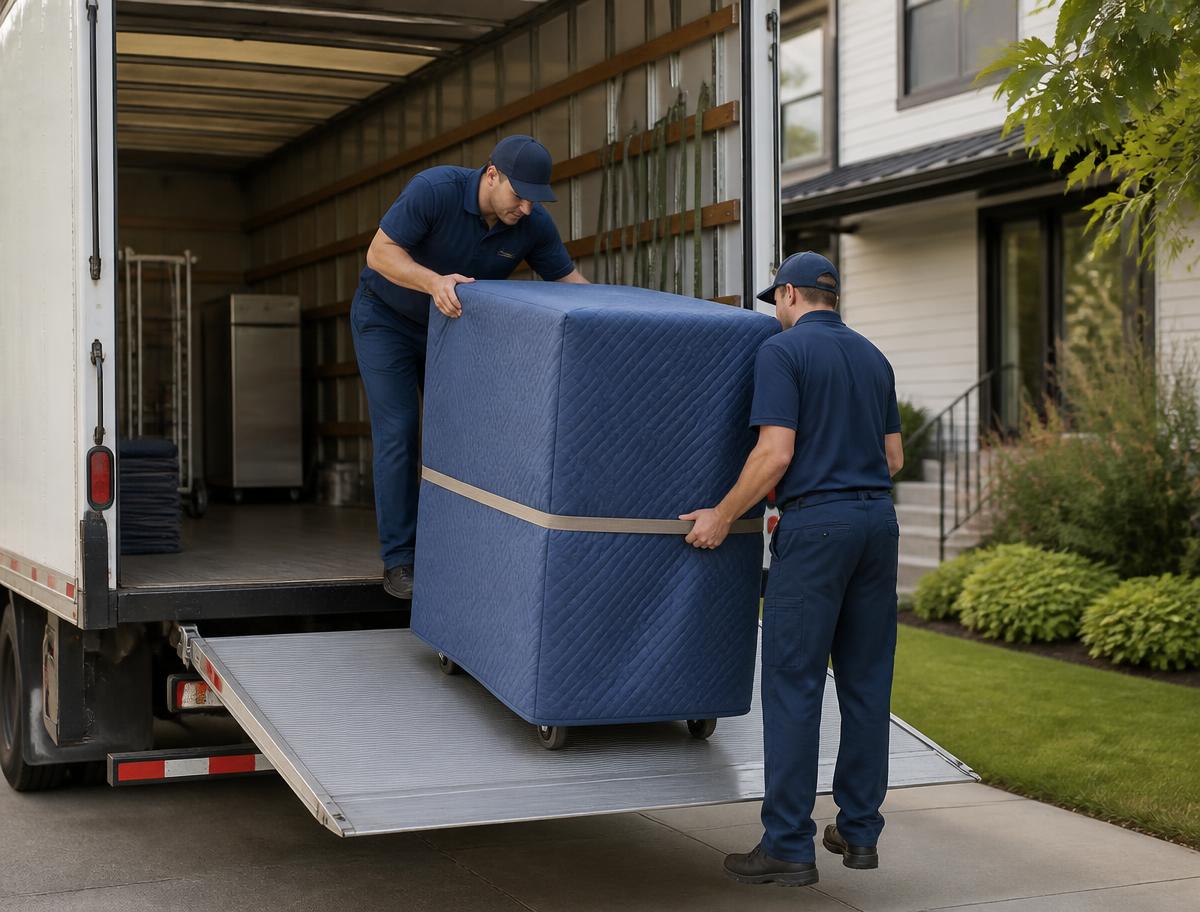
Choosing the right delivery type for your shipment
The best way to avoid a failed delivery is to describe the receiving location accurately when booking: is there a raised dock, a leveler, and staff with equipment on hand, or is it a grade-level door that needs a liftgate? Getting this right upfront saves time on delivery day for both the driver and the receiving team.
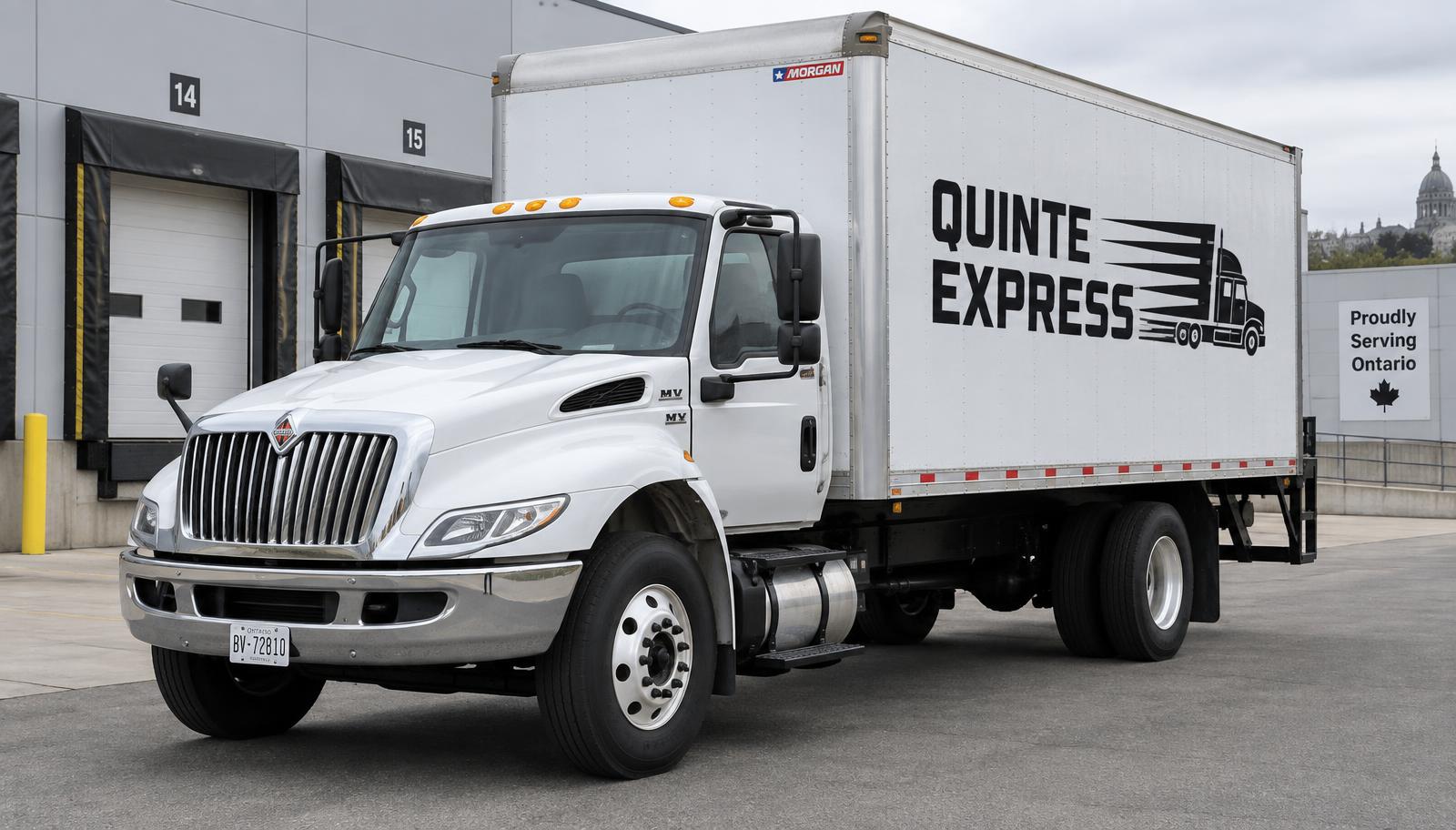
Quinte Express asks these questions at booking for exactly this reason, matching a cargo van, straight truck or liftgate-equipped vehicle from our fleet to the site rather than assuming every stop is the same.
- Confirm whether the destination has a raised loading dock
- Ask whether the receiver has a pallet jack or forklift on site
- Note if the location is residential, retail or a job site
- Flag any known access restrictions such as low doors or tight lots
Getting your next shipment right
Dock-to-dock delivery is simply the most efficient way to move palletized freight when both ends of the shipment have the infrastructure to support it. Understanding the difference between a pickup dock, the transportation leg, and a receiving dock, and knowing when curbside or liftgate service is the better fit, helps you book the right service the first time.
For a full breakdown of how this all comes together on longer or more complex routes, see our detailed guide comparing dock-to-dock vs curbside delivery, or explore how dock-to-dock delivery works from pickup to final receiving dock.
Not sure which service fits your next shipment? Request a quote and describe your pickup and delivery locations, and we will recommend the right setup.
Frequently asked
- Is dock-to-dock delivery the same as freight shipping?
- Dock-to-dock is a specific type of freight shipping, defined by both the pickup and delivery locations having loading docks. Freight shipping is the broader category that also includes curbside, liftgate and residential delivery.
- Can dock-to-dock delivery include residential addresses?
- Generally no. Residential properties rarely have a commercial loading dock, so deliveries to homes almost always require a liftgate-equipped truck rather than a true dock-to-dock setup.
- What if I am not sure whether my location has a proper dock?
- Describe the loading area as accurately as possible when booking, including door height, whether there is a raised platform, and what equipment is on site. A carrier can then recommend dock-to-dock, liftgate or curbside service based on that information.
- Does dock-to-dock delivery cost less than liftgate delivery?
- Cost depends on several factors including distance, pallet count and vehicle type, not just the service level. What matters most is booking the correct service for your site, since a mismatch can cause delays that cost more than the service difference itself.
Services in this article
More dock-to-dock delivery guides
More from the commercial freight series
- Warehouse-to-Warehouse Freight Delivery Across Ontario
- Commercial Freight Delivery Between Toronto and Eastern Ontario
- Belleville Freight Delivery: Connecting Warehouses, Suppliers and Businesses
- Kingston Commercial Freight Delivery: A Guide for Local Businesses
- LTL vs. Dedicated Truck Delivery: Which Option Saves Your Business Money?
- When Should Your Business Use a 26-Foot Straight Truck for Freight Delivery?
Not sure which delivery type you need?
Quinte Express can help you match your shipment to dock-to-dock, liftgate or curbside service based on your actual site conditions. Tell us about your pickup and delivery locations and request a quote today.