Part of our commercial freight series. Start with the guide to dock-to-dock freight delivery in Ontario.
Commercial Freight
Pallet Delivery Across Ontario: What Shippers Should Know
Moving freight on pallets is one of the most common ways Ontario businesses ship goods, but small preparation mistakes cause a large share of delays and damage. Here is what shippers should know before the truck arrives.
Why pallet delivery is the backbone of commercial freight
Pallet delivery across Ontario moves everything from retail inventory to manufactured components between warehouses, stores and job sites. Pallets standardize freight into units that are easier to lift, stack and track, which is why they remain the default for commercial shipments of almost any size.
Whether a shipment is a single skid heading to a small retailer or several pallets moving between distribution centres, the basics of good pallet preparation stay the same. Getting them right reduces damage claims, avoids delivery delays, and keeps freight moving through docks without unnecessary handling. If you are newer to commercial freight, our guide to dock-to-dock freight delivery in Ontario covers the fundamentals this article builds on.
Pallet types and condition
Most commercial freight in Ontario moves on the standard 48 x 40 inch wood pallet, which is sized to fit efficiently in trucks and through standard dock doors. Plastic pallets are also common where washability or weight consistency matters, such as in food or pharmaceutical distribution.
Pallet condition matters more than shippers often realize. A pallet with broken boards, protruding nails or a cracked frame is more likely to fail during handling, which can damage the goods stacked on it and slow down unloading. Inspecting pallets before loading, not after a claim is filed, is the simplest way to prevent this.
Preparing freight for pickup
Good pallet preparation starts well before the truck arrives. Freight that is properly built, wrapped and labelled moves faster through every stage of a delivery, from loading to final receiving.
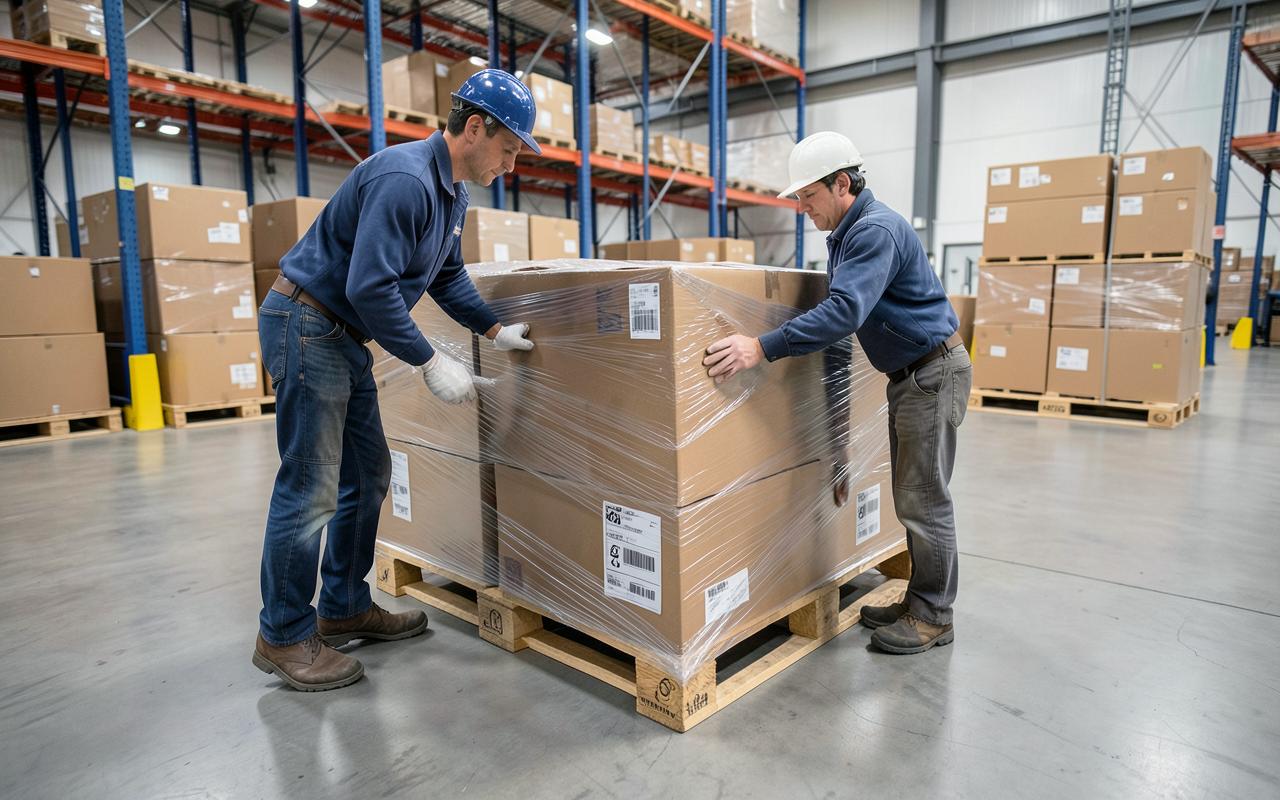
- Stack freight evenly, with heavier items on the bottom and nothing overhanging the pallet edges
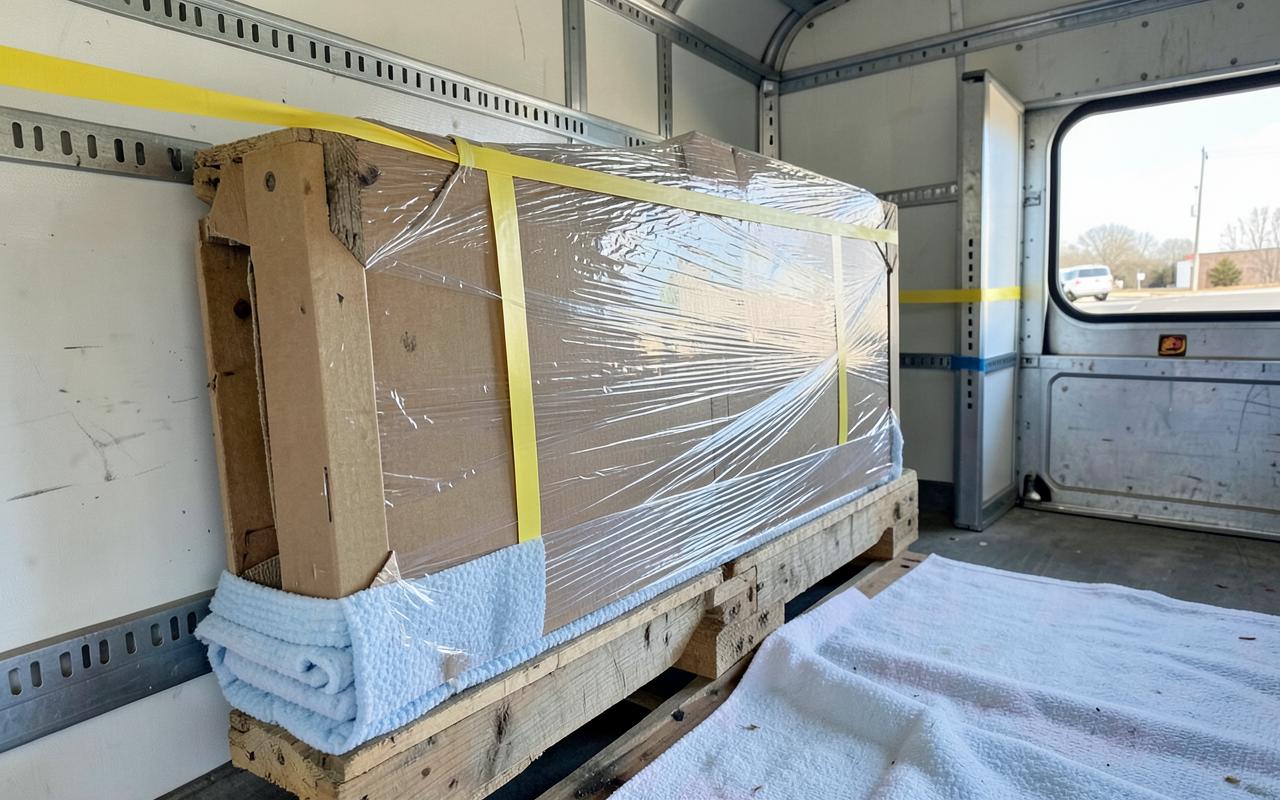
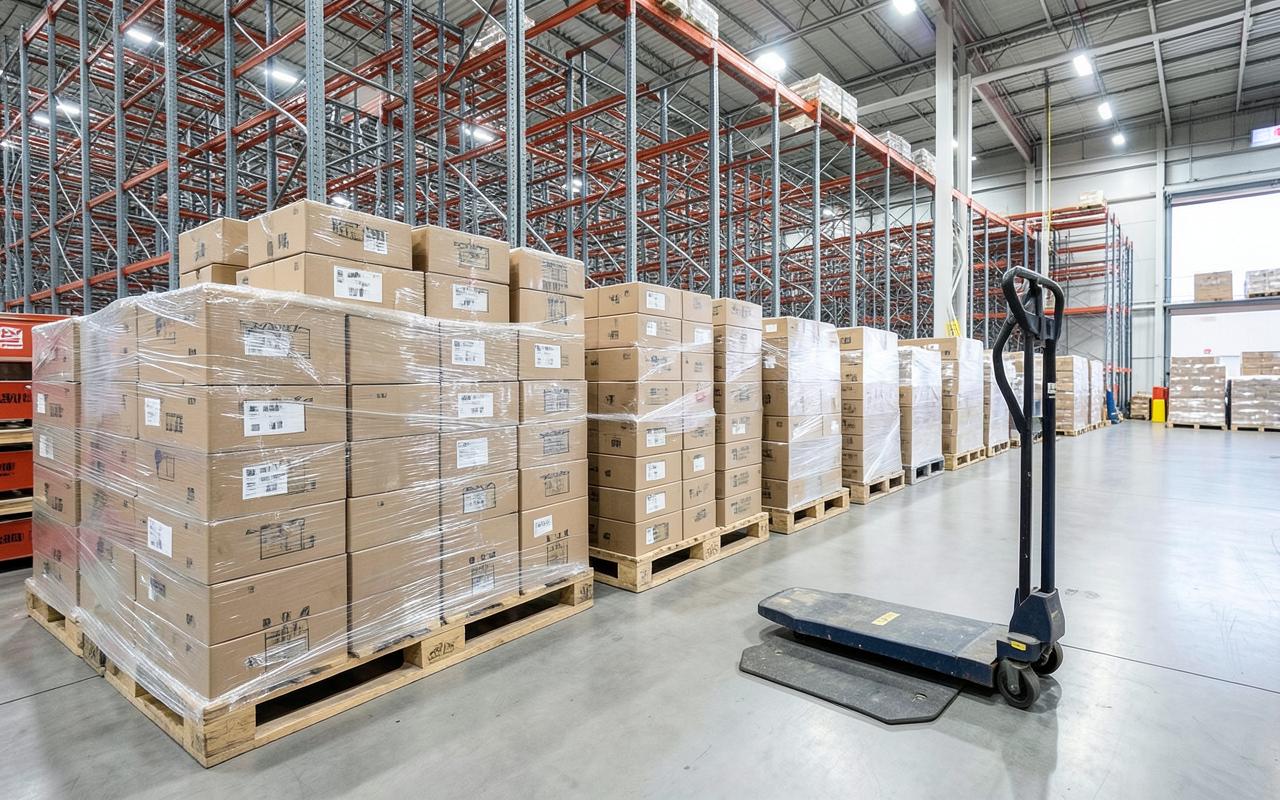
- Stretch wrap securely around the full height of the load, not just the top layer
- Apply clear labels showing destination, PO number and any handling instructions
- Keep total pallet weight within the receiving location's equipment capacity
- Use corner boards or edge protectors for fragile or boxed goods
- Confirm pallet count and dimensions match what was communicated at booking
Dimensions, weight and equipment requirements
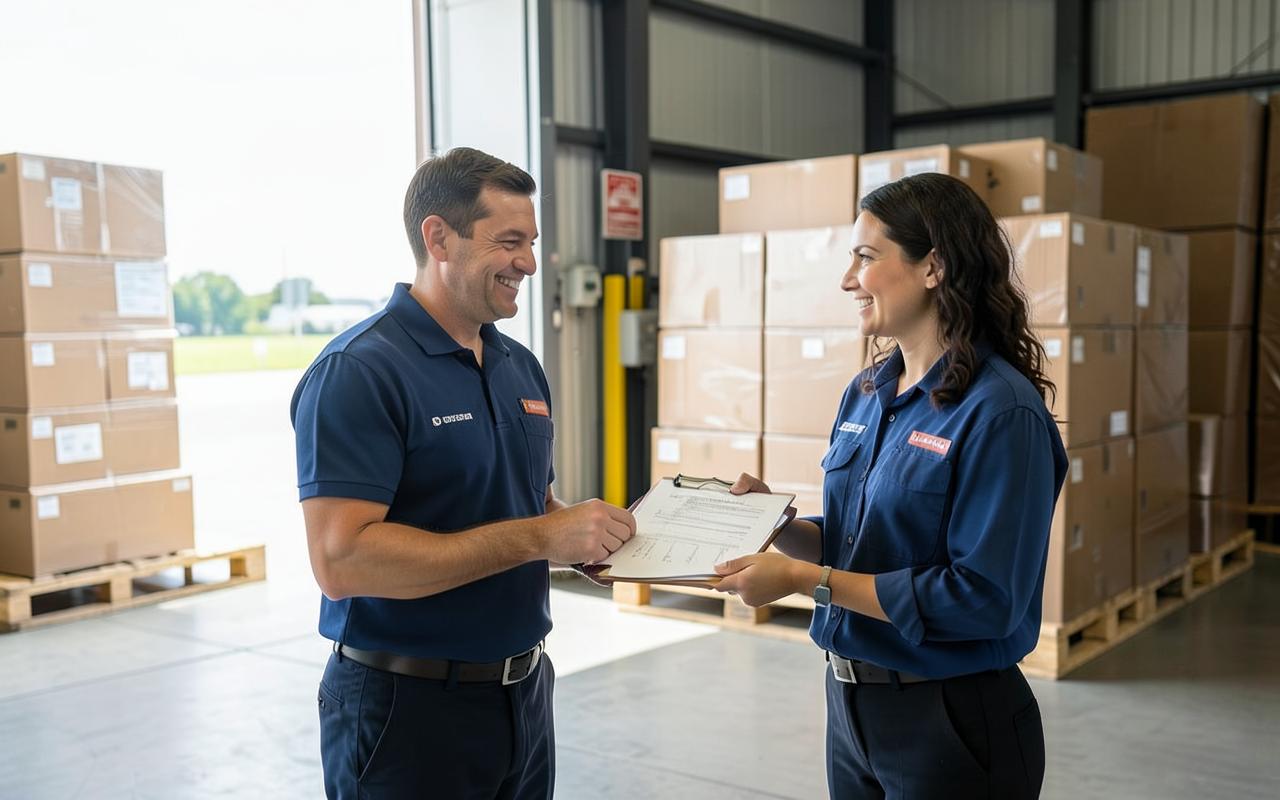
Freight dimensions and weight determine what equipment a delivery actually needs. An oversized or unusually heavy pallet may require a forklift at both ends, while a standard pallet under typical weight limits can often be handled with a pallet jack alone.
This is one of the most important details to confirm before booking. A location without a loading dock, or without a forklift on-site, generally needs a liftgate delivery to lower the pallet to grade instead of expecting it to be lifted by hand.
Single-skid versus multi-skid shipments
A single-skid shipment is often the simplest to move, fitting easily into a cargo van or a portion of a straight truck, and it is a good fit for smaller businesses shipping occasional freight. Multi-skid shipments require more planning around load order, weight distribution and unloading sequence, especially when several pallets are going to different stops on the same route.
Loading docks, liftgates and pallet jacks
Not every receiving location has the same equipment, and that shapes how a pallet delivery needs to be planned. A location with a proper dock and a pallet jack on hand can usually receive freight quickly, sliding pallets directly from the truck bed to the dock floor.
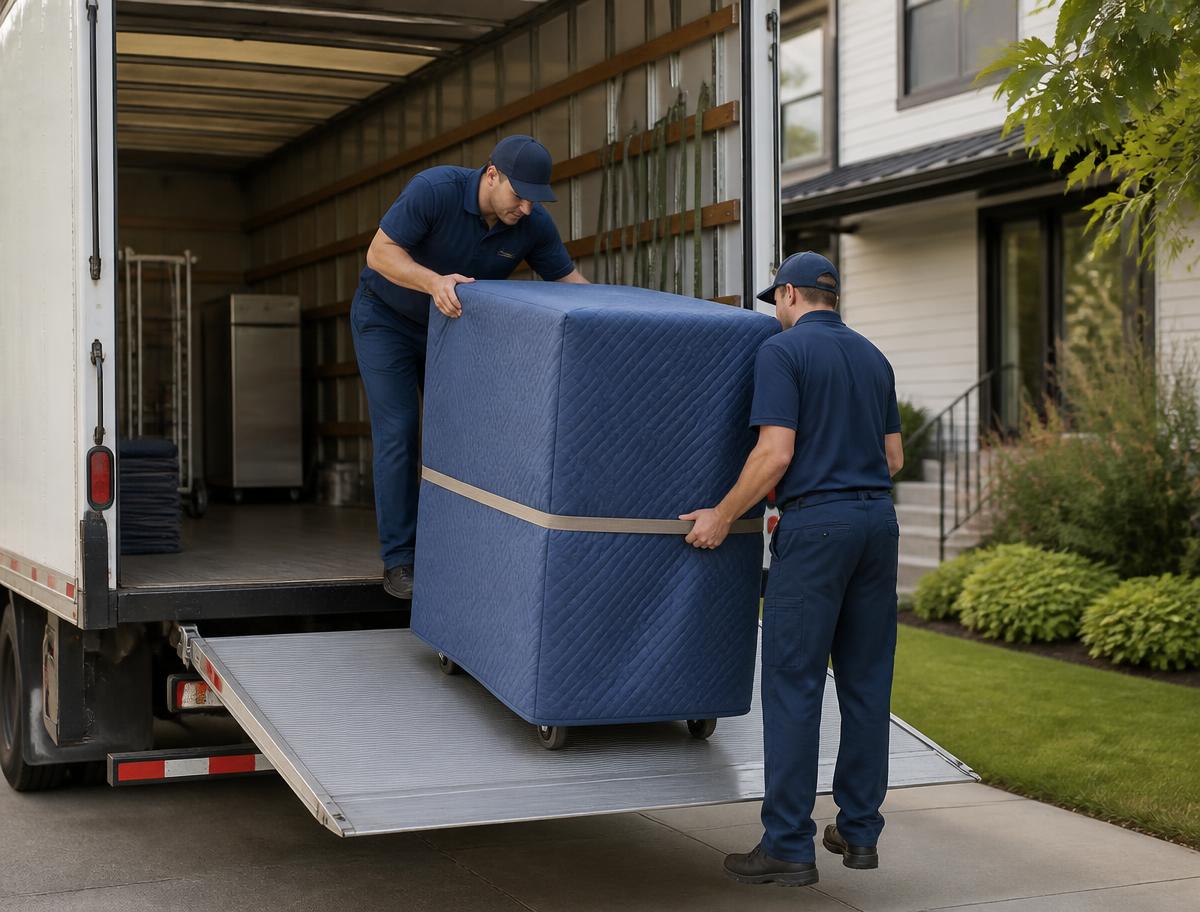
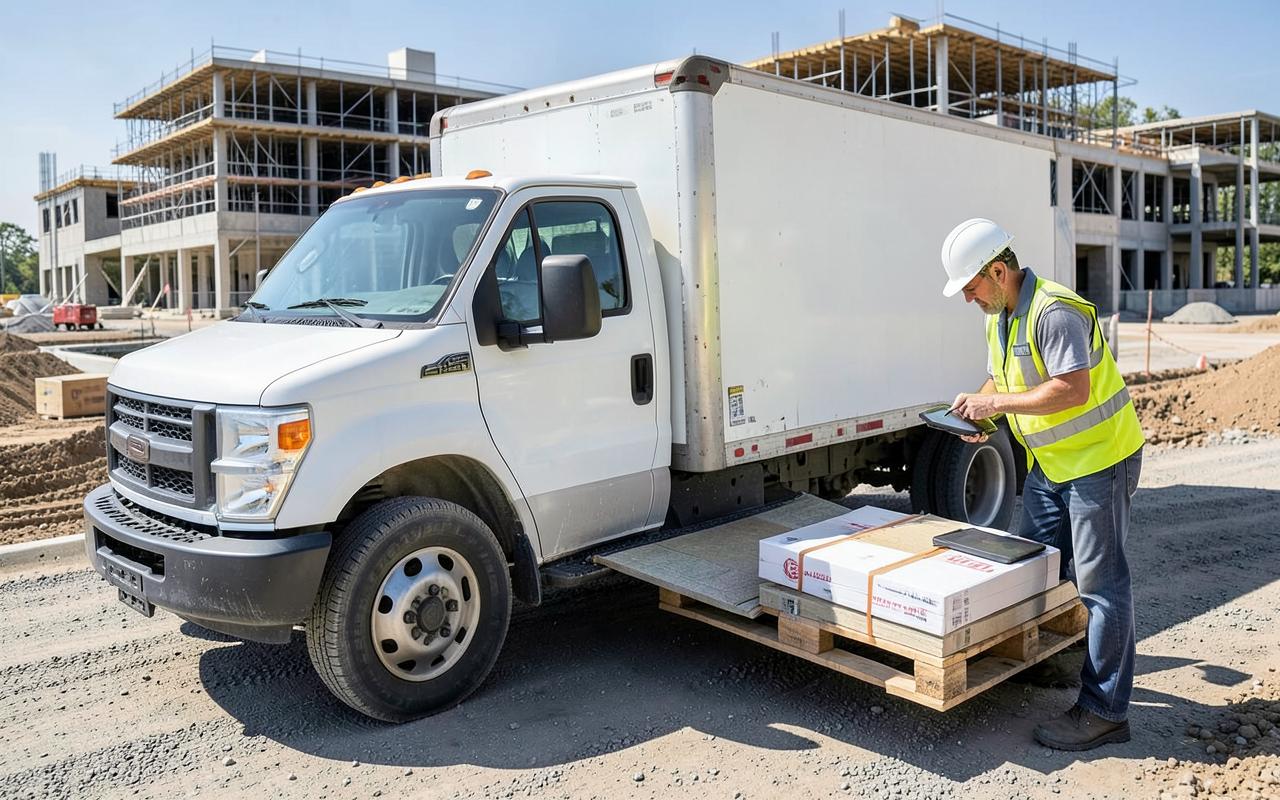
Locations without a dock rely on a liftgate to bring the pallet down to ground level, after which a pallet jack or hand truck moves it the rest of the way. Confirming this ahead of time, rather than discovering it on delivery day, avoids delays and reduces the chance of freight being handled in a way it was not built for.
Mixed-SKU pallets and delivery appointments
Not all pallets carry a single product. Mixed-SKU pallets, common in retail replenishment and e-commerce fulfillment, combine several different items on one skid, which makes clear labelling even more important so receiving staff can confirm the contents against a purchase order quickly.
Delivery appointments matter for pallet freight just as much as dimensions and weight. Many warehouses and retail stores only receive freight within specific windows, and arriving outside that window can mean a pallet sits on the truck until the next available slot.
Damage prevention and proof of delivery
Damage during transportation is usually traceable to one of a few root causes: poor stretch wrapping, uneven stacking, overloaded pallets, or rough handling during loading and unloading. Addressing these at the preparation stage prevents most claims before they happen.
Proof of delivery matters just as much as damage prevention. Photo proof of delivery and a signature at the receiving end give both the shipper and the receiver a clear record of the pallet's condition and count at handoff, which is useful for any dispute that comes up later.
- Photograph pallets before they leave the dock and again on arrival
- Record pallet count against the shipment paperwork at both ends
- Note any visible damage on the delivery paperwork immediately, not after the fact
- Keep stretch wrap intact until the receiving location confirms the count
Getting your next pallet shipment right
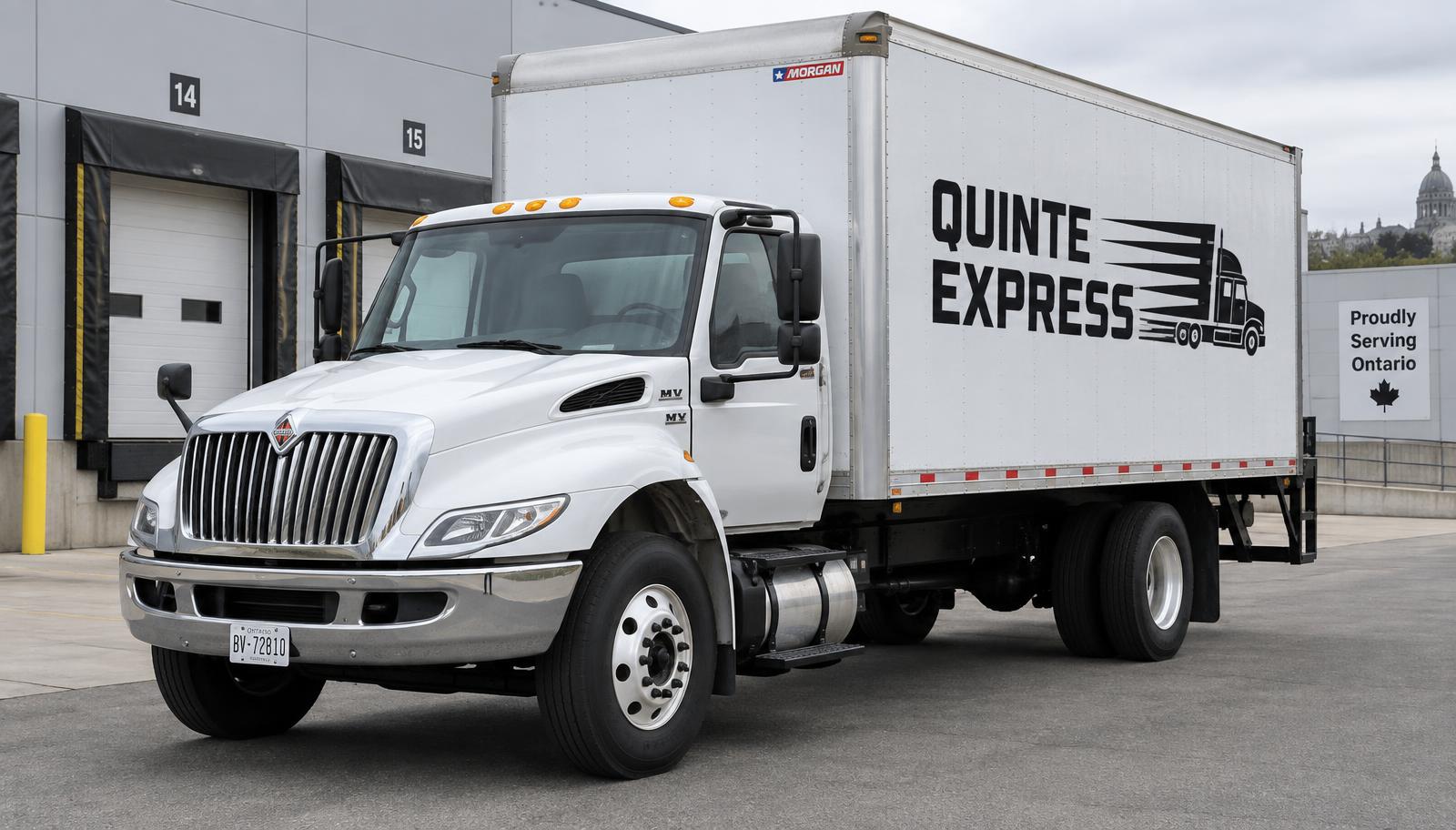
Pallet delivery in Ontario works best when preparation happens before the truck shows up. Solid stacking, proper wrapping, accurate labels and clear communication about dock access and delivery windows prevent the vast majority of delays and damage claims. Quinte Express handles pallet freight from single-skid drops to multi-skid deliveries with 26 ft straight trucks and power lift gates, matched to the equipment each location actually has, including our multi-skid pallet capabilities and the details of our fleet.
If you have pallets moving anywhere in Ontario, request a quote and share your pallet count, weight and destination access details so the right vehicle can be assigned.
Frequently asked
- What is the standard pallet size for freight in Ontario?
- The 48 x 40 inch wood pallet is the most common standard, sized to fit efficiently in trucks and through most dock doors. Some industries use different sizes or plastic pallets, so it is worth confirming compatibility with the delivery vehicle and receiving dock ahead of time.
- How many pallets can fit in a cargo van versus a straight truck?
- A cargo van typically handles one to two standard pallets, making it a good fit for small shipments and downtown deliveries. A 26 ft straight truck can carry considerably more, up to its payload limit, which makes it better suited to multi-skid shipments.
- Do I need a forklift to receive a pallet delivery?
- Not necessarily. If your location has a dock at the right height, a pallet jack is often enough. If there is no dock, a liftgate can lower the pallet to ground level, after which a pallet jack or hand truck can move it inside.
- What causes most pallet freight damage?
- Poor stretch wrapping, uneven or overhanging stacking, and overloading beyond a safe weight are the most common causes. Rough handling during loading or unloading can also damage freight, which is why secure wrapping and clear labelling matter so much.
- Can I ship a mixed pallet with several different products?
- Yes, mixed-SKU pallets are common, especially for retail replenishment. Clear, itemized labelling matched to the purchase order helps receiving staff confirm contents quickly and reduces the chance of a mismatch being flagged at delivery.
Services in this article
More commercial freight guides
More from the commercial freight series
- What Is Dock-to-Dock Delivery? A Complete Guide for Ontario Businesses
- Dock-to-Dock vs. Curbside Delivery: Which Is Right for Your Business?
- Warehouse-to-Warehouse Freight Delivery Across Ontario
- How Dock-to-Dock Delivery Works From Pickup to Final Receiving Dock
- Commercial Freight Delivery Between Toronto and Eastern Ontario
- Belleville Freight Delivery: Connecting Warehouses, Suppliers and Businesses
Ready to ship your pallets?
From single skids to multi-pallet drops, we match the right vehicle to your freight and destination. [Request a quote](/#quote) and tell us your pallet count and delivery details.