Part of our commercial freight series. Start with the guide to dock-to-dock freight delivery in Ontario.
Commercial Freight
Liftgate Freight Delivery: When Your Business Needs One
Plenty of Ontario businesses order freight but do not have a dock to receive it at. A liftgate turns a straight truck into a self-contained delivery unit — here is when you need one and how it changes a shipment.
What a liftgate actually is
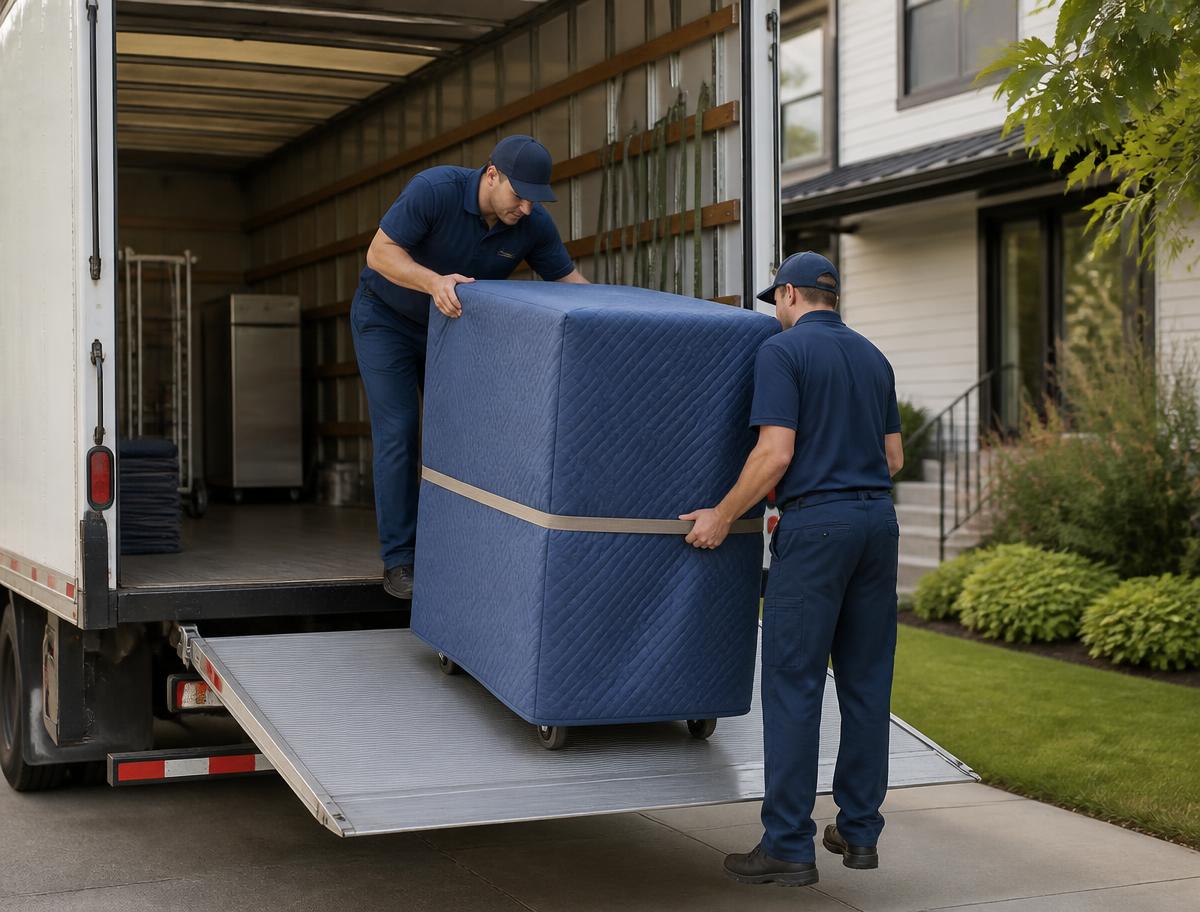
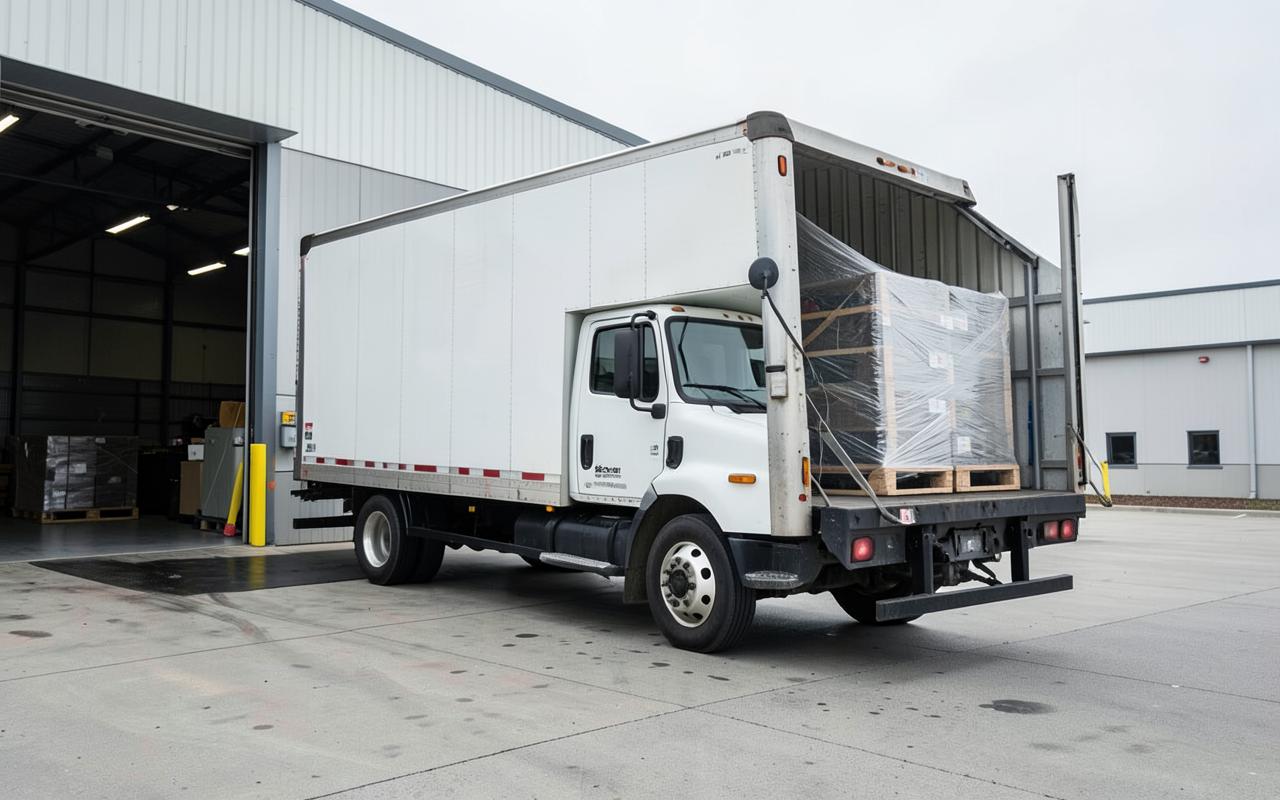
A liftgate, sometimes called a power lift gate or hydraulic tailgate, is a mechanical platform mounted to the back of a delivery truck. It folds flat against the rear doors while the truck is moving, then unfolds and lowers to the ground when the driver needs to unload freight at a location with no dock. Instead of freight being wheeled off at dock height onto a raised platform, it is lowered mechanically to grade.
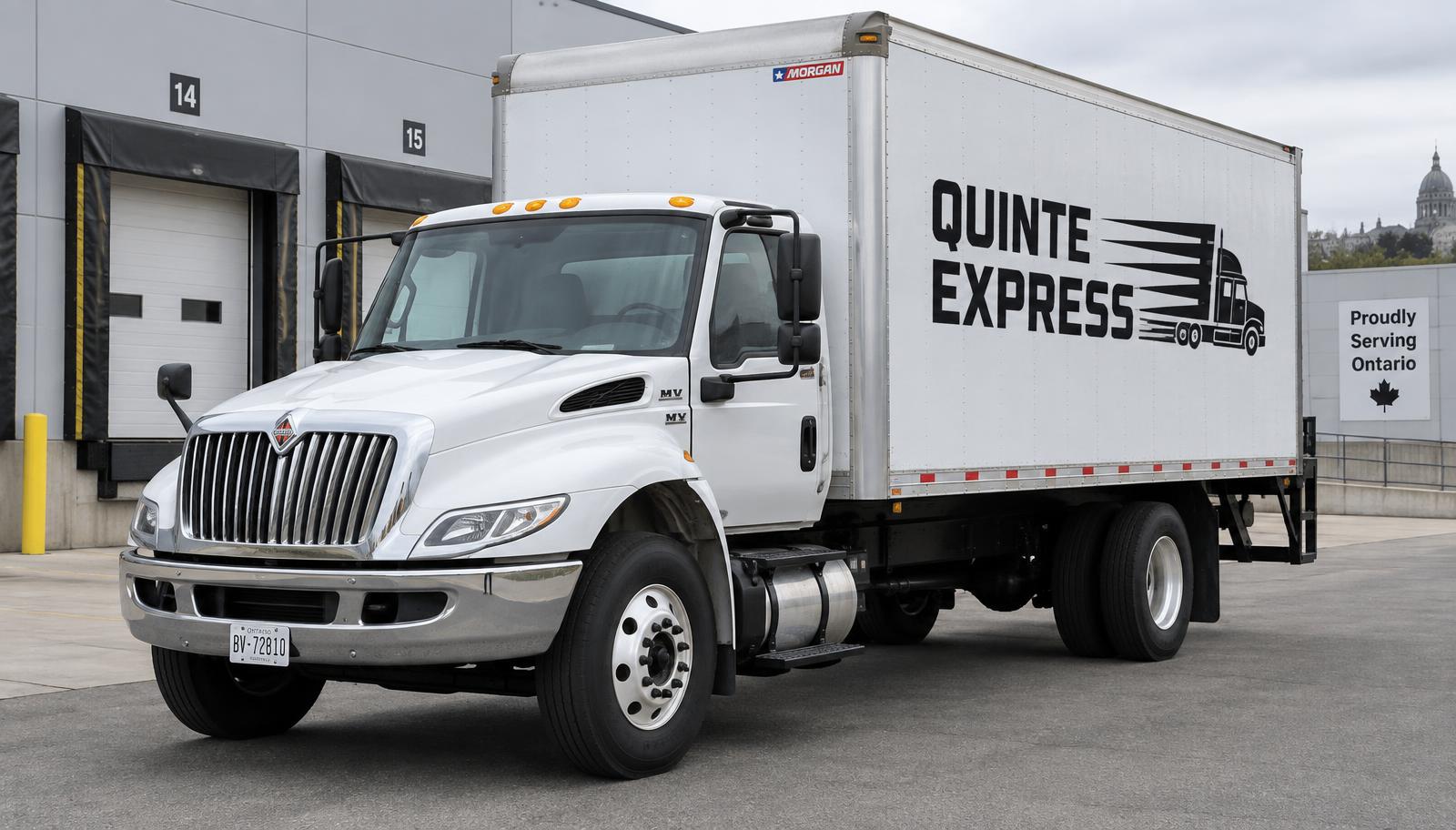
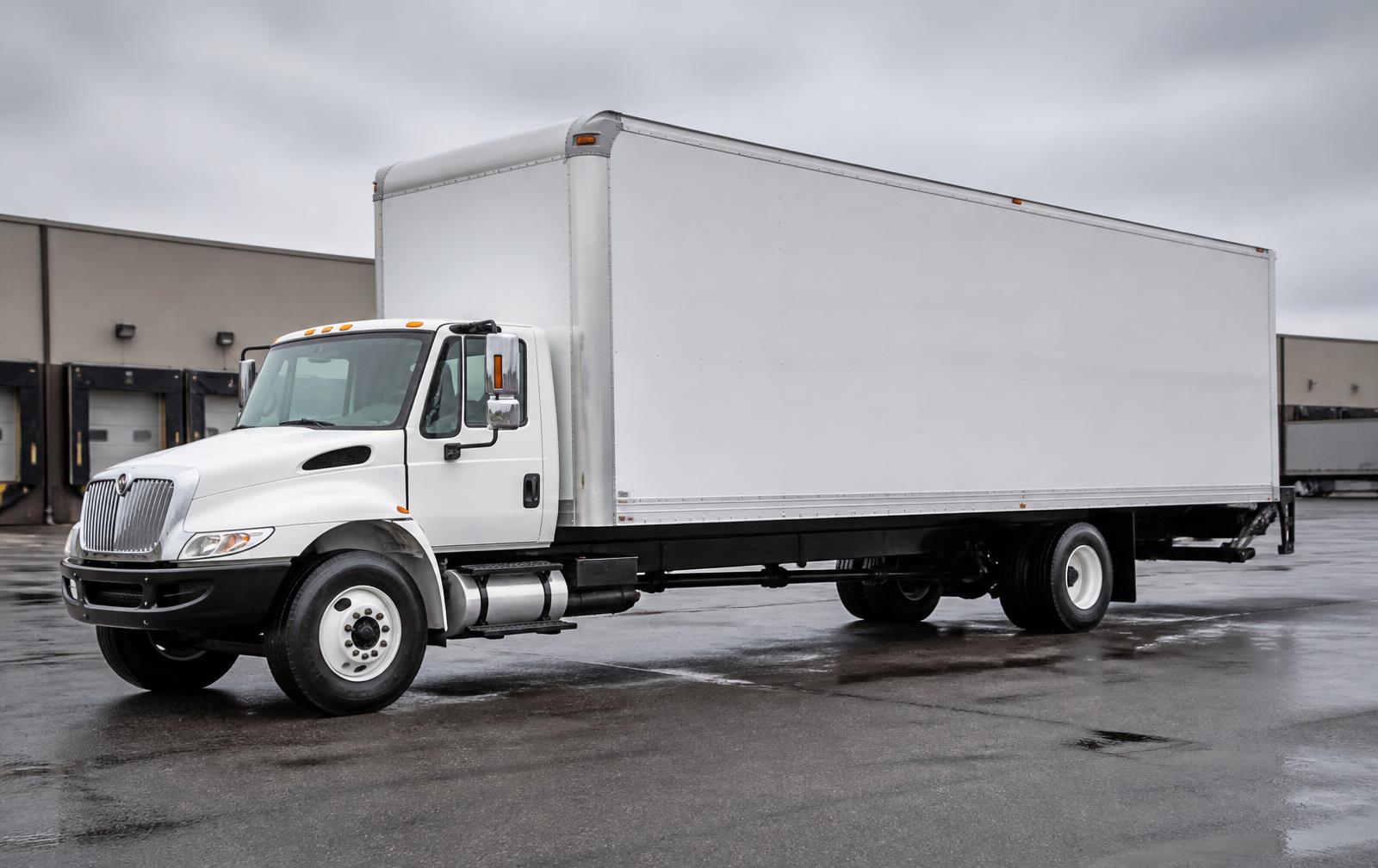
Most straight trucks used for commercial and last-mile delivery in Ontario, including the 26 ft trucks common on Eastern Ontario routes, are equipped with a liftgate as standard equipment. It is one of the features that makes a straight truck more flexible than a full tractor-trailer, which typically requires a dock to load or unload safely.
The gate itself has a rated capacity, commonly in the range of 2,000 to 3,000 lb per lift, and a defined platform size. That capacity governs how much weight can go down in a single lift, which matters for anyone shipping heavy pallets or oversized crates.
Why businesses request liftgate delivery
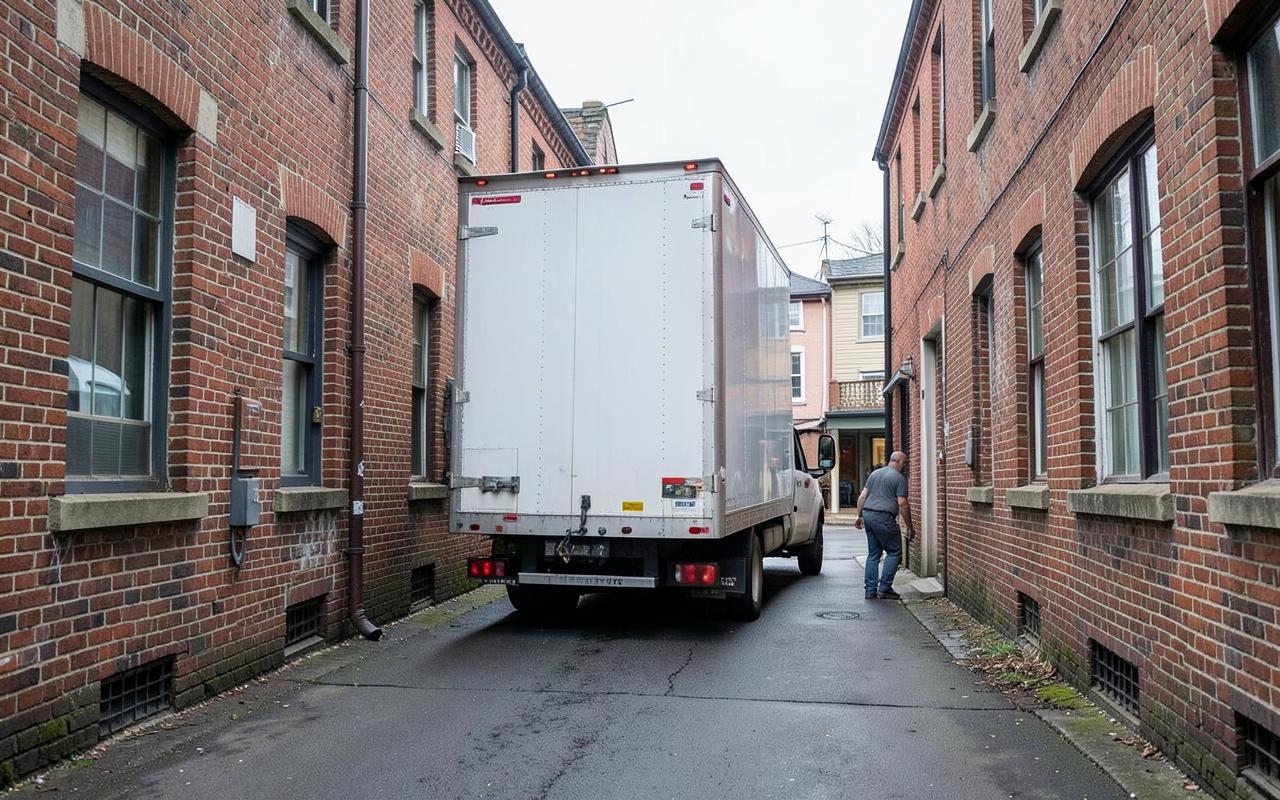
The most common reason is simple: the receiving address has no loading dock. Retail storefronts, medical and dental clinics, farm supply outlets, small manufacturing shops, job sites, and many office buildings receive freight at grade level through a front door, a garage bay, or a grade-level roll-up door, not a raised dock designed for trailer trucks.
Liftgate delivery Ontario shipments are also common for residential-adjacent commercial addresses — a contractor's yard, a small warehouse converted from another use, or a strip-mall unit — where the building was never designed around freight receiving. In these cases the liftgate is not an upgrade, it is the only way the shipment gets off the truck safely.
Even businesses with a dock sometimes need a liftgate for a specific shipment, such as a delivery arriving after hours when dock staff are not scheduled, or a delivery to a satellite location that lacks equipment. Booking liftgate delivery in advance avoids a driver arriving unable to unload.
Recognising when your location needs one
Signs you need a liftgate
If any of the following describe your receiving location, you should request liftgate delivery when booking a shipment:
- No raised loading dock, or the dock is not accessible to outside carriers
- Freight is received through a storefront, office entrance, or garage bay at ground level
- No forklift, pallet jack ramp, or dock plate on site to bridge a height difference
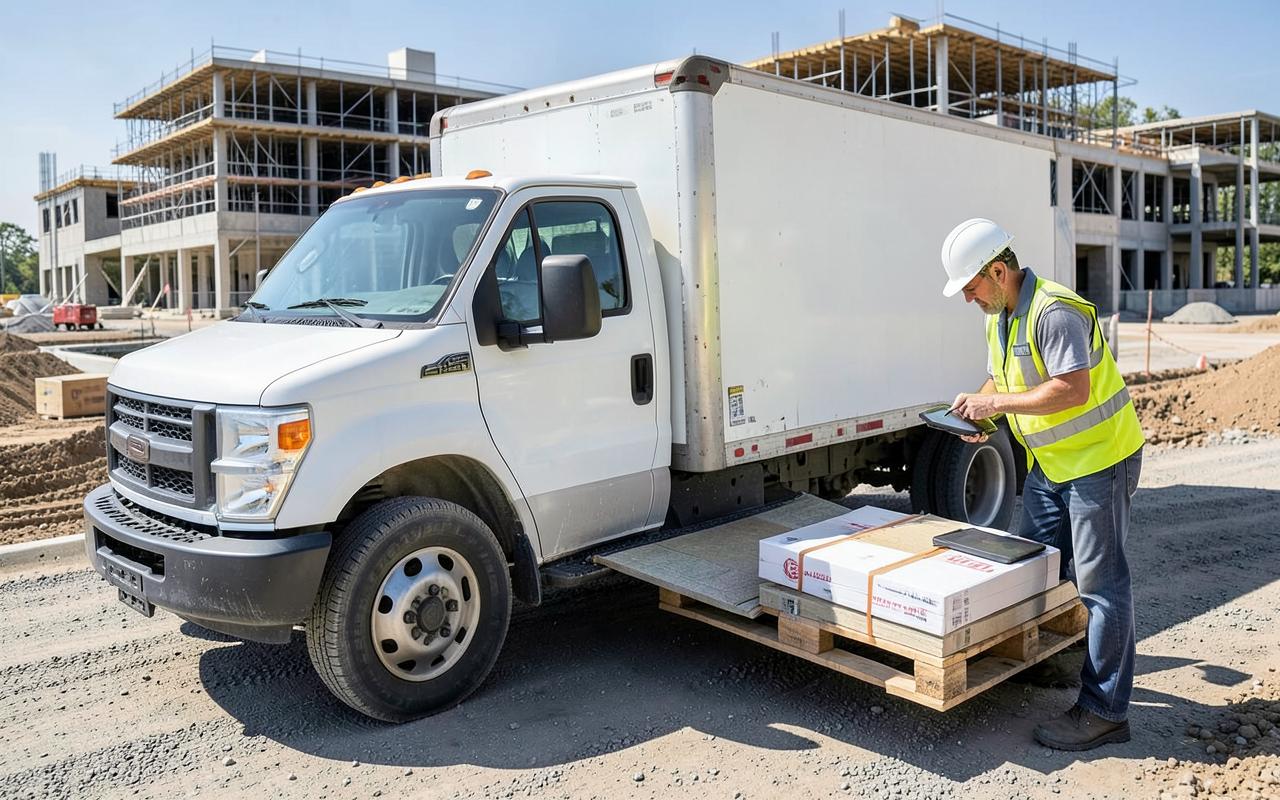
- Delivery is to a job site, farm, or outdoor location with no fixed structure at all
- Gravel, grass, or uneven pavement where a hand pallet jack cannot be safely operated at height
Signs you do not need one
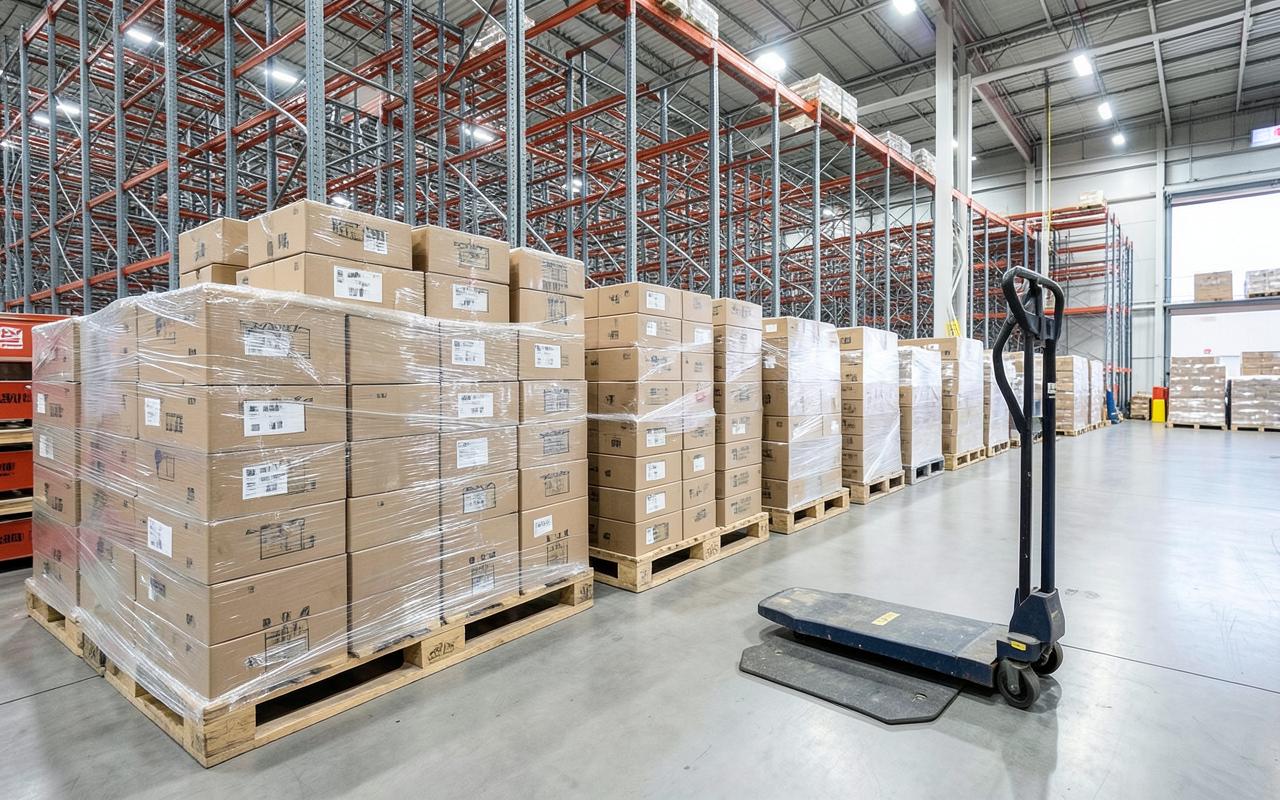
A dock-to-dock setup is the better fit when your facility has a dedicated dock with a leveler, dock staff or a forklift on hand, and enough clearance for a straight truck to back in. In that case, requesting a liftgate simply adds time on site with no benefit.
Weight, footprint and ground conditions
A liftgate platform is not unlimited. Before booking, confirm the total weight of the heaviest single pallet or crate against the gate's rated capacity, and confirm the pallet footprint fits the platform without overhang. A pallet that overhangs the platform edge, or that exceeds the rated weight, cannot be lowered safely and may need to be split into smaller pieces at pickup.
Ground conditions at the delivery point matter just as much as the truck's equipment. Once freight is on the ground, it still needs to move from the liftgate platform into the building, typically by hand pallet jack. That requires a reasonably flat, hard surface — grass, gravel, snow, or a steep driveway grade can make the last few metres the hardest part of the delivery, regardless of how smoothly the liftgate itself operates.
For heavier commercial shipments, it is worth confirming ahead of time whether someone on site can help manoeuvre the pallet once it is on the ground, since the driver's responsibility is generally to lower the freight safely, not to move it deep into a building without assistance.
How liftgate delivery differs from dock-to-dock
In a dock-to-dock delivery, both the shipping and receiving locations have docks at the same height as the truck bed, so pallets move straight across on a pallet jack or forklift with no lift required. The driver's role is largely to position the truck and hand off freight at dock level.
With liftgate delivery, the driver takes on additional responsibility: operating the gate, securing the load on the platform, lowering it to grade, and then moving it off the platform to a safe point at the receiving location. This naturally adds time on site compared with a dock-level handoff, since the mechanical lift and ground-level pallet jack work both take longer than a dock-to-dock exchange.
Businesses that ship regularly to a mix of dock and non-dock locations often find it useful to flag receiving type shipment by shipment, rather than assuming every stop is the same. A distributor sending pallets to both a Belleville warehouse and a small Kingston retail unit, for example, needs dock service for one stop and a liftgate for the other on the same route.
Preparing a liftgate shipment
Pallets going out for liftgate delivery should be built with the same care as any other freight — securely wrapped, within the platform's weight and footprint limits, and labelled clearly on all sides. Because the freight will be handled at ground level rather than dock height, a stable, well-wrapped pallet matters even more, since it will be jostled slightly as it transitions onto and off the platform.
It also helps to tell the carrier about site conditions in advance: whether the delivery point is gravel, grass, or paved, whether there is a ramp or step into the building, and whether someone will be available to receive the shipment. Quinte Express asks these questions when quoting a delivery so the right equipment and crew size are booked from the start. For a plain-language comparison of the two service levels from the receiver's point of view, see lift gate vs. dock delivery.
Choosing the right delivery type for your shipment
Deciding between liftgate and dock-to-dock does not need to be complicated. If your location has a working dock and equipment to receive freight at height, dock-to-dock is faster and simpler. If it does not, a liftgate is not a fallback option, it is the correct tool for the job, and specifying it up front avoids delays or a missed delivery attempt.
If you are unsure which applies to your location, describing your receiving setup when you request a quote lets the carrier confirm the right equipment before the truck is scheduled, which is the simplest way to avoid a wasted trip.
Frequently asked
- Does every straight truck have a liftgate?
- Most straight trucks used for commercial and last-mile delivery are equipped with a hydraulic liftgate as standard equipment, but capacity varies by vehicle. It is still worth confirming liftgate availability and rated capacity when booking, especially for heavier pallets.
- How much weight can a liftgate handle?
- Liftgate capacity is typically in the 2,000 to 3,000 lb range per lift, though this varies by vehicle. Provide accurate pallet weights when booking so the carrier can confirm the shipment is within the gate's rated limit.
- Will the driver bring freight inside my building?
- A driver's core responsibility with a liftgate delivery is to lower the freight safely to the ground and move it to a safe point near the entrance. Moving heavier pallets deep into a building may require assistance from someone on site, so it is worth confirming this in advance.
- Do I need a liftgate if my building has a dock?
- Generally no. If your dock is accessible to outside carriers and staffed, dock-to-dock delivery is faster and does not require a liftgate. A liftgate is for locations without dock access or where the dock cannot be used for a specific delivery.
- Can a liftgate handle uneven ground?
- The liftgate itself can lower freight to most reasonably level surfaces, but moving the pallet off the platform still requires a hand pallet jack, which needs a flat, hard surface. Gravel, grass, or steep grades can make the final few metres difficult even after the freight is on the ground.
Services in this article
More commercial freight guides
More from the commercial freight series
- What Is Dock-to-Dock Delivery? A Complete Guide for Ontario Businesses
- Dock-to-Dock vs. Curbside Delivery: Which Is Right for Your Business?
- Warehouse-to-Warehouse Freight Delivery Across Ontario
- How Dock-to-Dock Delivery Works From Pickup to Final Receiving Dock
- Commercial Freight Delivery Between Toronto and Eastern Ontario
- Belleville Freight Delivery: Connecting Warehouses, Suppliers and Businesses
Not sure if you need a liftgate?
Tell us about your receiving location and we will confirm the right equipment for your shipment before the truck is booked. Reach out or [request a quote](/#quote) and we will sort out the details with you.