Part of our commercial freight series. Start with the guide to dock-to-dock freight delivery in Ontario.
Commercial Freight
Construction Material Delivery to Commercial Job Sites in Ontario
Getting flooring, fixtures and finishing materials onto a busy commercial job site takes more than a truck showing up. Here is what contractors and suppliers should know about construction material delivery Ontario job sites actually need.
Why job site delivery is different from a standard drop-off
A retail delivery has a door, a receiver and a quiet hallway. A commercial job site has none of that guaranteed. Construction material delivery for Ontario contractors has to work around active trades, shifting site conditions, and a location that may not have a finished driveway yet. Suppliers moving flooring, tile, cabinetry, doors and lighting into these environments need a carrier that understands the difference.
Materials like packaged building supplies, HVAC components and millwork are often palletized or boxed rather than loose, which changes how they should be loaded and unloaded. The goal on a job site is not just getting the truck there — it is getting materials off the truck safely, into the right spot, and out of the way of the next trade coming through the door.
This is the kind of work Quinte Express handles regularly for contractors and suppliers across Ontario, and it is very similar in spirit to the dock-to-dock freight delivery Ontario businesses rely on for warehouse-to-warehouse moves — the difference is the receiving point is a construction site instead of a loading dock.
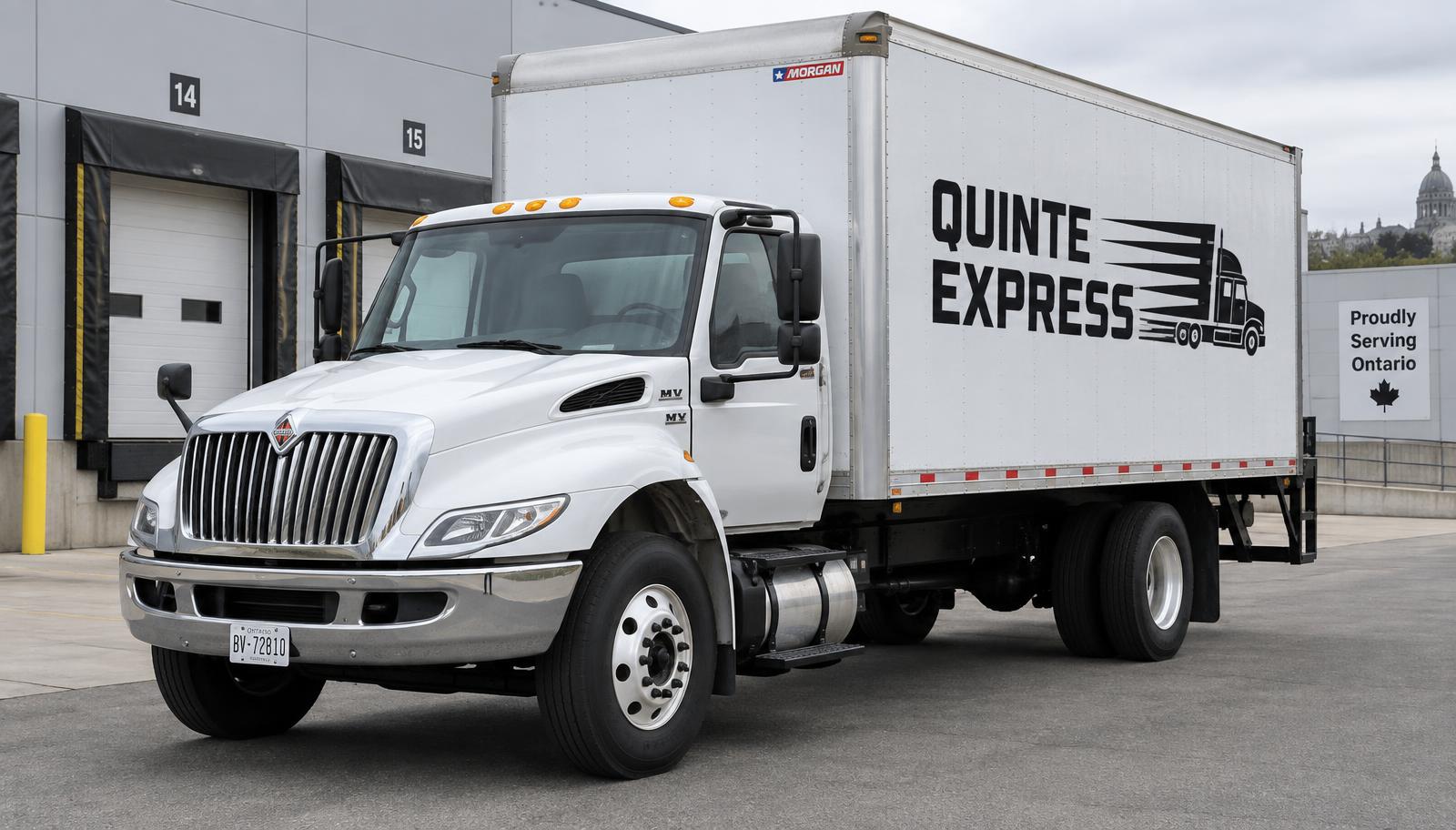
What kinds of materials move to commercial job sites
Most commercial job site deliveries fall into a fairly predictable set of categories, even though every project is different. Flooring and tile are among the most common, usually palletized in cartons that need to stay flat and dry. Cabinetry, doors and hardware follow close behind, along with lighting fixtures, packaged building supplies and HVAC components destined for mechanical rooms.
None of these materials require specialized rigging or bulk handling — they arrive as palletized or boxed freight that a 26 ft straight truck with a power lift gate and a pallet jack can handle efficiently. That is an important distinction for contractors to understand when booking a delivery, since not every job site load needs (or benefits from) heavier equipment.
Because these materials are often expensive and schedule-critical, damage or delay has real downstream cost — a flooring crew that cannot start because tile did not arrive is a lost day for the whole site.
- Flooring, tile and underlayment on pallets
- Cabinetry, doors, frames and finish hardware
- Lighting fixtures and electrical trim packages
- Packaged building supplies and drywall accessories
- HVAC components and mechanical room parts
- Millwork and trim packages
Scheduling deliveries around active trades
One of the biggest differences between commercial job site delivery and a typical business delivery is the calendar. Job sites run on tight sequencing — electricians, drywallers, painters and flooring crews are often on-site the same week, sometimes the same day. A delivery that shows up at the wrong moment can block a hallway, sit in the way of a lift, or arrive before there is anywhere safe to stage the materials.
Good construction material delivery in Ontario means coordinating a delivery window with the site super or project manager ahead of time, not just picking a day. That conversation should cover which entrance to use, whether there is a freight elevator or stair access, and where materials can be staged without being in another trade's way.
Contractors who supply multiple sites benefit from a carrier willing to have that scheduling conversation directly with site staff rather than leaving it to guesswork, which reduces the back-and-forth on delivery day.
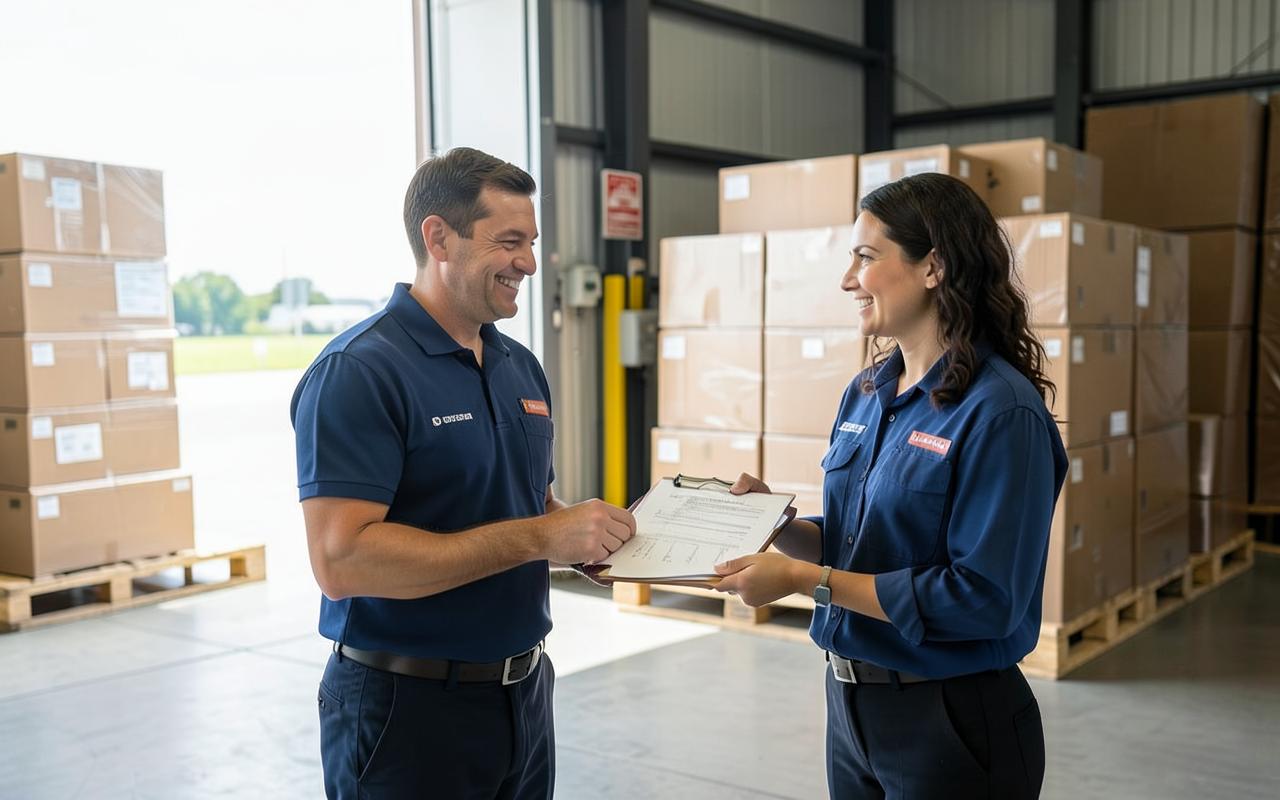
Site access: gates, hoarding, laneways and no loading dock
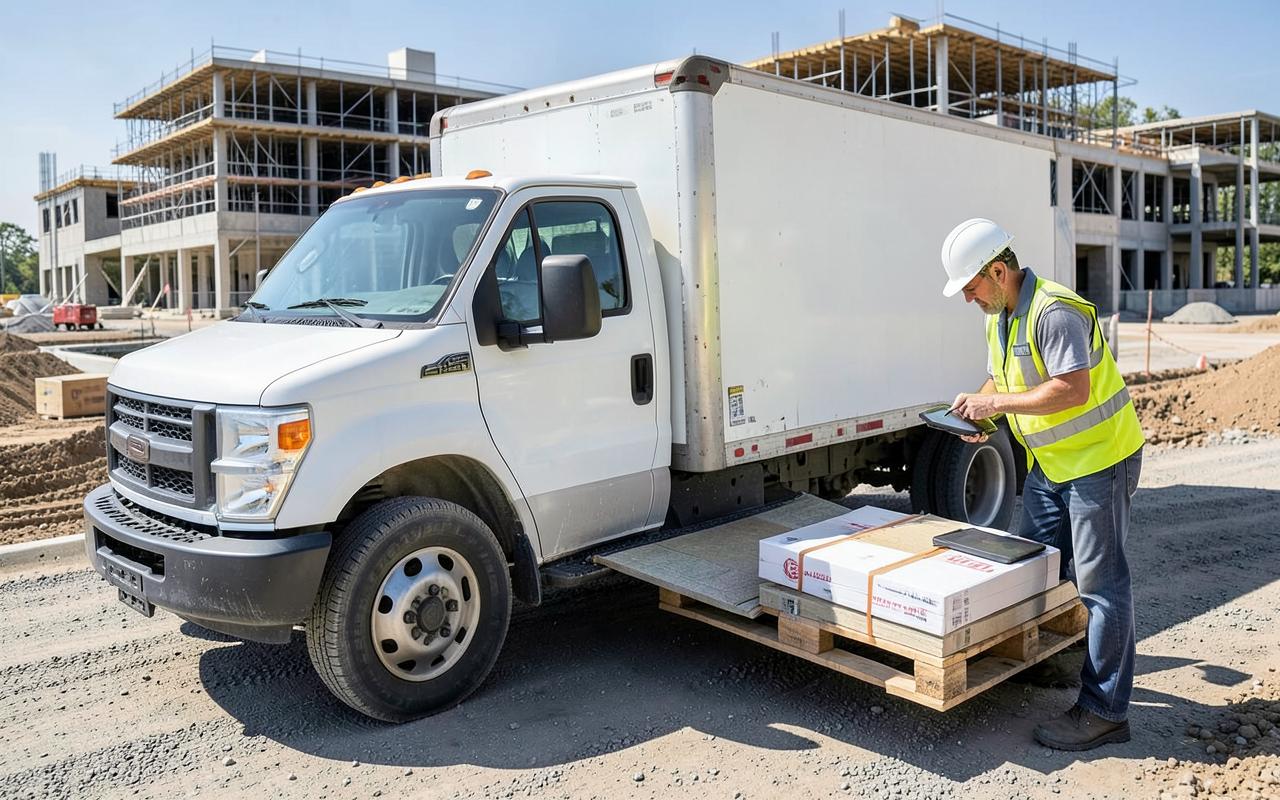
Commercial job sites rarely have a finished loading dock. Instead, delivery access often means navigating a construction gate, hoarding around the site perimeter, a temporary laneway, or a lobby still under protection. Site conditions like mud, gravel, uneven grading or a lack of paved surface are the norm rather than the exception, especially earlier in a build.
This is where equipment matters. A 26 ft straight truck with a power lift gate can bring a pallet down to ground level without needing a dock, and a cargo van can navigate tighter laneways or downtown sites where a larger truck would struggle to turn around. Site access details — gate codes, security sign-in, hoarding entry points — should be confirmed before the truck leaves, not discovered on arrival.
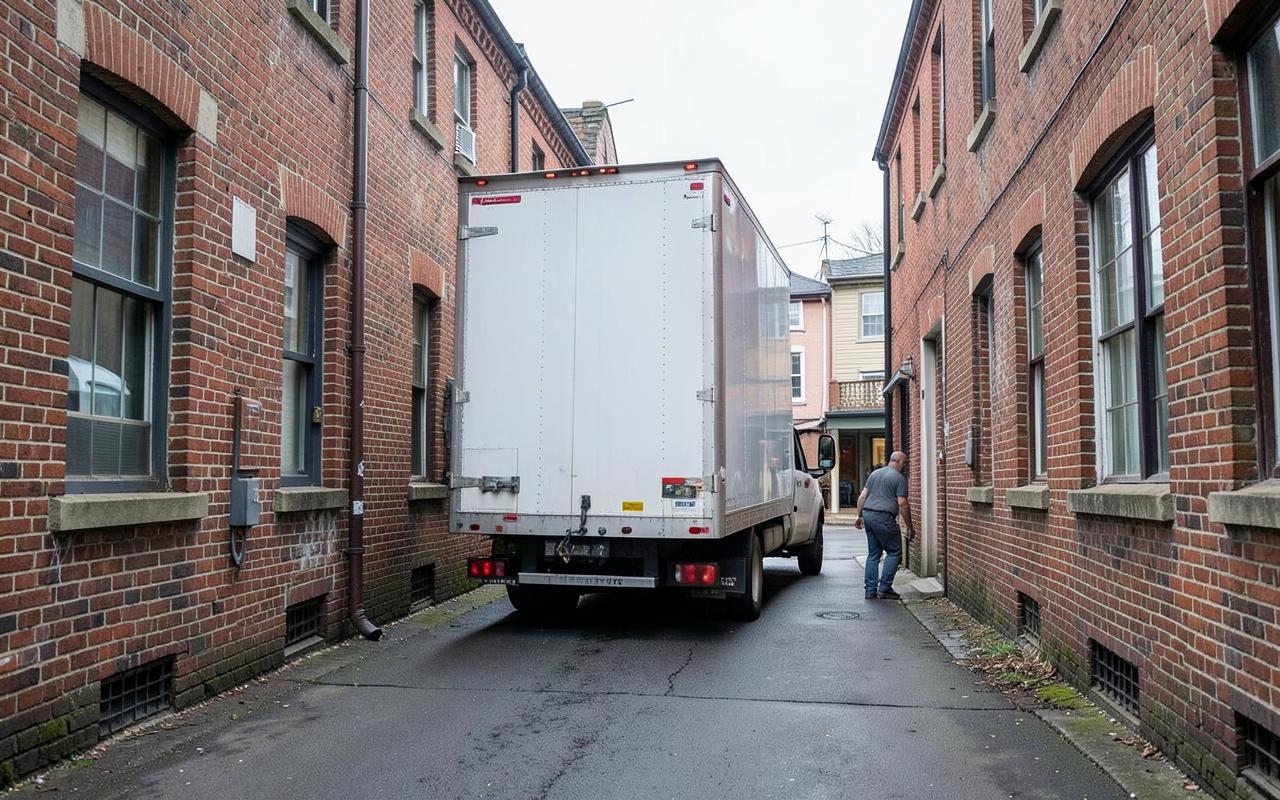
For sites where the receiving area genuinely cannot fit a straight truck, it helps to plan ahead the same way you would for any delivery dock too small for the truck — smaller equipment or a pre-arranged staging plan avoids a wasted trip.
Loading, unloading and getting materials to the right spot
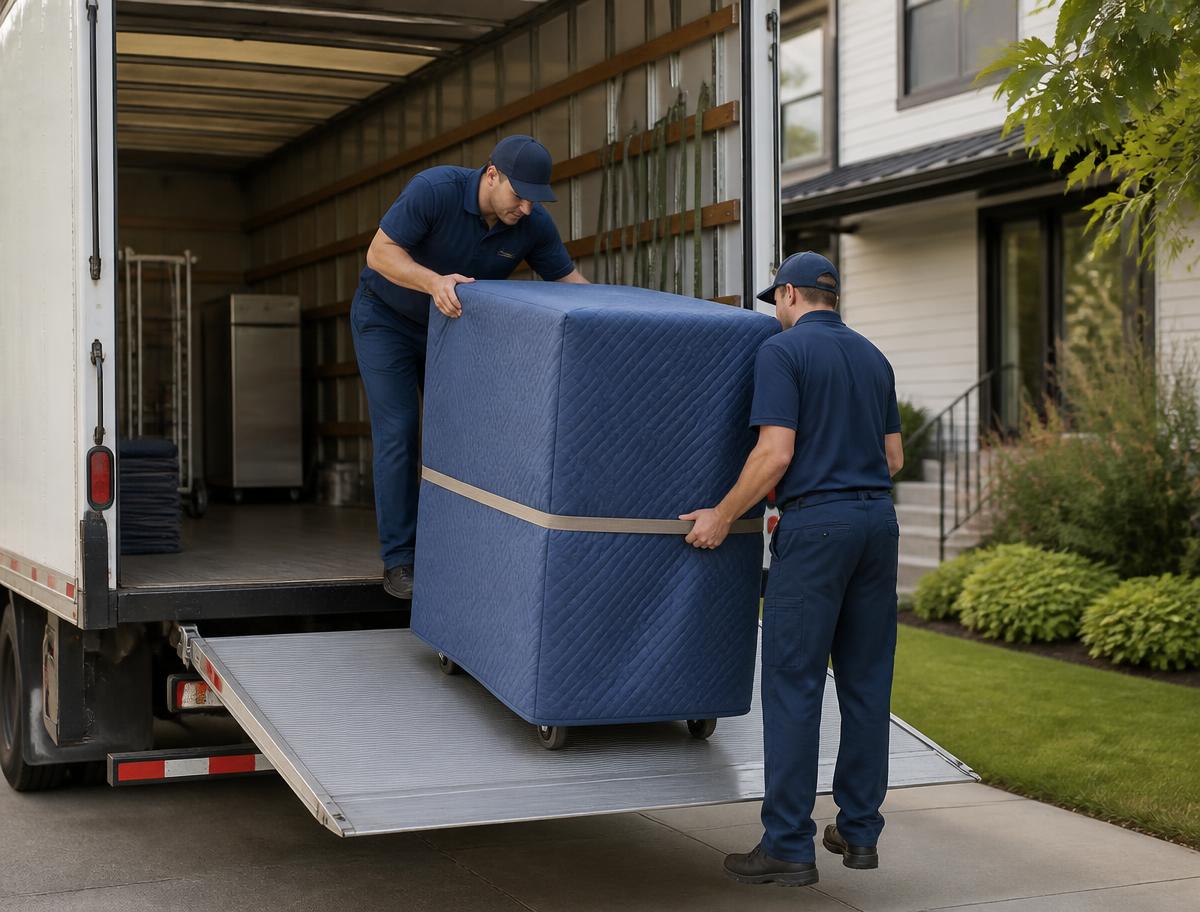
Once on-site, the actual unloading is where careful handling pays off. A power lift gate brings palletized materials down safely without needing dock height, and a pallet jack moves them from the truck to a staging area without a forklift. For boxed materials like lighting or hardware, a two-person crew can hand-carry cartons directly to a marked interior staging zone if the site allows it.
Weather protection matters more on a job site than almost anywhere else. Flooring, cabinetry and packaged drywall accessories can be ruined by exposure to rain or damp concrete, so materials should be placed on dunnage or in a covered staging area rather than left on bare ground near an open bay.
This kind of careful, palletized-material handling is the same approach used for pallet delivery across Ontario more broadly, and it is exactly why job site work suits a straight truck and lift gate combination rather than loose-freight handling.
Receiving requirements every site should confirm in advance
Every commercial job site should have a clear answer to a short list of receiving questions before a truck is booked. Who is authorized to sign for the delivery? Is there a specific staging area designated for incoming materials? And is there any weather protection available if the delivery arrives before the building envelope is closed in?
Getting a site superintendent's sign-off matters just as much on a construction delivery as a proof-of-delivery signature does on a standard commercial run — it protects both the supplier and the receiving contractor if there is ever a dispute about condition or quantity.
Clear receiving requirements also reduce wasted time on delivery day. A driver who knows exactly where to stage a pallet and who is authorized to receive it can complete the drop quickly and get out of the way of other site traffic.
A simple receiving checklist for job sites
Contractors and suppliers can avoid most job site delivery problems by confirming a few basics before the truck arrives.
- Confirmed delivery window that fits the trade schedule
- Named contact authorized to sign for materials
- Marked staging area clear of other trades' work
- Weather protection or covered space if needed
- Gate access, security sign-in or hoarding entry instructions
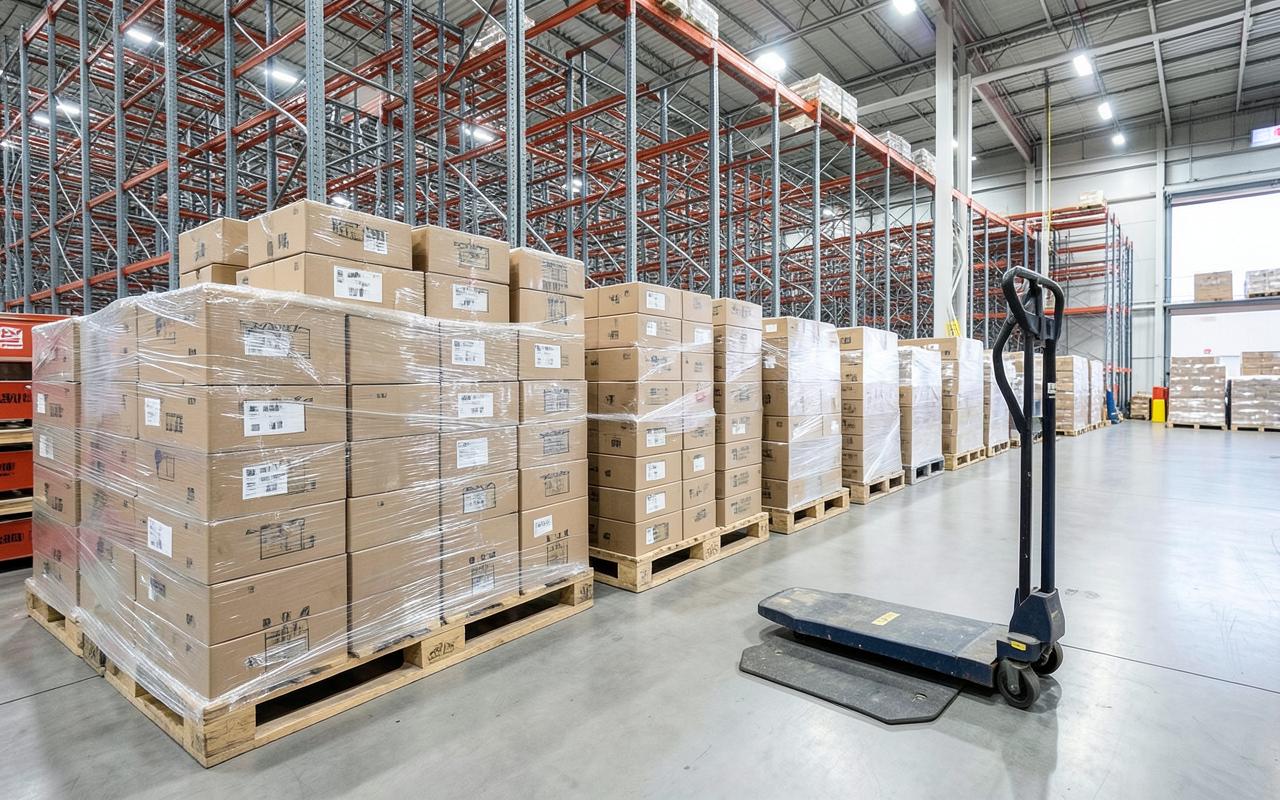
Communication makes or breaks job site delivery
Job sites change day to day in ways an office or retail location does not. A laneway that was open on Monday might be blocked by a crane setup on Wednesday. Good communication between the supplier, the carrier and the site super is what keeps materials arriving on schedule despite that.
A short call or text ahead of arrival — confirming the truck is on its way, checking that the staging area is still clear, and flagging any access changes — prevents most of the friction that shows up on construction deliveries. This is a similar communication habit to the one described for dock-to-dock deliveries generally, just adapted to a site that is still under construction.
For contractors managing several active projects, working with one delivery partner across all of them means that communication style becomes familiar and predictable rather than starting from scratch with a different carrier every time.
Getting your next job site delivery right
Reliable construction material delivery in Ontario comes down to matching the right equipment to the site, confirming access and staging in advance, and keeping communication open as conditions change. Palletized flooring, cabinetry, fixtures and packaged supplies all move efficiently with a 26 ft straight truck and power lift gate — no crane, flatbed or specialized rigging required for this kind of freight.
Quinte Express runs 26 ft straight trucks with power lift gates and cargo vans out of its Belleville terminal, and can also help with job-site setup once materials are on-site. If you are coordinating a commercial job site delivery anywhere in Ontario, request a quote and we will work out the access and scheduling details with you ahead of time.
Frequently asked
- Can materials be delivered to a job site without a loading dock?
- Yes. Most commercial job sites do not have a finished dock, which is why a 26 ft straight truck with a power lift gate is often the right equipment — it can bring palletized materials down to ground level and a pallet jack can move them to a staging area.
- Who should sign for a construction material delivery?
- Ideally a site superintendent or another person specifically authorized by the general contractor. Confirming this contact before the delivery avoids delays and gives both the supplier and the site a clear record of what was received.
- How far in advance should a job site delivery be scheduled?
- As early as possible, especially on active sites with multiple trades. Confirming a window that fits around other trades reduces the chance the truck arrives when there is no safe place to stage materials.
- What happens if the truck cannot get through the site gate?
- Access details like gate codes, security sign-in and hoarding entry points should be confirmed before the delivery. If a larger truck cannot fit a laneway, a cargo van is often a better fit for tighter or partially built sites.
- Can weather-sensitive materials be protected on delivery?
- Where the site has a covered staging area or the building envelope is closed in, materials like flooring and packaged drywall accessories can be placed there instead of an open bay. This should be discussed as part of scheduling the delivery.
Services in this article
More commercial freight guides
More from the commercial freight series
- What Is Dock-to-Dock Delivery? A Complete Guide for Ontario Businesses
- Dock-to-Dock vs. Curbside Delivery: Which Is Right for Your Business?
- Warehouse-to-Warehouse Freight Delivery Across Ontario
- How Dock-to-Dock Delivery Works From Pickup to Final Receiving Dock
- Commercial Freight Delivery Between Toronto and Eastern Ontario
- Belleville Freight Delivery: Connecting Warehouses, Suppliers and Businesses
Reliable delivery for your next job site
Quinte Express delivers palletized construction materials to commercial job sites across Ontario with straight trucks, power lift gates and trained crews. Request a quote and let us coordinate access, scheduling and staging for your next delivery.