Part of our commercial freight series. Start with the guide to dock-to-dock freight delivery in Ontario.
Warehouse & Distribution
Warehouse-to-Warehouse Freight Delivery Across Ontario
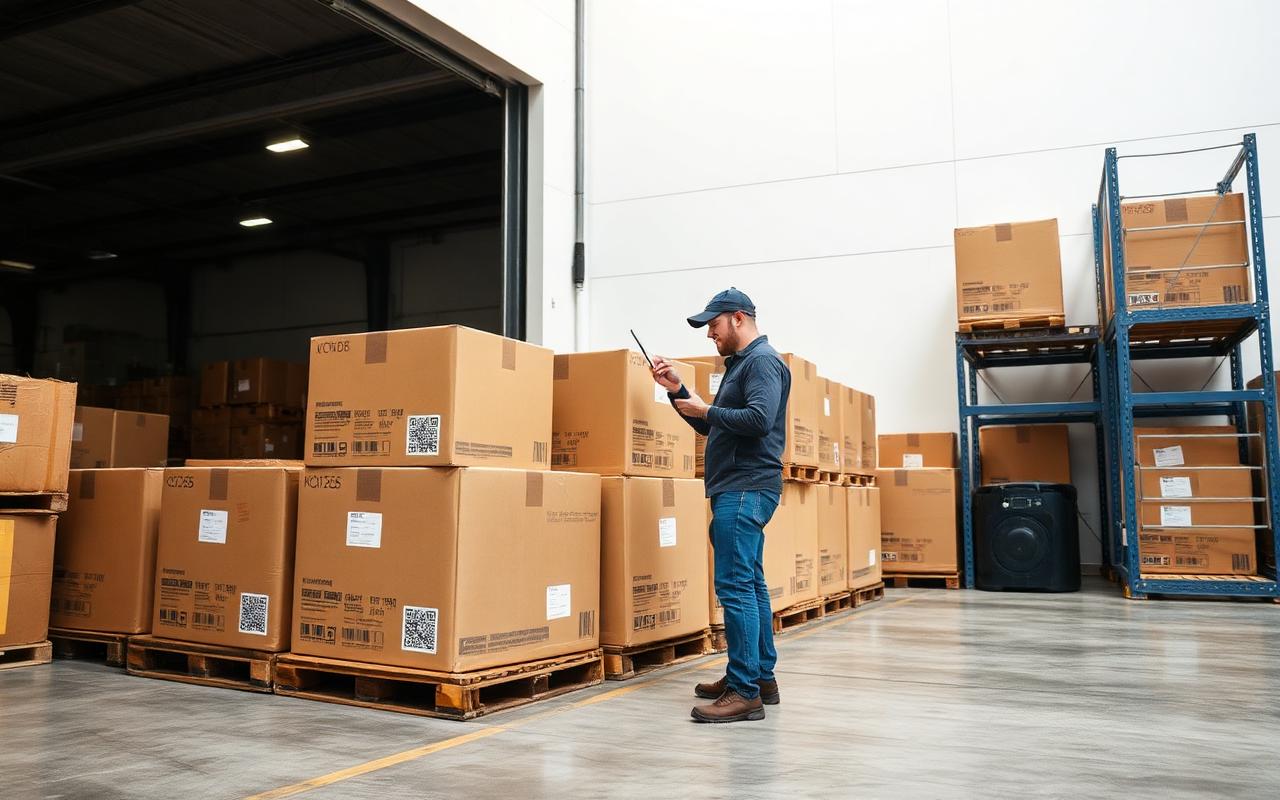
Warehouse-to-warehouse delivery in Ontario keeps inventory flowing between distribution centres, manufacturing facilities, suppliers and storage sites without disrupting daily operations. Here is how to plan it properly.
Why warehouse-to-warehouse moves are different from last-mile delivery
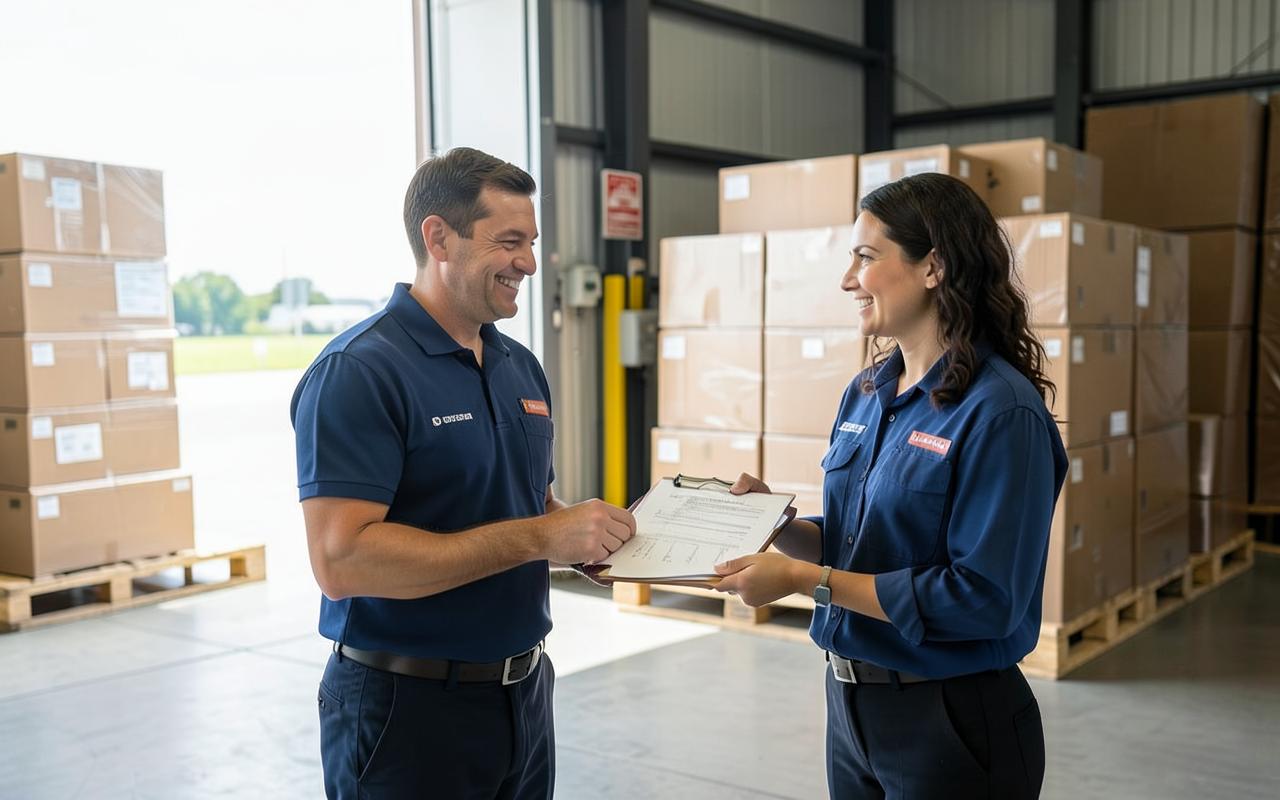
Moving freight between two commercial facilities is a different job than delivering to a home or storefront. Both ends usually have loading docks or forklift access, staff who handle freight daily, and expectations around scheduling and paperwork. The goal of warehouse-to-warehouse delivery is to move product efficiently between two professional environments with minimal handling and clear accountability at each end.
This type of move shows up constantly in Ontario supply chains: a distributor shifting stock between two of its own facilities, a manufacturer sending finished goods to a 3PL warehouse, or a supplier restocking a retailer's regional distribution centre. For background on how this compares to broader dock-to-dock freight delivery, it helps to understand that warehouse-to-warehouse is really a specific, high-frequency version of dock-to-dock service.
Because both locations are commercial, the conversation shifts from 'can this truck get close to the door' to 'how do we schedule this so neither dock gets backed up'. That makes appointment coordination and paperwork the two biggest variables in whether the move goes smoothly.
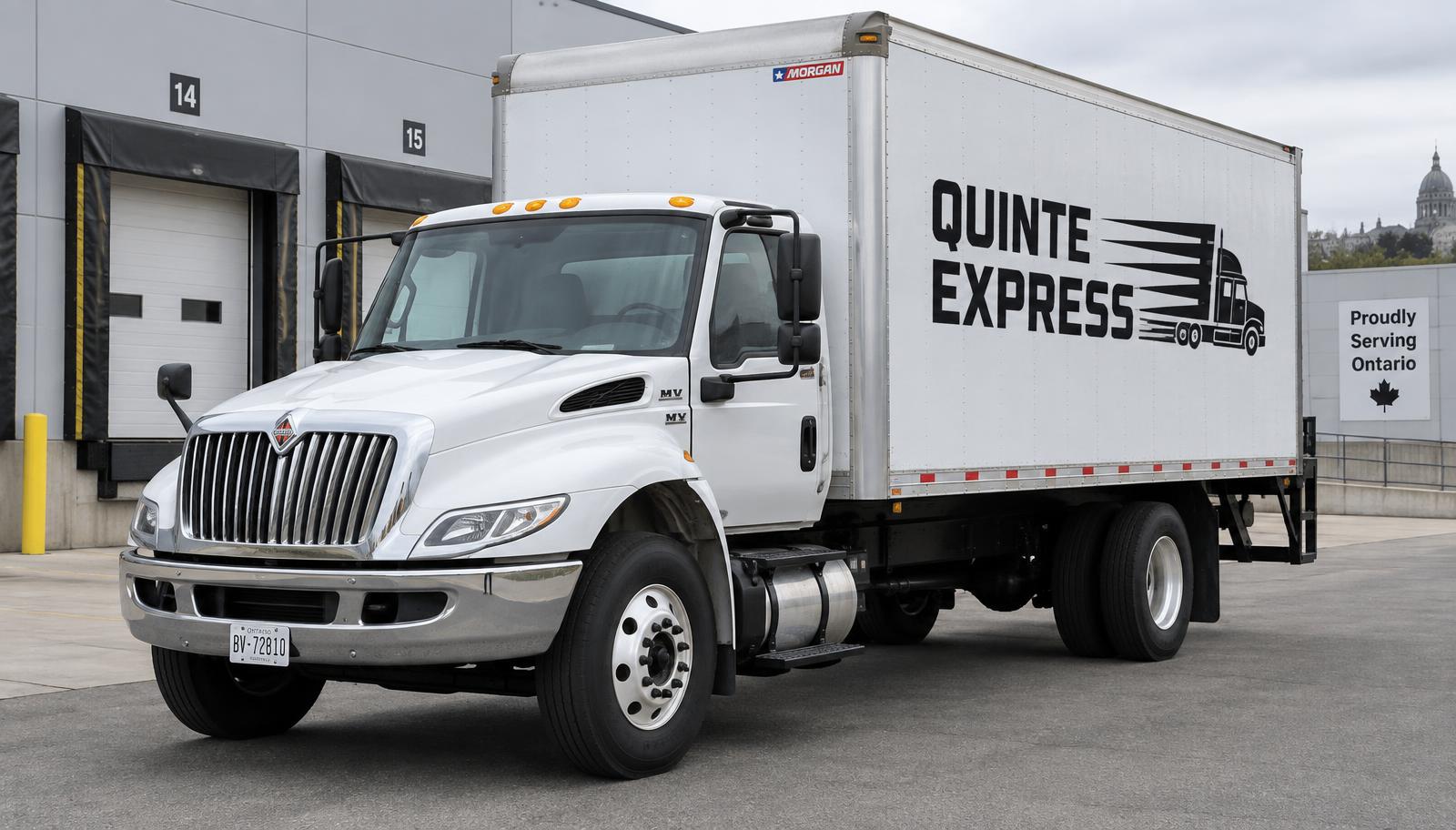
Common warehouse-to-warehouse scenarios in Ontario
Inventory transfers between a company's own facilities are one of the most frequent reasons for this kind of move — a business might store overflow at a secondary site and needs stock brought back to the primary warehouse as demand shifts. Overflow storage moves are similar: when a warehouse runs out of space during a busy season, product gets shuttled to a second facility and then brought back later.
3PL-to-3PL transfers happen when a business switches fulfilment providers or splits inventory across two providers for redundancy. Supplier-to-distributor moves are another common pattern, where a supplier's warehouse ships palletized goods directly into a distributor's receiving dock rather than going through a retail location first.
Recurring shuttle lanes are worth mentioning separately. Some Ontario businesses run a regular route — say, twice a week — moving the same type of freight between two fixed points, such as a manufacturing plant and its warehouse. These lanes benefit from a consistent carrier who understands both docks, the paperwork format each site expects, and the general rhythm of the route.
- Inventory rebalancing between two branches of the same company
- Overflow storage moves during peak season
- 3PL-to-3PL inventory transfers during a provider transition
- Supplier-to-distributor pallet shipments
- Manufacturer-to-warehouse finished goods transport (see manufacturer-to-warehouse delivery)
- Recurring shuttle lanes between two fixed facilities
Planning the move: what happens before the truck arrives
A warehouse-to-warehouse shipment starts with information, not with a truck. The carrier needs to know what is being moved, how it is packaged, whether it is palletized or loose, the approximate weight, and whether either site has restrictions such as a narrow dock door, limited dock hours, or a requirement for an appointment.
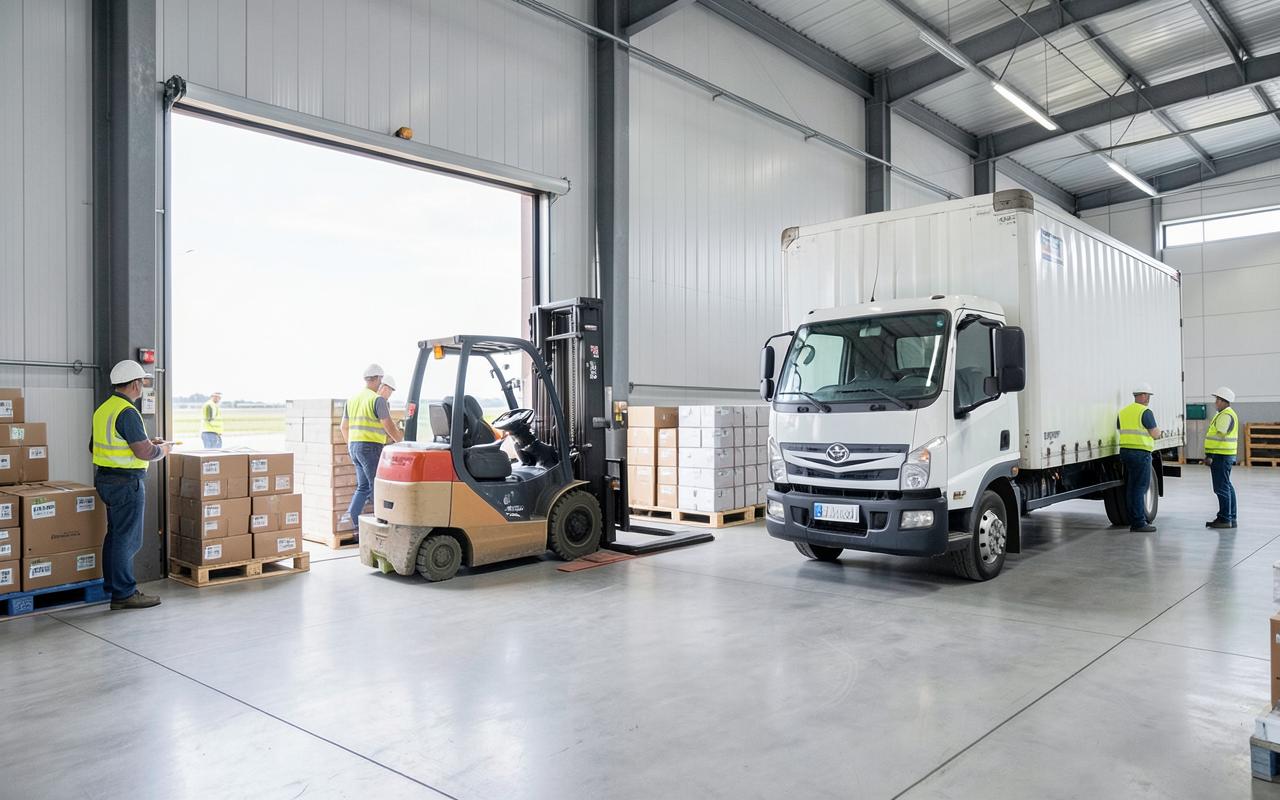
Good planning also means confirming who is responsible for loading and unloading. Many Ontario warehouses have their own forklift operators and expect the carrier's truck to simply back in and wait, while others expect the driver to assist. Getting this wrong on the day of the move causes delays and, in some cases, extra handling that increases the risk of damage.
What to confirm before booking
A short pre-booking checklist prevents most of the problems that show up on move day. It applies whether the freight is moving across town or across the province.
- Dock height and door dimensions at both locations
- Whether a delivery appointment or scheduling window is required
- Who provides the forklift or pallet jack at each end
- Total weight, pallet count and whether goods are stackable
- Any receiving paperwork, PO numbers or reference numbers each site requires
- Contact person and phone number for both pickup and delivery
Loading, transit and receiving
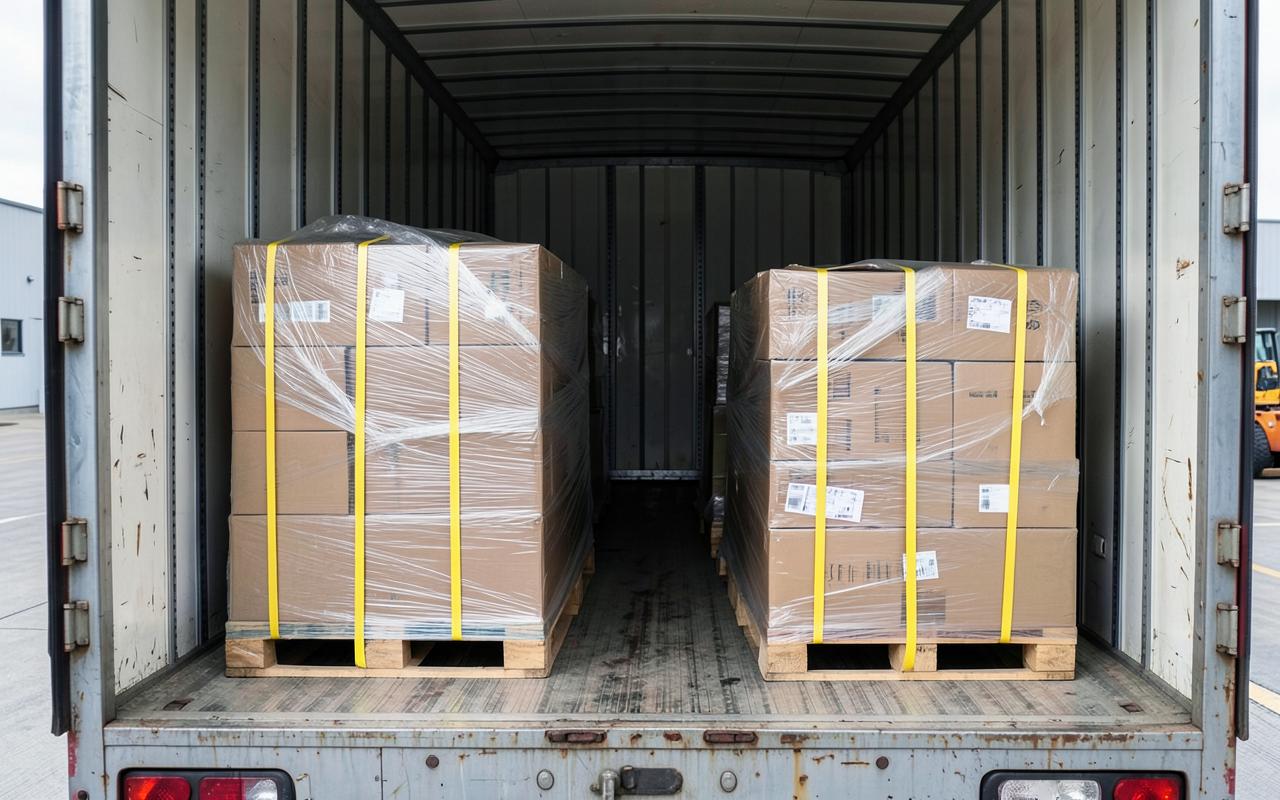
On pickup day, the crew or driver confirms the piece count against the bill of lading before the truck leaves. Freight is secured with E-track and logistics straps so it does not shift in transit, particularly important on mixed loads with different box sizes or partial pallets.
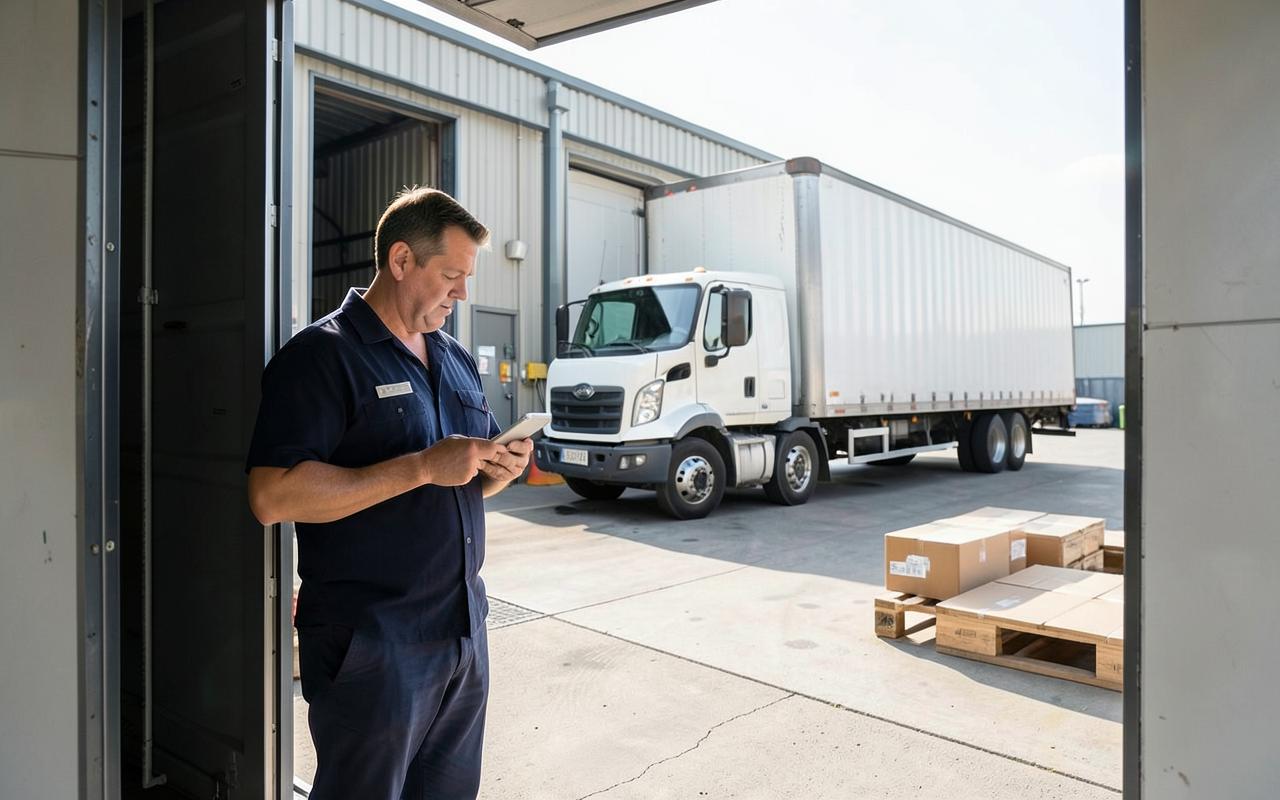
During transit, the driver's job is straightforward: keep the freight secure, arrive within the agreed window, and communicate if anything changes. For last mile delivery style scheduling — where receivers want a call or text ahead of arrival — the same courtesy applies to warehouse deliveries, since receiving staff often have limited windows to unload.
On arrival, the receiving warehouse checks the freight in against their own paperwork, notes any damage or shortages immediately, and signs for the delivery. This is the point where proof of delivery, including photos where appropriate, protects both the shipper and the receiver if a dispute comes up later, and it is a good moment to review how dock-to-dock delivery works step by step.
Scheduling and appointment coordination
Many distribution centres and larger warehouses run on strict appointment systems, especially those serving big-box retailers or national accounts. Missing a scheduled window can mean the truck sits in a queue or gets turned away entirely, so confirming appointment requirements early is essential.
For businesses that move freight on a predictable schedule, working with a carrier who understands freight delivery appointment scheduling reduces friction. A regular route also lets both the shipping and receiving warehouse plan their own dock staff around the truck's expected arrival, rather than treating each shipment as a one-off.
Recurring shuttle lanes and 3PL transfers
Businesses running frequent volumes between the same two points often find it worthwhile to set a semi-fixed schedule with their carrier rather than booking each shipment individually. This works well for manufacturers feeding a nearby 3PL warehouse, or distributors balancing stock between a primary and secondary storage facility.
3PL-to-3PL transfers deserve a bit more attention on the paperwork side, since inventory systems on each end may not match. Clear labelling, accurate piece counts, and a receiving contact who can confirm quantities on arrival all help these transfers close out cleanly without inventory discrepancies.
Avoiding the most common warehouse-to-warehouse mistakes
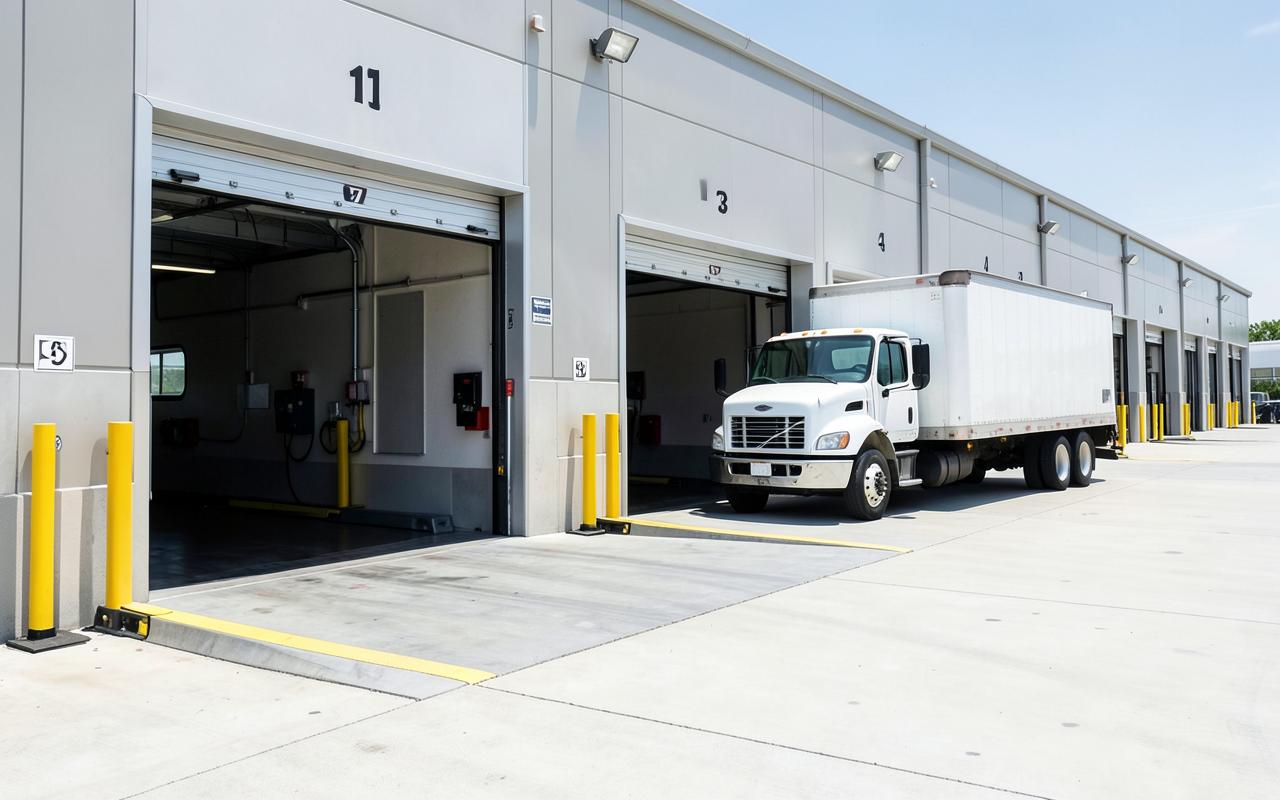
The most frequent issue is a mismatch between what the shipping location assumes and what the receiving location expects — for example, assuming the receiving dock has a forklift on standby when it does not. The second most common issue is incomplete paperwork, which slows down receiving even when the freight itself arrives in good shape.
A short pre-move call between both facilities, even a five-minute one, resolves most of these issues before they become a delay on the day of the move.
- Confirm forklift or lift gate needs at both ends, not just one
- Match reference numbers and PO details before the truck leaves
- Build in buffer time for dock congestion during peak receiving hours
- Photograph freight condition at pickup, not just at delivery
- Reconfirm the appointment window a day ahead for larger shipments
Planning your next warehouse-to-warehouse shipment
Warehouse-to-warehouse freight delivery in Ontario is largely a scheduling and communication exercise once the right equipment is in place. Straight trucks with power lift gates and E-track handle most palletized loads between commercial facilities, and clear confirmation of dock details on both ends avoids the majority of delays.
Whether it is a one-time inventory transfer or a recurring shuttle route across the service area, the same principles apply: confirm dock access, agree on loading responsibilities, and keep paperwork consistent. If your business needs freight moved between two Ontario facilities, request a quote and we will work out the scheduling details with both locations.
Frequently asked
- What size of load works best for warehouse-to-warehouse delivery?
- It depends on the equipment used, but straight trucks with lift gates typically handle multiple pallets efficiently. Smaller transfers of one or two pallets can move in a cargo van, while larger volumes may need multiple trips or a larger vehicle.
- Do both warehouses need a loading dock?
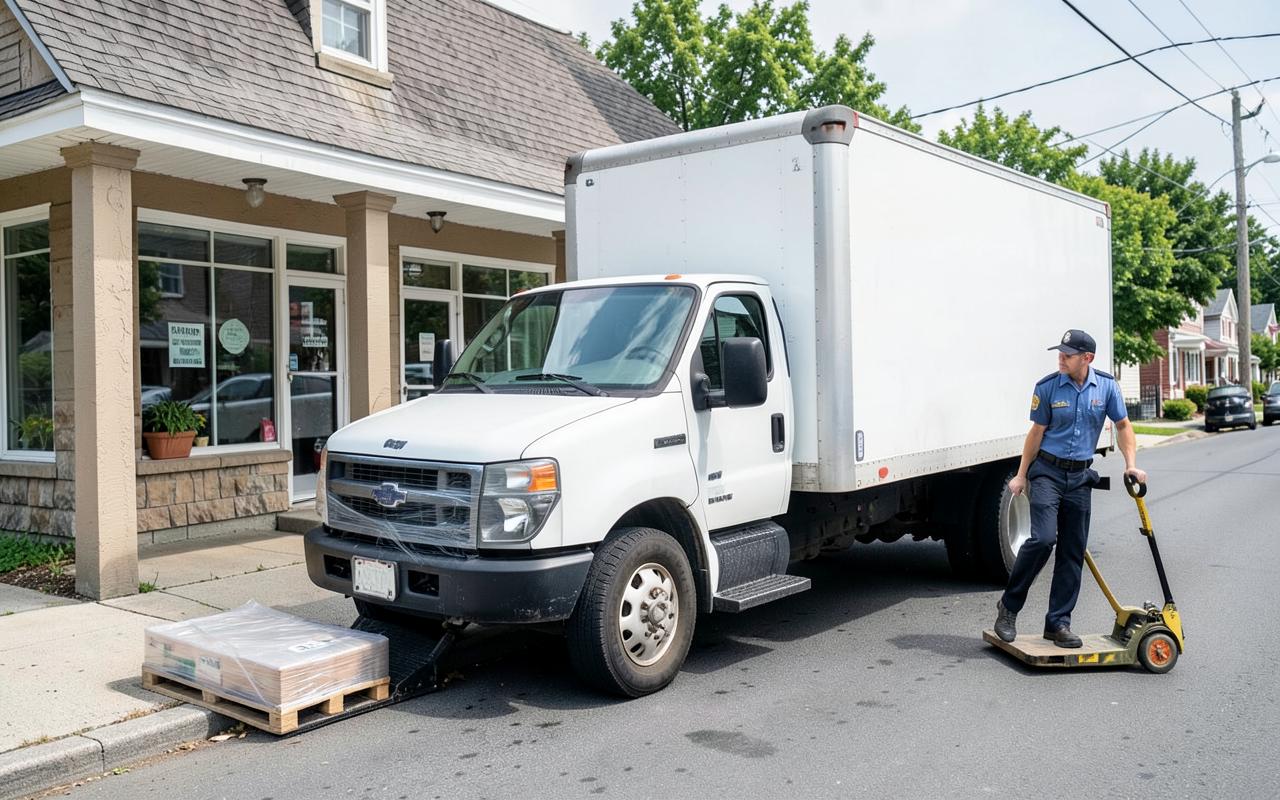
- Not necessarily. Many facilities use lift gates or forklifts at ground level instead of a raised dock. What matters most is confirming in advance what equipment each location has available so the truck and crew are prepared.
- How far in advance should I book a warehouse-to-warehouse move?
- For one-time moves, a few days' notice is usually enough, though larger or multi-stop shipments benefit from more lead time. Recurring lanes are best set up with a standing schedule agreed with your carrier.
- Can inventory be split across two deliveries?
- Yes, split shipments are common when one facility cannot receive the full volume at once or when overflow storage is being drawn down gradually. This should be planned with both receiving teams ahead of time.
- What happens if the receiving warehouse is not ready when the truck arrives?
- This is why appointment scheduling matters. If a dock is occupied, the truck may need to wait or be rescheduled, which is why confirming windows in advance reduces the chance of delays.
Services in this article
More warehouse & distribution guides
More from the commercial freight series
- What Is Dock-to-Dock Delivery? A Complete Guide for Ontario Businesses
- Dock-to-Dock vs. Curbside Delivery: Which Is Right for Your Business?
- Commercial Freight Delivery Between Toronto and Eastern Ontario
- Belleville Freight Delivery: Connecting Warehouses, Suppliers and Businesses
- Kingston Commercial Freight Delivery: A Guide for Local Businesses
- LTL vs. Dedicated Truck Delivery: Which Option Saves Your Business Money?
Move inventory between warehouses reliably
From one-time inventory transfers to recurring shuttle lanes, Quinte Express coordinates warehouse-to-warehouse delivery across Ontario with clear scheduling and proof of delivery. Request a quote and tell us about your route and volumes.