Part of our commercial freight series. Start with the guide to dock-to-dock freight delivery in Ontario.
Warehouse & Distribution
Manufacturer-to-Warehouse Delivery Across Ontario
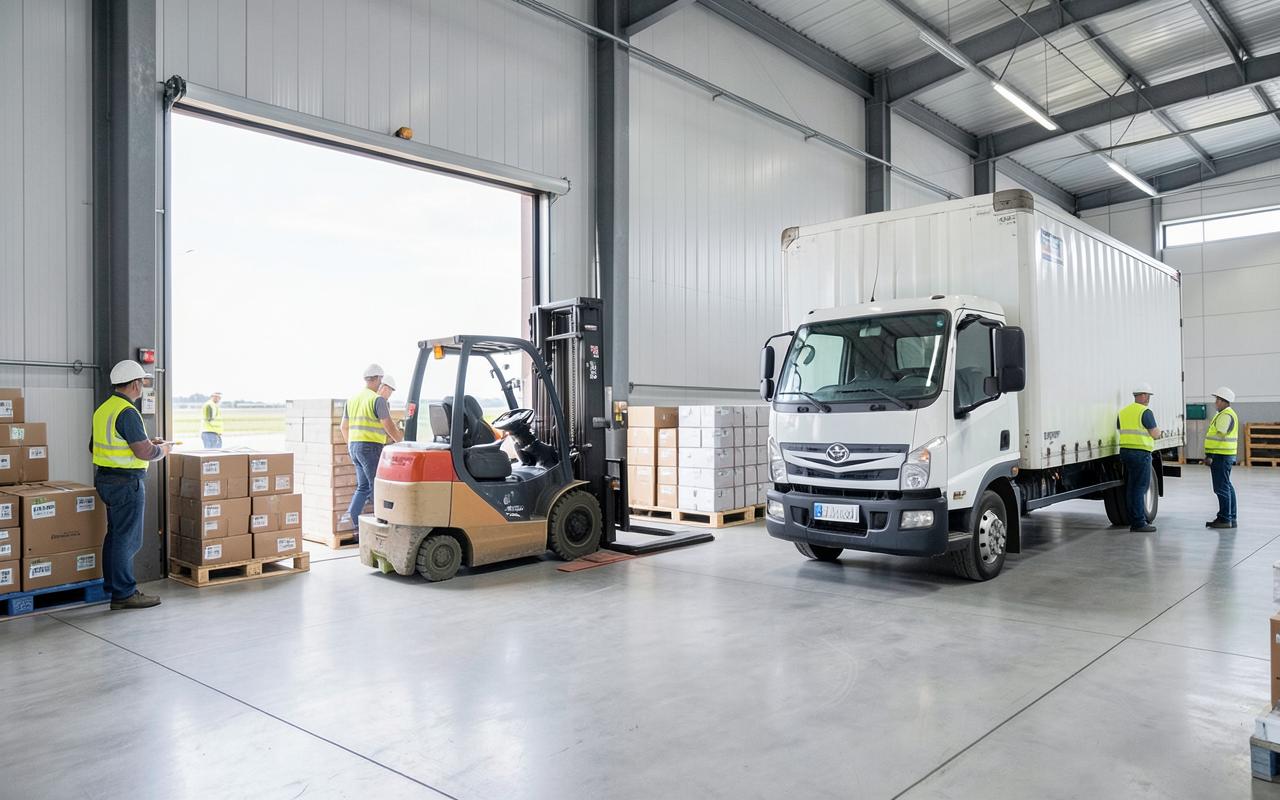
Moving finished goods and components from a production floor to a warehouse or 3PL is a routine but exacting part of manufacturing. Here is what manufacturer to warehouse delivery involves across Ontario.
Where manufacturing meets distribution
Manufacturer to warehouse delivery is the link between a production floor and the rest of the supply chain. Whether the destination is a company's own distribution centre, a third-party logistics warehouse, or a retail partner's inbound dock, this movement of finished goods and components is one of the most consistent transportation needs a manufacturer has.
Unlike a one-off commercial shipment, this kind of freight is usually planned around a production schedule rather than a single order. Getting the transportation side right means treating it as part of the manufacturing process itself, not an afterthought once goods are ready to leave the building. If you are newer to commercial freight, our guide to dock-to-dock freight delivery in Ontario covers the fundamentals this article builds on.
Production schedules and shipping cut-offs
Manufacturing runs on schedules, and shipping needs to align with them. A shipment that misses its planned cut-off time can back up the next day's production if incoming components are delayed, or it can leave finished goods sitting in a staging area longer than necessary, tying up floor space that is needed for the next run.
Coordinating pickup times with a plant's actual shipping cut-off, rather than an approximate window, keeps this part of the process predictable. Manufacturers that ship the same volume on a regular cadence benefit from setting a standing pickup time that matches when freight is realistically staged and ready.
Preparing freight for outbound shipment
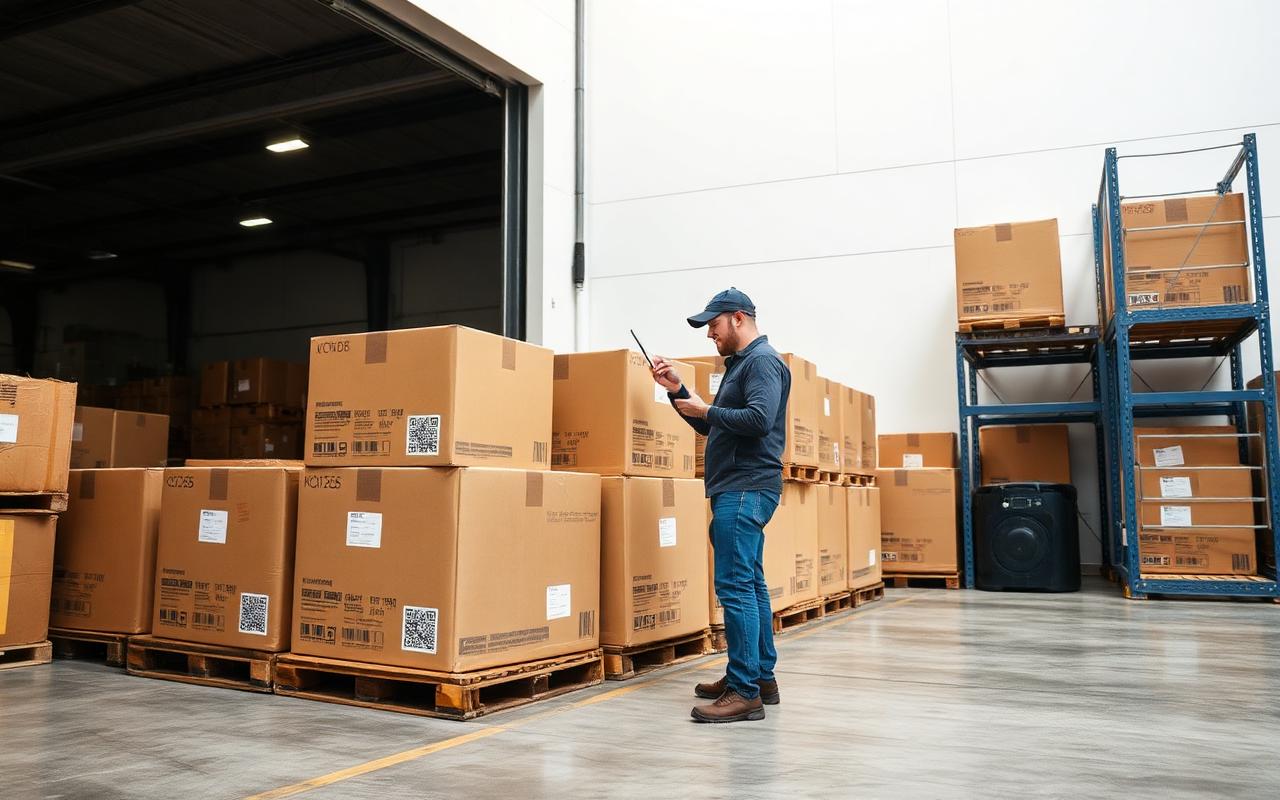
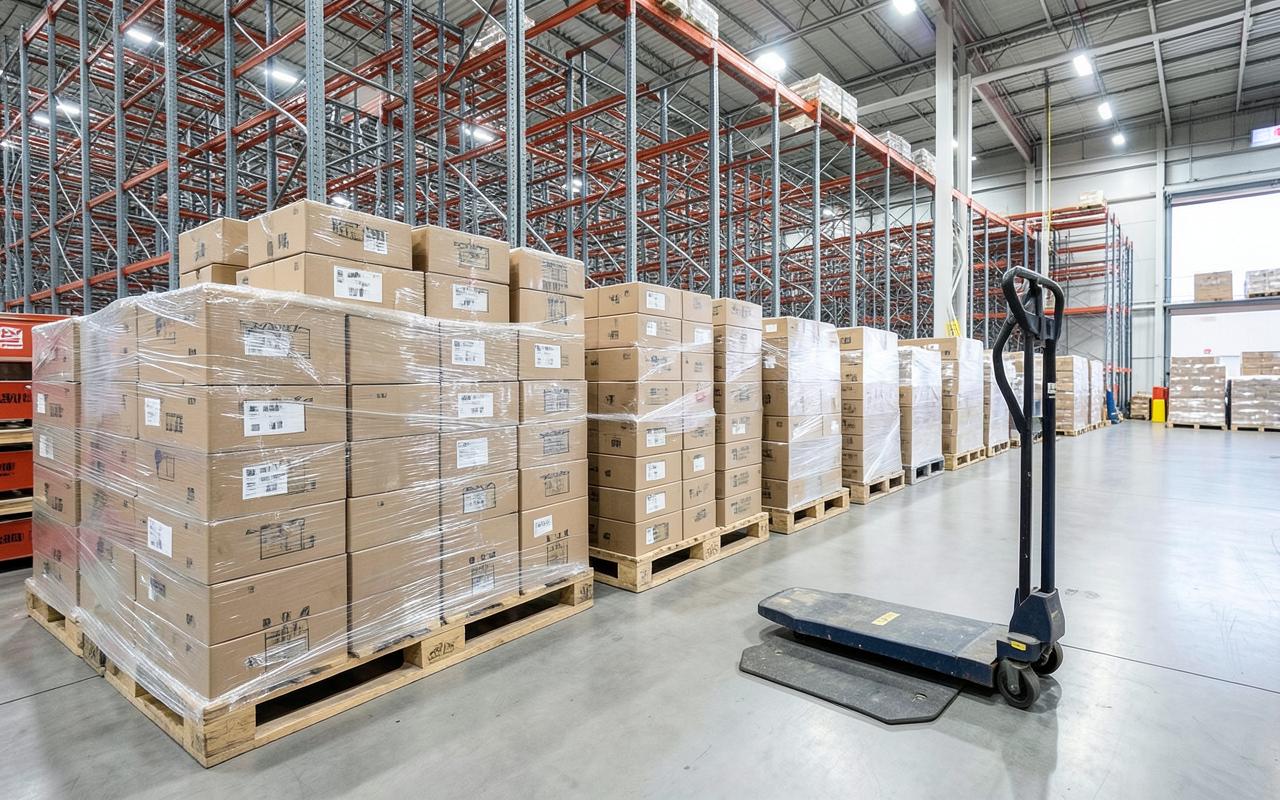
Finished goods and components generally move on pallets, which makes standard freight preparation practices apply directly to manufacturer to warehouse delivery. Proper stacking, secure stretch wrapping and clear labelling reduce handling time at both ends and lower the risk of damage in transit.
- Build pallets to a stable, even height with heavier items on the bottom
- Wrap securely and consistently, especially for components with sharp edges or irregular shapes
- Label each pallet with destination, PO number and any handling notes
- Match pallet weight to what the receiving warehouse's equipment can handle
- Keep component pallets separate from finished goods pallets where possible
Warehouse receiving: ASNs and PO matching
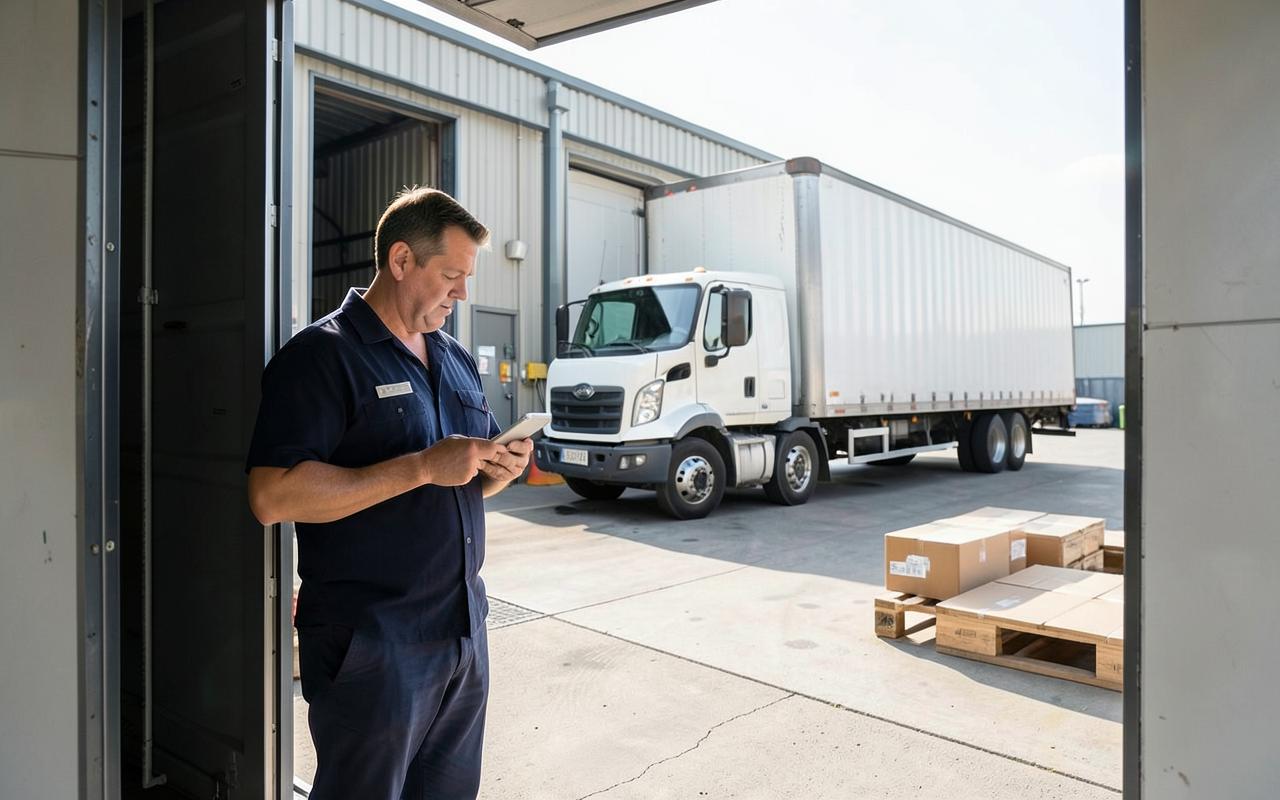
Warehouses and 3PLs generally expect more structured documentation than a typical commercial delivery. Advance shipping notices (ASNs) let the receiving warehouse know what is coming and when, so staff and equipment can be ready before the truck arrives rather than reacting to it.
Once freight arrives, receiving staff typically match the delivered pallets against the purchase order or ASN, confirming counts and flagging any discrepancy immediately. This matching process is a normal part of warehouse-to-warehouse and manufacturer-to-warehouse freight delivery, and it works best when the shipper's paperwork is accurate and arrives ahead of the truck.
What warehouses typically ask for
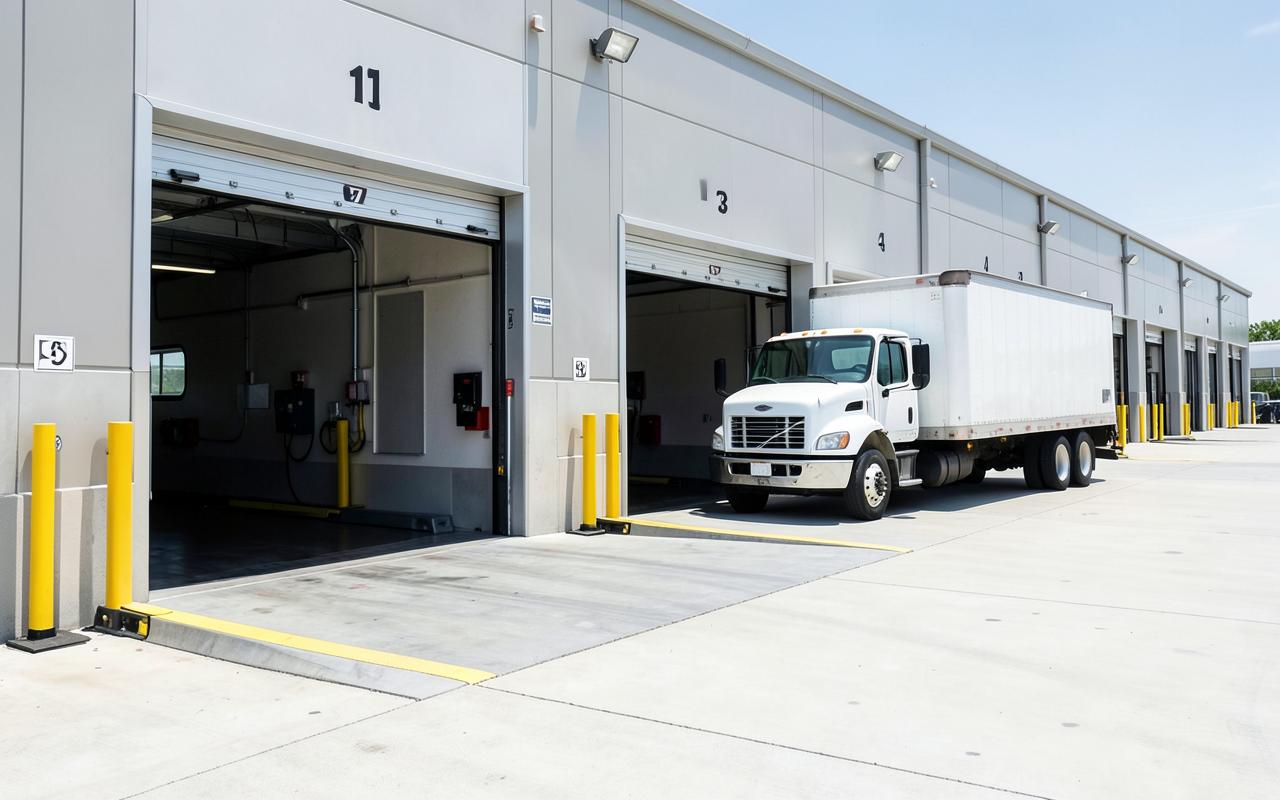
Most receiving warehouses want an advance notice of pallet count, weight and estimated arrival time, along with a packing list that matches the physical freight exactly. Discrepancies between paperwork and delivered goods are one of the most common causes of delay at a warehouse dock.
Delivery appointments and recurring shuttles
Many manufacturer to warehouse relationships operate as a recurring transportation arrangement rather than a series of individual bookings. A manufacturer producing a steady volume of goods for a distribution centre or 3PL may run a daily or weekly shuttle, moving a consistent load on a fixed schedule.
This kind of recurring arrangement benefits both sides. The manufacturer avoids production floor congestion by clearing finished goods on a predictable schedule, and the warehouse can plan labour and dock space around a known arrival pattern rather than guessing at delivery timing.
- Set a fixed pickup and delivery window that matches production output
- Confirm the warehouse's receiving appointment system and any advance notice required
- Review volume periodically as production levels change
- Build in flexibility for occasional smaller or larger loads without disrupting the schedule
Small-batch manufacturers and short-run shipments
Not every manufacturer produces enough volume to fill a full trailer on each run. Small-batch and short-run manufacturers often have freight that does not justify a large truck, but still needs to move reliably to a warehouse or 3PL on a regular basis.
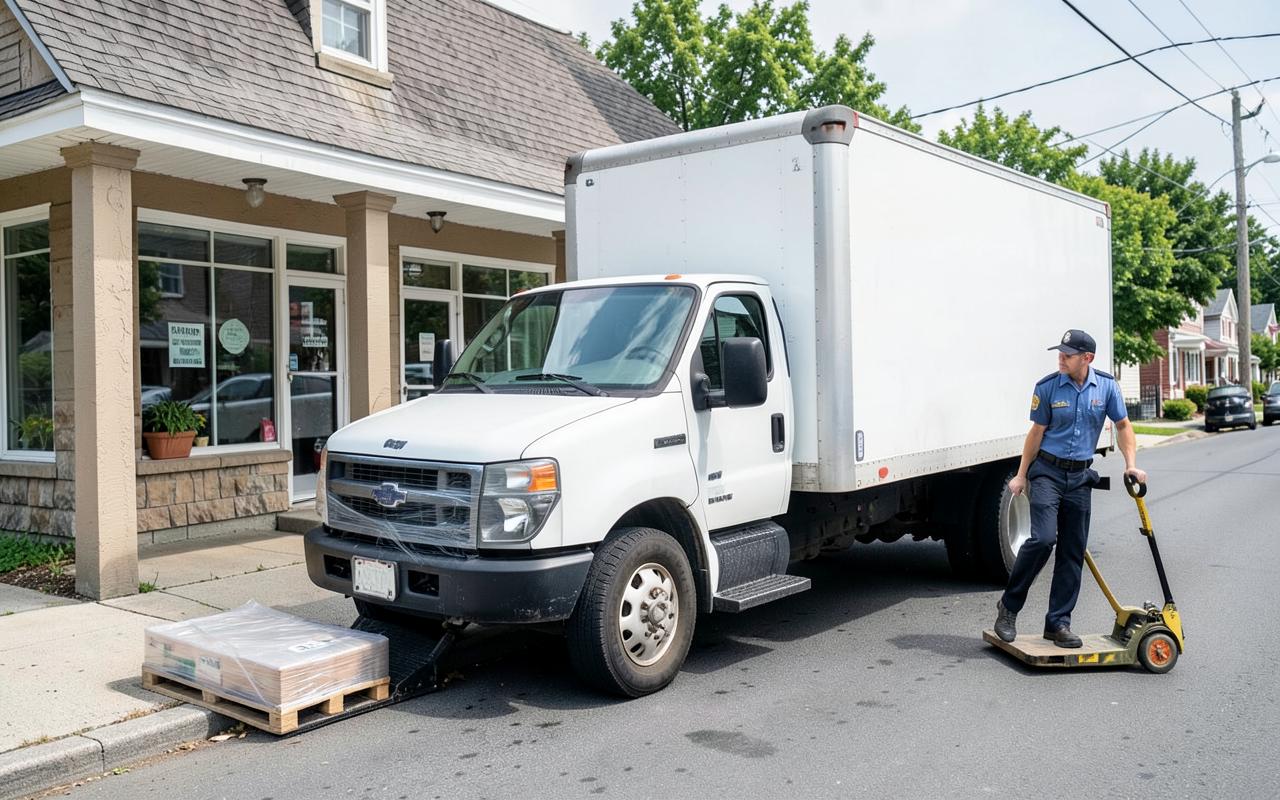
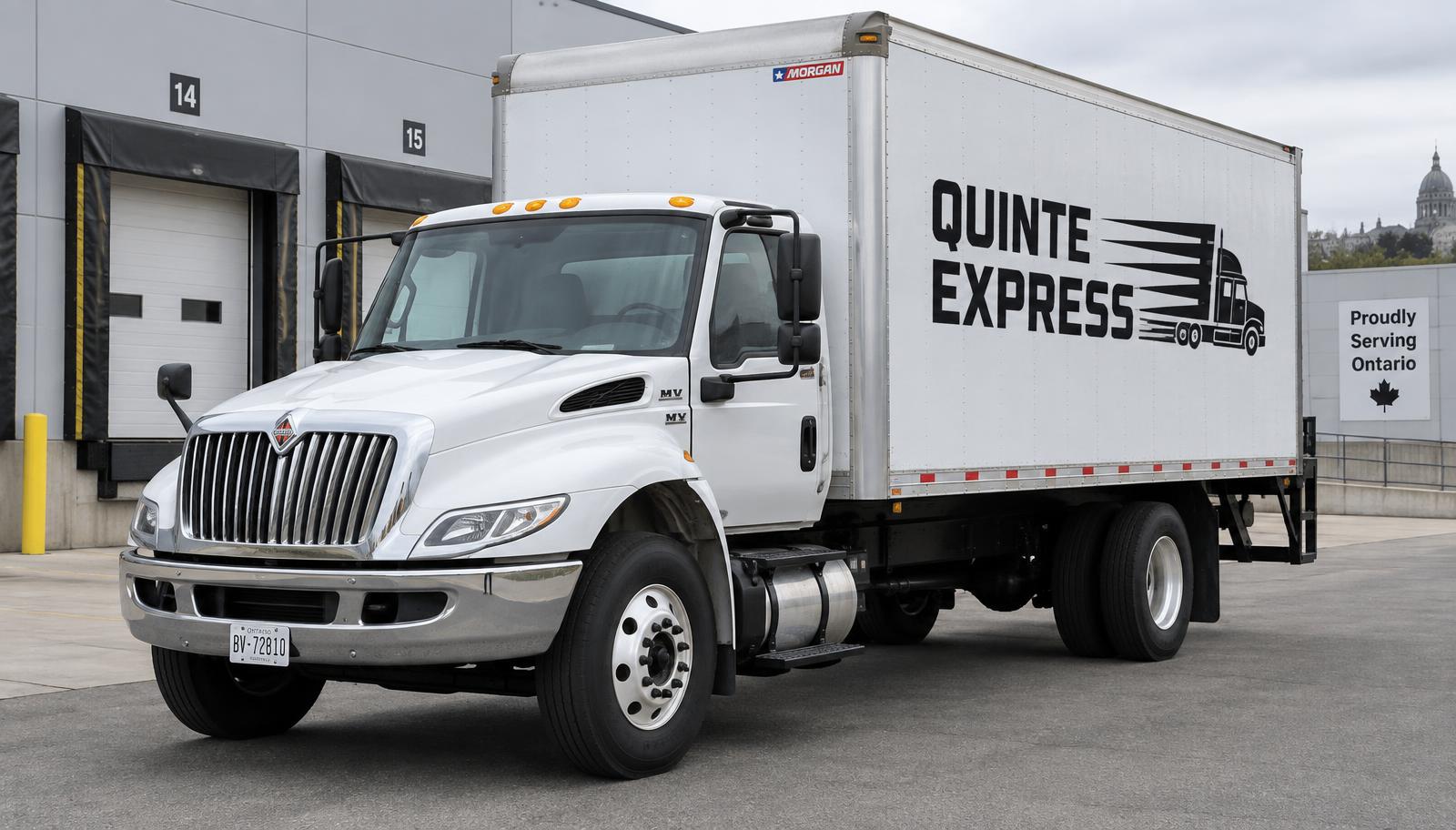
For this kind of shipper, a straight truck for partial loads is often a better fit than waiting to consolidate freight into a full trailer. A 26 ft straight truck can handle several pallets efficiently without the cost or scheduling complexity of a full tractor-trailer booking, which matters for manufacturers whose production volume varies from week to week.
Handling empty pallet and rack returns
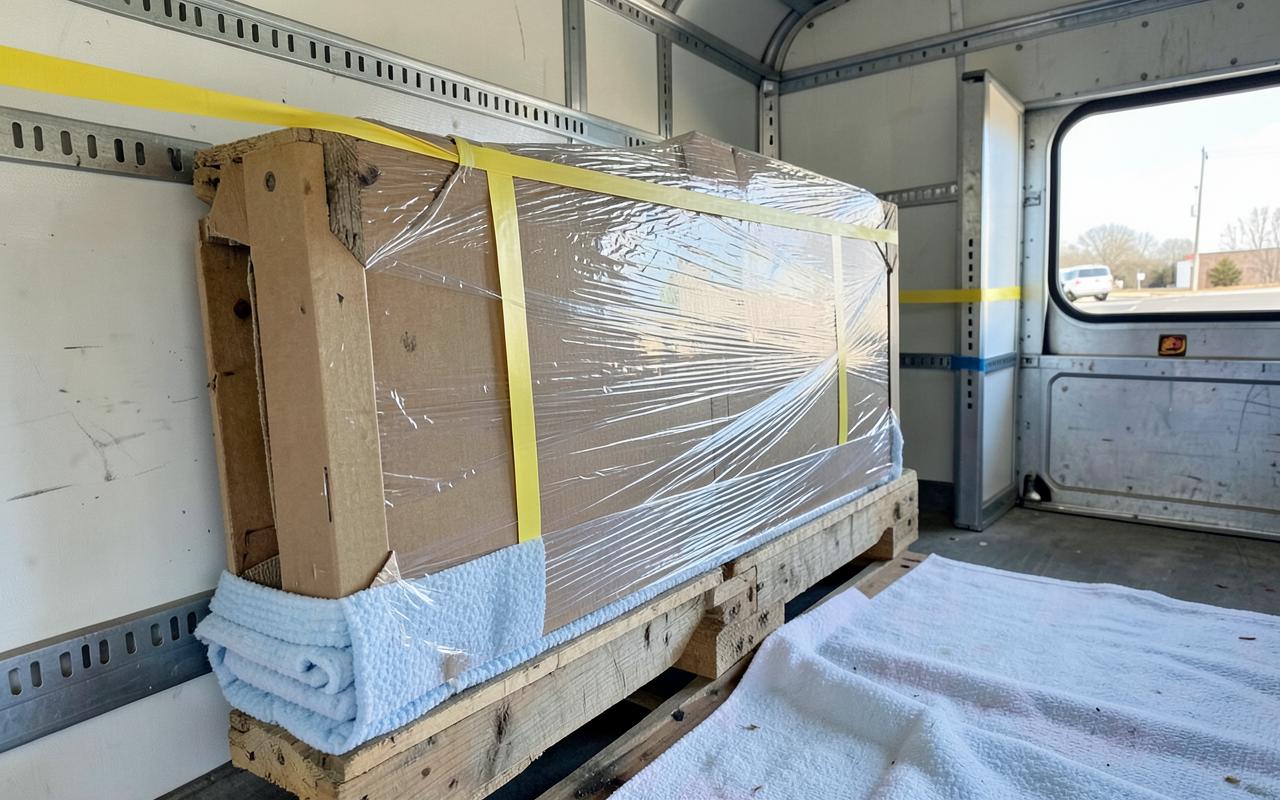
Manufacturer to warehouse delivery is not always a one-way movement. Many arrangements include returning empty pallets, racks or reusable packaging back to the manufacturer for the next production cycle, which needs to be planned into the same route rather than treated as a separate shipment. Because most 3PL and distribution warehouses run on booked receiving windows, it is worth reading why delivery appointment scheduling matters before setting up a recurring lane.
- Confirm whether pallets or racks need to be returned and on what schedule
- Track return counts the same way outbound pallet counts are tracked
- Coordinate return pickups with the warehouse's own receiving schedule
- Flag damaged pallets or racks for replacement rather than reuse
Planning a reliable manufacturer to warehouse route
Manufacturer to warehouse delivery works best when it is planned around the realities of production and receiving on both ends, rather than treated as a generic freight booking. Aligning pickup times with shipping cut-offs, preparing freight properly, and giving the receiving warehouse accurate advance information all reduce the friction that otherwise slows this kind of shipment down. Quinte Express supports manufacturers across Eastern Ontario and beyond with recurring and one-off deliveries to warehouses and 3PLs, covering the full service area from the Belleville terminal.
If your business needs steady or occasional freight moved from a production facility to a warehouse or distribution centre, request a quote and share your typical volume and schedule so a route can be planned around it.
Frequently asked
- Do manufacturers need a full trailer load to ship to a warehouse?
- No. Small-batch and short-run manufacturers often ship partial loads that fit well on a straight truck rather than waiting to fill a full trailer. This keeps freight moving on a predictable schedule even when production volume varies.
- What is an ASN and why does a warehouse ask for one?
- An advance shipping notice tells the receiving warehouse what pallets are coming, their count and weight, and the expected arrival time. It lets staff and equipment be ready before the truck arrives, which speeds up receiving and reduces mismatches at the dock.
- Can deliveries be scheduled as a recurring shuttle instead of individual bookings?
- Yes, many manufacturers set up a daily or weekly shuttle that matches their production output, which helps both the plant and the receiving warehouse plan labour and dock space around a known schedule rather than one-off appointments.
- What happens if the delivered freight does not match the purchase order?
- Receiving staff typically flag the discrepancy immediately during the count and matching process, and it should be noted on the delivery paperwork right away so it can be resolved between the manufacturer and the warehouse without delaying the rest of the receiving process.
- Are empty pallet or rack returns handled on the same route?
- Often yes. Many manufacturer to warehouse arrangements include returning empty pallets or reusable racks on the same recurring route, which needs to be planned in advance so return counts are tracked alongside outbound shipments.
Services in this article
More warehouse & distribution guides
More from the commercial freight series
- What Is Dock-to-Dock Delivery? A Complete Guide for Ontario Businesses
- Dock-to-Dock vs. Curbside Delivery: Which Is Right for Your Business?
- How Dock-to-Dock Delivery Works From Pickup to Final Receiving Dock
- Commercial Freight Delivery Between Toronto and Eastern Ontario
- Belleville Freight Delivery: Connecting Warehouses, Suppliers and Businesses
- Kingston Commercial Freight Delivery: A Guide for Local Businesses
Move finished goods on schedule
Whether you need a recurring shuttle or an occasional partial-load shipment, we plan pickups around your production cut-offs. [Request a quote](/#quote) to set up your route.