Part of our commercial freight series. Start with the guide to dock-to-dock freight delivery in Ontario.
Dock-to-Dock Delivery
How Dock-to-Dock Delivery Works From Pickup to Final Receiving Dock
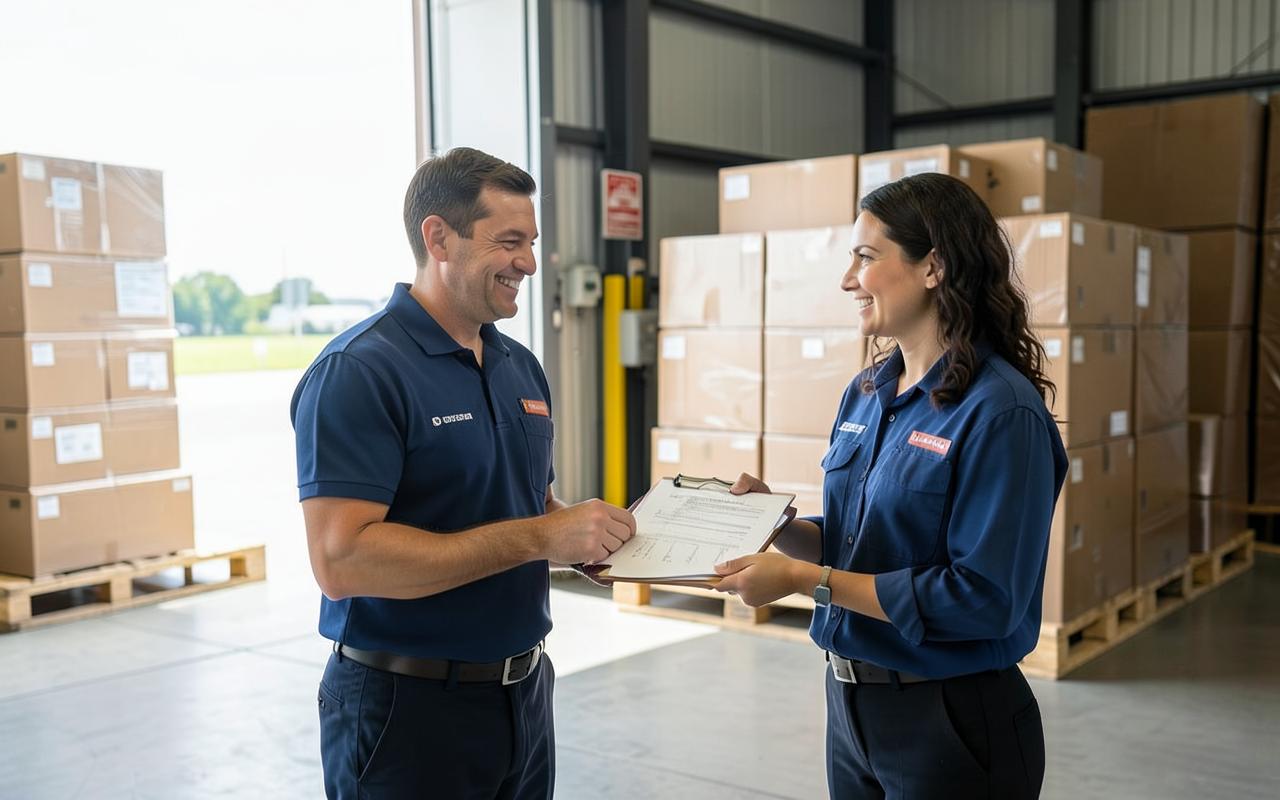
Understanding how dock-to-dock delivery works helps shipping and receiving teams plan each step correctly, from the initial booking call through to the signature at the final dock.
Booking and shipment information
Every dock-to-dock shipment starts with a booking conversation, usually a call or a quote request through the carrier's website. This is where the shipper describes what is moving, how it is packaged, and where it needs to go. For general background on this service model, see our overview of dock-to-dock freight delivery.
The information gathered at booking shapes everything that follows: the right truck, the right crew size, and whether a lift gate or forklift will be needed at either end.
Step 1: Confirm the shipment details
Shippers should be ready to provide pallet or piece count, approximate weight, dimensions if unusual, and whether the freight is stackable. Fragile or high-value items should be flagged at this stage, not discovered on pickup day.
Step 2: Confirm dock access at both ends
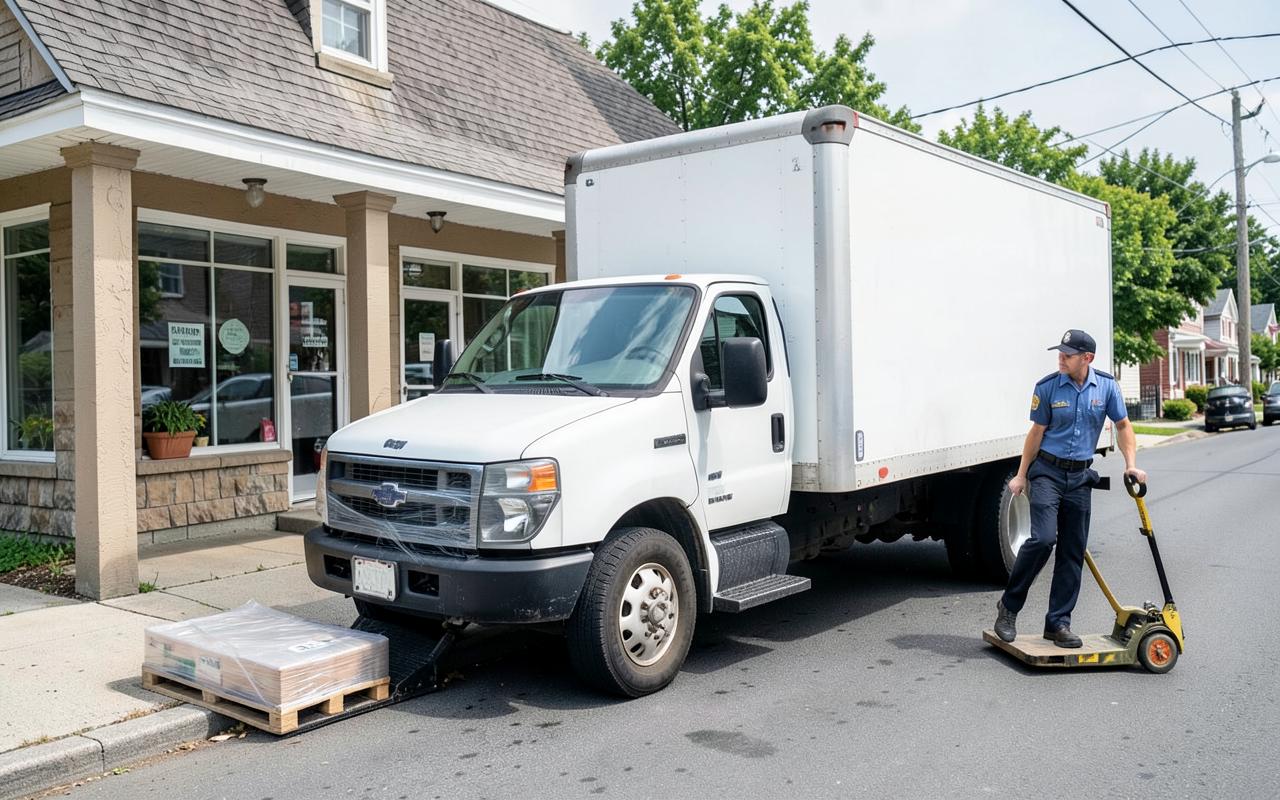
The carrier needs to know whether each location has a raised dock, a lift gate requirement, or ground-level access only. This determines equipment selection and avoids a truck showing up unable to load or unload properly.
Step 3: Schedule the pickup window
Once details are confirmed, a pickup window is scheduled. Businesses with strict receiving hours should share those hours at this stage so the delivery window at the far end can be planned around them.
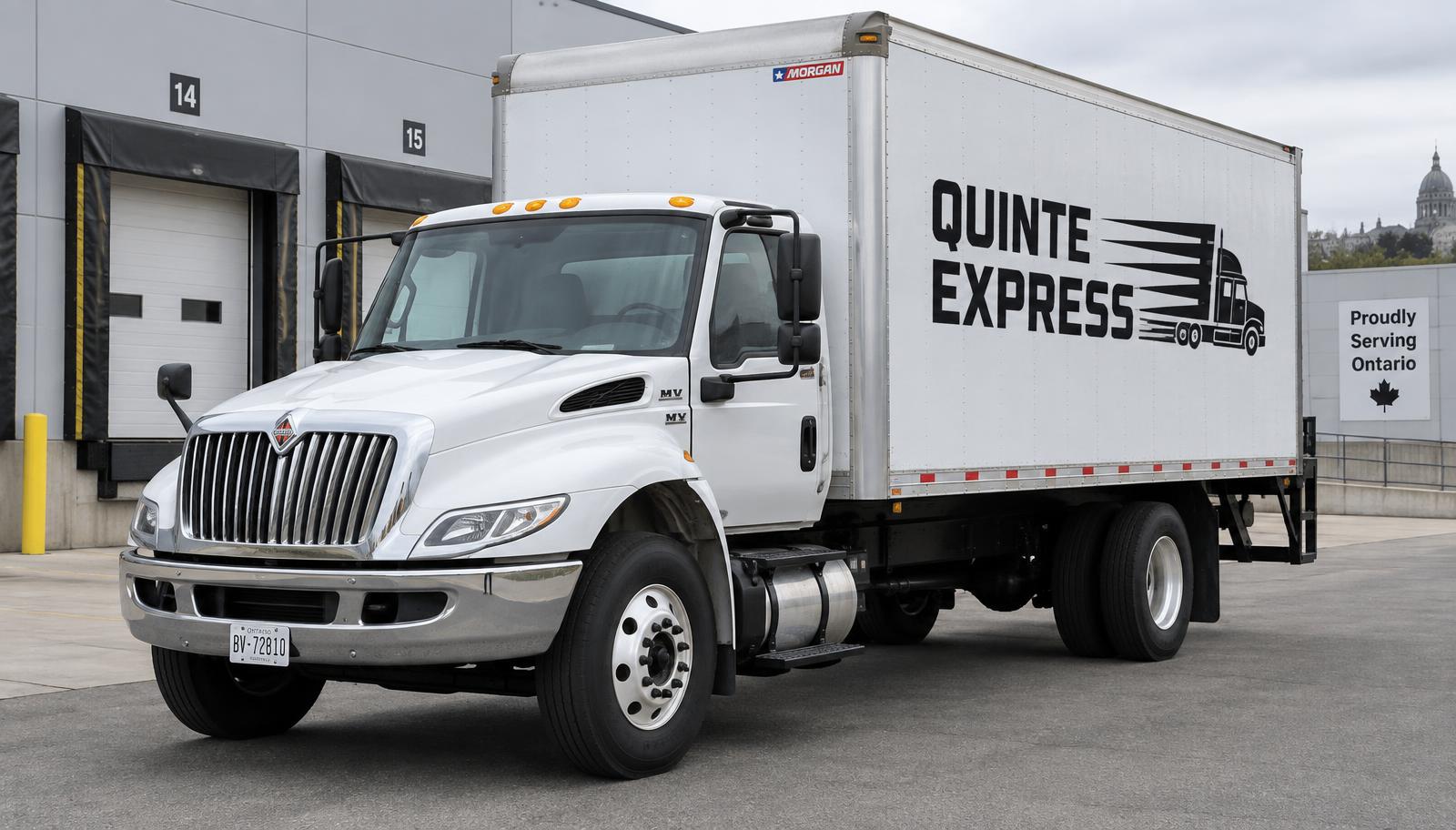
Preparing freight before the truck arrives
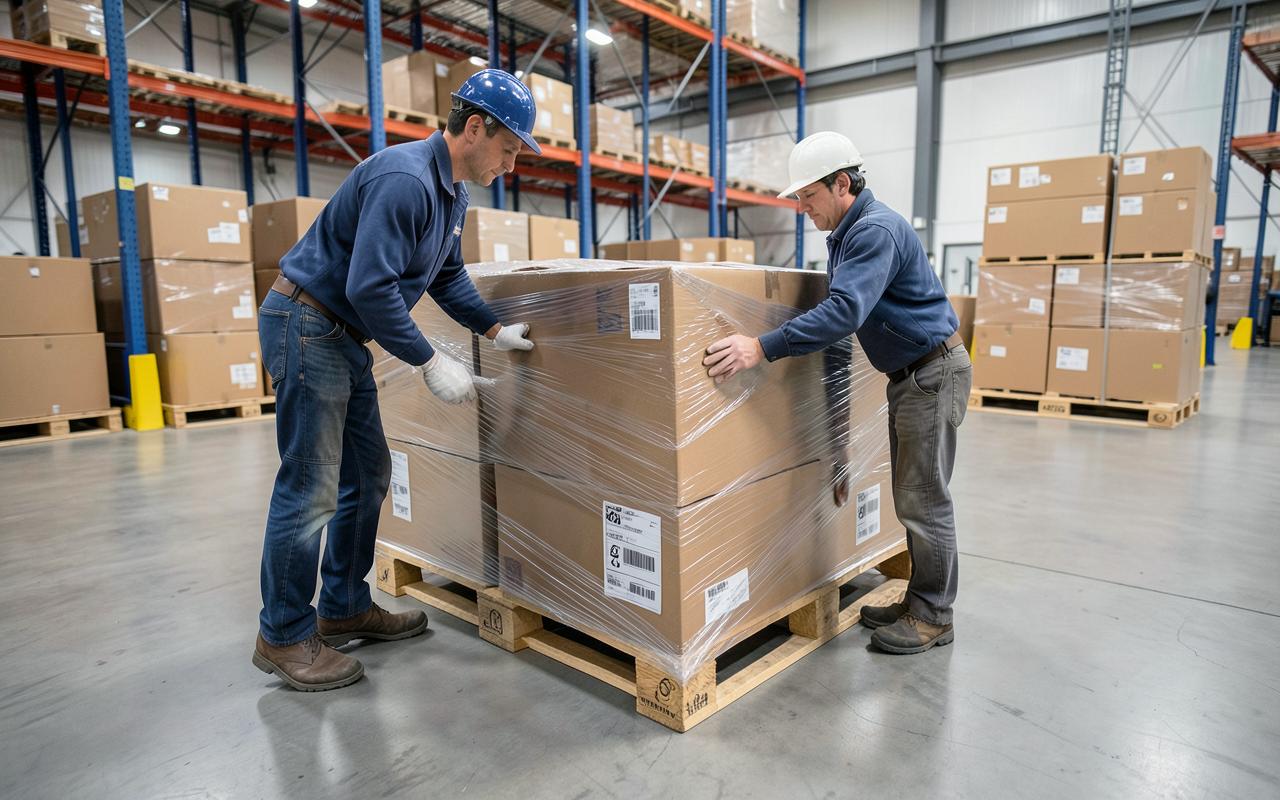
Freight preparation happens on the shipper's side before the truck is even booked to arrive. Pallets should be wrapped and stable, boxes labelled clearly with the destination and any reference numbers, and paperwork such as a bill of lading ready to hand off.
For businesses that want a full breakdown of preparation steps, see how to prepare a commercial shipment for dock-to-dock delivery. Freight that is properly wrapped, banded and labelled loads faster and travels with less risk of shifting.
Step 4: Stage the freight
Freight should be staged near the dock door or loading area ahead of the scheduled pickup time, not scattered through the warehouse. This alone can save meaningful time on pickup day.
Loading at the origin dock
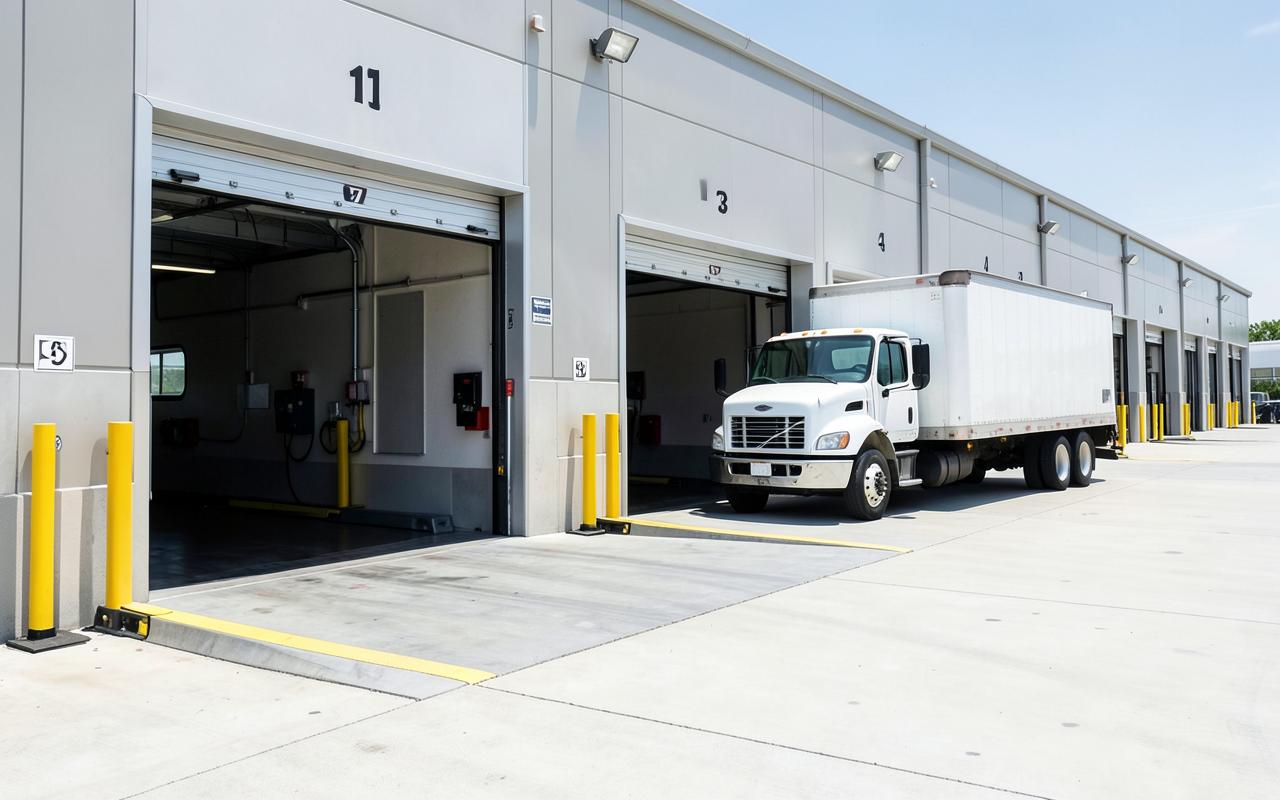
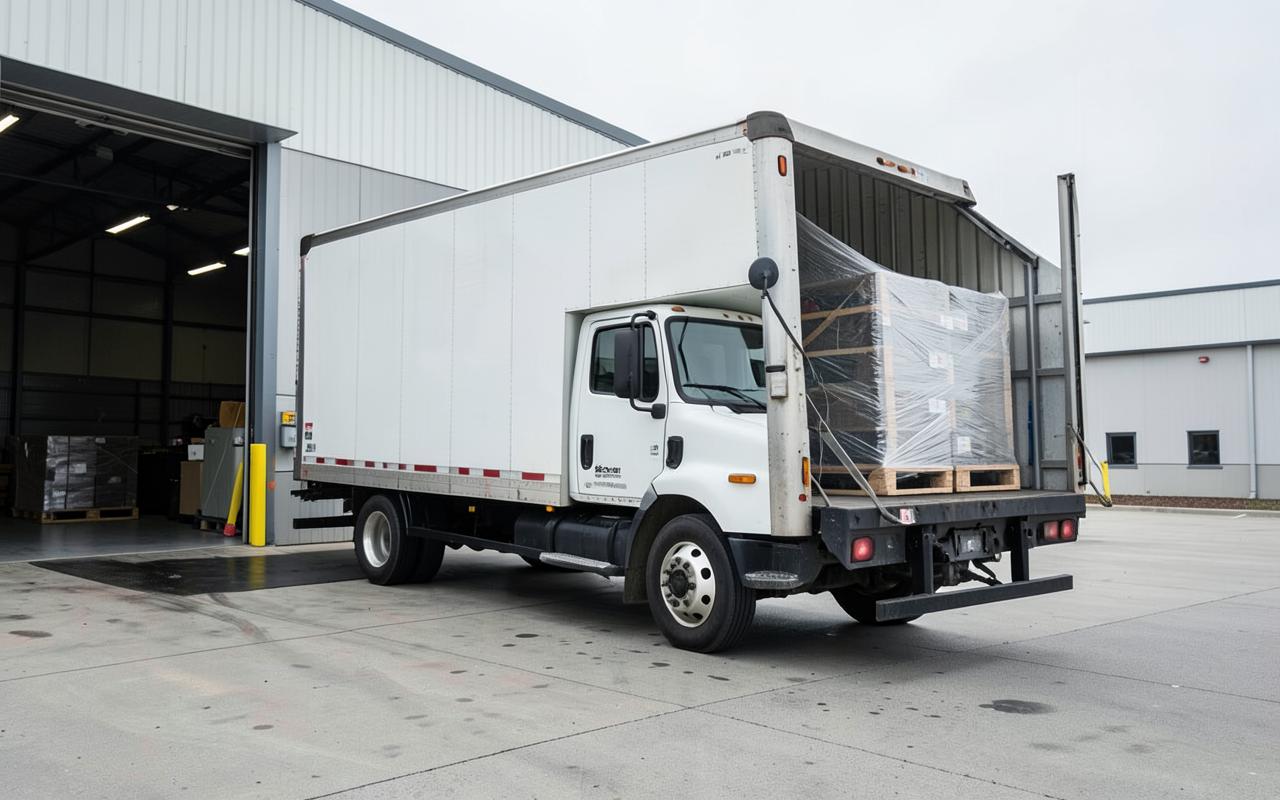
When the truck arrives, the driver or crew backs in to the dock or positions the vehicle for lift gate loading. Who does the physical loading depends on the arrangement — some shippers load their own freight with an in-house forklift operator, while others rely on the carrier's crew.
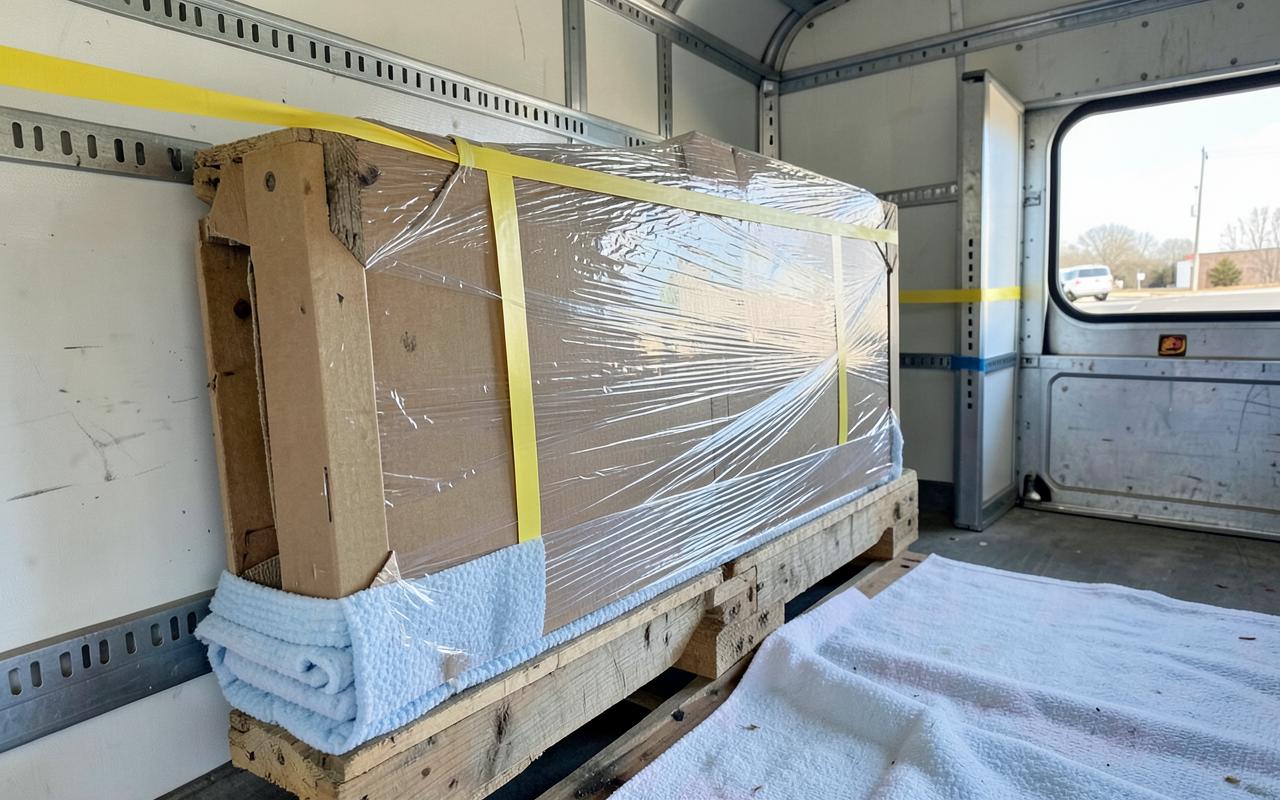
Freight is secured inside the truck using E-track and logistics straps to prevent shifting, and moving blankets or floor protection may be used for freight sensitive to scuffing. A count is confirmed against the bill of lading before the doors close.
Step 5: Load and secure the freight
Heavier or larger pallets typically go toward the front of the load, with straps applied at regular intervals. Multi-skid drops destined for several different stops — similar to the mixed loads handled under parcel courier service — are arranged in the order they will be delivered, so the last stop's freight is loaded first.
Transportation and arrival
Once loaded, the truck moves to the destination. The driver's responsibility during transit is to keep the load secure, follow the agreed route and window, and communicate promptly if conditions change — traffic, weather, or a delay at a previous stop on a multi-drop route.
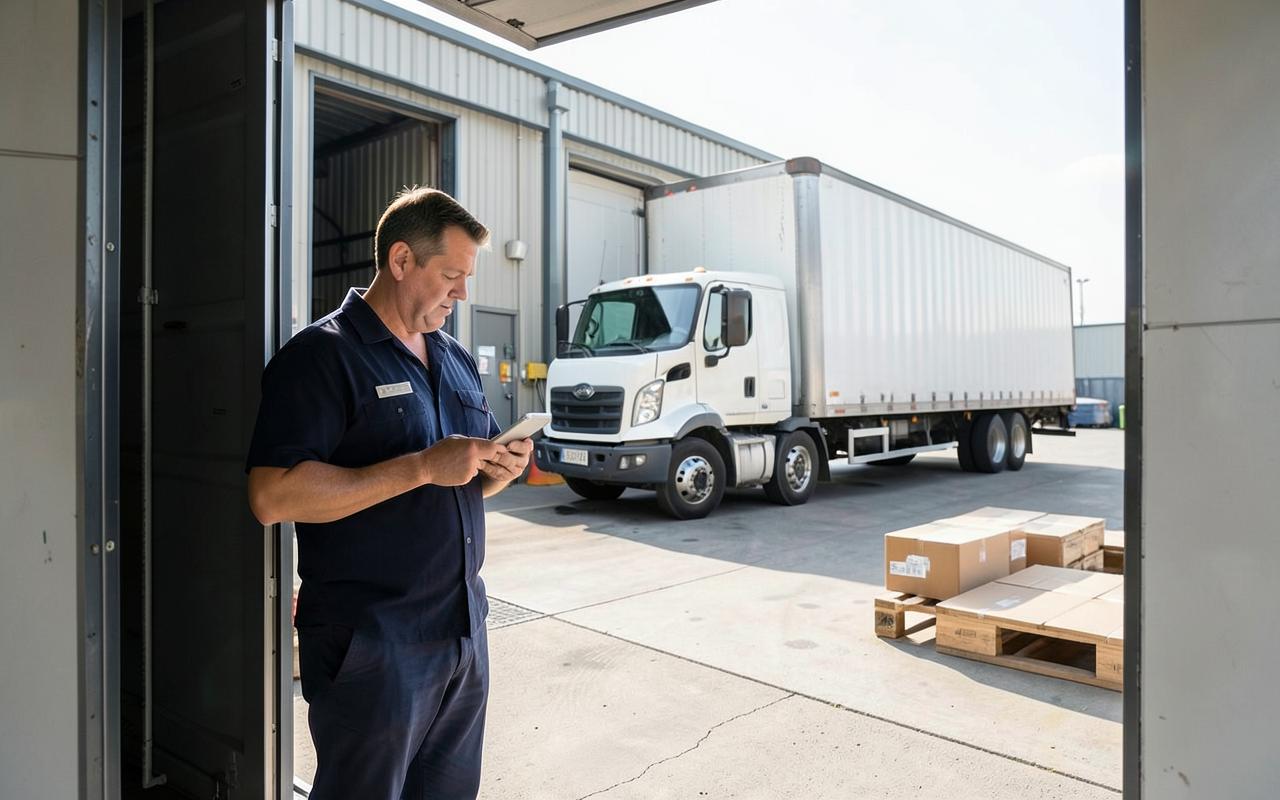
On arrival, most commercial docks require a check-in step: the driver reports to a receiving office, presents paperwork, and waits to be assigned a dock door or unloading bay.
Step 6: Arrive and check in
Facilities with appointment systems will match the driver's arrival against a scheduled booking. Arriving without an appointment at a strict facility can mean waiting behind scheduled trucks.
Unloading and receiving
At the receiving dock, freight is unloaded and checked against the paperwork by the receiving team. Any damage, shortages or discrepancies should be noted on the spot, ideally with photos, rather than after the driver has already left.
This is also where the receiving team's own resources matter: if they expect the driver to unload with a hand truck versus using their own forklift, that arrangement should already be confirmed from the booking stage. Careful handling and securement at this stage is part of how businesses can reduce freight damage during transportation.
Step 7: Unload and verify
A careful count at unloading catches shortages immediately, while the truck and driver are still on site to address them, rather than after the fact.
Step 8: Proof of delivery
The final step is proof of delivery — a signature from the receiver, often supported by photos of the freight at the dock. Any exceptions, such as a damaged pallet or a short count, should be written directly onto the delivery paperwork before it is signed.
What can go wrong at each step
Most dock-to-dock problems trace back to a gap in communication rather than a problem with the freight itself. Knowing where issues typically occur helps shippers and receivers head them off.
- Booking: incomplete shipment details lead to the wrong truck or crew size being sent
- Preparation: freight not staged or wrapped properly slows down loading
- Loading: missing or incorrect piece counts create disputes later
- Transit: freight not secured properly can shift and arrive damaged
- Arrival: missed appointment windows push the truck to the back of the queue
- Unloading: damage or shortages not noted immediately become hard to resolve
- Proof of delivery: unsigned or incomplete paperwork weakens both sides' records
Keeping the process consistent
Dock-to-dock delivery works best when the same process is followed shipment after shipment: consistent labelling, the same pickup and delivery contacts where possible, and the same expectations around loading responsibilities. Businesses that ship regularly often build this into a simple internal checklist for their team.
Freight delivery appointment scheduling plays a role here too — a driver who arrives during a confirmed window, with paperwork matching what the receiving dock expects, moves through the process far faster than one arriving unannounced.
From pickup to final receiving dock
How dock-to-dock delivery works is really a sequence of small, manageable steps — booking, preparation, loading, transit, arrival, unloading and proof of delivery — each of which is straightforward on its own but depends on clear communication with the step before and after it. Getting each stage right, from confirming dock access to noting exceptions at delivery, is what makes the whole shipment go smoothly.
Quinte Express handles each of these steps directly, from the initial booking call to the signed proof of delivery at your receiving dock. If you have a shipment moving between two commercial locations, request a quote and we will walk through each step with you.
Frequently asked
- Who is responsible for loading the truck at pickup?
- It depends on the arrangement agreed at booking. Some shippers load their own freight using in-house staff and equipment, while others rely on the carrier's crew. This should always be confirmed before pickup day.
- What documents are needed for dock-to-dock delivery?
- A bill of lading is standard, along with any reference or purchase order numbers the receiving facility requires. Having these ready at pickup speeds up both loading and receiving.
- How is damage handled if it is found at delivery?
- Damage should be noted directly on the delivery paperwork and photographed at the time of unloading, before the driver leaves. This creates a clear record for both the shipper and receiver.
- Do I need an appointment for every delivery?
- Not always, but many distribution centres and larger commercial facilities require one. Smaller warehouses may accept deliveries within general business hours without a formal booking.
- What if the receiving dock cannot take the delivery on time?
- The driver may need to wait or the delivery may need to be rescheduled. Confirming receiving hours and appointment requirements in advance is the best way to avoid this.
Services in this article
More dock-to-dock delivery guides
More from the commercial freight series
- What Is Dock-to-Dock Delivery? A Complete Guide for Ontario Businesses
- Dock-to-Dock vs. Curbside Delivery: Which Is Right for Your Business?
- Warehouse-to-Warehouse Freight Delivery Across Ontario
- Commercial Freight Delivery Between Toronto and Eastern Ontario
- Belleville Freight Delivery: Connecting Warehouses, Suppliers and Businesses
- Kingston Commercial Freight Delivery: A Guide for Local Businesses
See the process in action on your shipment
Quinte Express manages every step of dock-to-dock delivery, from booking through to signed proof of delivery. Reducing freight damage during transportation starts with a process like this one. Request a quote to get your next shipment scheduled.