Part of our commercial freight series. Start with the guide to dock-to-dock freight delivery in Ontario.
Delivery Tips
How Businesses Can Reduce Freight Damage During Transportation
Damaged freight costs more than the replacement item — it costs time, trust and rework. Here is a practical look at how to reduce freight damage during transportation, from packaging through to receiving.
Why freight damage happens more often than it should
Most freight damage is not caused by a single dramatic event. It happens through a combination of small, preventable gaps — a pallet that was not wrapped tightly enough, a strap that was skipped because the load looked stable, or a receiver who signed for a shipment without actually inspecting it. Learning how to reduce freight damage during transportation starts with recognizing that damage usually stacks up from several small failures, not one.
This matters for any business shipping palletized or boxed goods regularly, whether that is a distributor sending finished product to a retailer or a manufacturer moving goods to a 3PL warehouse. The financial cost of damaged freight includes not just the item itself, but the delay in replacing it, the credit or claim process, and the impact on the relationship with the receiving customer.
The good news is that most freight damage is preventable with attention to packaging, loading and receiving — the same fundamentals that support a smooth dock-to-dock freight delivery in the first place.
Start with proper packaging and palletizing
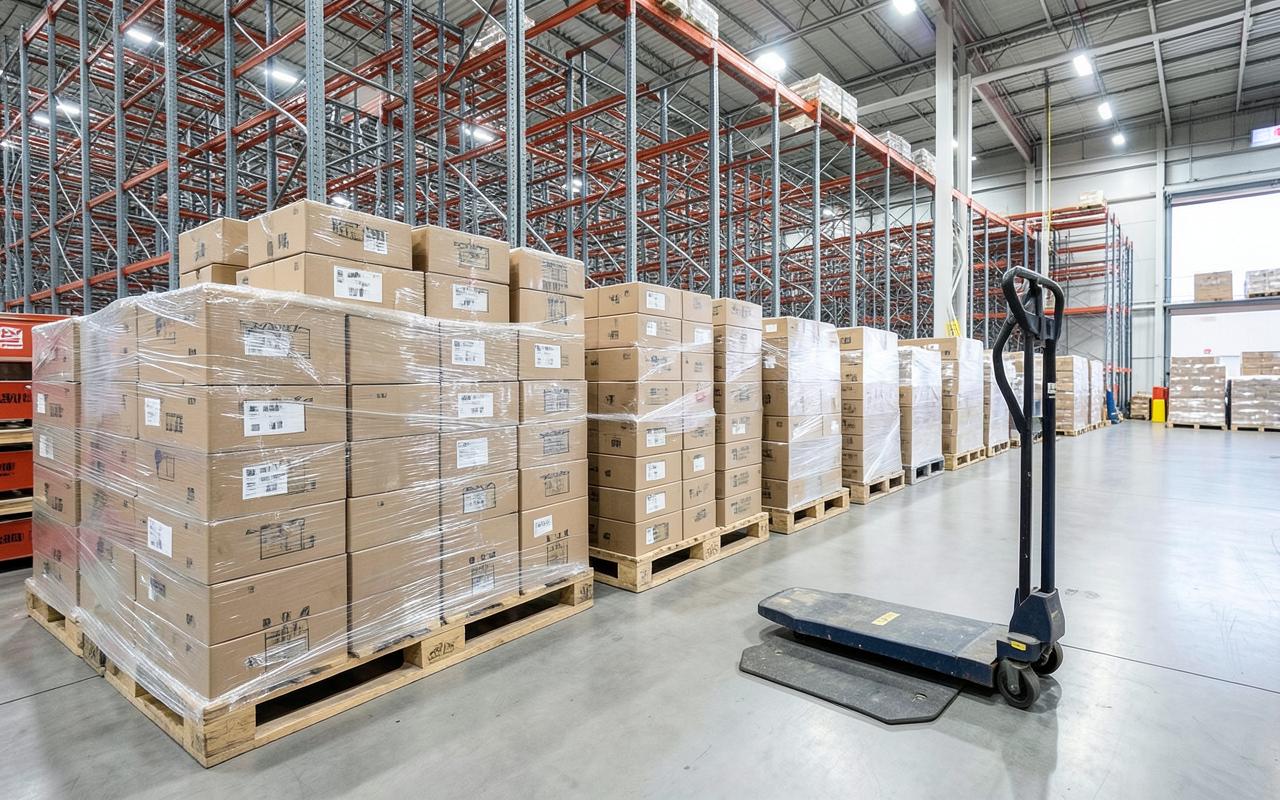
Packaging is the first and most controllable line of defence against freight damage, and it starts the same way careful pallet delivery across Ontario does. Boxes should be rated for the weight they carry, and pallets should be built so that the load is stable and centred rather than overhanging the edges. An overhanging or top-heavy pallet is far more likely to shift or tip during transit, even with careful driving.
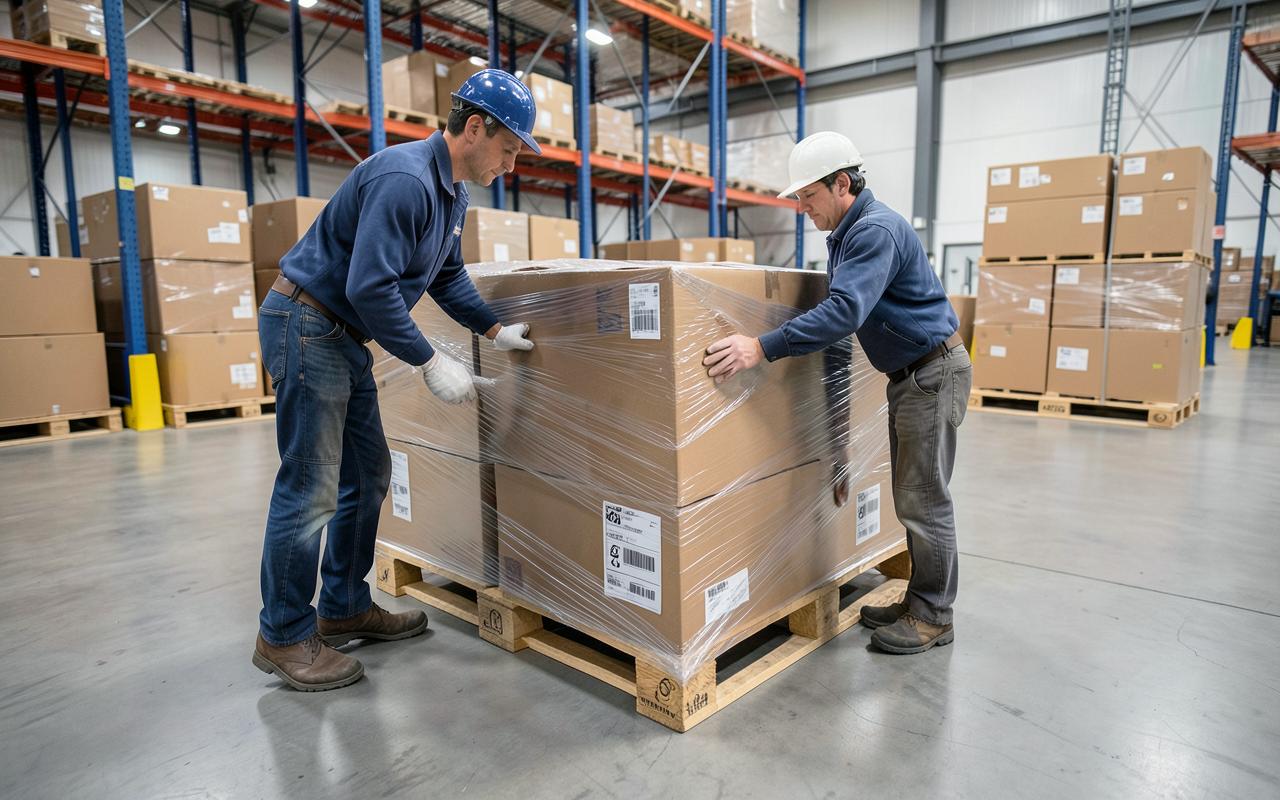
Stretch wrap and corner boards are inexpensive but effective. Wrapping a palletized load tightly, in multiple directions, keeps boxes from sliding against each other, and corner boards protect edges from crushing under strap pressure. These steps take a few extra minutes at the packing stage but prevent far more time lost to damage claims later.
For businesses that palletize regularly, it is worth treating this as a standard step in shipment preparation rather than something done inconsistently depending on who is packing that day.
- Use boxes rated for the actual weight and stacking height
- Centre the load on the pallet with no overhang
- Stretch wrap tightly in both vertical and horizontal directions
- Add corner boards to protect edges under strap tension
- Keep heavier items on the bottom of mixed pallets
Secure loading inside the truck
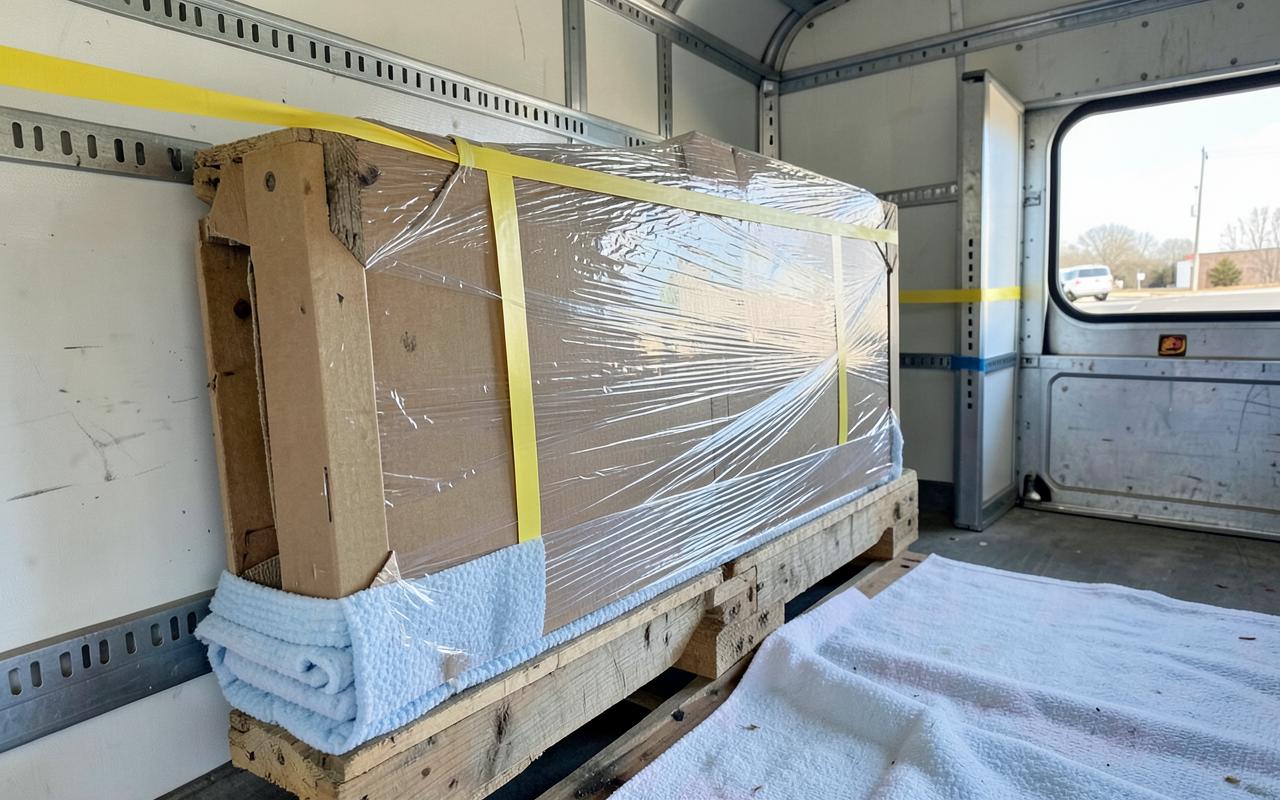
Even a well-packaged pallet can shift if it is not secured properly once it is loaded. E-track and logistics straps anchor pallets and boxed freight to the truck's rail system, preventing movement during braking, turns and highway travel. Load bars add another layer of security for smaller or irregular items that do not sit neatly against a wall.
Moving blankets are useful for protecting finished surfaces — cabinetry, furniture or anything with a visible finish — from rubbing against straps or other freight during transit. Weight should generally be distributed low and toward the front of the load, which keeps the centre of gravity stable and reduces the chance of shifting on turns.
This is the same care used for furniture transport, where blanket-wrapping and secure strapping protect finished pieces — the same principles apply to any freight that cannot afford to arrive scuffed or shifted.
Labelling that actually gets followed
A label is only useful if it changes how the shipment is handled. Fragile, this side up, and do not stack labels should be placed where they are visible from multiple angles, not just on one face of the box that could end up against a wall. Clear labelling reduces the chance that a fragile item gets stacked under something heavy simply because the handler could not see the warning.
Shipment documentation should match the labels — if a bill of lading notes special handling instructions, those same instructions should be visible on the freight itself. Mismatches between paperwork and physical labelling are a common source of confusion during loading and unloading.
Clear, consistent labelling is a small investment that pays off every time freight changes hands, especially on shipments that involve more than one handling point.
Communication between shipper, driver and receiver
Freight damage is often the result of a communication gap rather than careless handling. A driver who knows a pallet is fragile or top-heavy will naturally load and secure it more carefully than one working from a generic manifest. Sharing special handling notes before pickup — not just printing them on a label — gives the driver a chance to plan the load properly, similar to how dock-to-dock delivery works when handling instructions are clear from the start.
The same applies on the receiving end. A receiver who is told what to expect, including piece count and any special handling needs, is better positioned to inspect the shipment properly rather than signing quickly to keep the dock moving.
This kind of upfront communication is one of the reasons preparing a commercial shipment properly matters as much as the physical packaging itself.
Receiving procedures that catch damage before it becomes a dispute
Damage that is not caught at delivery is much harder to resolve later. A proper receiving procedure means inspecting the shipment before signing, not after the driver has left. That inspection should include a visual check of the packaging for crushing, tearing or moisture, and a count of pieces against the shipment documentation.
If damage or a shortage is found, it needs to be noted directly on the proof of delivery at the time of receiving, with specific detail rather than a general note. Photos taken on the spot, showing both the damage and the packaging condition, strengthen any claim considerably and remove ambiguity about when the damage occurred.
For damage that is not visible until the freight is unpacked, most carriers have a defined window for reporting concealed damage — check the specific carrier's terms, since this varies, and report promptly once it is found.
A quick receiving checklist
A consistent receiving routine catches most issues before they become disputes.
- Count pieces against the shipment paperwork
- Inspect packaging for crushing, tearing or moisture before signing
- Note any exceptions directly on the proof of delivery
- Photograph visible damage and the packaging around it
- Report concealed damage promptly per the carrier's terms
Fewer handlings, less risk
Every time freight changes hands — from truck to dock, dock to warehouse, warehouse to another truck — there is another opportunity for damage. Shipments that move through multiple terminals or get transferred between carriers accumulate risk with each handoff, even when each individual handler is careful.
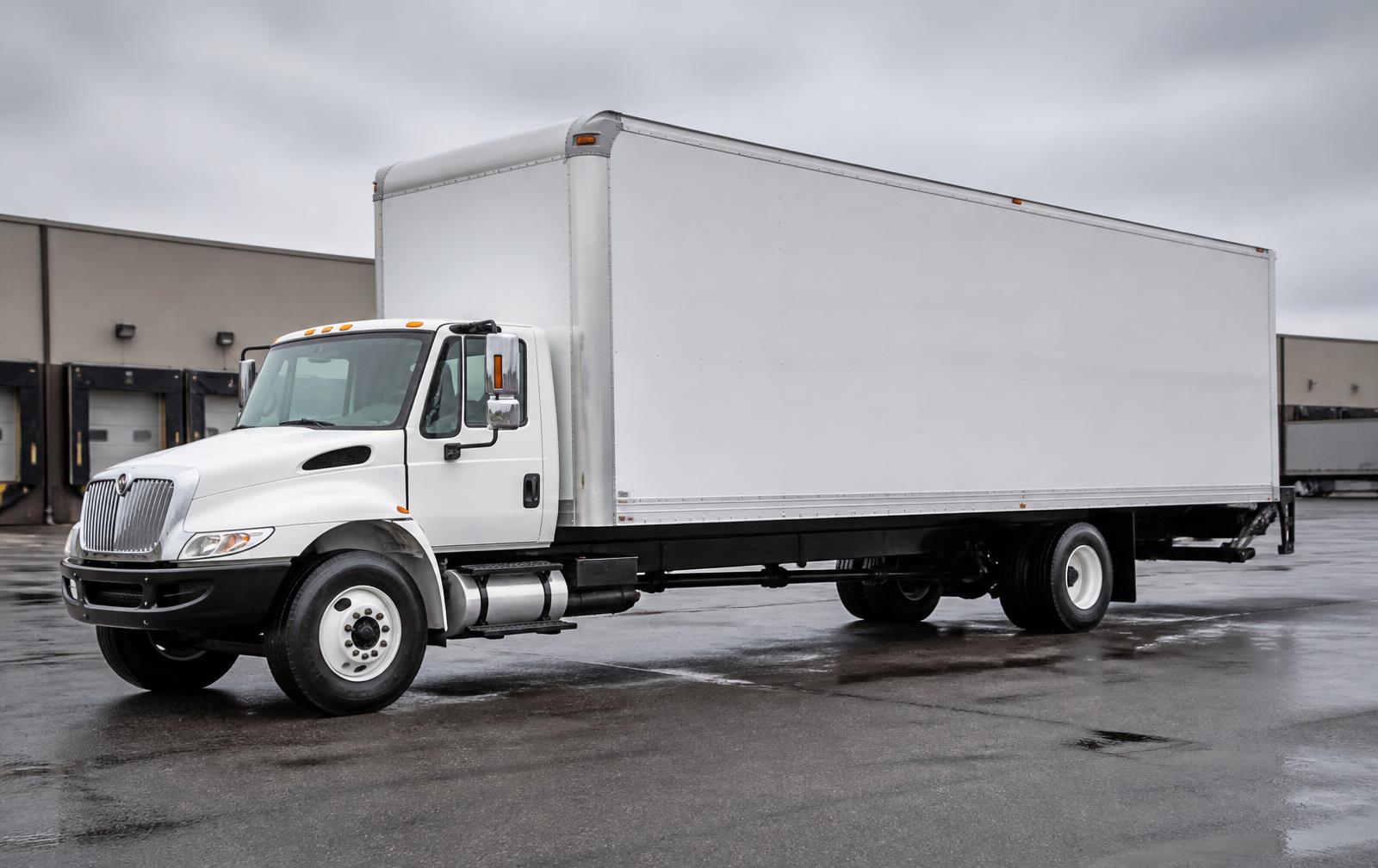
A dedicated, direct run from pickup to final delivery removes several of those handoffs entirely. Freight that is loaded once and unloaded once at its final destination has fewer chances to shift, get crushed under other freight, or be mishandled by someone unfamiliar with its contents.
This is one of the practical advantages of choosing a dedicated truck over a multi-stop LTL run for freight that is fragile, high-value or otherwise damage-sensitive.
Building damage prevention into your shipping routine
Reducing freight damage is less about any single fix and more about consistency — packaging done the same careful way every time, loads secured properly regardless of how short the trip seems, clear labels that get followed, and a receiving team that actually inspects before signing. Businesses that treat these as standard steps see meaningfully fewer damage claims over time.
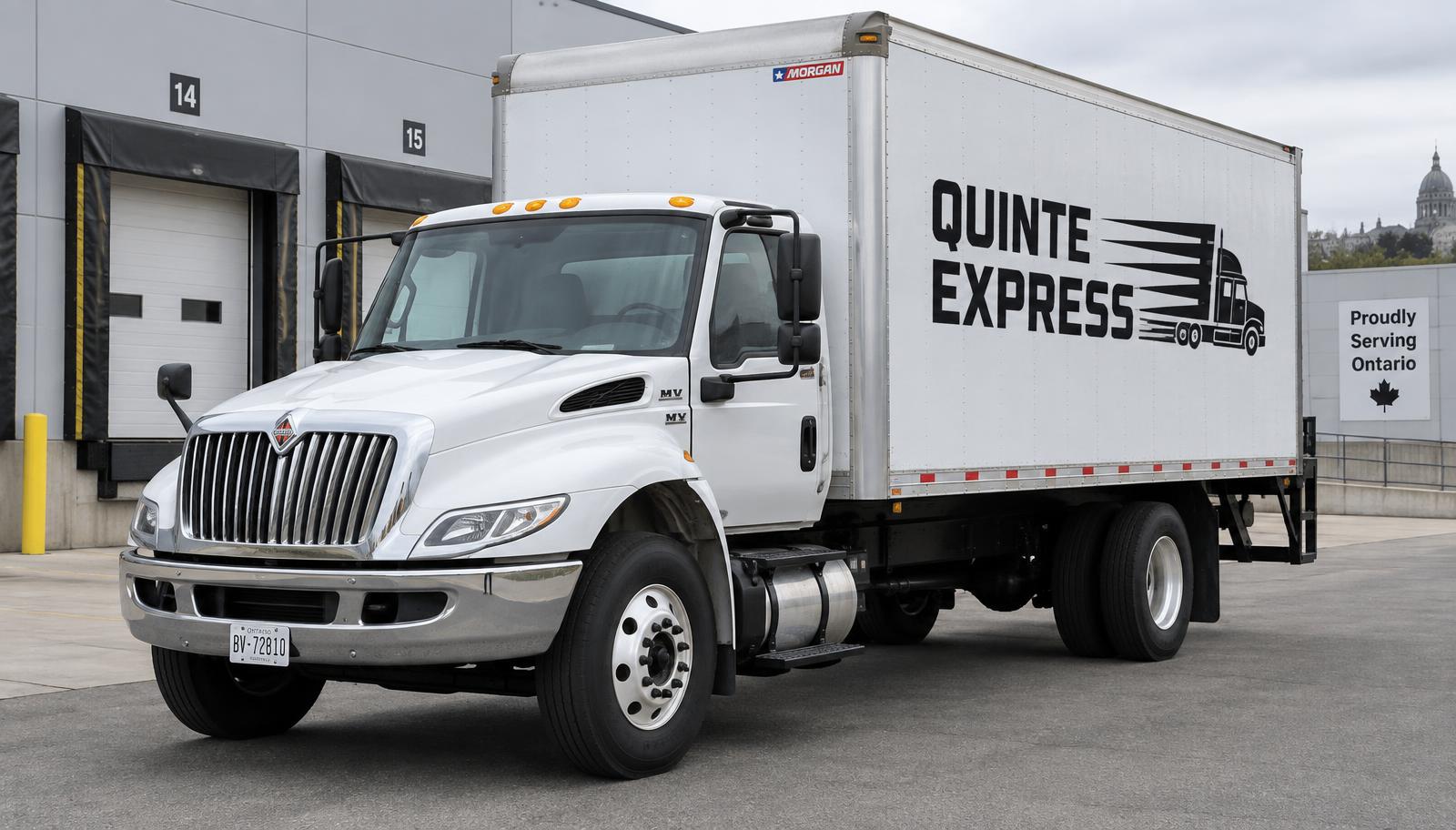
Quinte Express secures every load with E-track, logistics straps and moving blankets as standard practice, and provides photo proof of delivery so any exceptions are documented clearly. If damage prevention is a concern for your next shipment, request a quote and we can talk through how your freight will be packed, secured and delivered.
Frequently asked
- What is the single most effective way to reduce freight damage?
- Securing the load properly inside the truck using straps, load bars and correct weight distribution prevents most in-transit shifting, which is one of the leading causes of freight damage. Combined with solid palletizing, it addresses the majority of preventable damage.
- Should damage be reported immediately or can it wait?
- Visible damage should be noted on the proof of delivery at the time of receiving, before the driver leaves. Concealed damage found later should be reported as soon as it is discovered, following the specific carrier's reporting window.
- Do stretch wrap and corner boards really make a difference?
- Yes. Tightly applied stretch wrap keeps boxes from sliding on the pallet, and corner boards protect edges from crushing under strap tension. Both are inexpensive relative to the cost of a damage claim.
- Does fewer handlings actually reduce damage risk?
- Generally yes. Each time freight is loaded, unloaded or transferred between carriers, there is another chance for it to shift or be mishandled. A direct, dedicated run reduces the number of those handoffs.
- Should photos be taken even if a shipment looks fine?
- Photos are most valuable when damage is found, but many receivers also photograph the general condition of a shipment as a baseline, especially for high-value or fragile freight.
Services in this article
More delivery tips guides
More from the commercial freight series
- What Is Dock-to-Dock Delivery? A Complete Guide for Ontario Businesses
- Dock-to-Dock vs. Curbside Delivery: Which Is Right for Your Business?
- Warehouse-to-Warehouse Freight Delivery Across Ontario
- Commercial Freight Delivery Between Toronto and Eastern Ontario
- Belleville Freight Delivery: Connecting Warehouses, Suppliers and Businesses
- Kingston Commercial Freight Delivery: A Guide for Local Businesses
Ship with confidence, not crossed fingers
Quinte Express secures every load with straps, blankets and careful handling, backed by photo proof of delivery. If damage prevention matters for your next shipment, request a quote and let us help you get it there intact.