Part of our commercial freight series. Start with the guide to dock-to-dock freight delivery in Ontario.
Delivery Tips
What Happens When a Delivery Dock Is Too Small for the Truck?
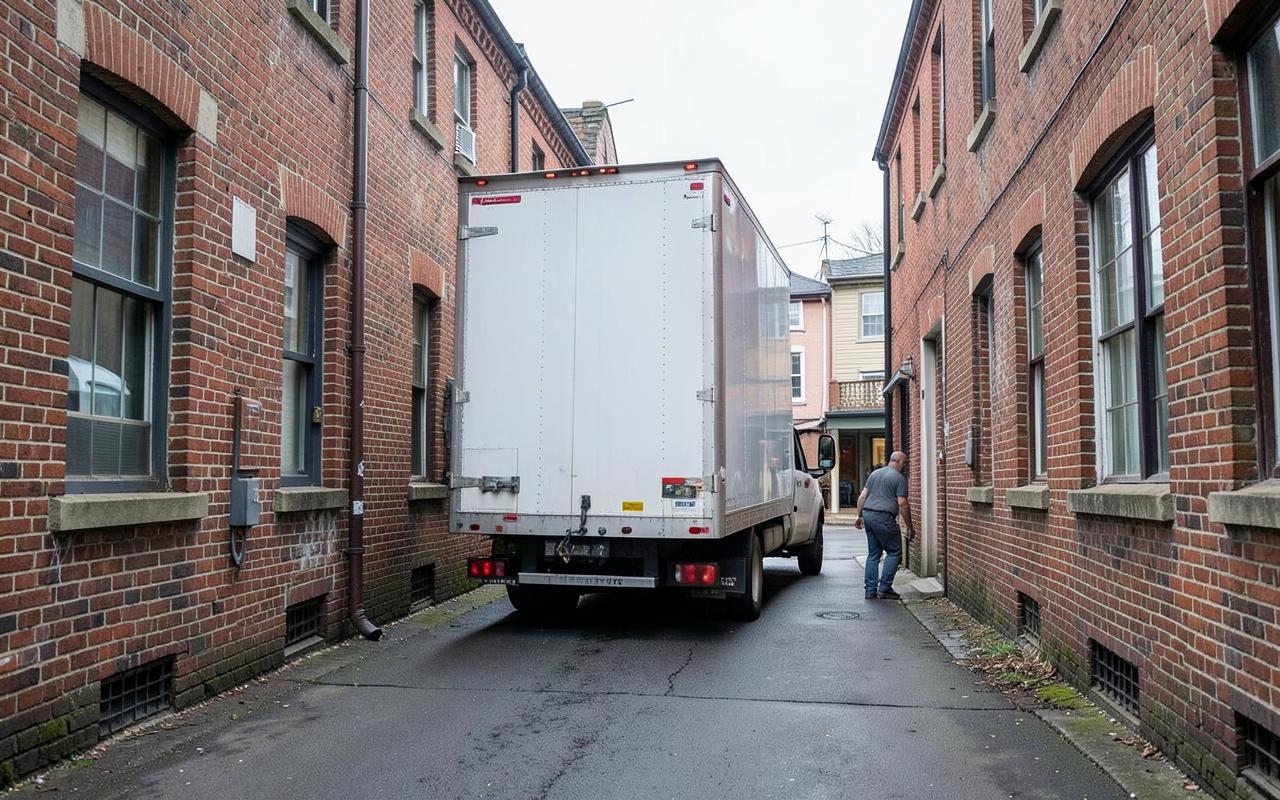
Not every business location was built with large trucks in mind. Here is what happens when a delivery dock, laneway or entrance turns out to be too tight for the vehicle on the schedule, and how to avoid it.
A common problem in older Ontario downtowns
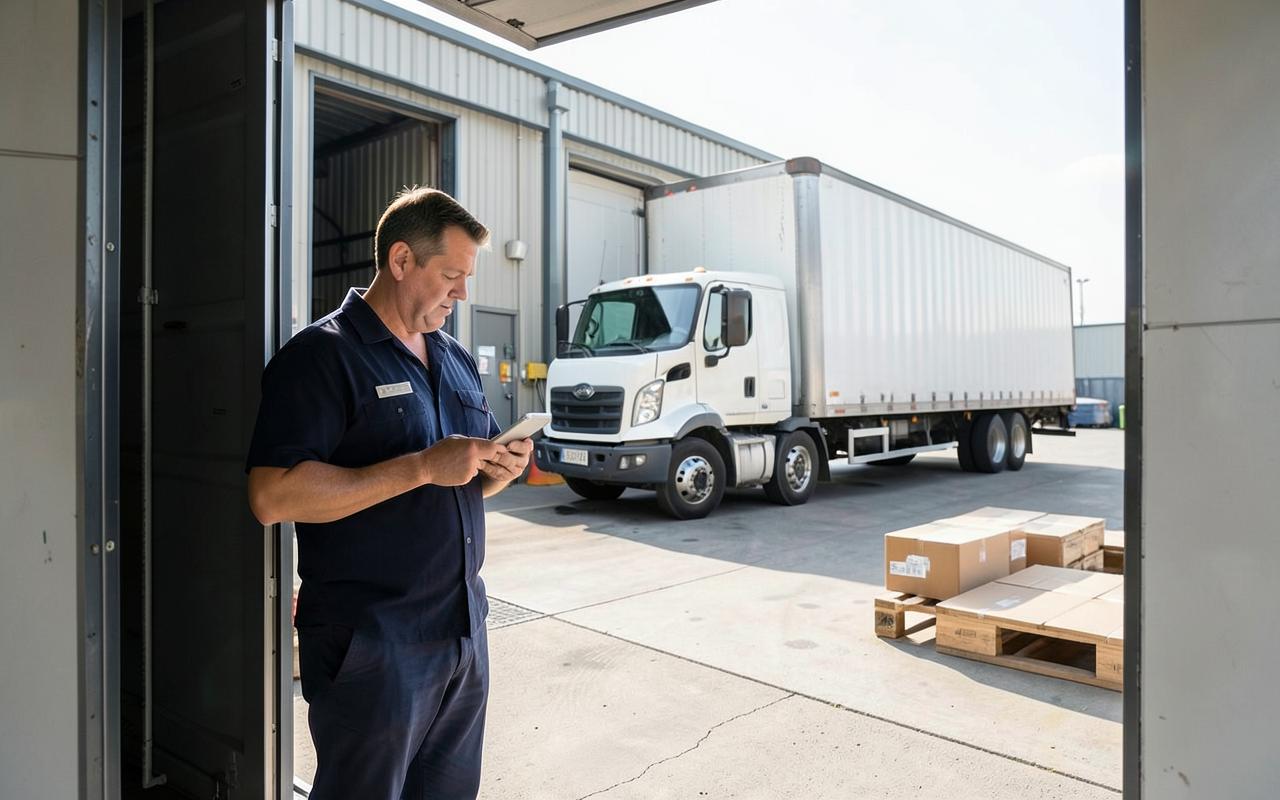
Dock access problems show up more often than most shippers expect, especially in older parts of Eastern Ontario. Buildings in downtown Belleville, Kingston and Cobourg were often constructed decades before modern freight vehicles existed, and their laneways, doors and dock heights reflect that. A dock designed for a delivery van in the 1960s does not always accommodate a modern straight truck.
When a driver arrives at an address and finds the street too narrow, the dock too low, or the approach blocked by parked cars and overhead wires, the delivery does not simply fail. It gets solved on the spot, or it gets rescheduled with better information. Understanding why this happens helps businesses avoid the delay in the first place. If you are newer to commercial freight, our guide to dock-to-dock freight delivery in Ontario covers the fundamentals this article builds on.
Signs a location may have dock access problems
Some locations flag themselves as tricky before the truck even shows up. Recognizing these signs during the booking stage, rather than on delivery day, is the difference between a smooth appointment and a wasted trip.
- Narrow one-way streets or shared laneways with tight turning radii
- Dock height that does not match standard trailer or truck floor height
- Low canopies, awnings or overhead wires near the loading area
- Limited maneuvering space for backing in or turning around
- Storefronts or units with no dock at all, only a front or side door
- Restricted access hours, locked gates, or shared loading zones with other tenants
Why accurate site information matters before pickup
Most dock access problems are preventable. A driver who knows in advance that a location has no dock, a low canopy, or a laneway that only fits a smaller vehicle can plan the right equipment and approach from the start. This is why we ask shippers and receivers for details on the delivery site before confirming a booking, not after a truck is already en route.
Photos of the loading area, measurements of doorways or laneways, and simple approach notes save far more time than they take to gather. A quick note like “enter from the rear lane, dock is 30 inches, no room to turn around” can be the difference between an on-time dock delivery and a missed appointment.
What to send before the truck arrives
A short package of information goes a long way toward avoiding surprises on delivery day.
- Photos of the dock, door or unloading area from street level
- Approximate width of the laneway or approach
- Dock height, or confirmation there is no dock
- Any overhead obstructions such as wires, awnings or low ceilings in an underground garage
- Notes on parking restrictions, gate codes or access hours
Why straight trucks handle tight sites better
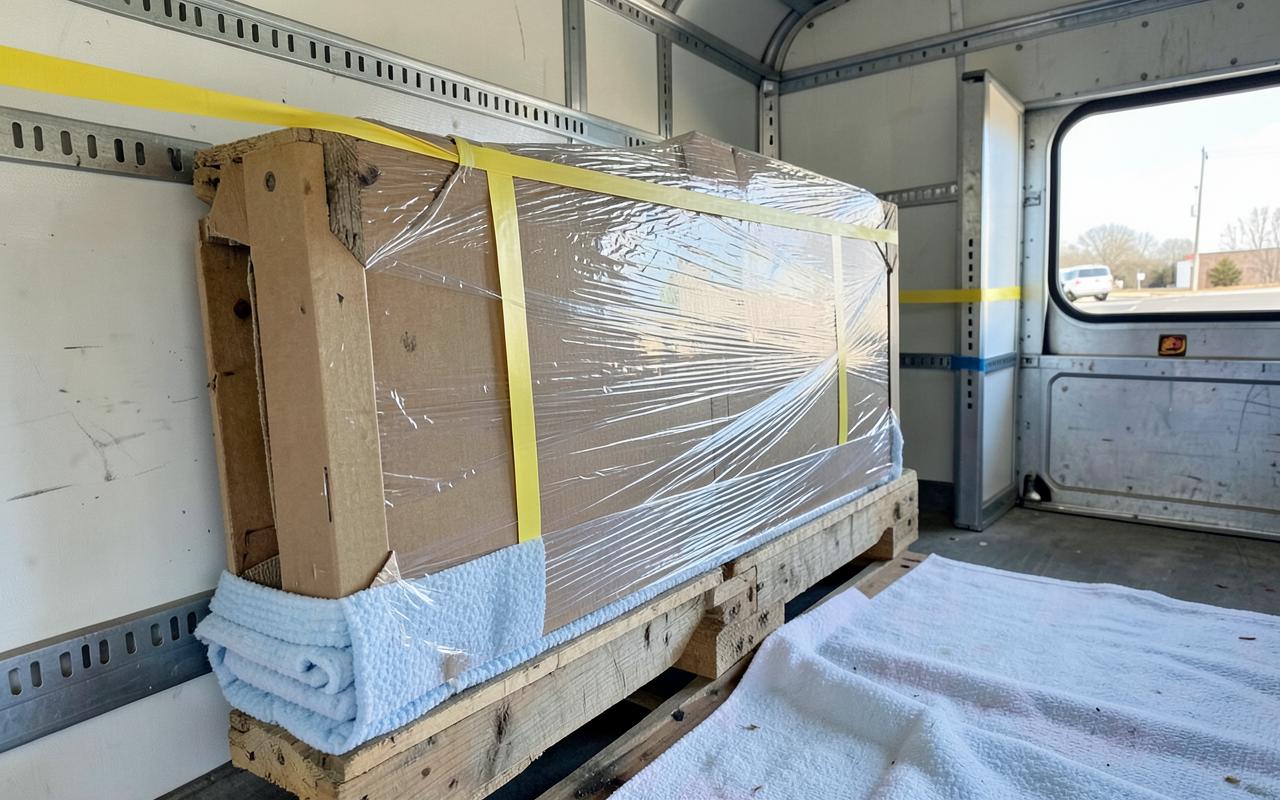
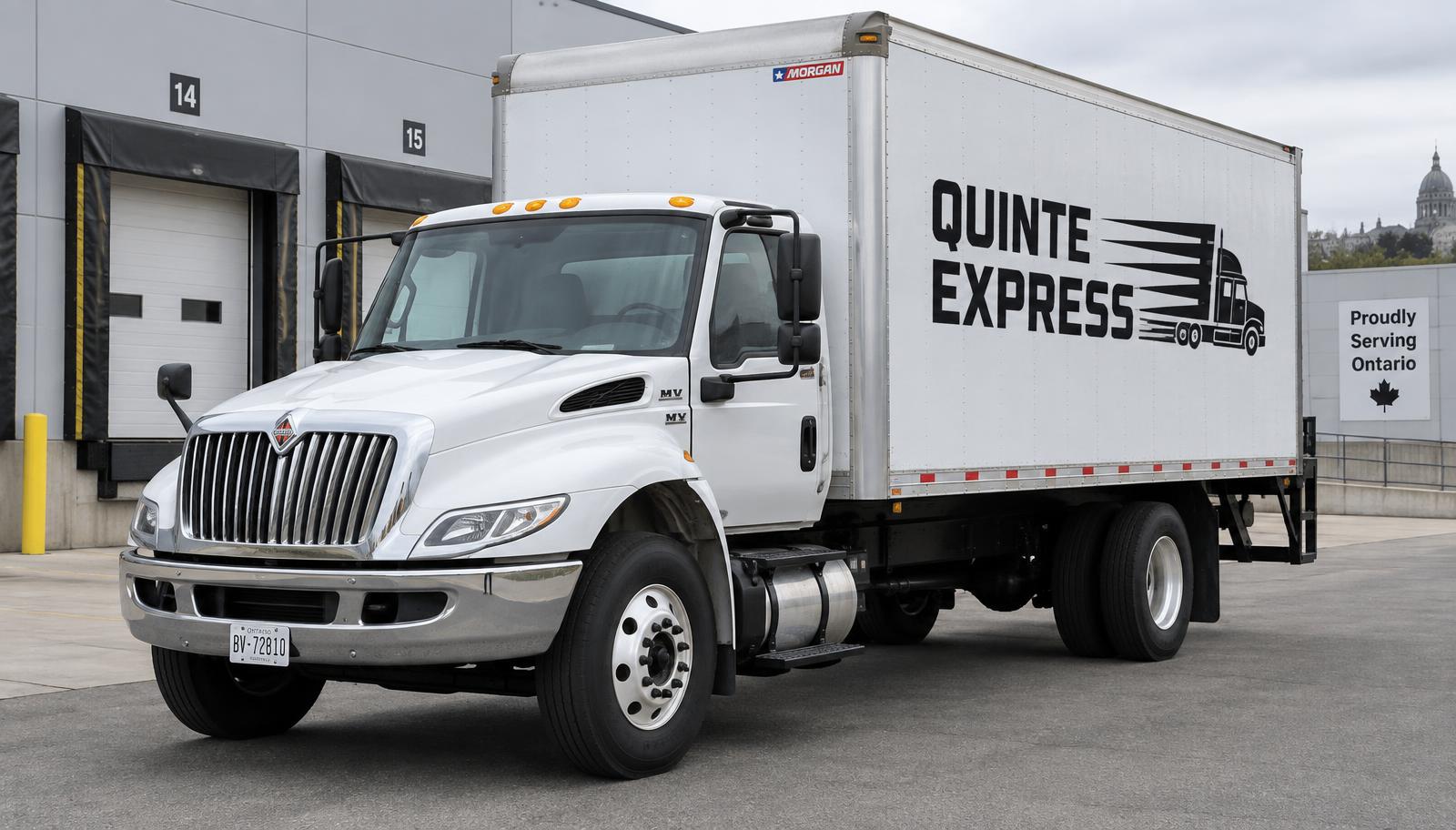
This is one of the practical reasons dock access problems are less common with the right equipment. A 26 ft straight truck is considerably shorter and more maneuverable than a tractor-trailer, which makes a real difference on narrow downtown streets or in laneways with limited turning space. Quinte Express runs a fleet of 26 ft straight trucks with power lift gates and cargo vans, and does not operate tractor-trailers, which keeps deliveries better suited to tighter Eastern Ontario sites from the outset.
Even so, a straight truck cannot fit everywhere. Some laneways are only passable by a cargo van, and some sites require unloading at the curb rather than backing into any kind of dock. Matching the vehicle to the site, based on accurate information, is what keeps deliveries on schedule.
What actually happens when the dock does not fit
When a driver arrives and the dock genuinely will not work, the delivery is not simply abandoned. A few practical options typically come into play, depending on the site and the freight involved.
- Using a smaller vehicle, such as a cargo van, for a follow-up or split delivery
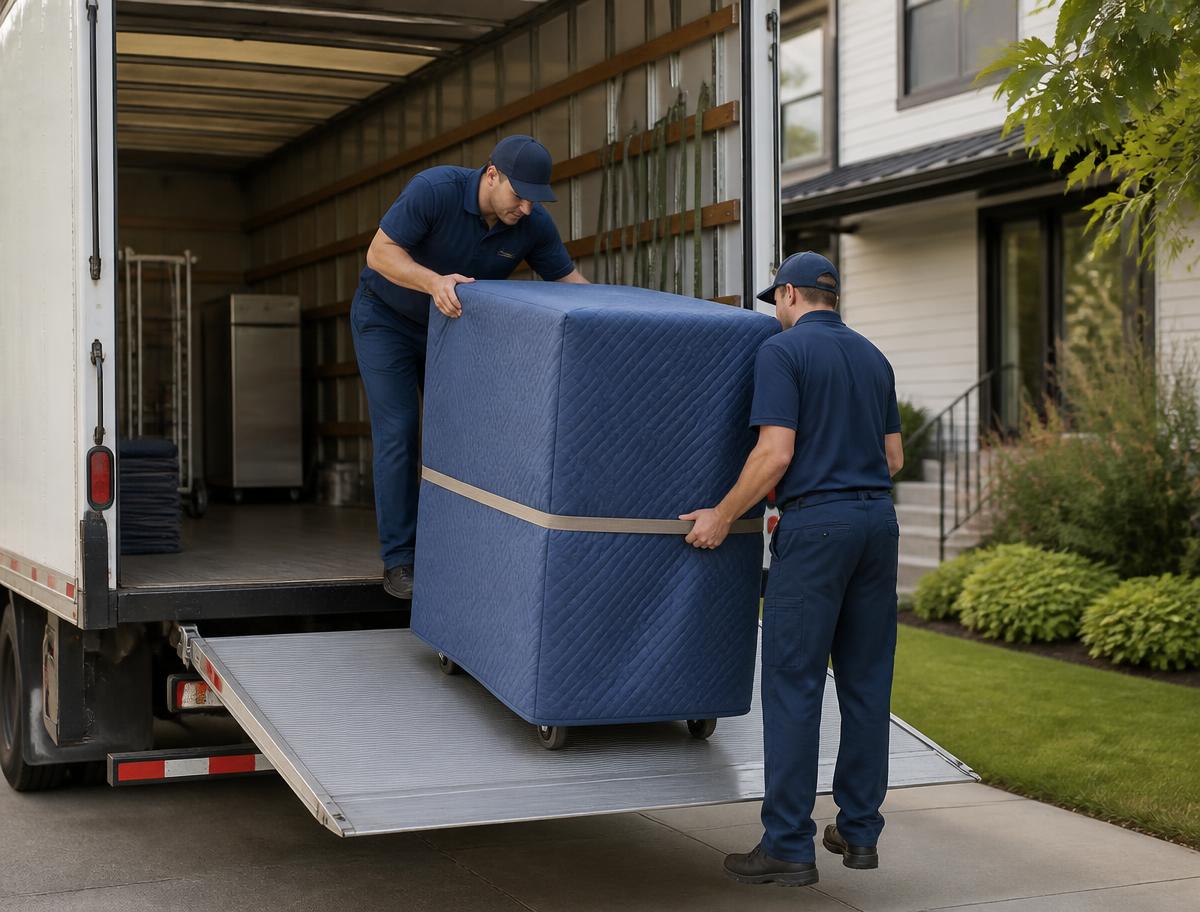
- Lowering freight to grade with a liftgate instead of backing into a raised dock
- Using an alternate door, side entrance or ground-level access point
- Staging freight at a nearby accessible area for hand-carry to the final location
- Rescheduling for a time when the laneway or loading zone is clear
When a liftgate solves the problem
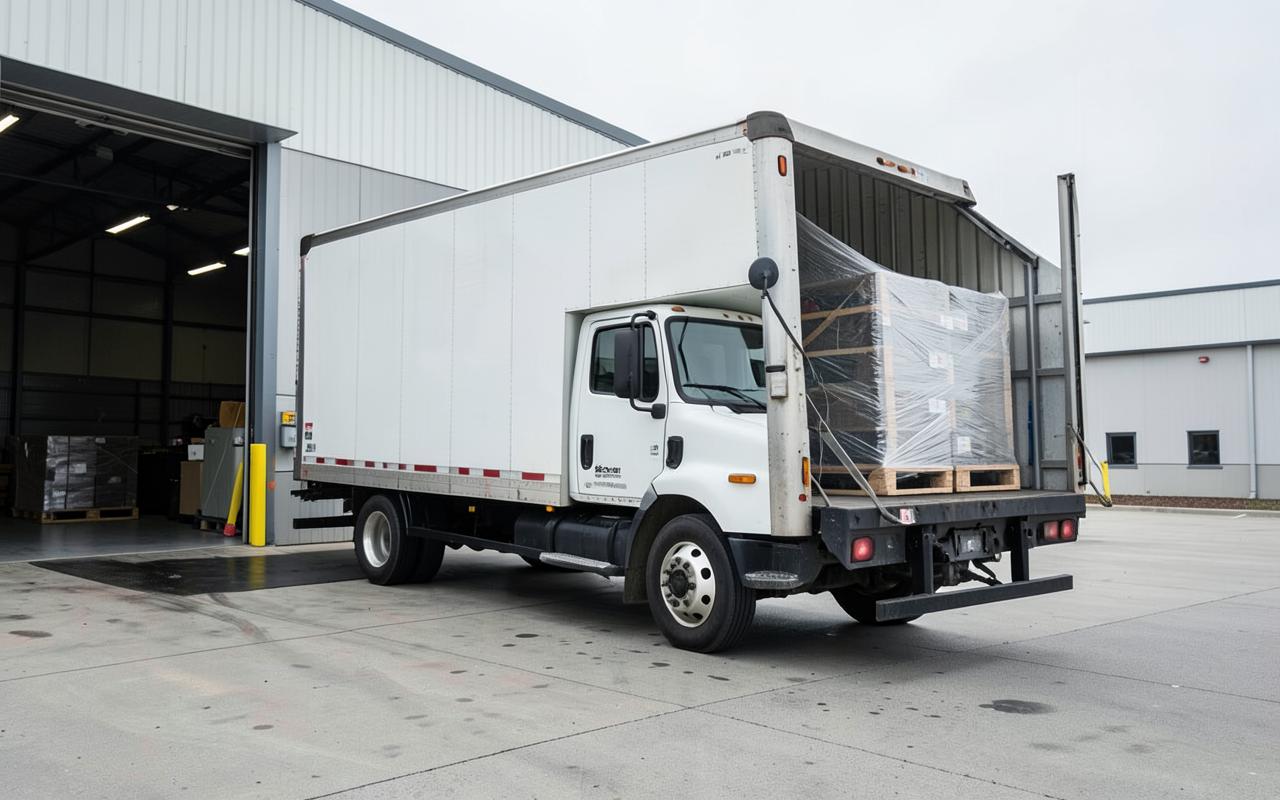
A large share of dock mismatch situations are solved with a liftgate rather than a different truck altogether. If a location has no raised dock, or the dock height does not line up with the truck floor, a power liftgate lowers the freight to ground level safely instead of requiring a forklift or a risky manual lift. This is one of the most common fixes for buildings that were never built with freight docks in mind, including many retail units and small commercial spaces in older Ontario downtowns.
Liftgates are also useful when a business has a dock but it is undersized, obstructed, or shared with other tenants on a tight schedule. Lowering freight at the curb or in a laneway, then moving it the final few metres by hand truck, avoids the need to force a truck into a space it cannot safely occupy.
Planning for a site you have not delivered to before
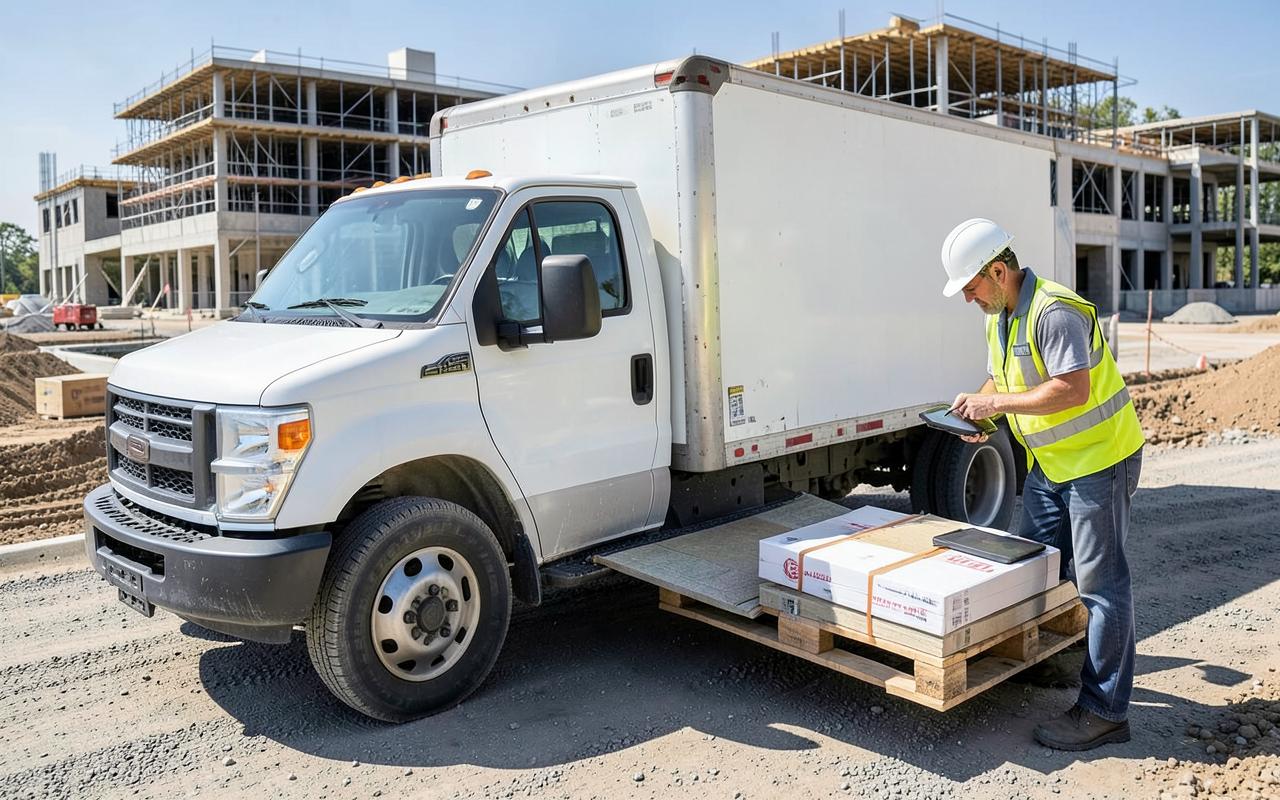
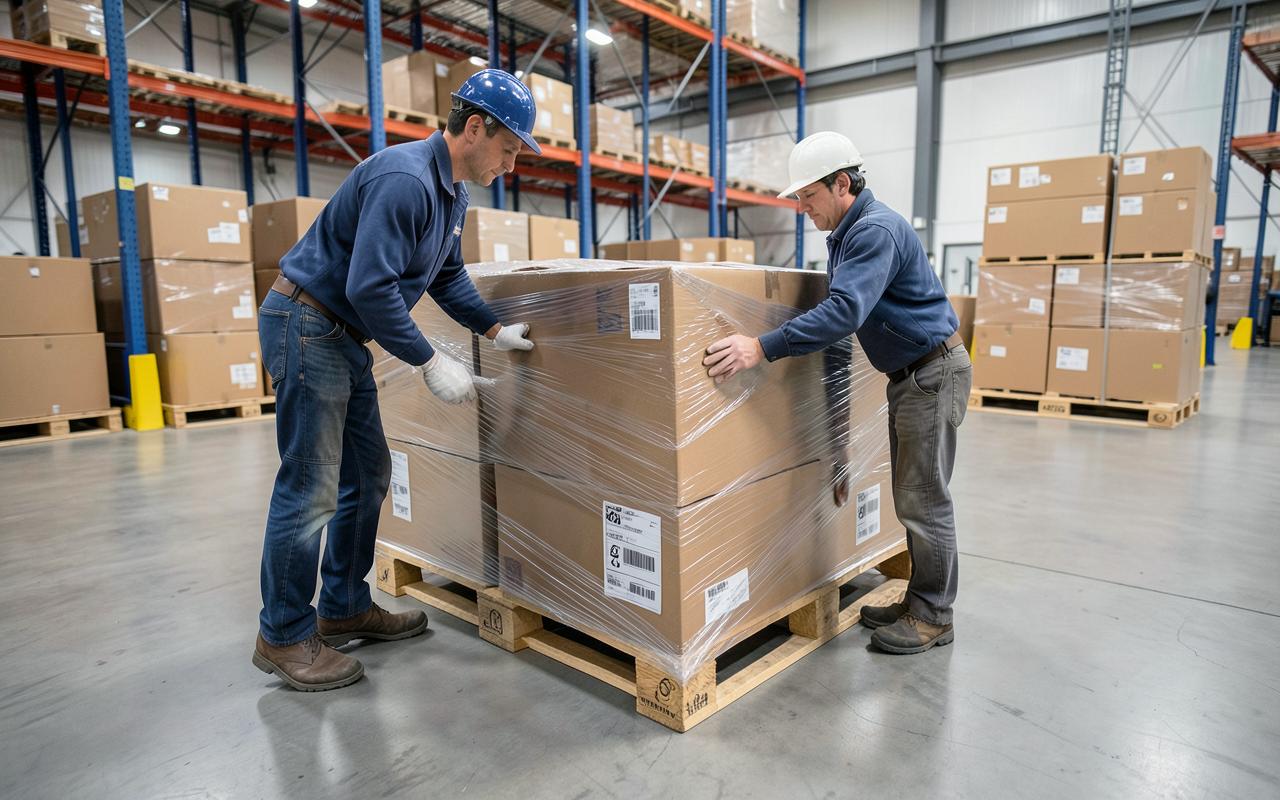
The best time to catch a tight-dock situation is before the truck is booked, not after it arrives. Businesses receiving freight for the first time at a new location, or coordinating a delivery on behalf of a client, should treat site information as part of the shipment details rather than an afterthought. Job sites are the most common example of a location with no dock at all; our guide to construction material delivery to commercial job sites covers that situation in detail.
- Ask the receiving location directly about dock height, door width and access hours
- Confirm whether the building has a shared loading zone with time restrictions
- Note any construction, event closures or seasonal parking changes nearby
- Flag whether a liftgate delivery to grade will be needed
- Share this information at the time of booking, not the morning of delivery
Planning your next delivery to a tight site
Dock access problems are rarely a surprise once a location has been assessed properly. Narrow streets, unusual dock heights and buildings with no dock at all are a normal part of delivering into established Ontario towns and cities, and they are manageable with the right equipment and a bit of upfront planning. Sharing photos, measurements and access notes before pickup lets a delivery provider choose between a straight truck, a cargo van, or a liftgate approach rather than discovering the mismatch on-site.
If you are coordinating a delivery to a location with a tight laneway, an unusual dock, or no dock at all, request a quote and share the site details so the right vehicle and approach can be planned in advance.
Frequently asked
- What happens if a truck cannot fit into a laneway on delivery day?
- The driver will look for an alternate approach, such as a nearby accessible area for staging or a smaller vehicle for that specific stop. In most cases the delivery can still happen the same day, though very restricted sites may need to be rescheduled with a different vehicle.
- Do I need to know my dock height before booking a delivery?
- It helps significantly. If you are unsure, a photo of the loading area and a rough measurement of the door or laneway width is usually enough for a delivery provider to judge whether standard equipment or a liftgate approach is needed.
- Can a liftgate be used if there is no dock at all?
- Yes. A power liftgate lowers freight from the truck bed down to ground level, which works well for buildings with a front or side door instead of a raised dock. This is one of the most common solutions for retail units and small commercial spaces.
- Is a straight truck better than a tractor-trailer for tight downtown sites?
- Generally yes. A 26 ft straight truck has a much tighter turning radius and shorter overall length than a tractor-trailer, which makes it far more practical for narrow streets, shared laneways and older buildings common in downtown Ontario cores.
- What if the dock is shared with other tenants in the building?
- Shared docks often come with time restrictions or booking systems. It is worth confirming these details with the building or property manager ahead of time so the delivery window can be scheduled around any conflicts.
Services in this article
More delivery tips guides
More from the commercial freight series
- What Is Dock-to-Dock Delivery? A Complete Guide for Ontario Businesses
- Dock-to-Dock vs. Curbside Delivery: Which Is Right for Your Business?
- Warehouse-to-Warehouse Freight Delivery Across Ontario
- How Dock-to-Dock Delivery Works From Pickup to Final Receiving Dock
- Commercial Freight Delivery Between Toronto and Eastern Ontario
- Belleville Freight Delivery: Connecting Warehouses, Suppliers and Businesses
Not sure your dock will work?
Send us photos and measurements of your loading area before booking and we will help plan the right vehicle and approach. [Request a quote](/#quote) or call to talk through your site.