Part of our commercial freight series. Start with the guide to dock-to-dock freight delivery in Ontario.
Dock-to-Dock Delivery
Dock-to-Dock vs. Curbside Delivery: Which Is Right for Your Business?
Choosing between dock-to-dock vs curbside delivery, or one of the service levels in between, comes down to what your receiving location can actually handle. Here is how each option compares for Ontario businesses.
Why the service level you choose matters
Commercial freight delivery in Ontario is not one-size-fits-all. A distribution centre with a full loading dock needs a completely different setup than a boutique retailer with a single front door, and booking the wrong service level is one of the most common causes of delays and damage claims. This guide compares dock-to-dock, curbside, liftgate, last-mile and white-glove delivery so you can match the service to your site and your freight.
For background on the dock-to-dock model itself, see our guide on what is dock-to-dock delivery and the broader dock-to-dock freight delivery Ontario overview.
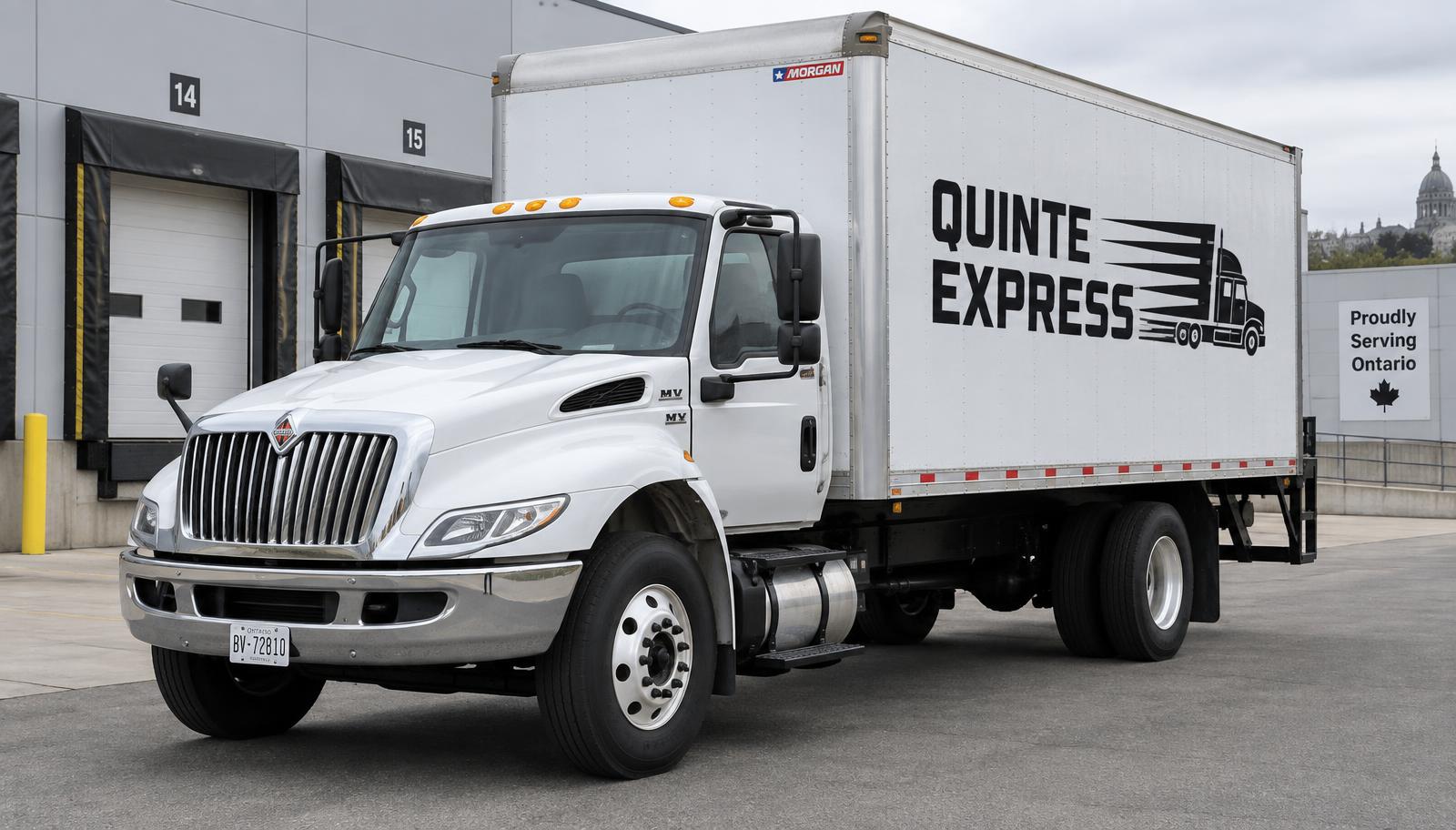
Dock-to-dock delivery
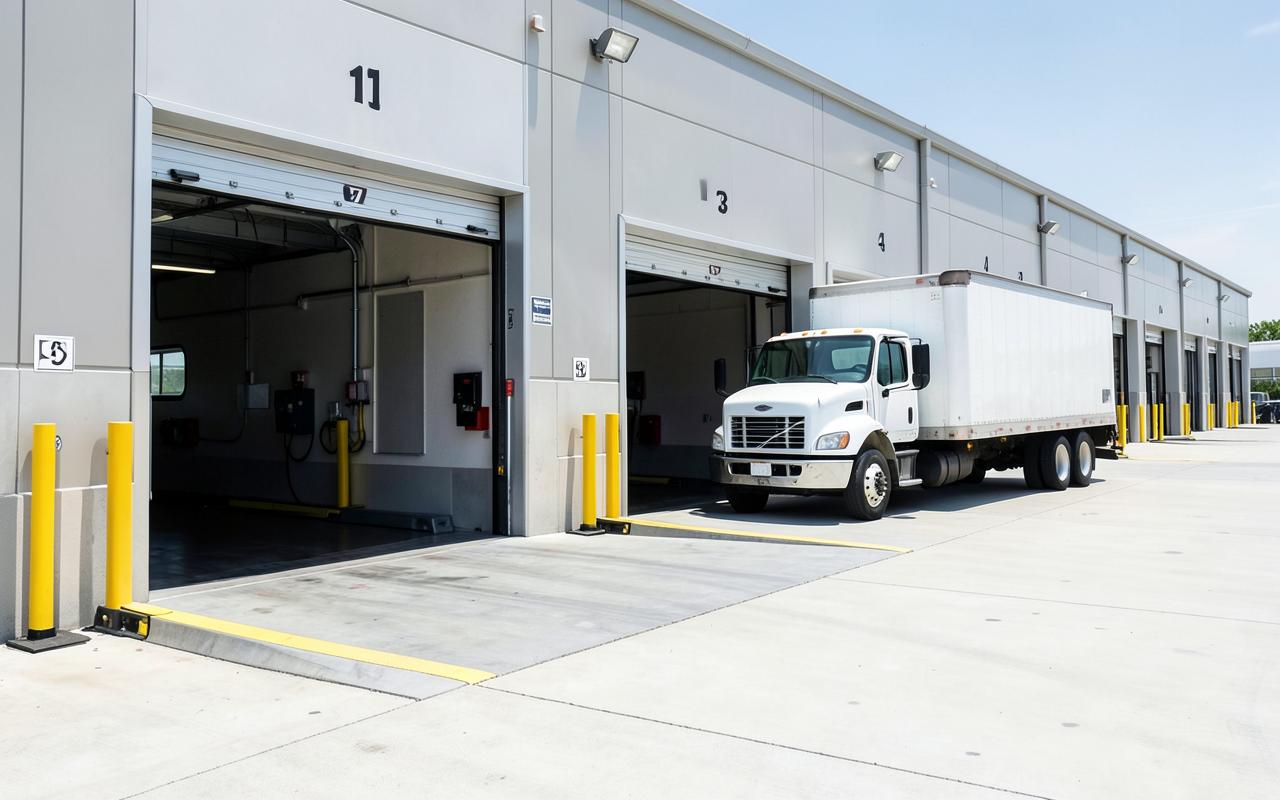
Dock-to-dock delivery moves freight between two commercial loading docks, with the receiver's own staff and equipment handling the pallet once it is off the truck. It works best for warehouses, distribution centres and larger retail locations built with dock infrastructure in mind.
- Equipment needed: raised dock, dock leveler or plate, pallet jack or forklift on the receiving end
- Typical freight: full or partial pallet loads of packaged goods, raw materials or finished products
- Risk of damage: low, since freight is handled with proper equipment on both ends
- Cost drivers: distance, pallet count, and appointment scheduling rather than special handling labour
What the receiver must do
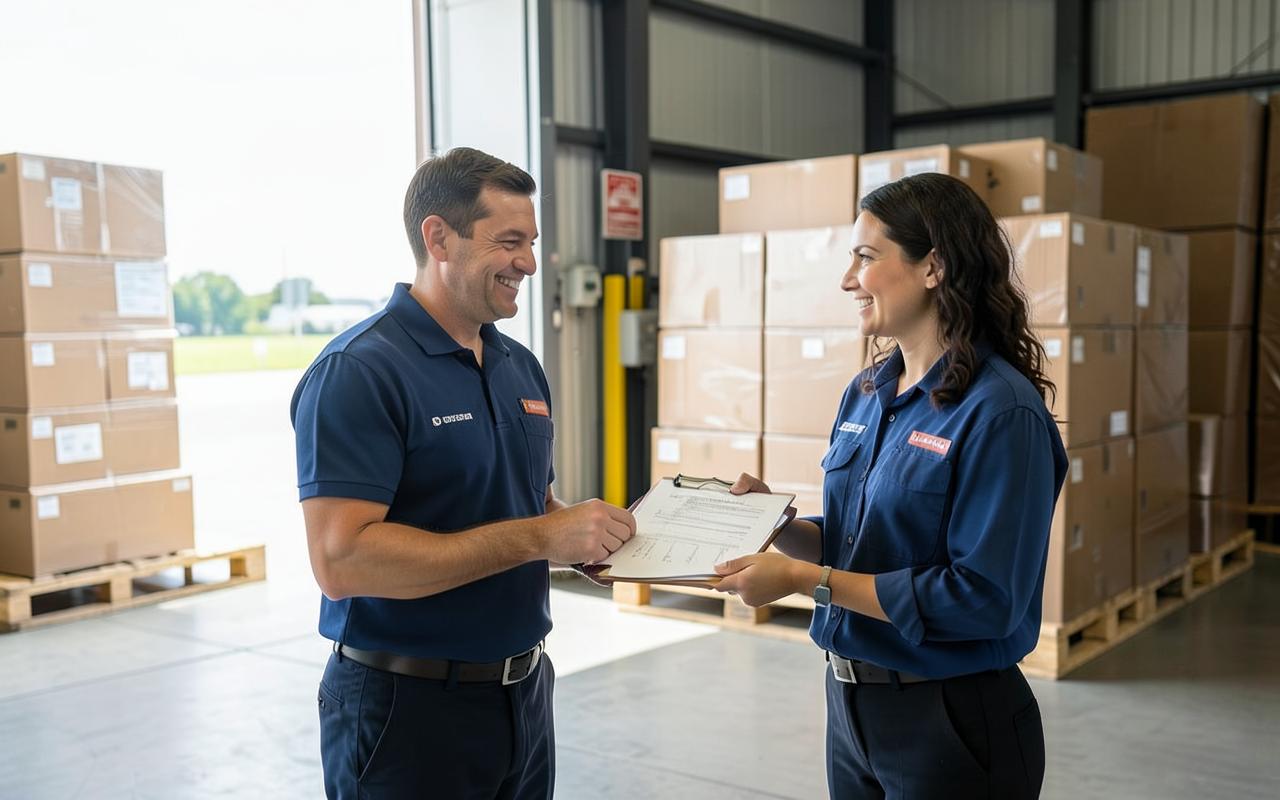
The receiving location needs staff available at the appointment time with a pallet jack or forklift ready to unload. Little to no additional handling is expected from the delivery driver beyond backing up to the dock.
Curbside delivery
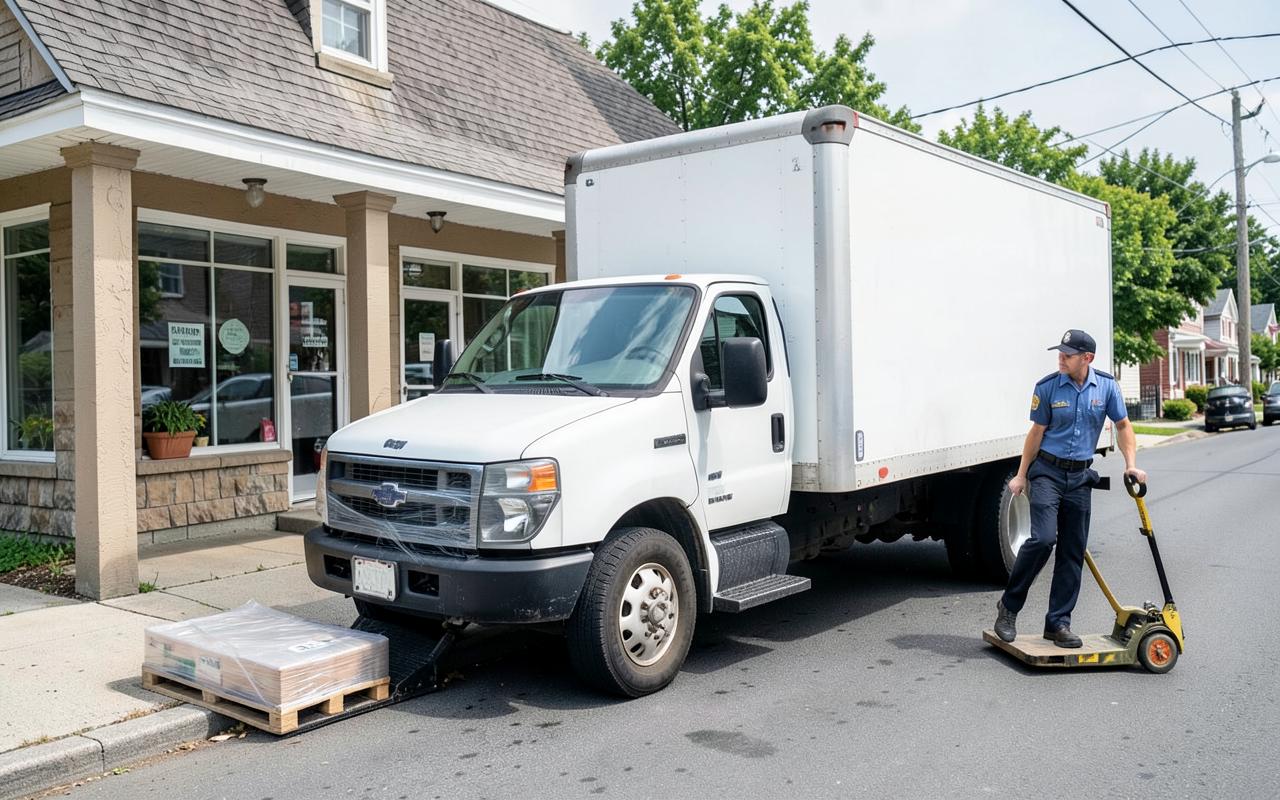
Curbside delivery brings freight to ground level at the edge of a property, whether that is a parking lot, a driveway or a street-facing sidewalk, and leaves it there. It suits locations without a dock where the receiver is prepared to move the freight the rest of the way themselves.
- Equipment needed: a liftgate on the truck to lower freight to ground level; the receiver supplies interior handling
- Typical freight: single pallets, boxed goods or items that are manageable without a dock
- Risk of damage: moderate, since the final stretch of handling falls to the receiver's own team
- Cost drivers: distance and liftgate use rather than dock scheduling
What the receiver must do
The receiver needs to bring their own hand cart, dolly or extra labour to move the freight from the curb into the building, since the driver's responsibility ends once the pallet or item is safely on the ground.
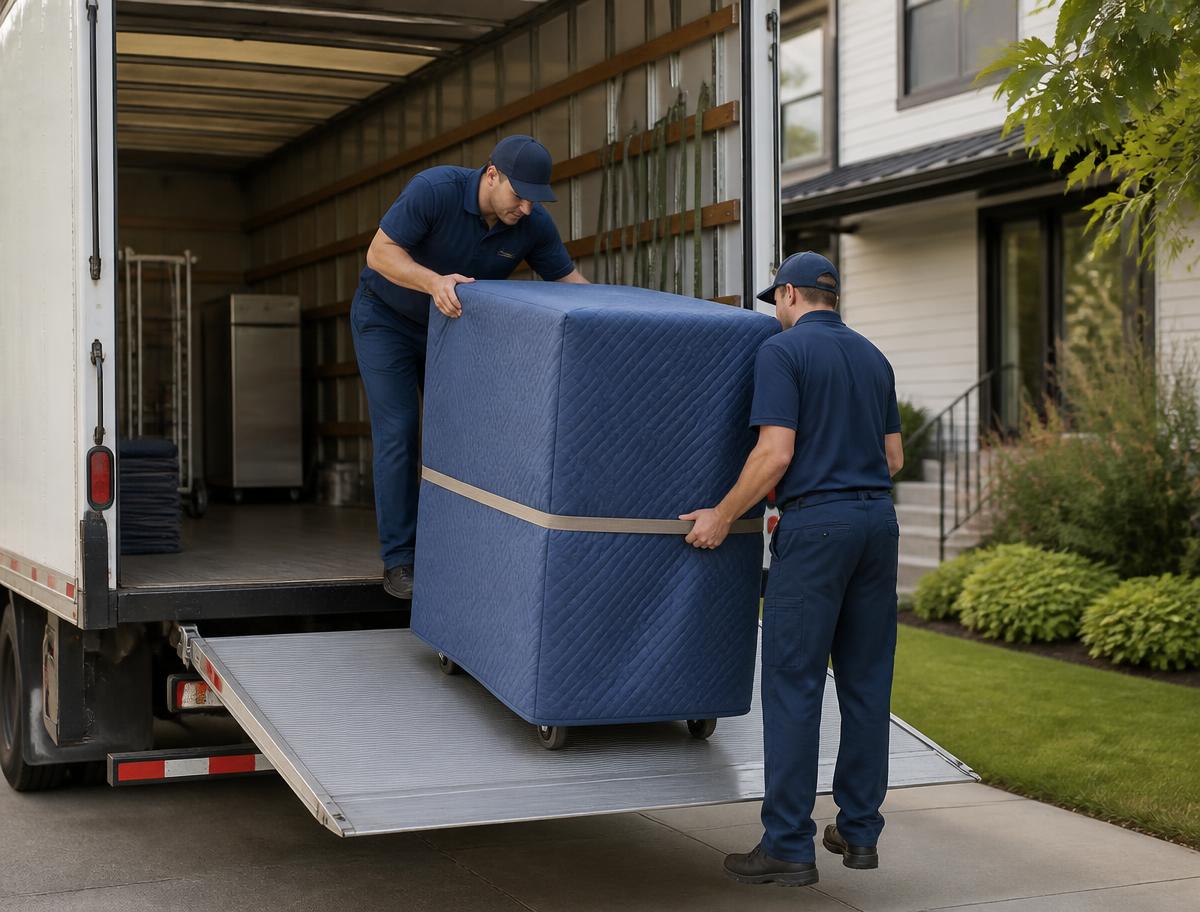
Liftgate delivery
Liftgate delivery is less a separate service and more the equipment that makes curbside, residential or grade-level dock-to-dock deliveries possible in the first place. A hydraulic platform on the back of the truck lowers palletized freight from truck-bed height down to the ground, bridging the gap that a loading dock would normally cover.
For a deeper comparison of when a liftgate is the right call versus a true dock, see lift gate vs dock delivery and our overview of liftgate freight delivery.
- Equipment needed: a truck fitted with a hydraulic liftgate
- Typical freight: pallets or heavy items going to sites without a raised dock
- Risk of damage: moderate, tied to how carefully the load is lowered and moved from ground level
- Cost drivers: liftgate use and any extra handling time at a site without dock infrastructure
Last-mile delivery
Last-mile delivery refers to the final leg of a shipment to its ultimate destination, whether that is a retail store, a job site or an individual customer. It often combines elements of curbside and liftgate service, and it is scheduled around receiving windows that suit the business or resident on the other end.
Retailers, manufacturers and 3PLs use last-mile delivery to get goods the final distance from a distribution point to the point of sale or use, often with scheduled windows and call-ahead notice so the receiving side is ready.
- Equipment needed: varies by stop, from a cargo van for small parcels to a straight truck with a liftgate
- Typical freight: mixed loads, single items, or multi-stop routes to several destinations
- Risk of damage: varies with handling complexity at each stop
- Cost drivers: number of stops, scheduling windows and vehicle type
White-glove delivery
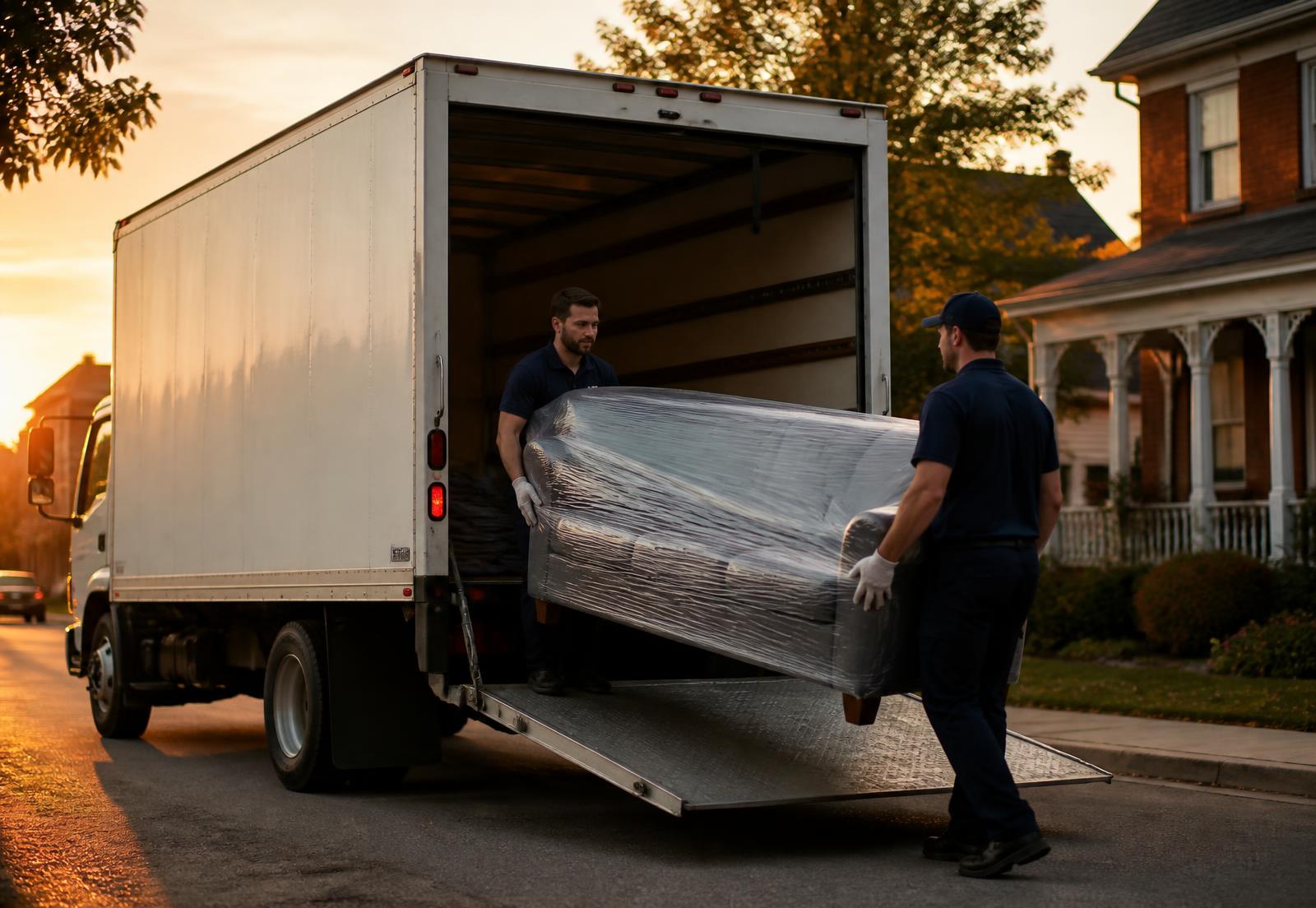
White-glove delivery is the highest-touch option, involving a crew that carries the item to its final location, unpacks it, assembles it if needed, and removes packaging. It suits high-value, delicate or bulky goods where the receiver wants no involvement in the physical handling at all.
This level of service is common for furniture, appliances and other goods where placement and assembly matter as much as transportation. Our guide to white-glove delivery in Belleville and the white-glove delivery service page cover what this looks like in practice.
- Equipment needed: a crew trained in assembly and placement, moving blankets, floor protection
- Typical freight: furniture, appliances and other items requiring careful handling and setup
- Risk of damage: low, since the delivery crew controls the item from truck to final placement
- Cost drivers: labour time for placement, assembly and debris removal
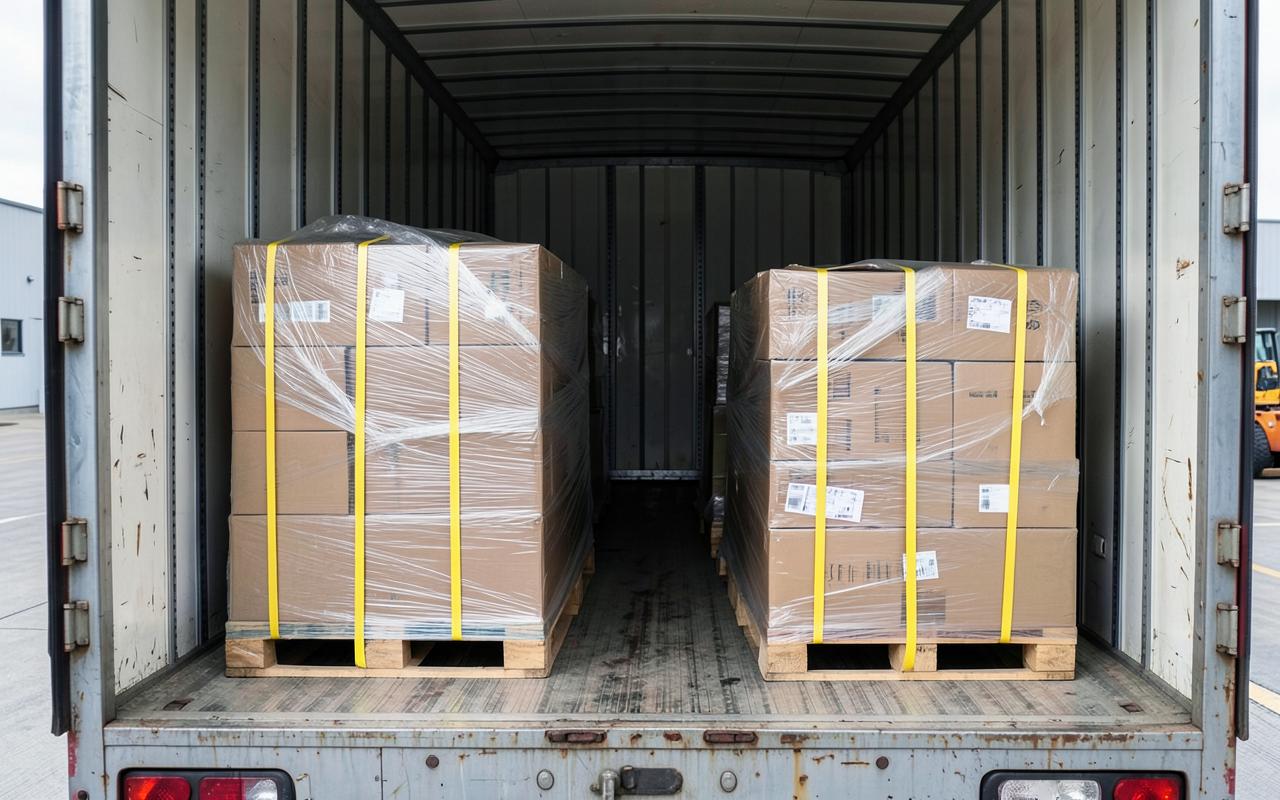
Which situations suit each service level
Matching the service to the site is the single biggest factor in a smooth delivery. Use the list below as a starting point when deciding what to book.
- Choose dock-to-dock when both locations have loading docks and staff ready to handle pallets
- Choose curbside when the receiver has no dock but can move freight themselves from ground level
- Choose liftgate service whenever a site lacks a raised dock, regardless of the delivery type otherwise chosen
- Choose last-mile delivery for retail restocking, multi-stop routes or scheduled customer deliveries
- Choose white-glove delivery for high-value furniture, appliances, or items needing assembly and placement
Choosing the right service for your next shipment
The right delivery service is the one that matches your site's actual equipment and staffing, not necessarily the one that sounds the most premium or the most economical. A distribution centre with a busy dock rarely needs white-glove handling, and a boutique retailer without a dock will struggle with a shipment booked as dock-to-dock.
If you are unsure which level fits your business, describing your receiving location honestly, dock or no dock, staff availability, and the nature of the freight, lets a carrier recommend the right fit rather than guessing from the address alone.
Quinte Express offers dock-to-dock, curbside, liftgate, last-mile and white-glove options across the Quinte region, Kingston, the GTA and beyond. Request a quote and describe your shipment, and we will match the right service and vehicle to the job.
Frequently asked
- Is dock-to-dock delivery always cheaper than white-glove delivery?
- Not necessarily, since cost depends on distance, pallet count, and labour required rather than the service label alone. Dock-to-dock generally requires less carrier-side labour because the receiver handles unloading, but the specific cost drivers vary by shipment.
- Can one shipment use different service levels for pickup and delivery?
- Yes. It is common for a pickup to be dock-to-dock at a warehouse while the delivery end requires a liftgate because the receiving site has no dock. Describing both ends accurately at booking ensures the right vehicle is assigned.
- What happens if curbside delivery is booked but the item is too heavy to move without help?
- The receiver should arrange extra labour or equipment in advance, since curbside service ends once freight is safely on the ground. If a heavy or awkward item is expected, upgrading to last-mile or white-glove service is usually the better choice.
- Do liftgate trucks cost more to book than standard dock-to-dock trucks?
- Liftgate-equipped trucks are typically used whenever a site lacks a raised dock, and the added equipment can be a factor in pricing. It is best to confirm this with your carrier based on your specific pickup and delivery locations.
- How do I know if my business needs last-mile or white-glove delivery?
- If your goods need to reach an individual customer, store shelf or job site with scheduled timing, last-mile delivery usually fits. If the goods also need unpacking, assembly or placement in a specific spot, white-glove delivery is the better match.
Services in this article
More dock-to-dock delivery guides
More from the commercial freight series
- Warehouse-to-Warehouse Freight Delivery Across Ontario
- How Dock-to-Dock Delivery Works From Pickup to Final Receiving Dock
- Commercial Freight Delivery Between Toronto and Eastern Ontario
- Belleville Freight Delivery: Connecting Warehouses, Suppliers and Businesses
- Kingston Commercial Freight Delivery: A Guide for Local Businesses
- LTL vs. Dedicated Truck Delivery: Which Option Saves Your Business Money?
Match your shipment to the right service
Whether you need dock-to-dock, curbside, liftgate or white-glove handling, Quinte Express can recommend the right fit for your site and freight. Tell us about your shipment and request a quote today.