Part of our commercial freight series. Start with the guide to dock-to-dock freight delivery in Ontario.
Logistics & Transportation
LTL vs. Dedicated Truck Delivery: Which Option Saves Your Business Money?
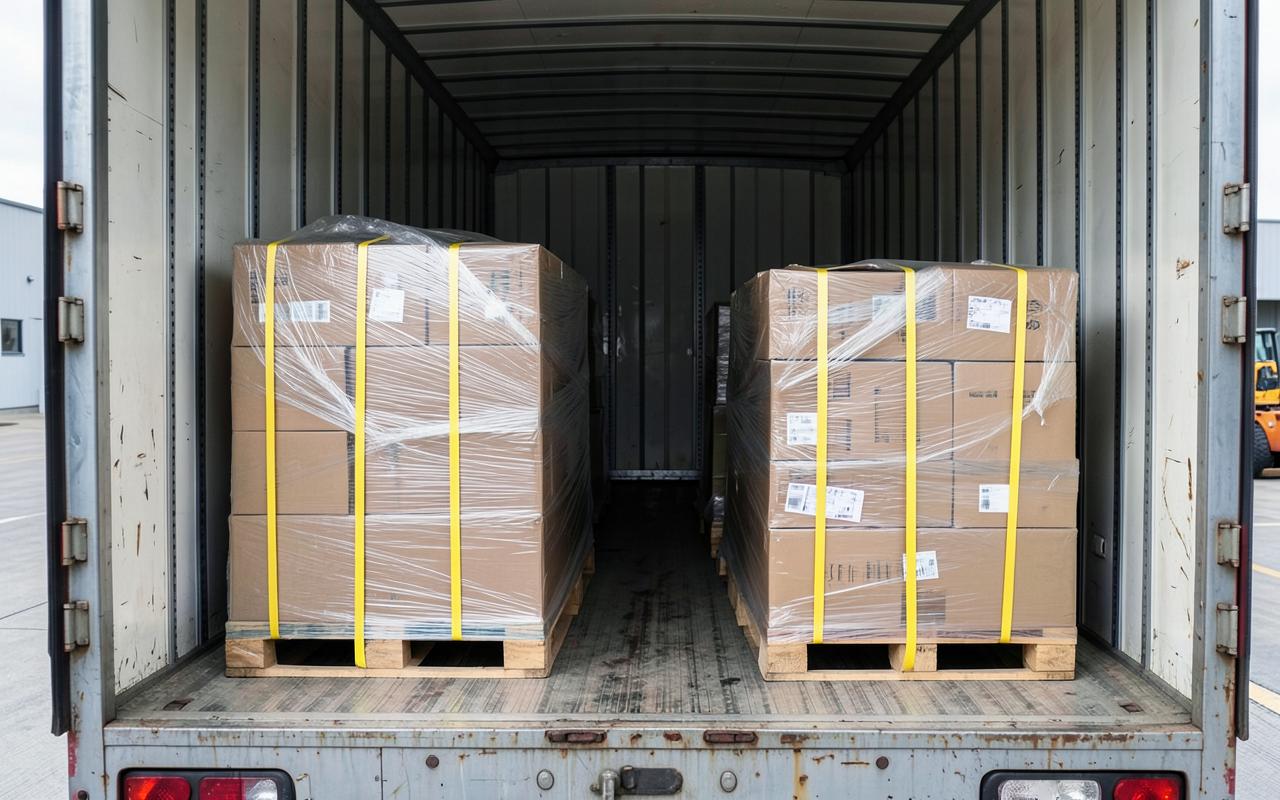
Choosing between LTL vs dedicated truck delivery affects cost, handling risk and transit predictability. Here's how Ontario businesses can decide which approach fits their freight.
Two different ways to move commercial freight
When planning commercial freight delivery in Ontario, businesses generally choose between two models: less-than-truckload (LTL) service through a terminal network, or dedicated truck delivery with one shipper's freight moving directly from origin to destination. Both are common, and neither is universally better — the right choice depends on shipment size, frequency and how much control you need over timing.
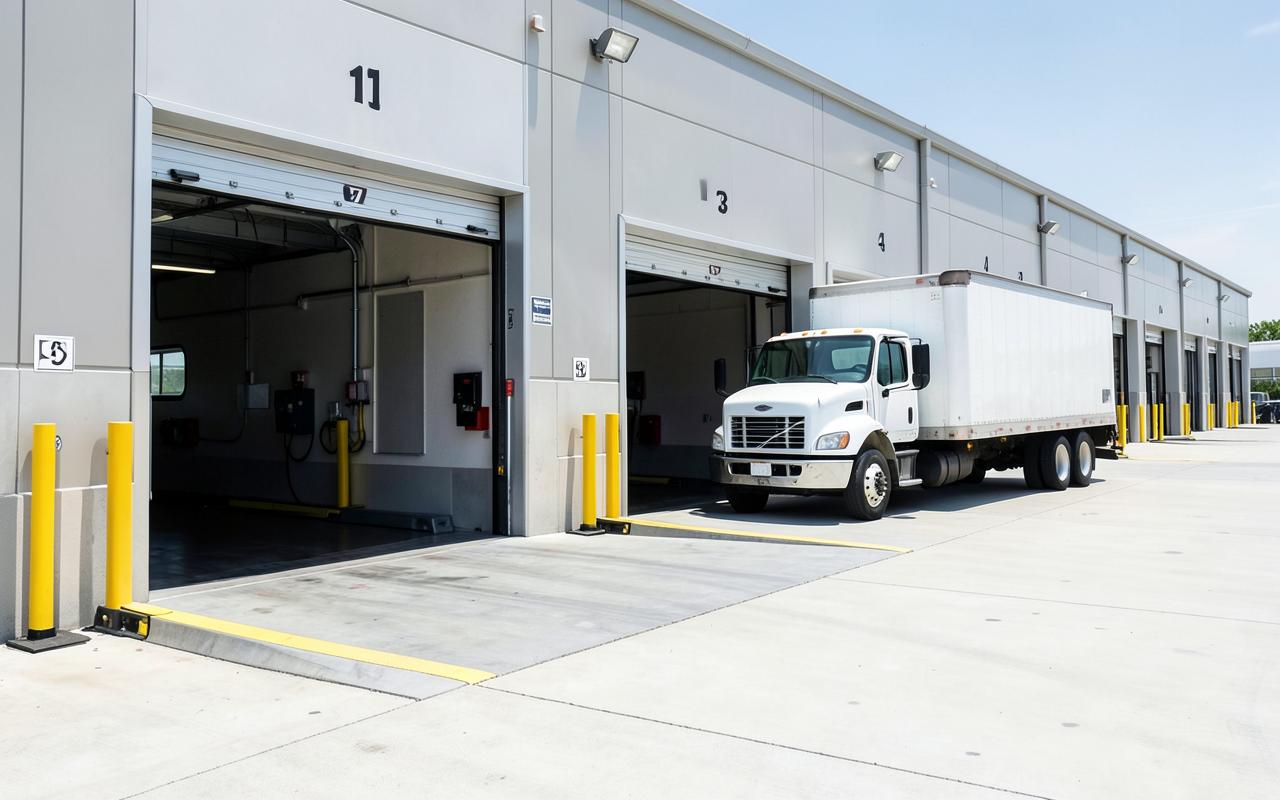
Understanding the mechanics behind each option is the first step. For background on how freight typically moves from one commercial dock to another, see our overview of dock-to-dock freight delivery in Ontario, which applies to both LTL and dedicated shipments.
Neither model is inherently superior across every situation. Some businesses use LTL for the bulk of their shipping and only shift to dedicated service during peak periods or for particularly large orders, while others standardize on dedicated trucks for all recurring freight and reserve LTL for occasional exceptions.
How LTL freight delivery works
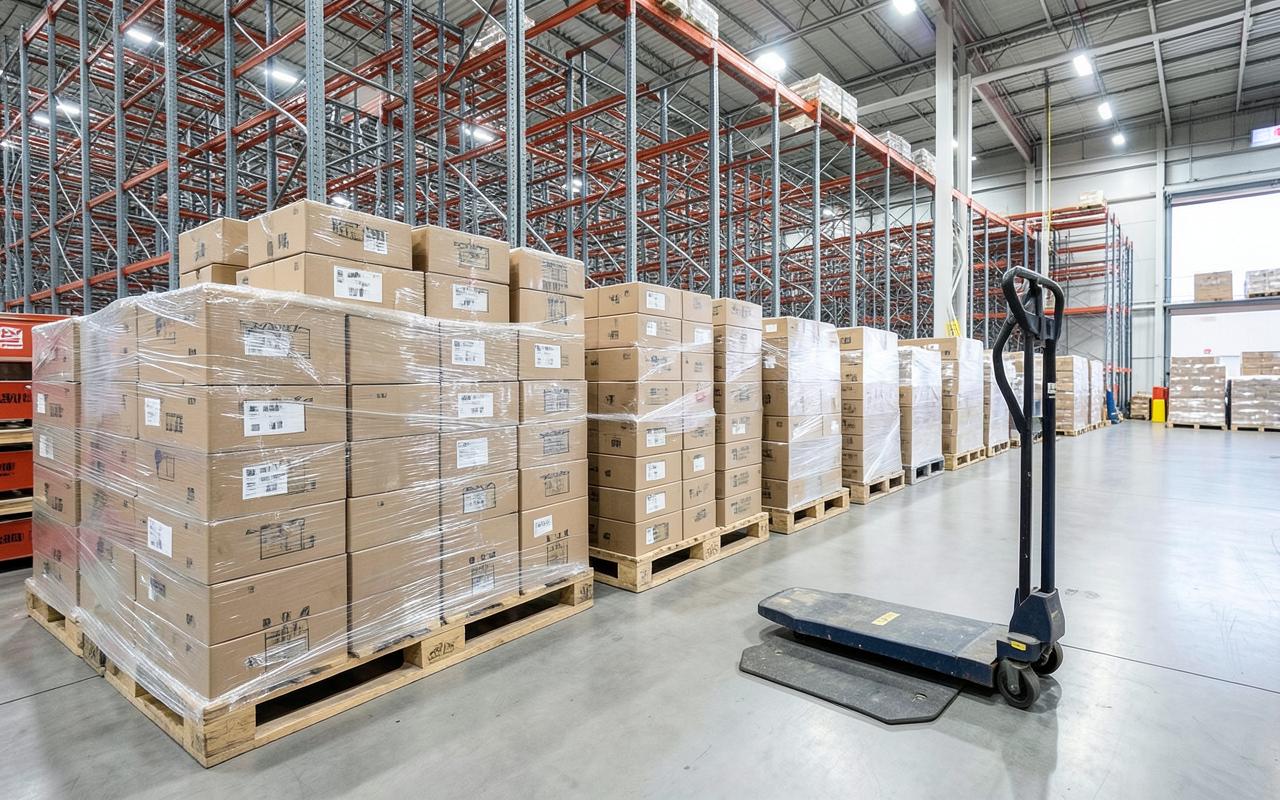
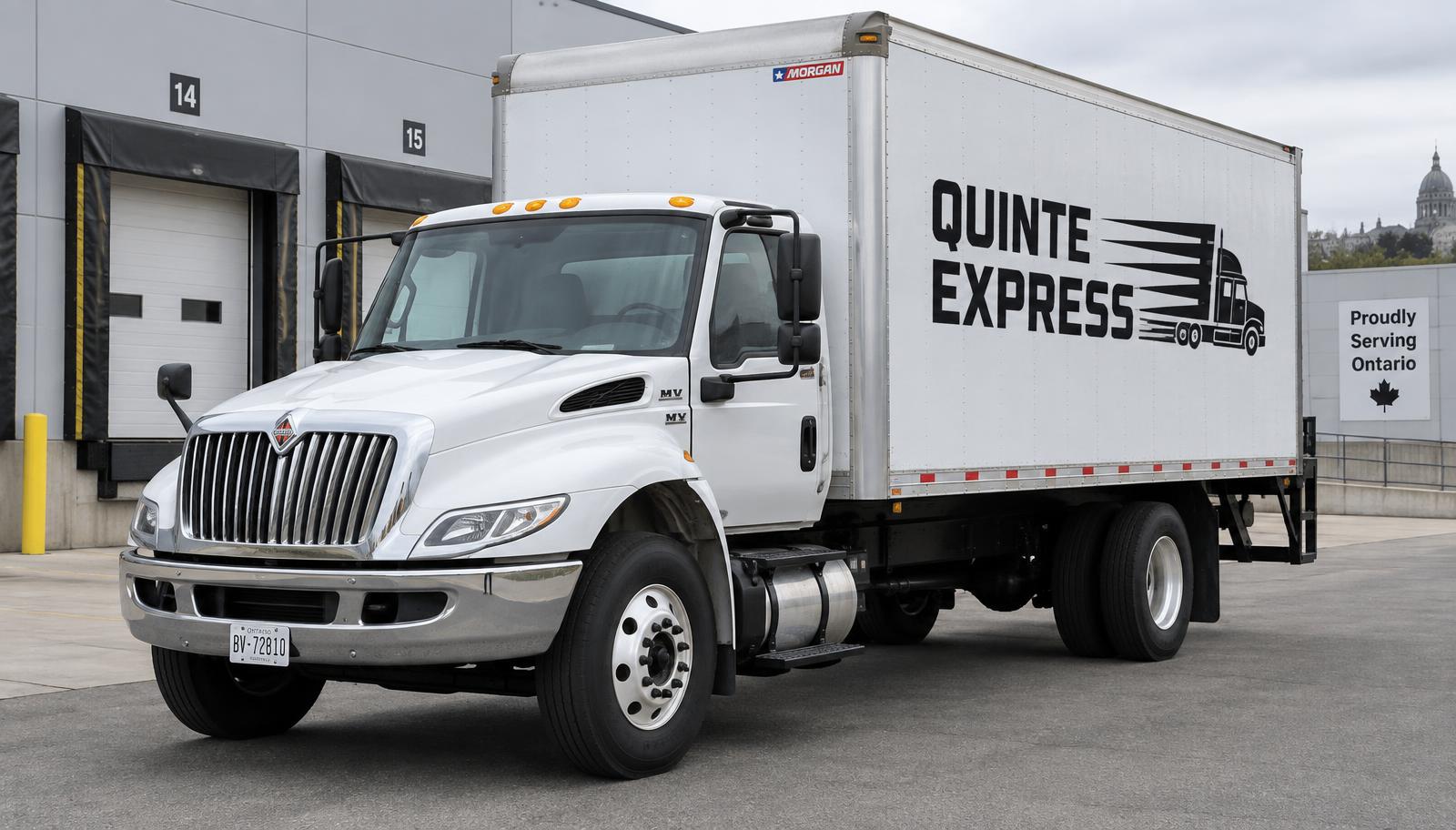
LTL freight delivery consolidates multiple shippers' freight onto a single trailer, moving through one or more terminals along the way. At each terminal, freight is typically cross-docked — unloaded, sorted and reloaded onto another trailer heading toward its next stop or final destination.
Shippers using LTL freight delivery typically pay based on the space their freight occupies and the distance it travels, since the carrier is combining multiple customers' shipments to fill a single trailer efficiently.
Advantages of LTL
LTL suits businesses shipping smaller volumes that don't justify booking an entire truck. Costs are shared across multiple shippers, which can make it a reasonable option for occasional or lower-volume freight moving longer distances through an established network.
Disadvantages of LTL
The trade-off is multiple handlings. Each time freight is loaded, unloaded and reloaded at a terminal, there's an added chance of delay or damage. Transit times are also less predictable, since your shipment's schedule depends on connections through the network rather than a direct route.
How dedicated truck delivery works
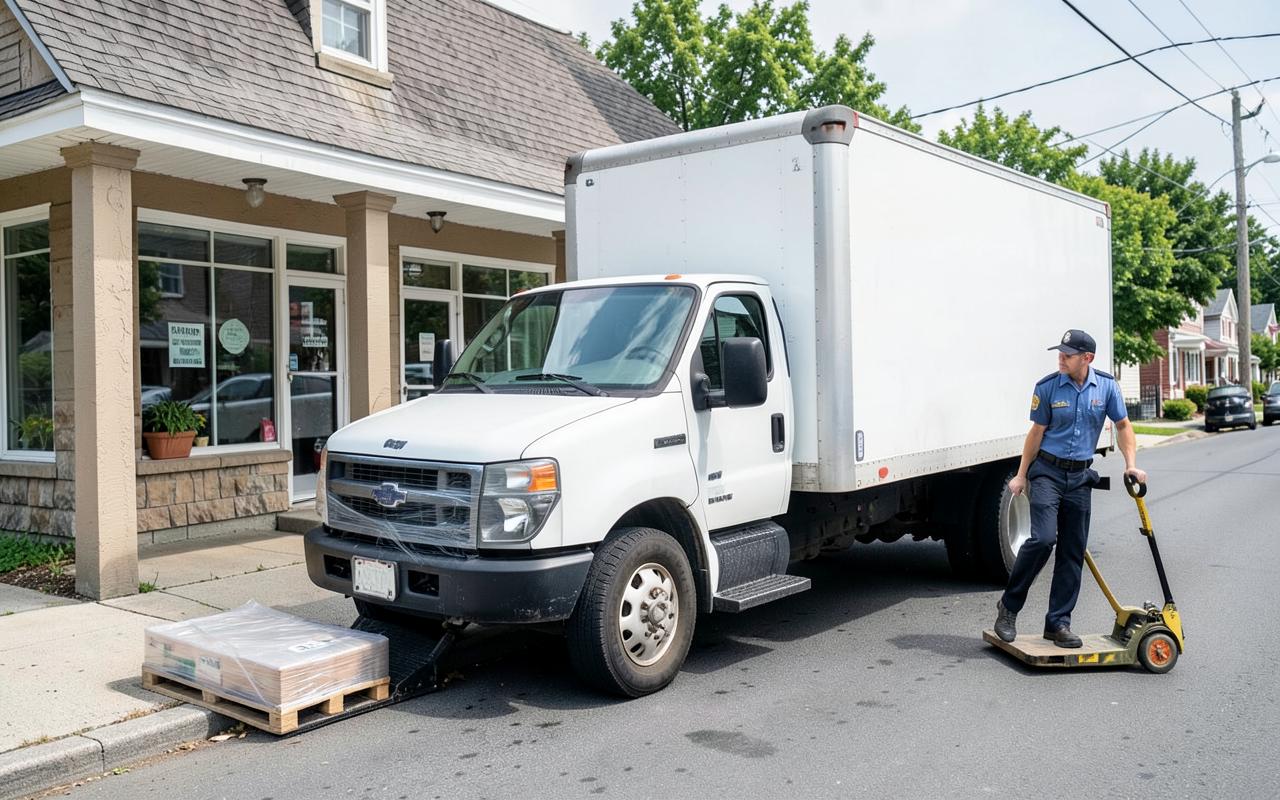
Dedicated truck delivery, sometimes called dedicated truck delivery, means a single truck is used for one shipper's freight, travelling directly from pickup to delivery without stopping at intermediate terminals to consolidate with other loads.
Advantages of dedicated delivery
Freight is handled once at pickup and once at delivery, reducing the number of touchpoints where damage or delay can occur. Scheduling is also more predictable, since the truck isn't waiting on other shipments or terminal cross-dock timing.
Disadvantages of dedicated delivery
Because the truck is committed to a single shipper's freight, dedicated service generally makes more sense for larger volumes or shipments where reduced handling and tighter scheduling outweigh the benefit of sharing costs across multiple shippers.
Comparing the two approaches
Deciding between LTL and dedicated truck delivery often comes down to a handful of practical factors rather than one single rule.
Many businesses reassess their approach periodically as volumes change, moving from LTL to dedicated service once shipment frequency or size passes a certain threshold, or scaling back to LTL during slower periods when a dedicated truck would run under capacity.
- Shipment size: smaller, occasional loads often suit LTL; larger or multi-pallet loads often suit dedicated service
- Frequency: recurring shipments benefit from the consistency of a dedicated schedule
- Handling risk: dedicated freight is touched less often, reducing exposure to damage
- Transit predictability: dedicated routes run direct, while LTL depends on terminal connections
- Scheduling control: dedicated delivery allows for tighter, business-specific appointment windows
- Cost structure: LTL shares costs across shippers, while dedicated service dedicates a full truck to one shipment
What drives cost in each model
Rather than fixed prices, several factors influence the overall cost of either option: distance travelled, the number of stops or terminals involved, how much handling the freight requires, whether special equipment like a liftgate is needed, and how much scheduling flexibility the shipper needs from the carrier.
LTL freight delivery can lower per-shipment cost for small volumes because expenses are spread across multiple customers using the same trailer. Dedicated truck delivery, on the other hand, concentrates cost on a single shipment but often reduces indirect costs tied to damage, delay and re-handling — factors that don't always show up on the invoice but affect the total cost of getting freight where it needs to go.
Seasonal demand can also affect cost indirectly. During peak shipping periods, LTL networks may experience longer transit times as terminals handle higher volumes, while a dedicated truck's schedule is generally less affected by network-wide congestion since it isn't sharing capacity with other shippers' freight.
A hybrid approach for Eastern Ontario shippers
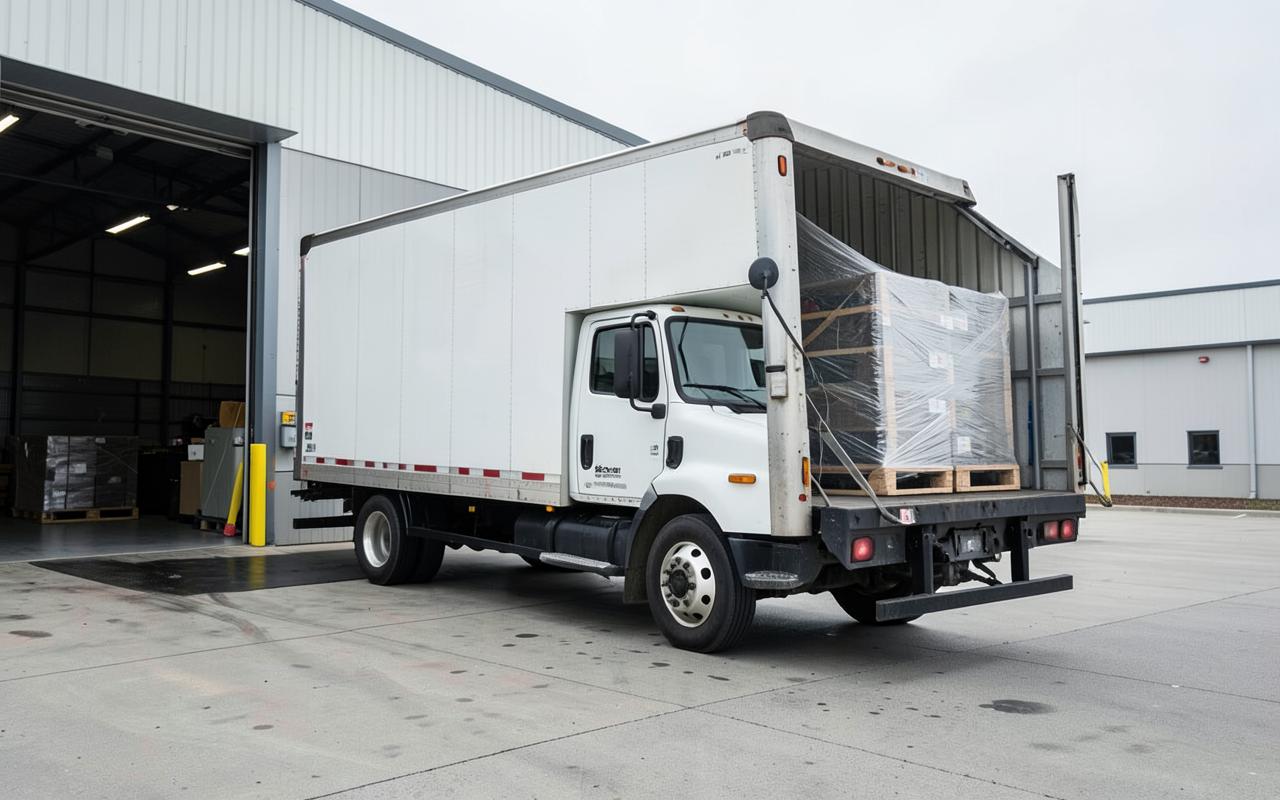
Many businesses don't need to choose exclusively between the two. A practical middle ground is using a dedicated straight truck for regional lanes and multi-stop Eastern Ontario runs — for example, a single truck serving Belleville, Kingston and Napanee on one route — while relying on broader LTL networks for less frequent, longer-distance shipments outside the region.
This hybrid model gives businesses the handling and scheduling advantages of dedicated service on routes they use often, without needing to book a dedicated truck for every single shipment across the province.
A quick decision guide
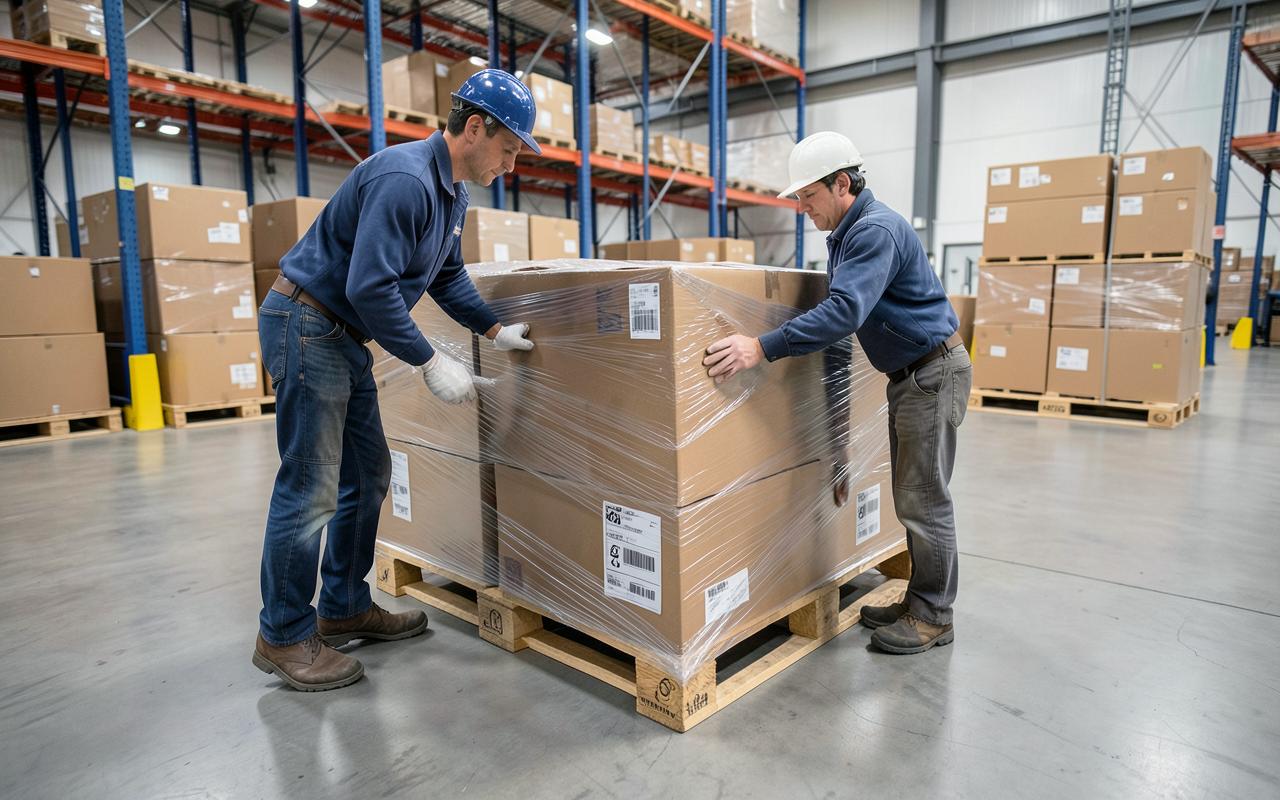
When deciding which option fits a given shipment, it helps to work through a short set of questions before booking.
- Is this a one-time shipment or part of a recurring route?
- How many pallets or how much weight is involved?
- How sensitive is the freight to handling or delay?
- Do you need a specific delivery window, or is a flexible arrival acceptable?
- Would combining this shipment with other regional stops make sense?
Making the right call for your freight
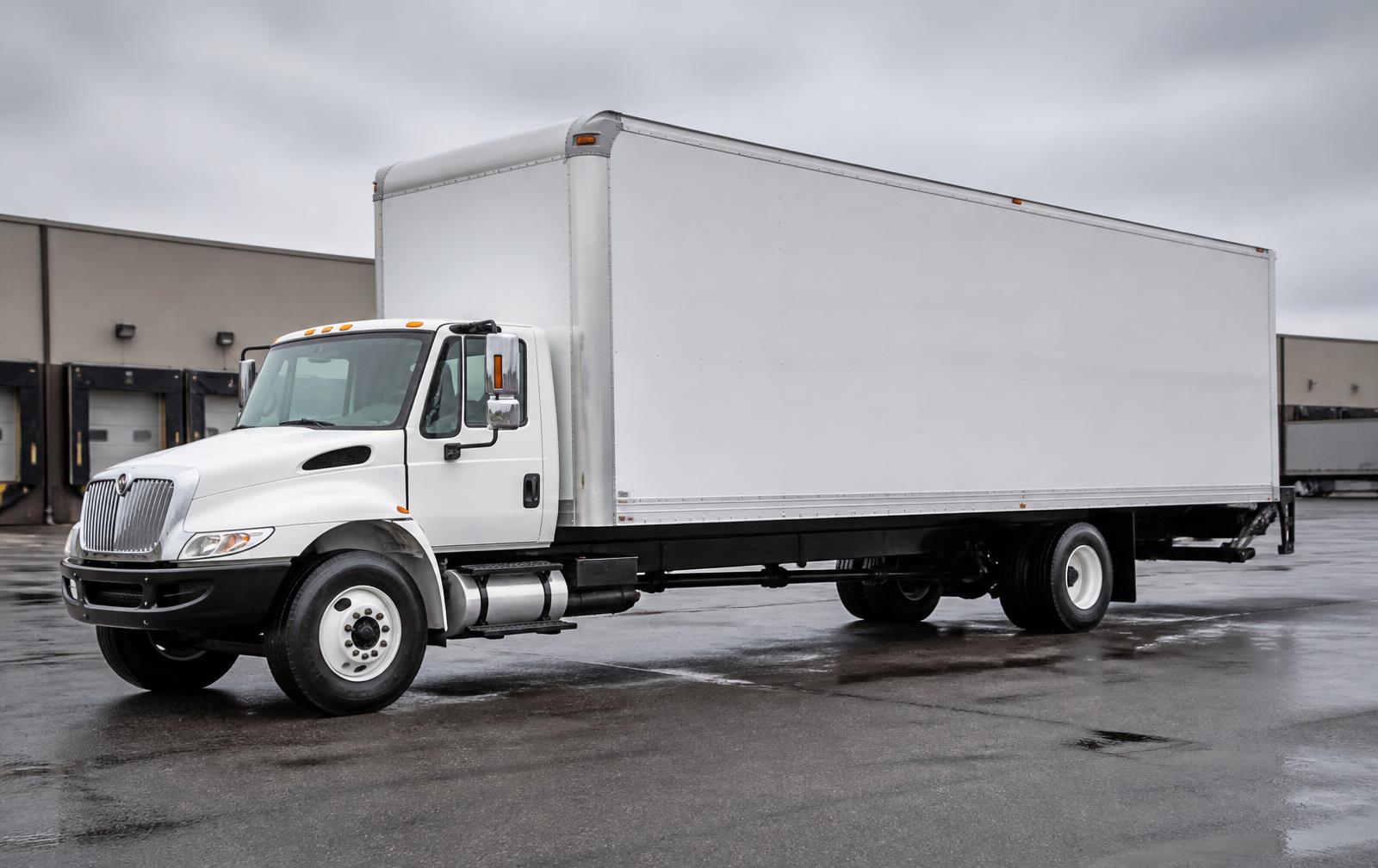
Both LTL vs dedicated truck delivery models have a place in Ontario's freight landscape, and the better fit depends on your shipment size, frequency and tolerance for handling risk versus cost sharing. Straight trucks used for 26 ft straight truck freight delivery are a common choice for the dedicated side of this comparison, particularly for regional Eastern Ontario routes.
If you're weighing your options for an upcoming shipment, pallet delivery across Ontario and our guide to choosing a commercial delivery partner in Eastern Ontario are useful next reads. When you're ready to move freight, request a quote from Quinte Express and we'll help determine whether dedicated or shared service fits your shipment best.
Frequently asked
- Is LTL or dedicated truck delivery cheaper?
- It depends on shipment size and frequency. LTL can lower per-shipment cost for small, occasional loads by sharing space with other shippers, while dedicated delivery can reduce indirect costs from handling and delay, particularly for larger or recurring shipments.
- Does LTL freight get handled more than dedicated freight?
- Generally yes. LTL freight typically passes through one or more terminals for cross-docking, meaning it's loaded and unloaded multiple times, while dedicated freight is usually handled once at pickup and once at delivery.
- When should a business switch from LTL to dedicated delivery?
- Businesses often move to dedicated service once shipments become larger, more frequent, or more sensitive to handling and scheduling. A recurring regional route is a common trigger for making that switch.
- Can a hybrid approach work for regional shipping?
- Yes. Many Eastern Ontario businesses use a dedicated straight truck for regional, multi-stop routes while still relying on LTL networks for occasional longer-distance shipments outside the region.
- What equipment is typically used for dedicated delivery?
- Dedicated delivery in this region is commonly handled with 26 ft straight trucks, which can be equipped with power liftgates and strapping systems suited to palletized commercial freight.
Services in this article
More logistics & transportation guides
More from the commercial freight series
- What Is Dock-to-Dock Delivery? A Complete Guide for Ontario Businesses
- Dock-to-Dock vs. Curbside Delivery: Which Is Right for Your Business?
- Warehouse-to-Warehouse Freight Delivery Across Ontario
- How Dock-to-Dock Delivery Works From Pickup to Final Receiving Dock
- Commercial Freight Delivery Between Toronto and Eastern Ontario
- Belleville Freight Delivery: Connecting Warehouses, Suppliers and Businesses
Not sure which freight option fits?
Whether your shipment calls for shared LTL space or a dedicated truck, Quinte Express can help you weigh the options for your route and volume. Request a quote to discuss the best fit for your freight.