Part of our commercial freight series. Start with the guide to dock-to-dock freight delivery in Ontario.
Logistics & Transportation
Choosing a Commercial Delivery Partner in Eastern Ontario: 10 Questions to Ask
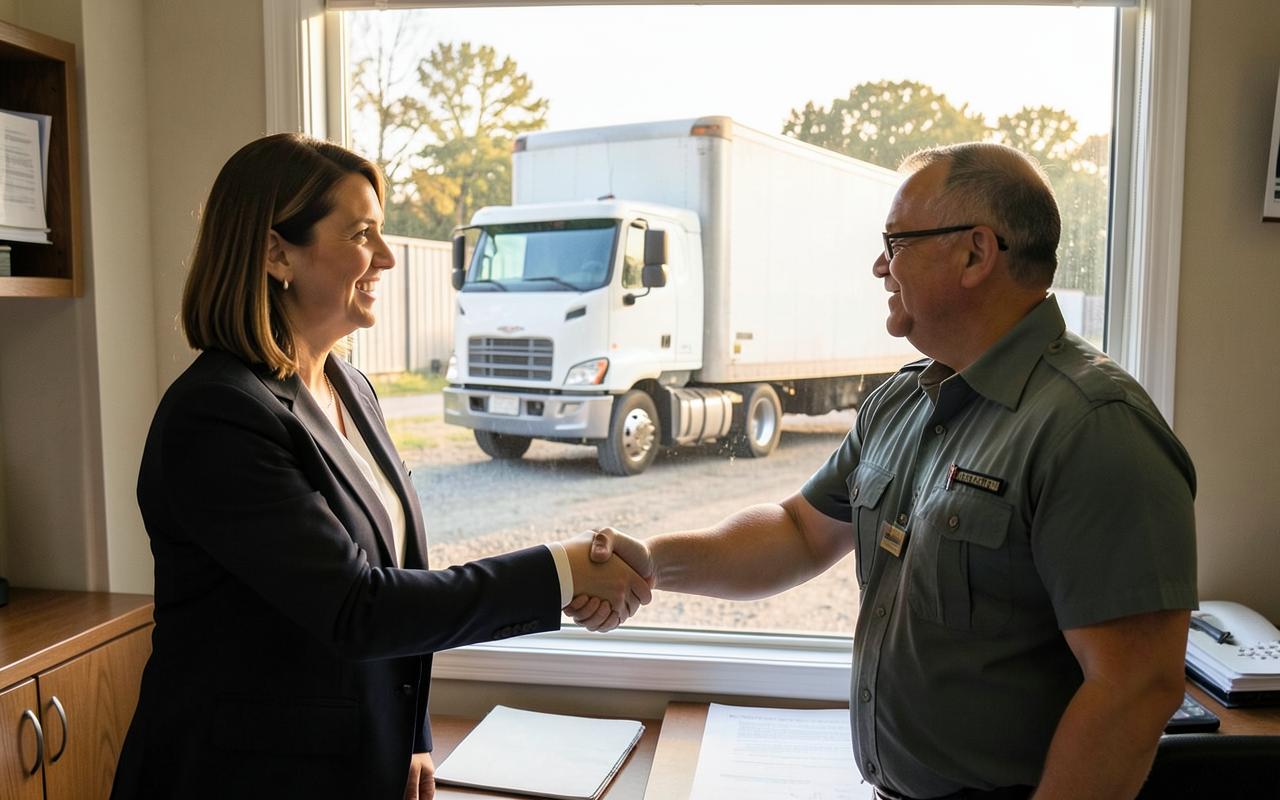
Not every carrier is set up the same way. Before you commit to a commercial delivery company in Eastern Ontario, here are 10 questions worth asking to make sure they can actually handle your freight the way your business needs it handled.
Why the right questions matter before you sign on
Picking a commercial delivery company in Eastern Ontario is easy to get wrong if you only compare quotes. Two carriers can look similar on paper and behave very differently once freight is actually moving — one shows up on time with the right equipment, the other leaves you guessing. Asking the right questions upfront saves a lot of frustration later.
This matters more for businesses that ship regularly, since a mismatch with a carrier does not just cost one bad delivery — it repeats every week. The questions below cover service area, equipment, scheduling, communication and pricing, and are the same things we would want a business to ask before choosing Quinte Express or anyone else.
Coverage and service area
1. Does the carrier actually serve your route regularly?
Some carriers will accept a booking outside their normal territory but treat it as an exception, which can mean less predictable scheduling. Ask whether your route — say, Belleville to Ottawa, or Kingston to the GTA — is part of their regular operating area or a special case.
2. Can they handle both local and longer-distance runs?
A business that ships within the Quinte region one week and to Toronto or Ottawa the next benefits from a carrier that covers both without needing to switch providers. Ask directly what the edges of their coverage look like along the Highway 401 corridor and beyond.
Equipment and freight handling
3. What kind of trucks and equipment do they run?
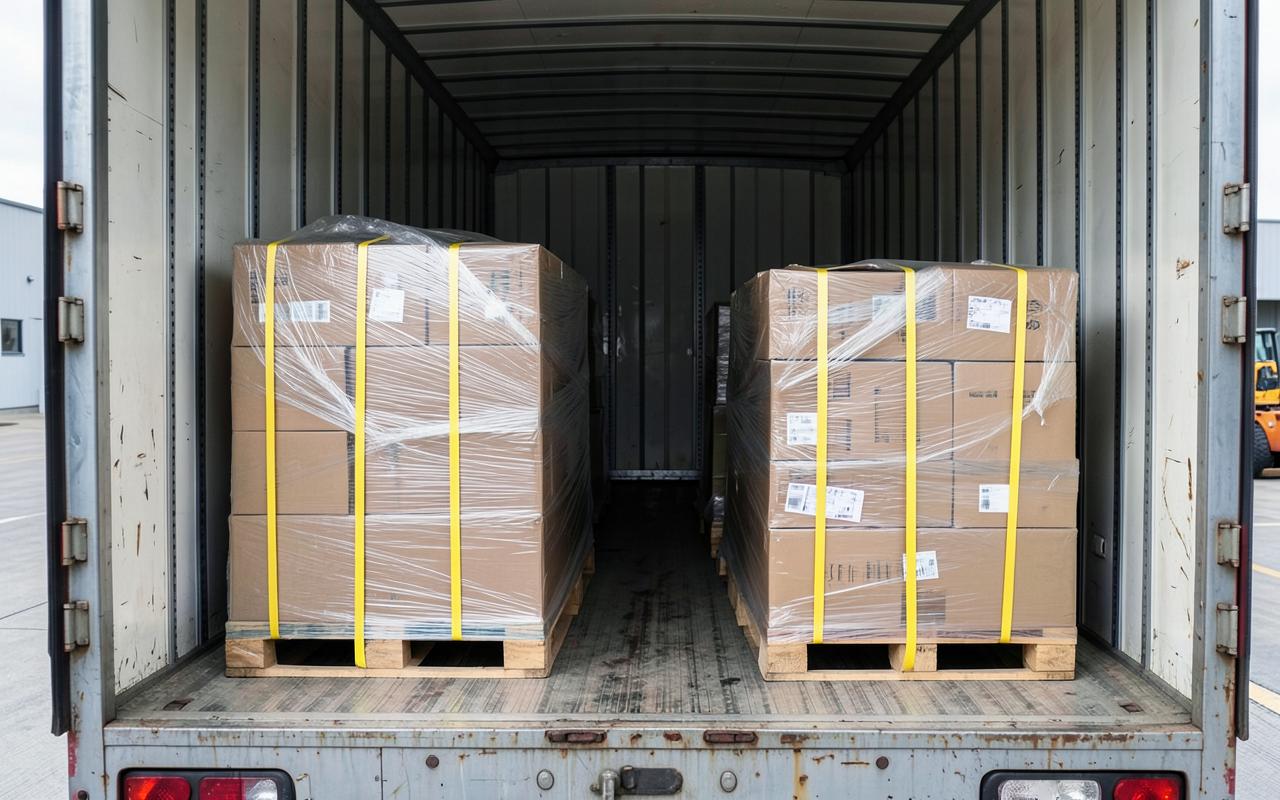
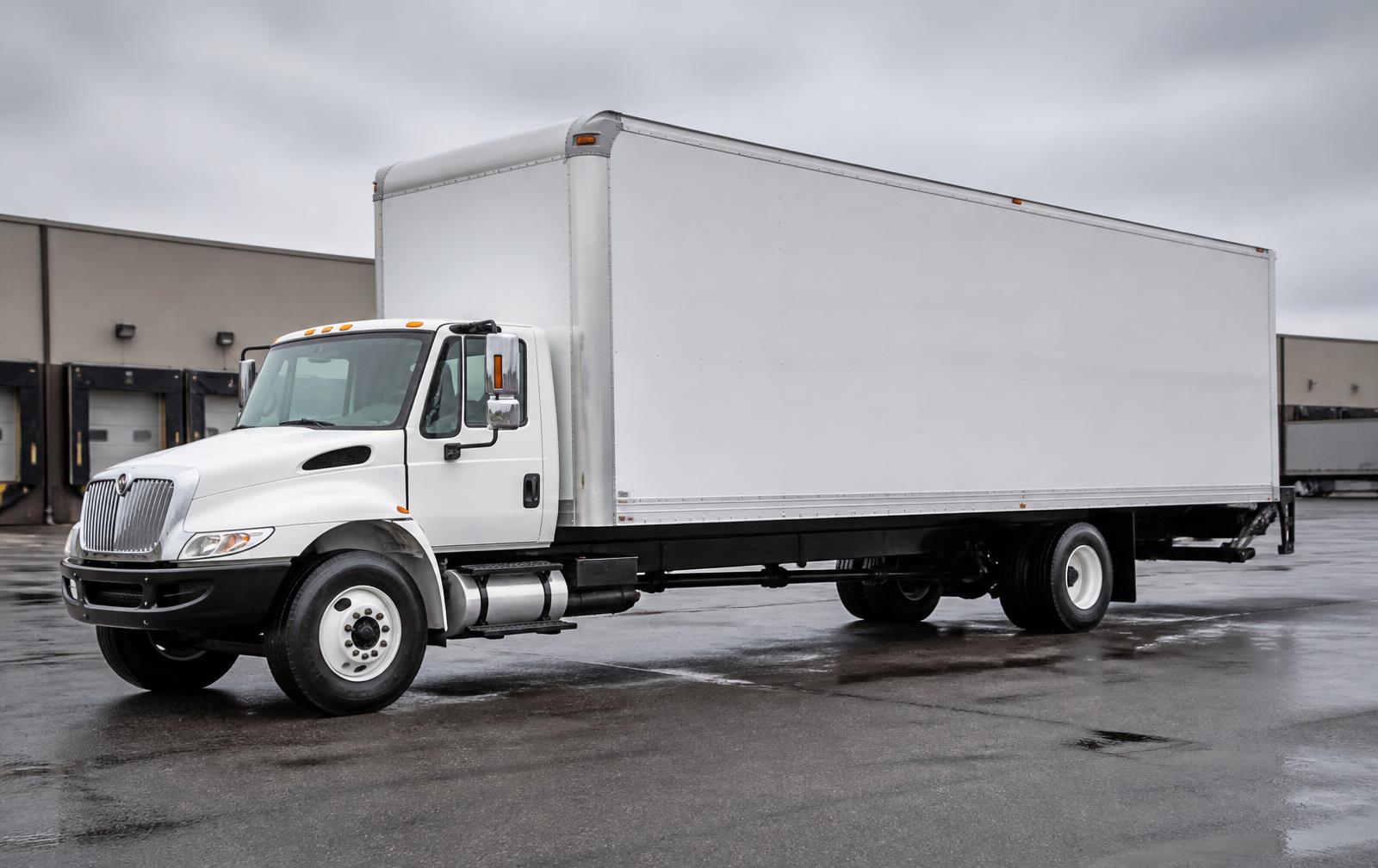
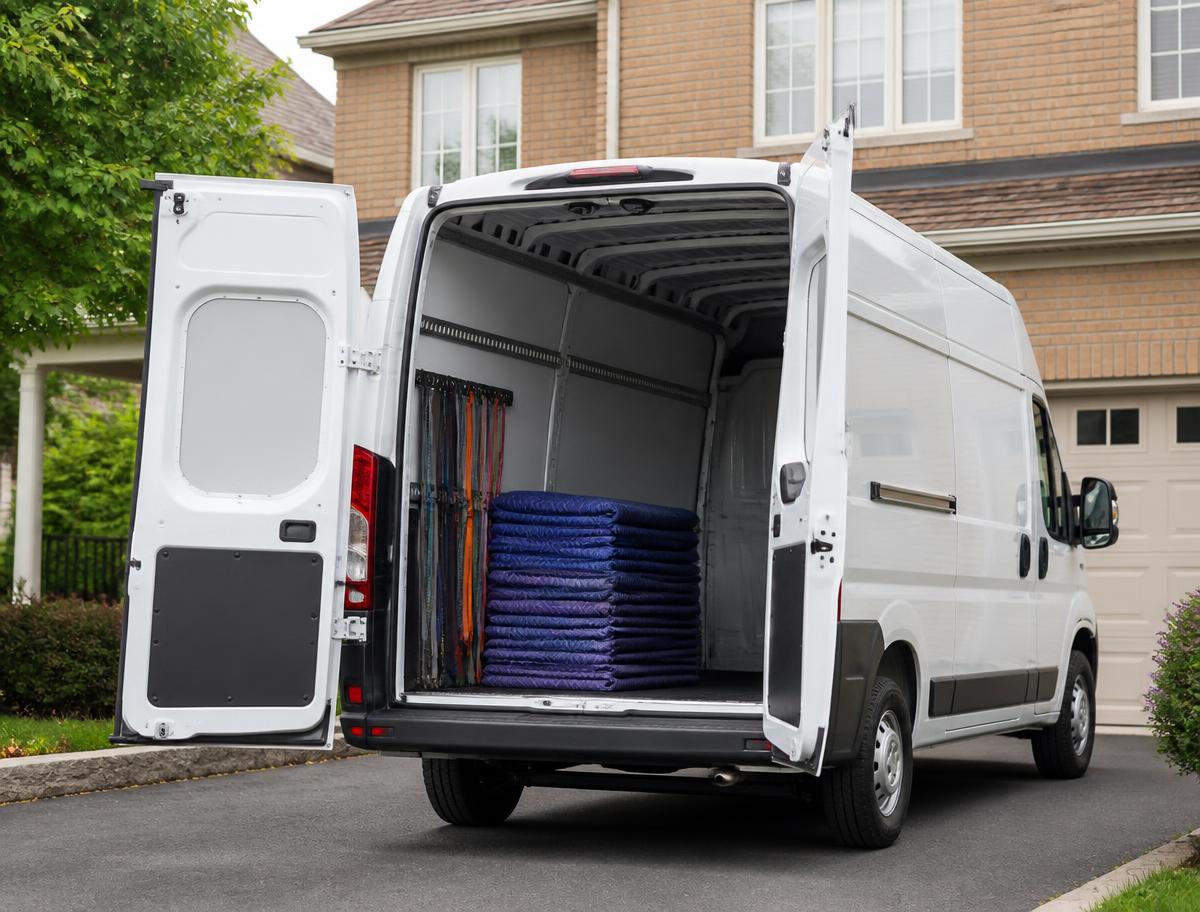
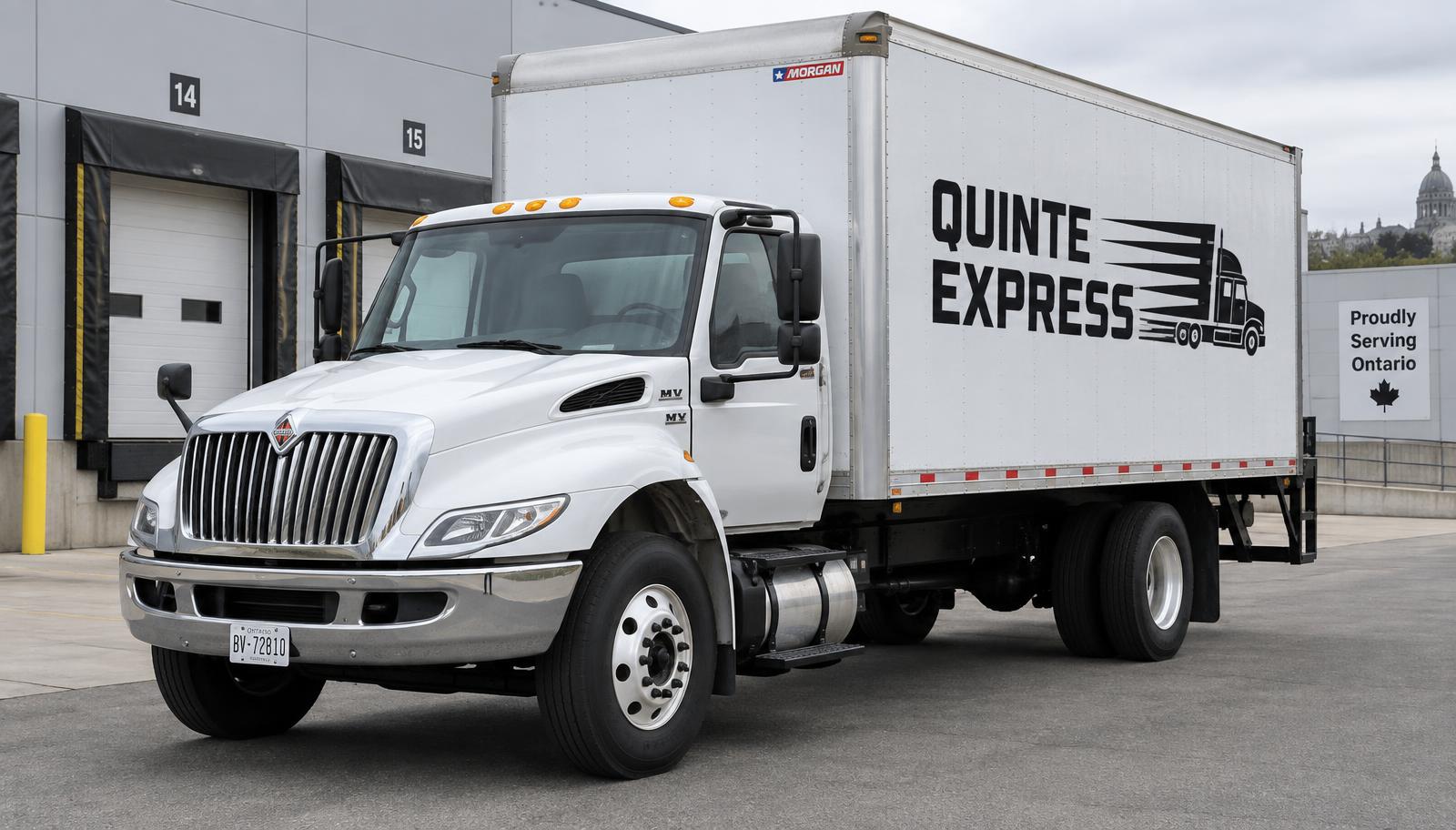
Equipment determines what kind of freight a carrier can handle well. A 26 ft straight truck with a power lift gate is well suited to palletized commercial freight, while a cargo van is a better fit for smaller, tighter urban deliveries. Ask what is actually in their fleet, not just what they advertise generally.
4. Is a liftgate available for locations without a dock?
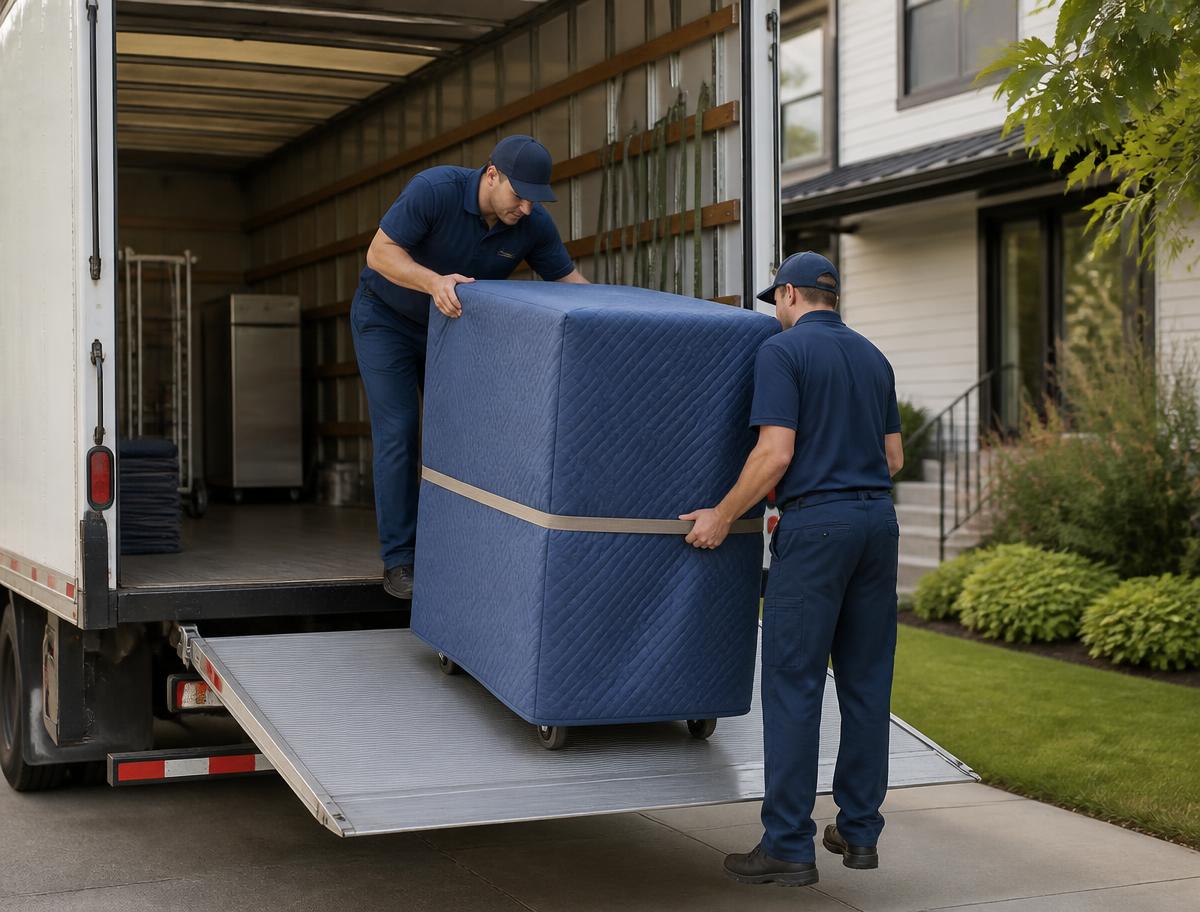
Many receiving locations — retail units, offices, job sites — do not have a loading dock. A liftgate lets a truck bring palletized freight down to ground level safely. A good answer confirms liftgate availability as standard equipment, not a special request that costs extra planning time.
5. What types of freight do they regularly handle?
A carrier's comfort level with your freight type matters. Pallet delivery, boxed freight and furniture each require slightly different handling. A good answer describes specific freight types they move regularly rather than a vague ‘we can take anything.’
Delivery capability and scheduling
6. Can they handle true dock-to-dock delivery?
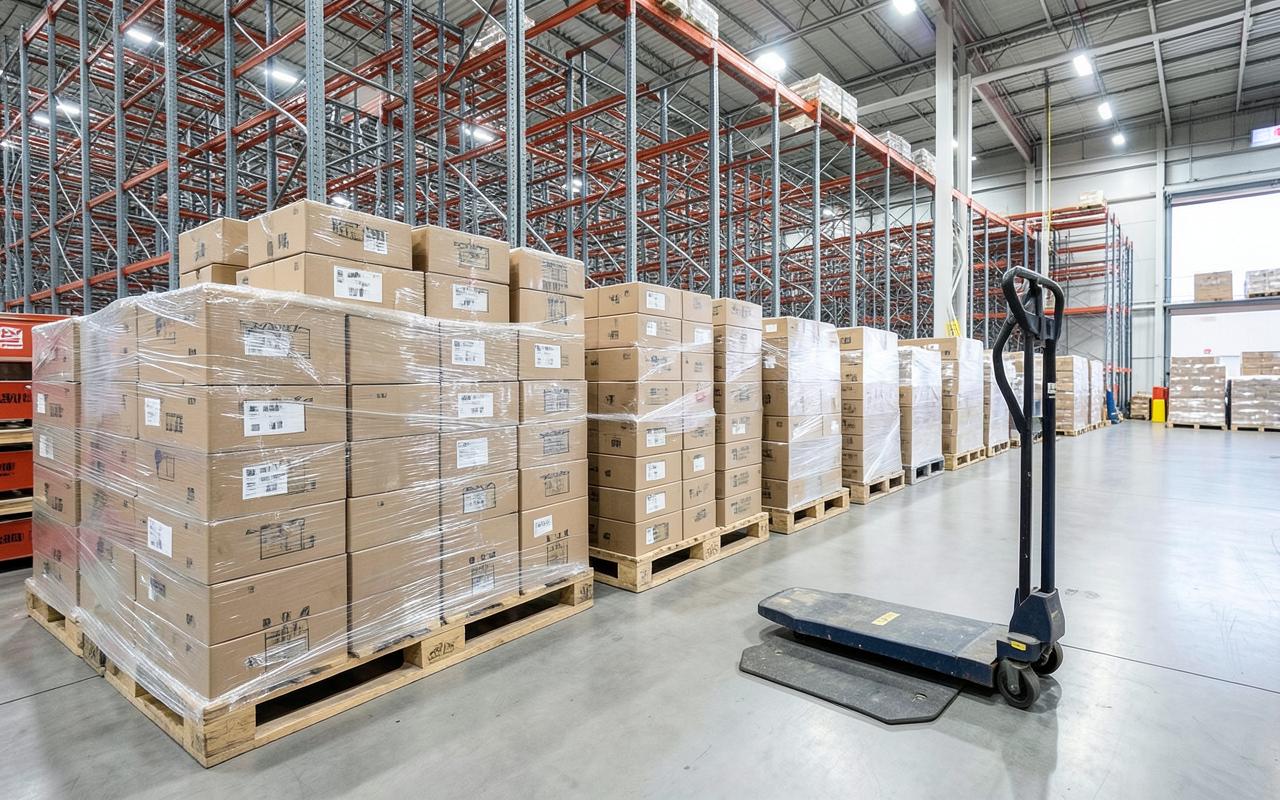
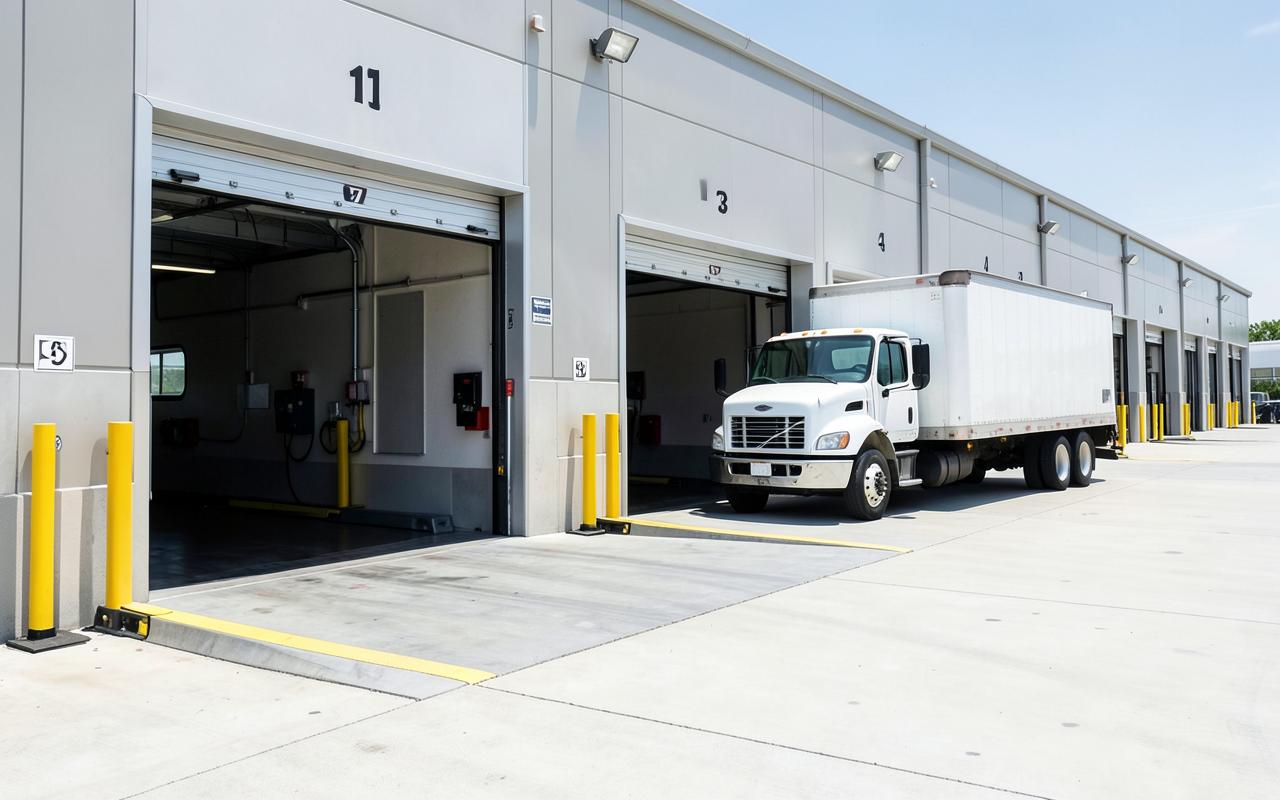
If your business ships between warehouses or distribution centres, ask specifically whether the carrier offers dock-to-dock delivery rather than curbside drop-off only. This affects who unloads the freight and how much labour your receiving team needs to plan for.
7. How do they handle scheduling and appointment windows?
Receiving docks often run on scheduled appointment windows, and a missed window can mean a rescheduled delivery. A good answer explains how they confirm windows in advance and what happens if a delay puts a delivery at risk of missing one.
8. Can they support recurring or scheduled transportation?
If you ship regularly — weekly restocking, recurring job site deliveries — ask whether the carrier can set up a standing arrangement rather than booking each shipment as a one-off, and whether a dedicated truck makes more sense than shared LTL space for your volume. A good answer describes how recurring runs are scheduled and who your regular point of contact would be.
Communication and accountability
9. How do they communicate updates and confirm delivery?
Ask how you would find out if a delivery is running early, late or needs a scheduling change, and what proof of delivery looks like. A good answer includes text or call updates around delivery time and photo proof of delivery with signature capture, not just a verbal confirmation after the fact.
10. What should a good quote actually include?
A vague quote is a warning sign. A good quote should clearly state the equipment being used, the pickup and delivery locations, any special handling like a liftgate requirement, and what is included in scope — for example, whether liftgate delivery to ground level is included or considered an add-on. Ask for that detail before comparing prices.
Putting it together: a short evaluation checklist
Once you have asked these 10 questions, it helps to write down the answers side by side if you are comparing more than one carrier. Consistency and specificity in the answers usually say more than the answers themselves — a carrier who can describe their equipment, coverage and process clearly is more likely to deliver on it.
- Confirmed regular coverage of your route, not just a one-off exception
- Specific equipment list including liftgate availability
- Clear answer on dock-to-dock versus curbside capability
- Defined process for scheduling and appointment windows
- Willingness to support recurring, scheduled transportation
- Proactive communication and documented proof of delivery
- A detailed quote that spells out scope, not just a number
Finding the right fit for your business
The best commercial delivery company in Eastern Ontario for your business is the one whose equipment, coverage and communication style actually match how you ship — not just the lowest quote on a page. Asking these 10 questions upfront, before your freight is on the truck, is the fastest way to find out.
Quinte Express is a locally owned carrier running out of a Belleville terminal, with 26 ft straight trucks with power lift gates and cargo vans, trained two-person crews, and photo proof of delivery on every run — the same standards outlined in our guide to choosing a last mile partner in Eastern Ontario. We serve Eastern Ontario, the GTA, Ottawa and destinations across Ontario. You can learn more about our company or request a quote and ask us these same 10 questions directly.
Frequently asked
- What is the most important question to ask a delivery company?
- Whether they can handle your specific freight type and delivery scenario — for example, dock-to-dock delivery or liftgate access — since equipment mismatches cause more problems than almost anything else.
- Should I choose a carrier based on price alone?
- Price matters, but a very low quote that lacks detail on equipment, scope and handling can end up costing more in delays or damage. A clear, itemized quote is a better indicator of reliability than price alone.
- How do I know if a carrier can handle recurring deliveries?
- Ask directly how they set up standing or scheduled runs and who your point of contact would be. A carrier used to recurring business freight will have a straightforward answer rather than treating it as unusual.
- Does proof of delivery really matter for a small business?
- Yes. Photo proof of delivery and signature capture protect both the shipper and the receiver if there is ever a question about condition, quantity or delivery time, regardless of business size.
- What if my business ships both locally and to the GTA or Ottawa?
- Ask whether the carrier covers both your local area and longer regional routes consistently. A carrier that serves Eastern Ontario, the GTA and Ottawa under one relationship simplifies scheduling compared with using different carriers for different distances.
Services in this article
More logistics & transportation guides
More from the commercial freight series
- What Is Dock-to-Dock Delivery? A Complete Guide for Ontario Businesses
- Dock-to-Dock vs. Curbside Delivery: Which Is Right for Your Business?
- Warehouse-to-Warehouse Freight Delivery Across Ontario
- How Dock-to-Dock Delivery Works From Pickup to Final Receiving Dock
- Commercial Freight Delivery Between Toronto and Eastern Ontario
- Belleville Freight Delivery: Connecting Warehouses, Suppliers and Businesses
Ask us these questions directly
Quinte Express is a locally owned carrier serving Eastern Ontario, the GTA, Ottawa and all of Ontario from our Belleville terminal. Request a quote and ask us about our equipment, scheduling and proof of delivery process.