Part of our commercial freight series. Start with the guide to dock-to-dock freight delivery in Ontario.
Delivery Tips
Freight Delivery Appointment Scheduling: Why Receiving Windows Matter

A truck arriving at the right time matters as much as the freight arriving at all. Freight delivery appointment scheduling keeps docks moving and avoids the wasted time that comes from an unplanned arrival.
Why receiving windows exist
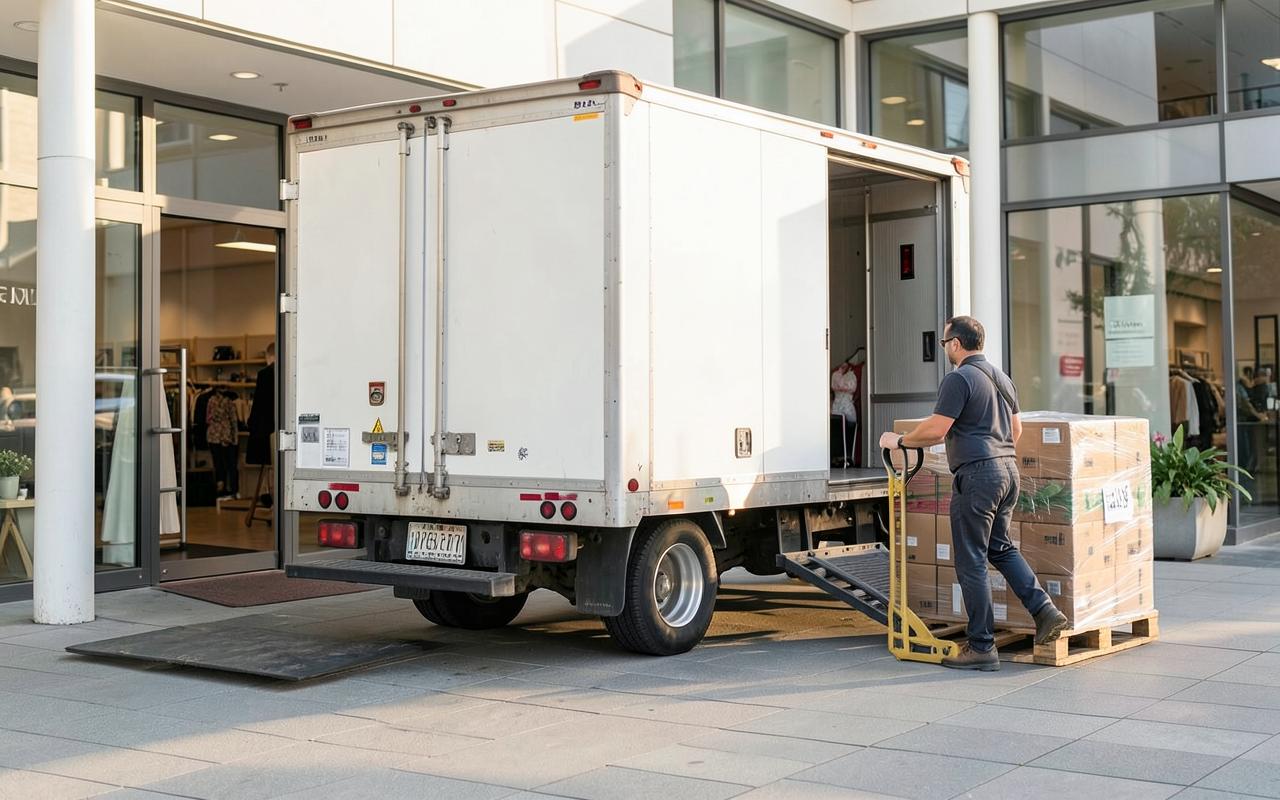
Warehouses, distribution centres and busy retail locations rarely have unlimited dock space or staff available at every hour of the day. A receiving window is simply a block of time when a facility has committed staff and a dock to unload incoming freight. Freight delivery appointment scheduling exists to match trucks to those windows so nobody is waiting around and no dock sits idle.
Without a scheduling system, multiple carriers could show up at the same dock at once, or a truck could arrive when no staff are available to receive it. Appointment scheduling is a coordination tool as much as it is a courtesy, and it benefits both the receiver and the carrier. If you are newer to commercial freight, our guide to dock-to-dock freight delivery in Ontario covers the fundamentals this article builds on.

The cost of an unplanned arrival
When a truck arrives outside a scheduled window, the driver may have to wait until a dock frees up or staff become available. This waiting time, often called detention, is a real cost to the carrier's schedule even without attaching a dollar figure to it — every minute spent waiting at one dock is a minute not spent moving toward the next delivery on a route.
On a multi-stop route, a single delay at one appointment window can cascade into every stop after it running late. This is particularly true across Eastern Ontario, where a route might include stops in Belleville, Kingston and Napanee on the same day, each with its own receiving expectations.
What receivers should have ready
A smooth appointment depends on the receiving location being as prepared as the truck arriving. Dock staff should have the expected shipment details on hand — purchase order numbers, expected piece count, and any special handling notes — so the freight can be checked in quickly rather than researched on the spot.
Having a forklift or pallet jack staged and ready, rather than needing to be tracked down after the truck backs in, also keeps an appointment window from running long. Small preparation steps like these are what separate a five-minute dock exchange from a twenty-minute one.
- Expected shipment details (PO number, piece count) confirmed before the truck arrives
- Forklift or pallet jack staged at the correct dock door
- Dock door assigned and clear of other freight or equipment
- A named contact who can meet the driver or answer questions
- Bill of lading or receiving paperwork ready for signature
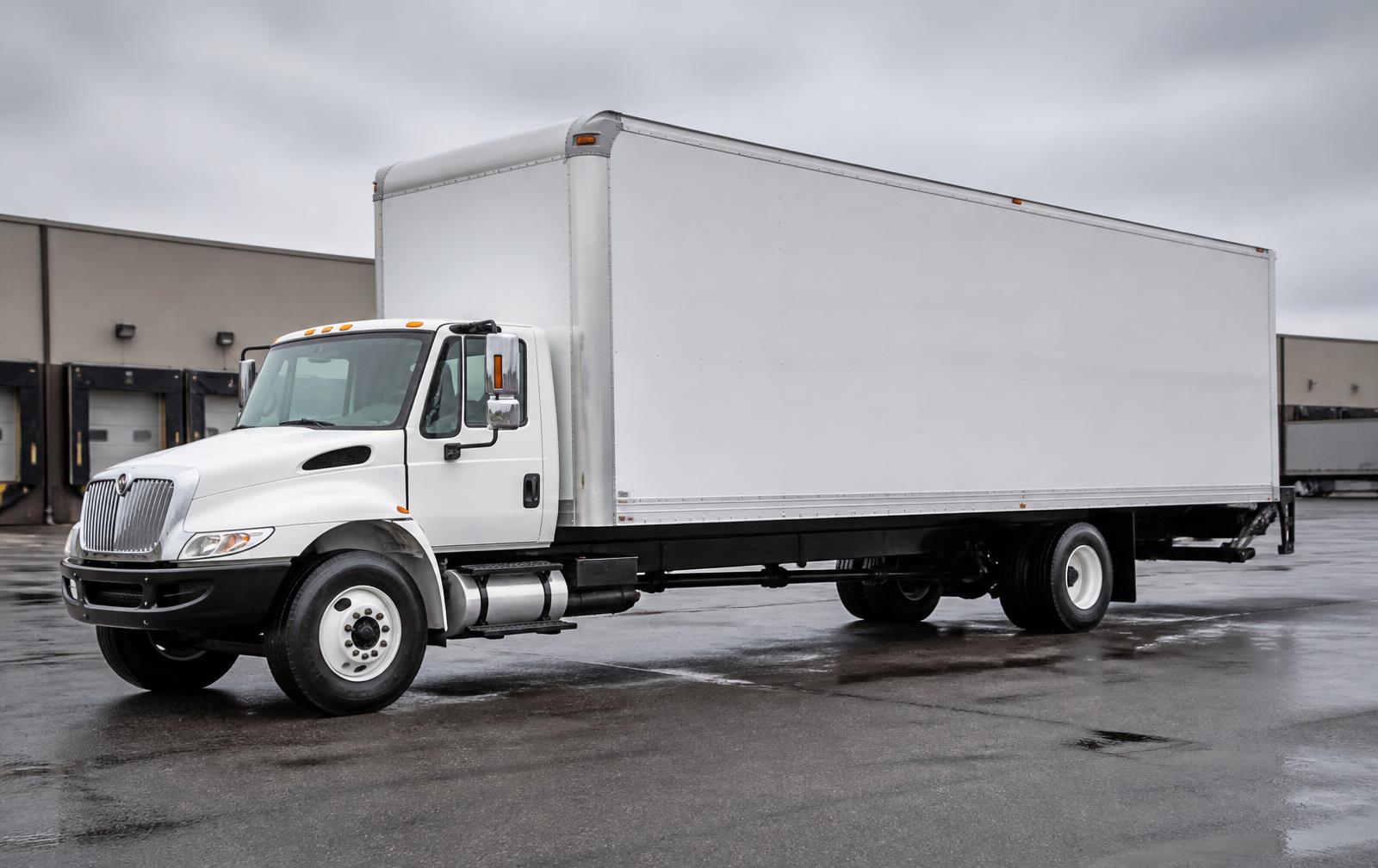
Communication before and during delivery
A call-ahead or text notification shortly before arrival gives receiving staff time to have the right dock and personnel ready, especially at locations without a formal appointment system. Providing a contact name on both ends, not just a general company line, means questions can be answered quickly if something needs to be confirmed on the day.
This is especially useful for last-mile and retail deliveries where the person expecting the shipment may not be at a desk near a phone all day. A short heads-up call avoids a truck sitting outside while someone is tracked down inside the building.
Appointment-required receivers vs. first-come locations
Appointment-required distribution centres
Larger distribution centres and many retail chains require a confirmed appointment before a truck will even be allowed to check in. Missing this window can mean the truck is turned away and rescheduled for another day, which affects everything else on that route.
First-come receivers
Smaller businesses, independent retailers and many job sites operate on a first-come basis within general receiving hours rather than a strict appointment. Even here, a call-ahead is worth doing, since it is common courtesy and avoids arriving when the location happens to be short-staffed.
Missed appointments and how rescheduling works
When a truck misses its appointment window, whether due to traffic, an earlier delay, or a receiver's own scheduling issue, the usual outcome is rebooking for another available slot. This is why building some buffer into a multi-stop schedule matters — a route planned with no slack at all is vulnerable to a single early delay pushing every later appointment out of reach.
Clear communication when a delay becomes likely is far better than a truck simply showing up late and unannounced. A quick call to the receiving contact to confirm whether the original window can still work, or whether it needs to move, keeps the relationship functional and avoids a wasted trip.
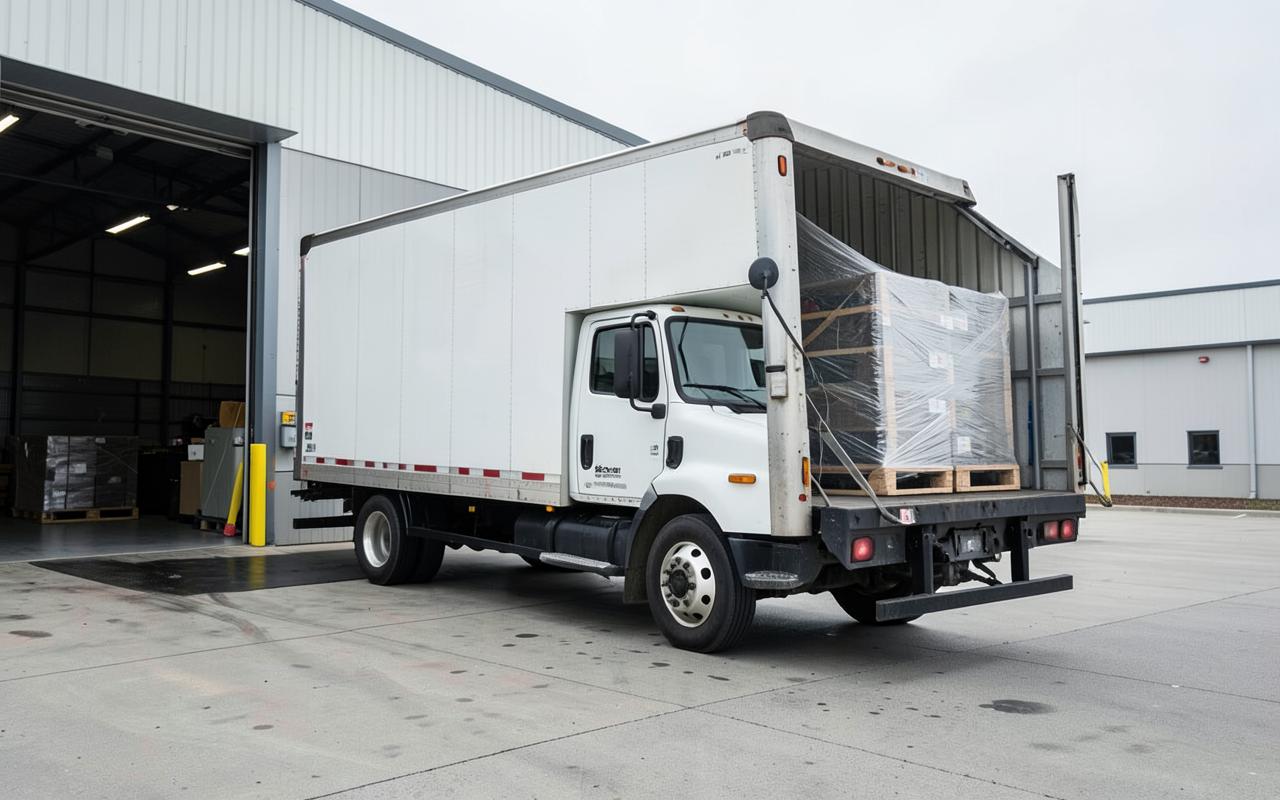
Sequencing a multi-stop Eastern Ontario route
Planning a route with several appointment-based stops means working backward from each receiver's committed window, then sequencing pickups and deliveries so the truck arrives within each one. A route through the Highway 401 corridor touching Belleville, Trenton and Kingston, for example, needs its Belleville appointment early enough that traffic or a longer-than-expected stop does not put the Kingston window at risk later in the day.
Seasonal peaks add another layer to this planning. Retail freight delivery in the weeks before a major shopping season, or distribution centre volume spikes around inventory resets, mean appointment windows fill up faster and get stricter about being met. Booking ahead during these periods matters more than usual.
Practical advice for shippers and receivers
Freight delivery appointment scheduling works best when both sides treat the window as a real commitment, not a rough estimate. A few habits make a noticeable difference over time. Appointments are one step in a longer chain; see how dock-to-dock delivery works from pickup to final receiving dock for the full sequence.
- Confirm the appointment window in writing before the day of delivery
- Provide a direct contact name and phone number, not just a general line
- Have paperwork and equipment staged ahead of the scheduled time
- Call ahead if a delay looks likely, rather than arriving late unannounced
- Build buffer time into multi-stop routes around known appointment-required stops
- Book earlier during seasonal peaks when dock availability tightens
Keeping deliveries on schedule
Appointment scheduling is one of the simplest ways to keep freight moving efficiently between shippers, carriers and receivers. It reduces wasted time at the dock, keeps multi-stop routes realistic, and gives everyone involved a shared expectation for when freight will actually arrive.
If you are coordinating deliveries that depend on tight receiving windows, from a single Belleville dock to a multi-stop last-mile route, request a quote and we can plan a schedule around your appointments.
Frequently asked
- What is a receiving window?
- A receiving window is a scheduled block of time during which a facility has staff and dock space available to accept an incoming delivery. Appointments are typically booked in advance and confirmed with the carrier before the delivery date.
- What happens if a truck misses its appointment?
- Depending on the receiver, a missed appointment usually means rescheduling for another available window, which can be the same day or a later one. Some appointment-required distribution centres will not accept a truck without a valid appointment at all.
- Do small businesses need formal delivery appointments?
- Not always. Many smaller receivers operate on a first-come basis within general receiving hours rather than a strict appointment system, though a call-ahead is still good practice to confirm someone will be available.
- How far in advance should I book an appointment?
- This depends on the receiver's own scheduling process, but booking earlier is always safer, especially during seasonal peaks when dock availability tightens. For multi-stop routes, appointments should be confirmed before the full route is finalized.
- Why does one late appointment affect other deliveries?
- On a multi-stop route, time is planned around each committed window. A delay at one stop reduces the buffer available for every stop after it, which is why routes with several appointment-based receivers need realistic scheduling from the start.
Services in this article
More delivery tips guides
More from the commercial freight series
- What Is Dock-to-Dock Delivery? A Complete Guide for Ontario Businesses
- Dock-to-Dock vs. Curbside Delivery: Which Is Right for Your Business?
- Warehouse-to-Warehouse Freight Delivery Across Ontario
- Commercial Freight Delivery Between Toronto and Eastern Ontario
- Belleville Freight Delivery: Connecting Warehouses, Suppliers and Businesses
- Kingston Commercial Freight Delivery: A Guide for Local Businesses
Plan your delivery around your dock
We coordinate pickup and delivery times around receiving windows, appointment-required distribution centres and multi-stop Eastern Ontario routes. [Request a quote](/#quote) and let us build a schedule that works for your dock.