Part of our commercial freight series. Start with the guide to dock-to-dock freight delivery in Ontario.
Retail Delivery
Retail Store Freight Delivery: From Distribution Centre to Store
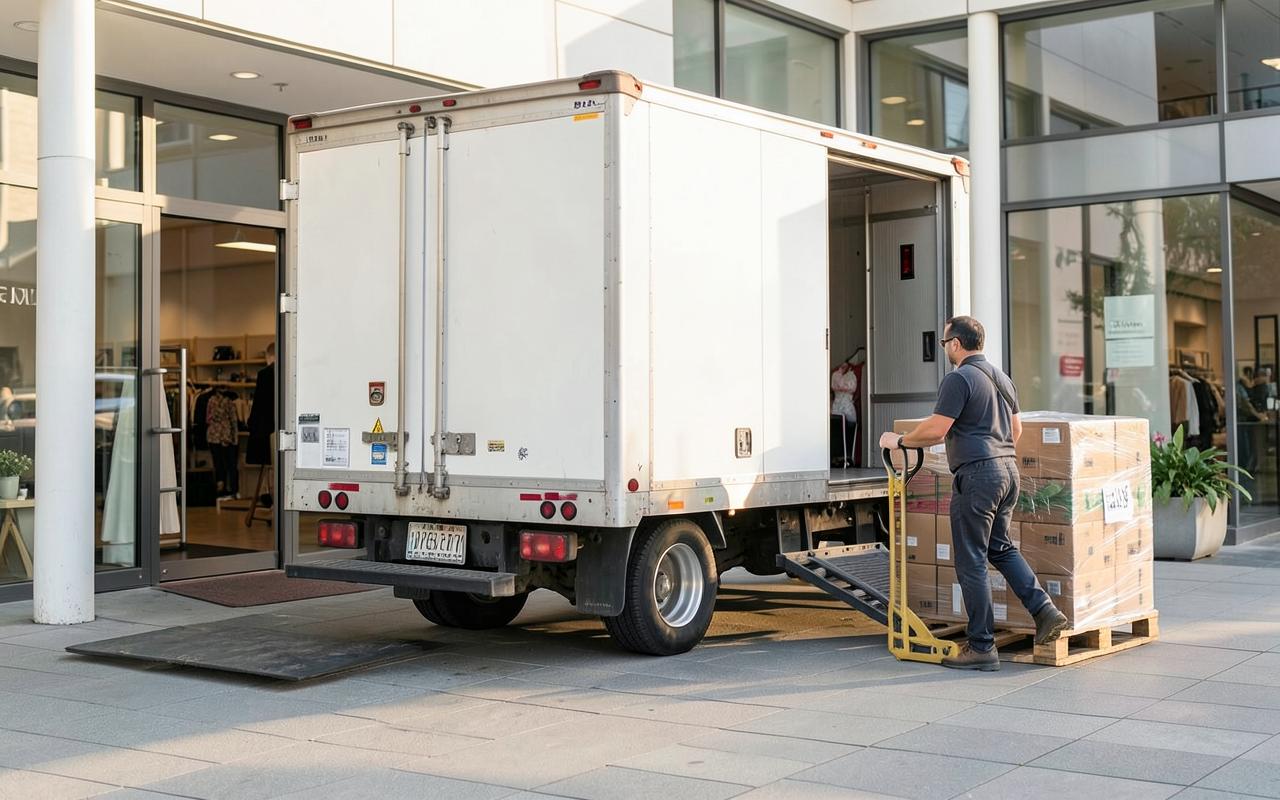
Getting inventory from a distribution centre onto store shelves depends on consistent, well-scheduled retail freight delivery. Here is how that final leg works and what retailers and suppliers should plan for.
The final leg of retail logistics
Retail freight delivery is the last stretch of a long supply chain that starts at a manufacturer or importer, flows through a distribution centre, and ends at a store shelf. While the earlier stages of that chain often move in bulk on larger trailers, the final delivery to an individual store is a different kind of logistics problem, built around smaller, more frequent shipments to a specific location on a set schedule.
For retailers, suppliers and logistics companies coordinating this last leg, the priorities shift toward reliability and timing rather than sheer volume. A store needs its replenishment freight to arrive when staff can receive it, not simply whenever a truck happens to be available. If you are newer to commercial freight, our guide to dock-to-dock freight delivery in Ontario covers the fundamentals this article builds on.
Store replenishment and recurring transportation
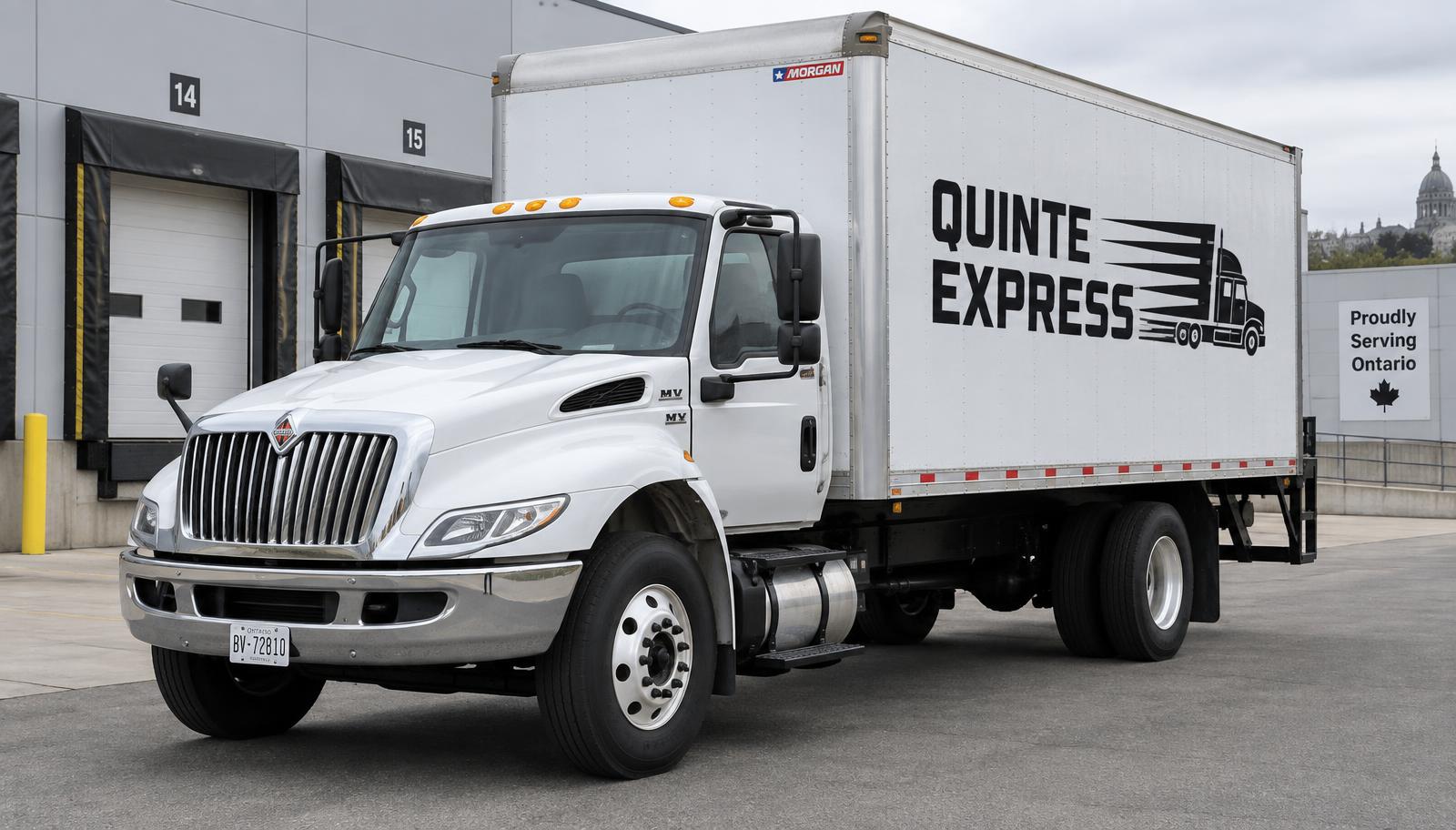
Most retail locations are not one-time delivery destinations. They are stops on a recurring transportation pattern, receiving palletized freight daily, weekly, or on whatever cadence matches their sales volume and shelf turnover. This regularity is part of what makes retail freight delivery different from a single commercial shipment.
Recurring deliveries also mean that small scheduling problems compound quickly. A missed appointment window at one store on a Tuesday can push into Wednesday's route, which affects every other stop planned for that day. Building consistency into store replenishment schedules protects the rest of the route as much as it protects the individual store.
Receiving windows and multiple stops
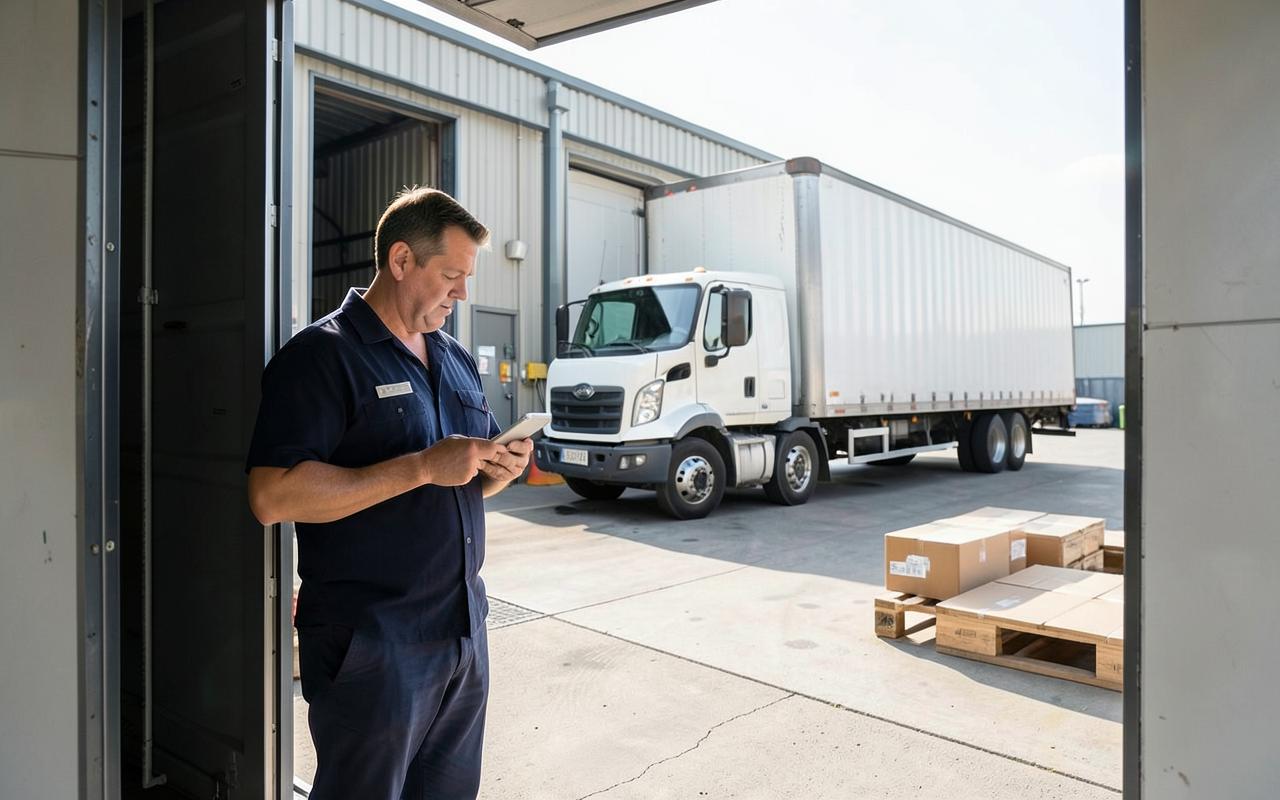
Retail stores typically set specific receiving windows, often before opening or during off-peak hours, so that freight deliveries do not interfere with customers or floor staff. Respecting these windows is one of the most important parts of reliable retail freight delivery.
Many delivery routes also cover multiple store locations in a single day, which requires careful sequencing so that each stop's receiving window is met without rushing the ones before it.
- Confirm each store's receiving hours before building the route
- Sequence multi-stop routes around the tightest receiving windows first
- Account for parking and back-door access at each location
- Communicate expected arrival times so store staff can plan labour accordingly
Back-door receiving versus stores with no dock
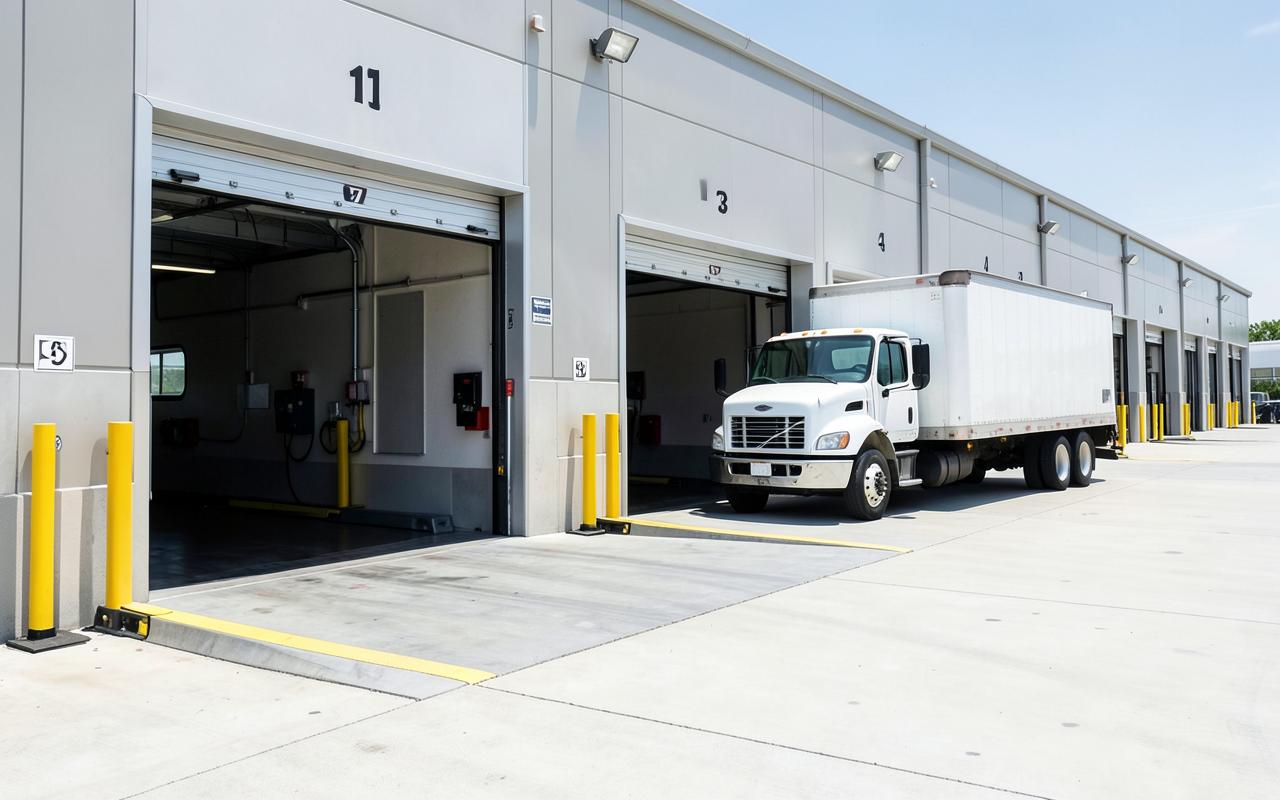
Not every retail location has a loading dock. Larger format stores in plazas and power centres often have a dedicated back-door receiving area with a raised dock, while smaller storefronts in downtown cores or strip malls may only have a rear door at grade, or no separate receiving entrance at all.
Matching equipment to store format
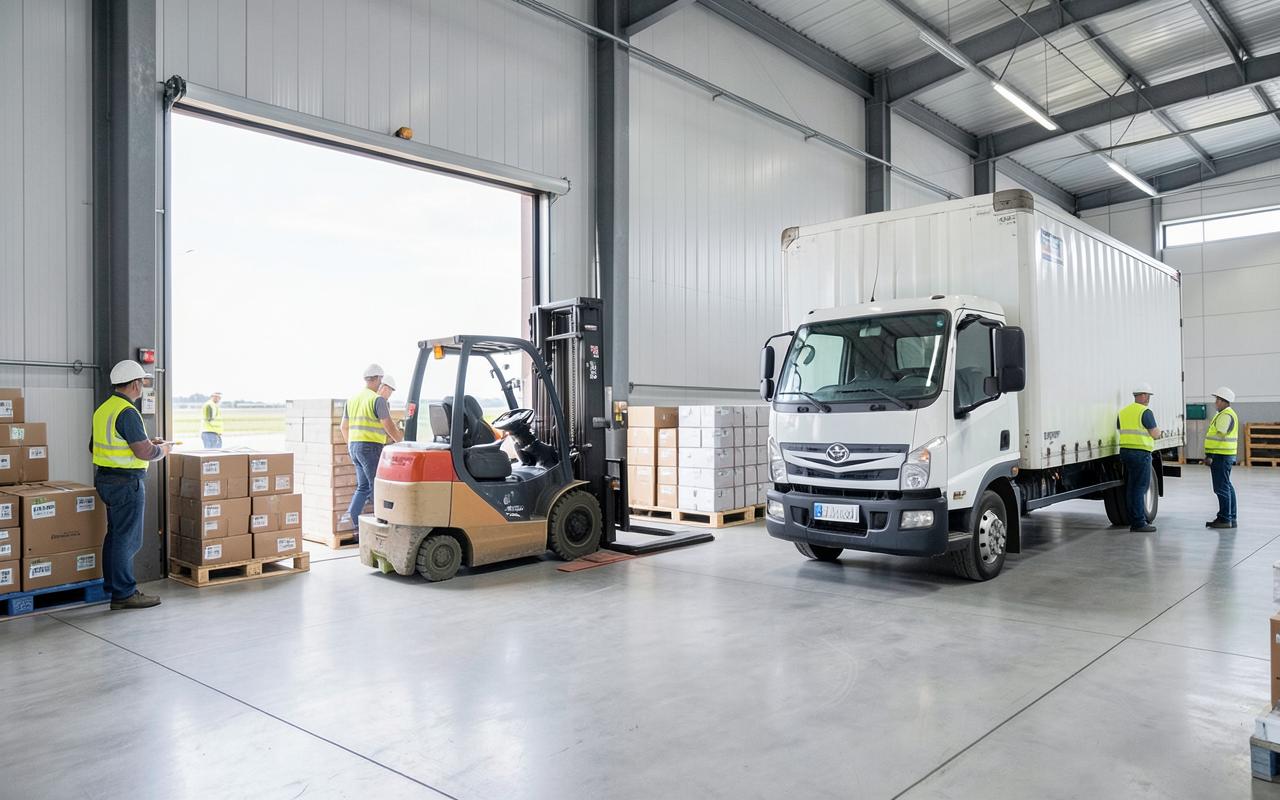
Large format stores with a proper dock can typically receive palletized freight quickly using a pallet jack. Smaller stores without a dock usually need a liftgate to bring pallets down to ground level, followed by a hand truck for the final distance to the stockroom. Knowing which type of store is on the route in advance avoids delays.
Documentation and seasonal demand
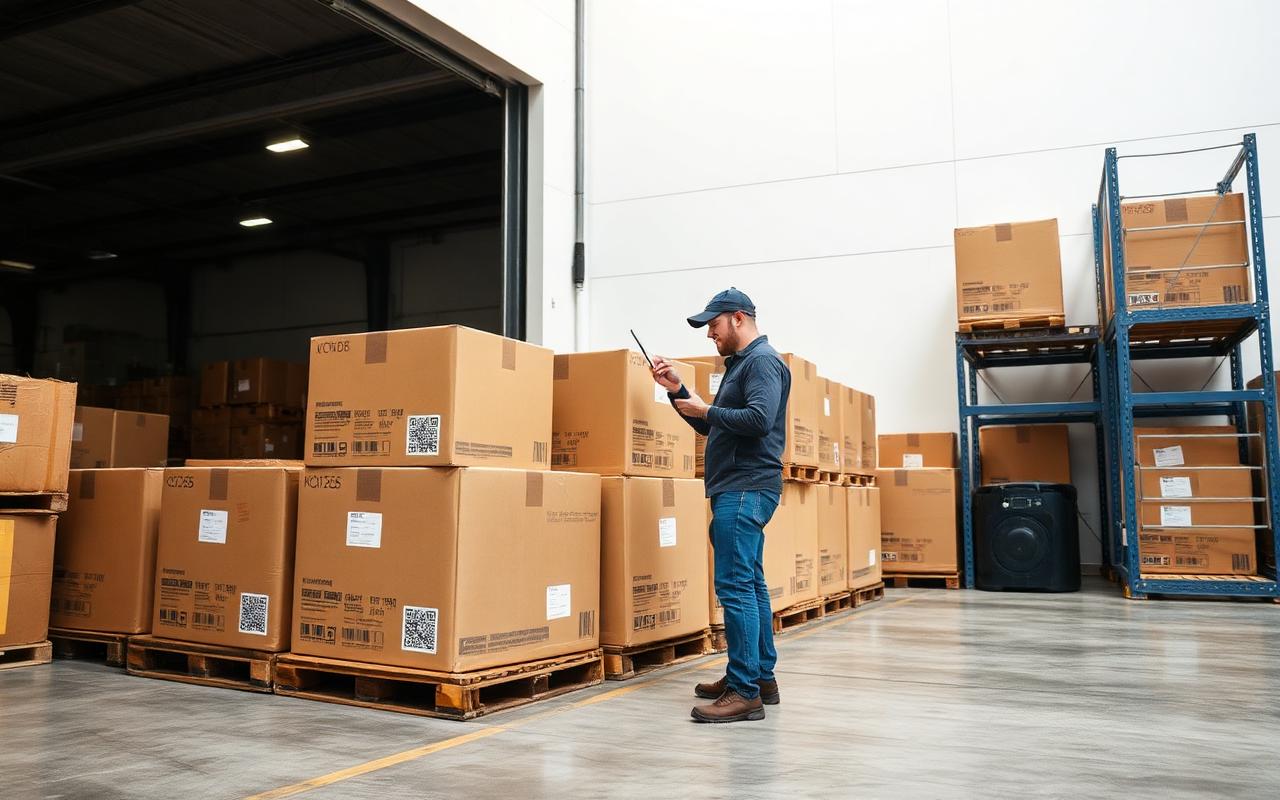
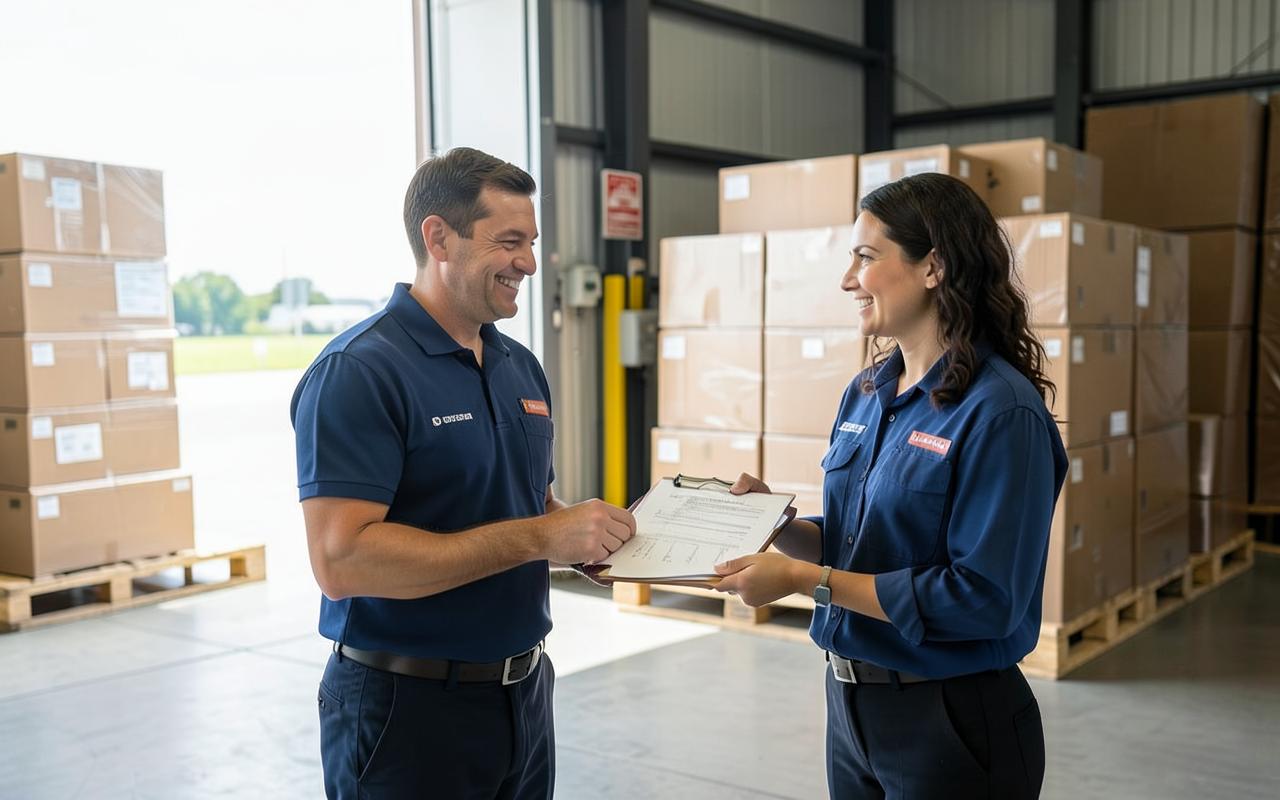
Delivery documentation matters throughout retail freight delivery, both for inventory accuracy and for resolving any discrepancies. Store staff typically check received pallet counts against a manifest or purchase order, and any shortage or damage needs to be noted at the time of delivery, not after the truck has left.
Seasonal promotions add another layer of complexity. A retailer preparing for a holiday push, a back-to-school reset, or a seasonal display change often needs a temporary increase in delivery frequency, along with careful timing so that promotional stock and fixtures arrive together rather than in a scattered sequence.
- Match delivered pallet counts against the manifest before signing off
- Note any damage or shortage immediately on the delivery paperwork
- Plan seasonal freight increases with the delivery provider in advance
- Coordinate fixture and display shipments to arrive alongside promotional stock
Fixtures, displays and non-standard freight
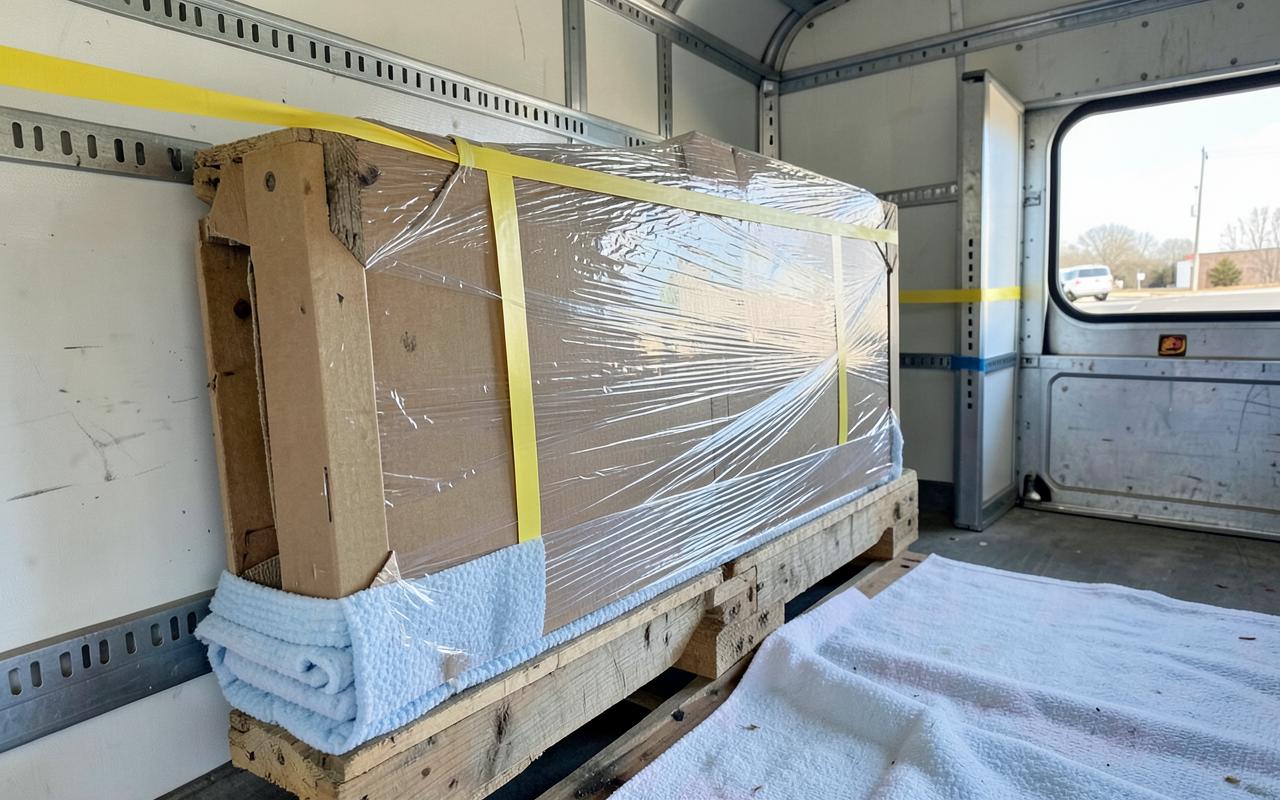
Retail freight is not limited to boxed inventory on pallets. Store resets and seasonal promotions often involve fixtures, shelving units and display pieces that do not fit the standard pallet profile, and these sometimes need assembly or placement once they reach the store rather than simply being handed off at the back door.
Coordinating this kind of freight alongside regular inventory deliveries takes some planning, since fixtures may need to arrive ahead of a reset date and be placed on the floor rather than left in the stockroom. Retailers running frequent visual resets benefit from a delivery partner who can also help with display and fixture setup once the pieces are on-site.
Planning a multi-store delivery schedule
Retailers or suppliers coordinating deliveries across several store locations benefit from treating the route as a single planning exercise rather than a series of separate shipments. A few practical steps make this easier to manage over time. Store replenishment usually starts one step upstream: read about manufacturer-to-warehouse delivery and warehouse-to-warehouse freight delivery across Ontario for how product reaches the distribution centre, and how dock-to-dock delivery works for what happens between the DC dock and the store door.
- Build a standing list of each store's receiving hours and dock type
- Flag stores with no dock so liftgate delivery Ontario equipment is assigned automatically
- Set a recurring schedule for predictable replenishment volumes
- Review the route periodically as store hours or formats change
- Keep a single point of contact for scheduling changes during peak seasons
Delivering to your next retail location
Reliable retail freight delivery comes down to matching the right vehicle and timing to each store's receiving reality, whether that is a full loading dock or a back door at street level. Consistency across recurring deliveries protects both the store's shelf availability and the efficiency of the wider route. Quinte Express supports retailers and suppliers moving inventory into stores across Eastern Ontario and beyond, including last mile delivery to individual locations and support for seasonal fixture and display setups.
If you are planning deliveries to one store or a network of locations across Ontario, request a quote and share your receiving hours and store formats so a route can be built around them.
Frequently asked
- How often do retail stores typically receive freight deliveries?
- It depends on the store's sales volume and shelf turnover. Some locations receive freight daily, others weekly or on a set cadence tied to inventory planning. The right frequency is usually set between the retailer and the distribution centre or supplier.
- What happens if a store has no receiving dock?
- A liftgate is used to lower pallets to ground level at the back or side door, and a hand truck or pallet jack moves the freight the rest of the way. This is common for smaller storefronts and strip mall locations that were not built with a raised dock.
- Can seasonal deliveries be scheduled at a higher frequency temporarily?
- Yes, many retailers increase delivery frequency ahead of seasonal promotions or resets. Planning this with your delivery provider in advance, rather than adding extra stops last minute, helps keep the increased volume on schedule.
- How are discrepancies between the delivery and the purchase order handled?
- Store staff should check the delivered pallet count against the manifest or purchase order at the time of receiving and note any shortage or damage directly on the delivery paperwork, since this record is what supports any follow-up with the supplier.
- Can fixtures and display units be delivered along with regular inventory?
- They can be coordinated together, though fixtures sometimes need to arrive ahead of a reset date or be placed on the sales floor rather than left in the stockroom, so it helps to flag this separately when scheduling.
Services in this article
More from the commercial freight series
- What Is Dock-to-Dock Delivery? A Complete Guide for Ontario Businesses
- Dock-to-Dock vs. Curbside Delivery: Which Is Right for Your Business?
- Commercial Freight Delivery Between Toronto and Eastern Ontario
- Belleville Freight Delivery: Connecting Warehouses, Suppliers and Businesses
- Kingston Commercial Freight Delivery: A Guide for Local Businesses
- LTL vs. Dedicated Truck Delivery: Which Option Saves Your Business Money?
Keep your stores stocked reliably
From single-store replenishment to multi-location routes, we plan deliveries around your receiving windows. [Request a quote](/#quote) to discuss your store network and schedule.