Last Mile
Ecommerce Furniture Brands: Solving the Ontario Last Mile
Parcel networks destroy heavy furniture. Discover how specialized cross-docking and white-glove delivery protect your brand and customer experience across Eastern Ontario.
The Critical Failure of Standard Parcel Networks for Heavy Goods
The modern ecommerce explosion has led many furniture brands to rely on traditional parcel carriers that were originally optimized for small, lightweight boxes. When a 90-kilogram sectional sofa or a solid oak dining table enters these automated networks, the physics of the journey works against the product. Most parcel hubs utilize high-speed conveyor belts and gravity-fed sorting chutes designed for packages under 30 kilograms. When an oversized item hits these systems, it is often subjected to extreme mechanical stress, leading to crushed corners, punctured upholstery, and structural fractures that are not always visible until the customer opens the box. This misalignment between the product weight and the infrastructure handling it is the primary driver of the high damage rates that plague furniture retailers.
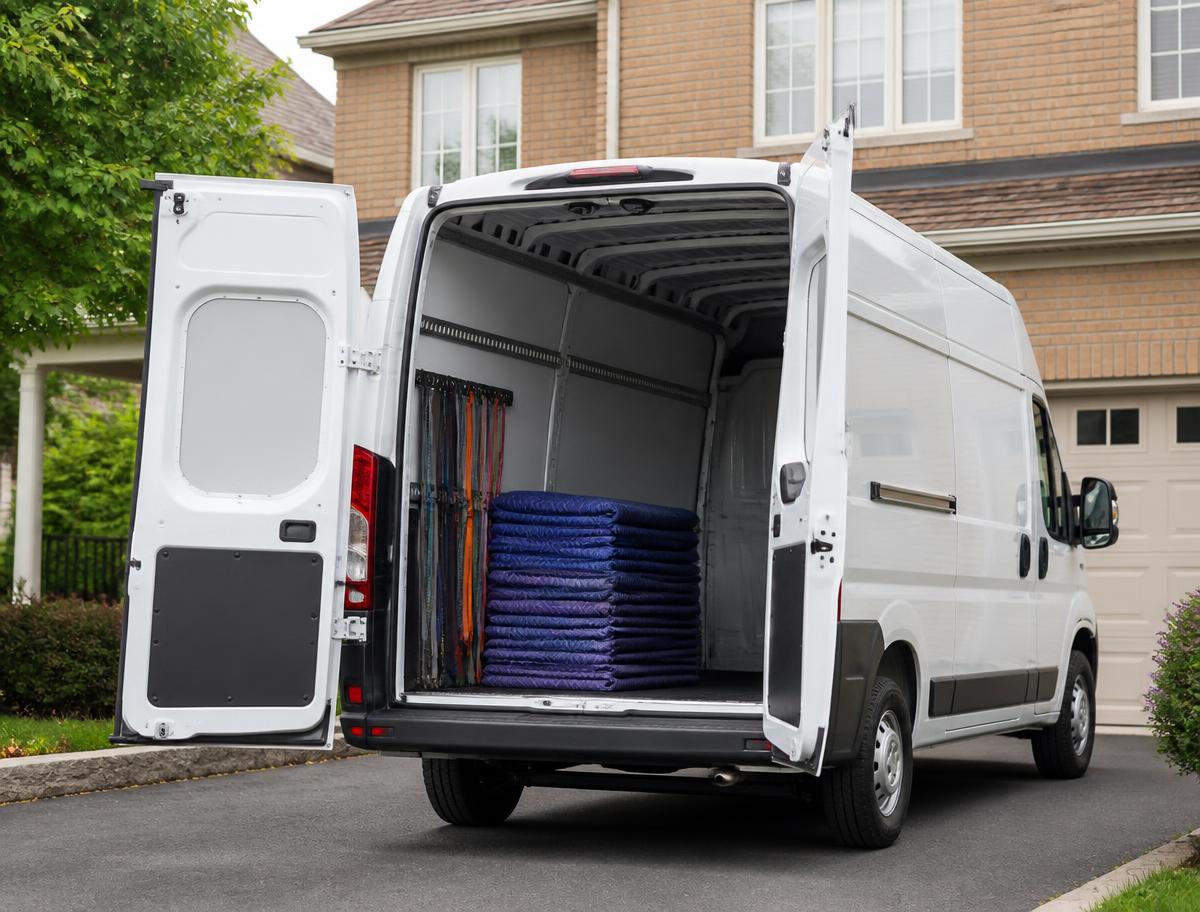
Beyond the physical risk, the lack of specialized equipment in standard parcel delivery fleets creates a safety and quality gap. A single driver operating a standard delivery van is often ill-equipped to handle items exceeding two meters in length or significant weight thresholds. This leads to the 'curbside drop' phenomenon, where expensive furniture is left exposed to the elements or blocking a sidewalk because the driver physically cannot move it further. In the context of Ontario’s unpredictable climate—where a sudden thunderstorm or a heavy snowfall can ruin a fabric headboard in minutes—relying on a network that does not prioritize indoor placement is a significant risk to the brand's reputation and its bottom line.
The economic cost of using these networks is often underestimated. While the initial shipping rate might appear competitive, the hidden costs of 'Returns to Vendor' (RTV), customer service labor hours spent on claims, and the permanent loss of customer lifetime value are staggering. For a premium furniture brand, the first physical touchpoint with the customer is the delivery. If that experience begins with a battered box left in a driveway, the brand equity built through expensive digital marketing is instantly eroded. Moving away from parcel networks towards a specialized freight and last-mile model is not just a logistical choice; it is a fundamental strategy for protecting profit margins and customer satisfaction.
The Cross-Dock Advantage: Reducing Handling Points
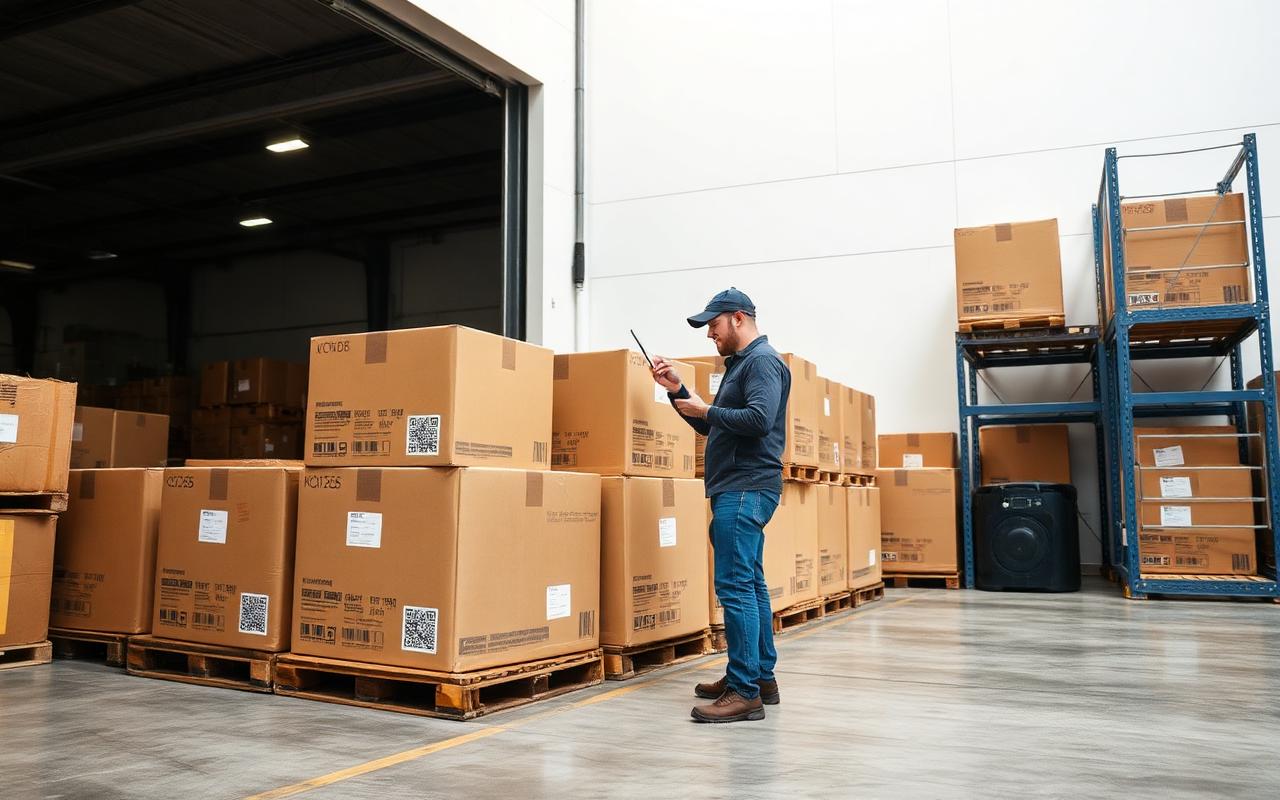
In a traditional long-haul shipping model, a piece of furniture might be handled six or seven times between the manufacturer's warehouse and the customer’s home. Each touchpoint—loading, unloading, sorting at regional hubs, and transferring between trailers—increases the probability of 'hidden damage.' The cross-docking model, centered in regions like Belleville or Kingston, drastically simplifies this journey. By shipping consolidated line-haul freight directly from a national distribution center to a regional cross-dock facility, the number of handling events is cut in half. The product is transferred directly from the incoming heavy truck to the final delivery vehicle, minimizing the time it spends sitting in high-traffic warehouse zones where forklift accidents are most common.
Effective cross-docking requires a high degree of precision and real-time inventory visibility. When furniture arrives at a regional hub, it is immediately inspected for any transit damage from the line-haul leg. This allows for proactive customer communication; if a box is clearly compromised, the brand can be notified before a delivery attempt is even made, allowing for a replacement to be triggered immediately. This transparency prevents the 'failed delivery' cycle where a customer waits all day for a product that is ultimately rejected at the door. By localizing the inventory just before the final mile, brands can also respond more flexibly to local demand and delivery window requests.
Strategic placement of these cross-dock hubs is essential for covering the vast geography of Eastern Ontario. A facility situated along the Highway 401 corridor can efficiently service nodes like Peterborough, Quinte West, and the 1000 Islands region without the overhead of maintaining a full-scale warehouse in every town. This 'hub-and-spoke' architecture allows ecommerce brands to offer competitive delivery times that rival larger metropolitan competitors while maintaining the localized care of a regional carrier. It transforms the logistics chain from a series of disjointed hops into a streamlined, low-touch flow that prioritizes the integrity of the furniture.
- Direct transfer from line-haul to last-mile vehicles reduces warehouse dwell time.
- Mandatory intake inspections identify damage before the customer sees the product.
- Regional consolidation lowers the carbon footprint by optimizing route density.
- Real-time scanning provides end-to-end visibility for the brand's operations team.
- Lower overhead costs compared to maintaining multiple urban micro-fulfillment centers.
White Glove Service: More Than Just Indoor Placement
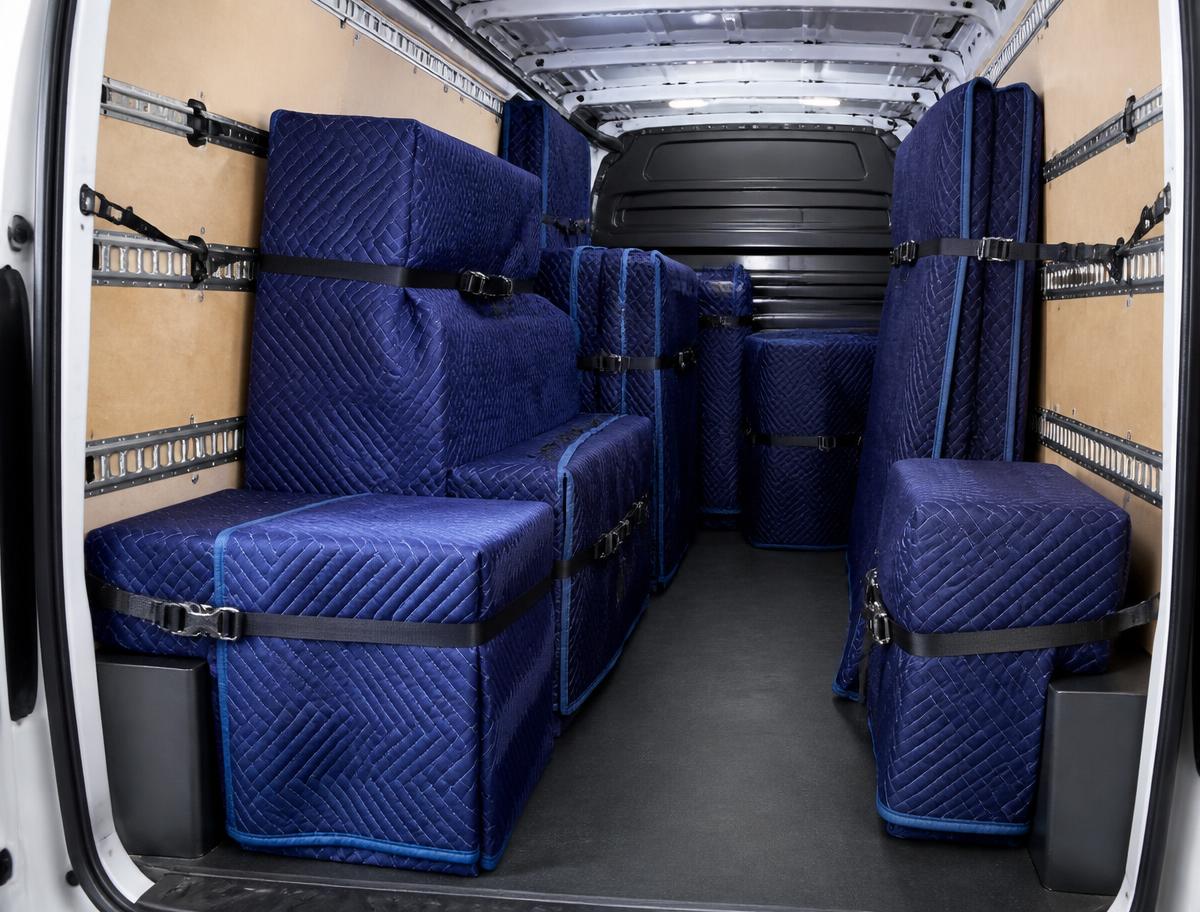
White glove delivery is the gold standard for the furniture industry, yet the term is often misused by carriers who only offer basic threshold delivery. True white glove service involves a two-person uniformed crew that specializes in heavy lifting and delicate maneuvering. In a region like Ontario, where historic homes in Kingston or Brockville often feature narrow hallways, steep staircases, and tight corners, the expertise of the delivery team is paramount. These professionals are trained to assess the path of travel before lifting, using specialized floor runners, corner guards, and moving blankets to protect both the customer’s property and the furniture itself. This level of care eliminates the 'hidden' costs of property damage claims that can arise from inexperienced couriers.
The service extends far beyond just moving the item into a room. High-end ecommerce brands now require full assembly, which can range from simply attaching legs to a sofa to the complex construction of an ergonomic office desk or a multi-piece bedroom set. Having a delivery team that is already familiar with the specific assembly requirements of a brand's catalog ensures the job is done correctly the first time. Furthermore, the removal of all dunnage—the cardboard, Styrofoam, and plastic wrap—is a massive value-add for the consumer. Most municipal waste programs in Ontario have strict limits on cardboard and bulky waste; by taking these materials away for recycling, the delivery team leaves the customer with a functional, clean space.
Finally, the white glove model acts as the final stage of quality control. The delivery team performs a 'sit-test' or a final visual inspection alongside the customer to ensure the product meets expectations. This collaborative sign-off creates a sense of closure for the transaction and significantly reduces the likelihood of 'buyer's remorse' returns. When a customer sees their new purchase perfectly placed and ready for use, the psychological barrier to keeping the item is lowered, and their overall satisfaction with the ecommerce brand is cemented. It turns a logistical necessity into a premium brand experience that justifies the purchase price of high-quality furniture.
- Two-person professional crews for safe handling of items over 50kg.
- Advanced room-of-choice placement including multi-floor navigation.
- Full assembly services and hardware verification at the point of delivery.
- Removal and eco-friendly disposal of all bulky packaging materials.
- Final walkthrough with the customer to ensure product satisfaction.
Navigating the Ontario Landscape: Weather and Geography
Operating a furniture delivery network in Eastern Ontario requires a deep understanding of the unique geographical and seasonal challenges of the region. From the dense urban pockets of Ottawa to the rural expanses of the Kawarthas and the St. Lawrence Valley, the terrain varies significantly. Winter presents the most obvious challenge, with heavy snowfall and 'black ice' frequently impacting schedules on the 401 and secondary highways. A specialized regional carrier monitors these conditions in real-time, ensuring that trucks are equipped with proper winter tires and that crews are trained in safe unloading procedures on icy driveways. They also utilize protective weather-shielding for the furniture to prevent moisture damage during the brief transit from the truck to the front door.
Seasonal fluctuations in Ontario also impact interior environments. During the humid summer months, solid wood furniture can expand, while the dry heat of winter can cause slight contraction. Professional delivery teams are aware of these nuances, especially when performing assembly. They understand that a door on a sideboard might need a slight adjustment once the piece has acclimated to the home's humidity levels. This localized knowledge is something national parcel carriers simply cannot provide. Furthermore, during 'mud season' in rural Ontario, the use of professional boot covers and floor protection is not just a courtesy—it is a requirement to prevent damage to expensive hardwood floors or carpets.
Geography also dictates the efficiency of the 'last mile.' The vast distances between towns like Belleville, Napanee, and Cornwall mean that route optimization is critical to keeping shipping costs manageable. A regional expert uses sophisticated routing software to group deliveries geographically, ensuring that a truck isn't crisscrossing the province inefficiently. This high route density allows for more predictable delivery windows for the customer. Instead of a 'sometime between 8 AM and 6 PM' estimate, localized carriers can often narrow the window to two hours, which is much more respectful of the consumer's time and significantly reduces the rate of missed deliveries.
The Technology of Transparency: Scheduling and Proof of Delivery
In the digital age, a lack of communication is the quickest way to frustrate an online shopper. The moment a large item arrives at a regional cross-dock in Ontario, the digital clock starts. A sophisticated logistics partner integrates directly with the brand's Shopify, Magento, or custom ERP system to trigger an automated scheduling link. This allows the customer to select a delivery date that works for them, rather than being assigned a random slot. This self-service model reduces the burden on the brand's customer support team and empowers the buyer. Automated SMS and email reminders sent 24 hours prior, combined with a '30-minute out' call from the driver, ensure the customer is home and ready for the arrival.
Data collection at the doorstep is the other half of the technology equation. Modern last-mile delivery requires robust Proof of Delivery (POD) protocols. This includes high-resolution photographs of the item in its final position, a digital signature from the customer, and a timestamped GPS coordinate of the delivery. For the ecommerce brand, this data is invaluable. It serves as a definitive record that the item arrived in perfect condition, protecting the brand against fraudulent 'damaged on arrival' claims. If there is a minor issue, such as a missing knob or a small scratch, the driver can document it immediately in the app, allowing the brand to ship a small replacement part rather than initiating a full return of the entire unit.
This level of transparency also extends to the back-office reporting. Brands need to know their Key Performance Indicators (KPIs), such as the average time from dock to door, the percentage of on-time deliveries, and the net promoter score (NPS) specifically related to the delivery experience. By using a carrier that prioritizes data, brands can identify bottlenecks in their supply chain. For example, if damage rates are consistently higher on a specific line of dining chairs, the data might suggest a need for better packaging at the factory level. This feedback loop turns the delivery partner into a strategic advisor rather than just a vendor with a truck.
- Automated self-scheduling tools to reduce call center volume.
- Day-of-delivery driver tracking links for real-time customer updates.
- Multi-angle photo proof of delivery to mitigate liability and claims.
- Instant digital POD uploads to the brand's order management system.
- Detailed reporting on delivery KPIs and customer feedback scores.
Mastering Reverse Logistics: The Furniture Return Dilemma
Returns are an unavoidable reality of ecommerce, and in the furniture sector, they are a logistical nightmare. When a customer decides a sofa doesn't fit their space or the color isn't quite right, the cost of bringing that item back can often exceed the original shipping cost. Standard parcel networks are notoriously bad at reverse logistics for heavy goods, often requiring the customer to somehow repackage the item to 'factory standards'—an impossible task for most. A specialized regional partner in Eastern Ontario solves this by offering 'white glove returns.' The same crew that delivered the item can return to pick it up, perform a professional inspection, and even provide the necessary packaging materials to ensure the item isn't damaged further on its way back.
Consolidation is the key to making reverse logistics financially viable. Instead of paying for a dedicated long-haul truck to pick up a single returned armchair in Brockville and drive it back to a warehouse in Toronto or Montreal, the regional carrier holds the item at their local cross-dock. Once a sufficient volume of returns has been collected, they are consolidated into a single line-haul shipment heading back to the brand’s main distribution center or a secondary liquidator. This significantly reduces the per-unit cost of returns. Additionally, if the regional carrier has the capabilities, they can perform basic cleaning or minor repairs to prepare the item for 'open-box' resale, keeping the inventory within the local market and avoiding the cost of long-distance transport.
A smooth return process is a powerful marketing tool. Research shows that a significant percentage of online shoppers check the return policy before making a large purchase. By offering a 'no-hassle, we-pick-it-up' return experience, brands can significantly increase their conversion rates. It removes the 'risk' of buying furniture sight-unseen. When the regional carrier handles the return with the same professionalism as the delivery, it maintains the customer’s relationship with the brand, making them much more likely to make a different purchase in the future rather than asking for a full refund and shopping elsewhere.
The Hidden Cost Drivers in Ontario Furniture Shipping
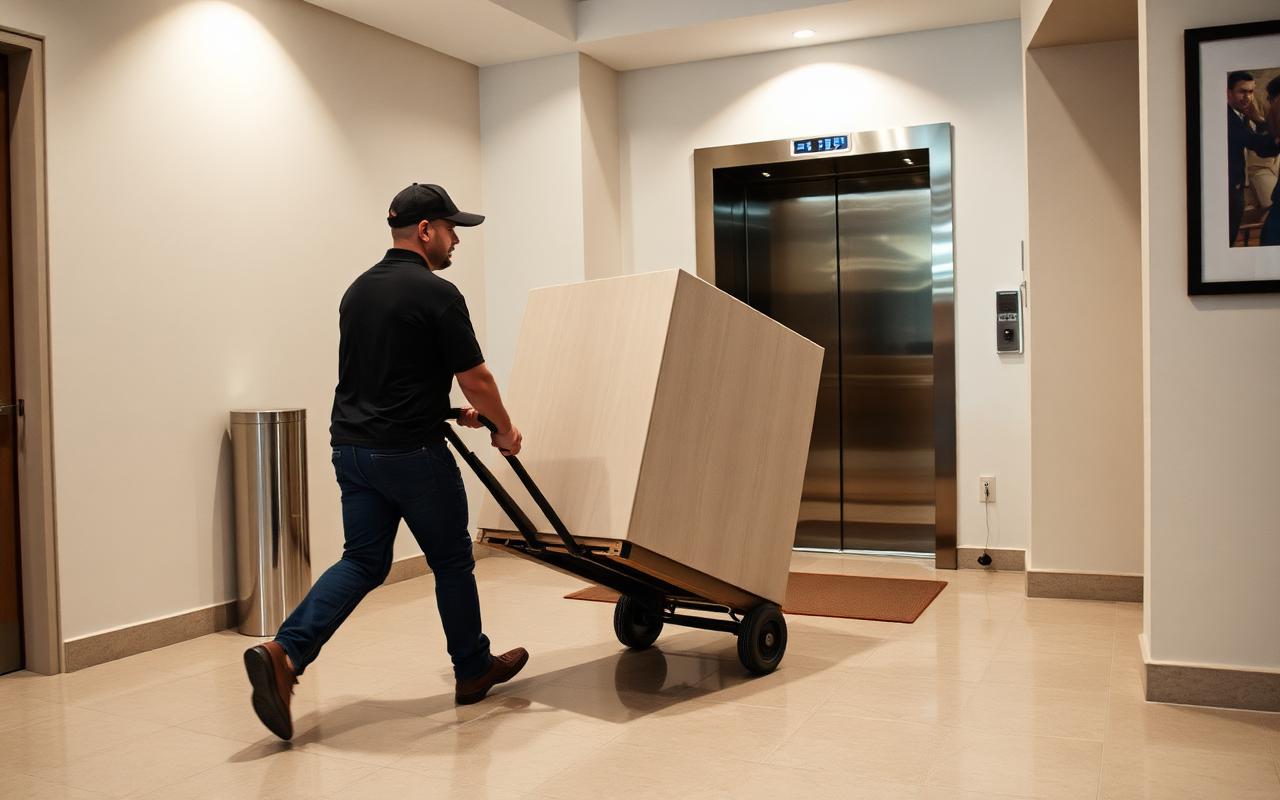
Understanding the cost structure of furniture delivery is essential for ecommerce brands to price their products and shipping tiers correctly. In Ontario, several factors influence the final quote beyond just the weight of the box. One of the primary drivers is 'accessorial charges.' These include fees for deliveries to high-rise buildings with limited elevator access, deliveries to remote rural addresses that require significant off-highway travel, or 'waiting time' if a crew is stuck at a security gate. A transparent regional carrier works with brands to establish a flat-rate or zone-based pricing model that accounts for these variables, providing the brand with predictable costs that can be baked into their retail pricing strategy.
Labor intensity is another significant factor. Furniture that requires two people for safety and assembly naturally carries a higher price point than a 'drop-and-go' parcel. However, the investment in a two-man crew often pays for itself through the drastic reduction in damage claims and the increased likelihood of a successful first-time delivery. Brands should also consider the cost of 'deadhead' miles—distance traveled by an empty truck. By partnering with a carrier that has a balanced flow of goods throughout Eastern Ontario, brands benefit from the efficiencies of a fully utilized fleet. This is why hub locations like Belleville are so strategic; they sit at the nexus of major routes, minimizing unproductive travel time.
Packaging and dimensional weight also play a role. While the brand controls the initial packaging, the regional carrier can provide feedback on which designs are failing in the field. Over-packaging can lead to excessive waste and higher shipping costs due to increased volume, while under-packaging leads to damage. Finding the 'Goldilocks zone' of packaging requires collaboration between the brand and the logistics provider. By analyzing the data from the cross-dock and the final mile, brands can optimize their box dimensions to fit more units on a pallet, thereby lowering the line-haul cost and making the entire supply chain more efficient.
- Zone-based pricing for predictable shipping costs across Eastern Ontario.
- Accessorial management for stairs, elevators, and long-carry distances.
- Consolidation of line-haul shipments to reduce per-unit transportation costs.
- Packaging optimization to reduce dimensional weight and waste disposal fees.
- Volume-based discounting for brands with consistent weekly delivery flows.
Building Brand Loyalty Through the Last Mile
In the competitive world of online furniture retail, the product is only half of the equation. The other half is the service. In a digital-first environment, the delivery person is the only human being representing your brand that the customer will ever meet. If that person is professional, courteous, and helpful, they reinforce the premium nature of the brand. Conversely, a rude or rushed delivery can sour the customer’s view of even the highest-quality product. This is why specialized furniture carriers in Ontario focus heavily on 'soft skills' training for their crews. They aren't just movers; they are brand ambassadors who understand their role in the customer journey.
The 'unboxing' experience has become a viral sensation in social media marketing, but for furniture, the 'unwrapping' and placement experience is the equivalent. When a delivery team carefully unwraps a new dining table, wipes down the surface, and adjusts the chairs, it creates a 'wow' moment that customers are likely to share with their social circles. This organic word-of-mouth marketing is incredibly valuable, especially in tight-knit communities across Eastern Ontario. A brand that consistently delivers a flawless experience will quickly become the go-to choice for residents in Kingston, Belleville, and beyond, who value reliability and care over the cheapest possible shipping option.
Ultimately, solving the Ontario last mile is about building a sustainable, scalable business model. As an ecommerce brand grows, the complexities of logistics will only increase. By establishing a partnership with a regional expert who understands the nuances of the local market, brands can focus on what they do best: designing and selling beautiful furniture. The logistics partner becomes the 'silent engine' that powers growth, ensuring that every promise made on the website is kept at the customer's front door. In the long run, this reliability is the most important asset a brand can have.
Conclusion: Partnering for Success in Eastern Ontario
Delivering heavy, high-value furniture across the diverse landscape of Eastern Ontario requires more than just a truck; it requires a specialized approach that prioritizes product integrity and customer satisfaction. From the initial cross-dock at a regional hub to the final white-glove assembly in the customer's home, every step must be executed with precision. By moving away from the high-damage environment of parcel networks and embracing a dedicated last-mile model, ecommerce brands can significantly reduce their costs, protect their margins, and build lasting loyalty with their customers.
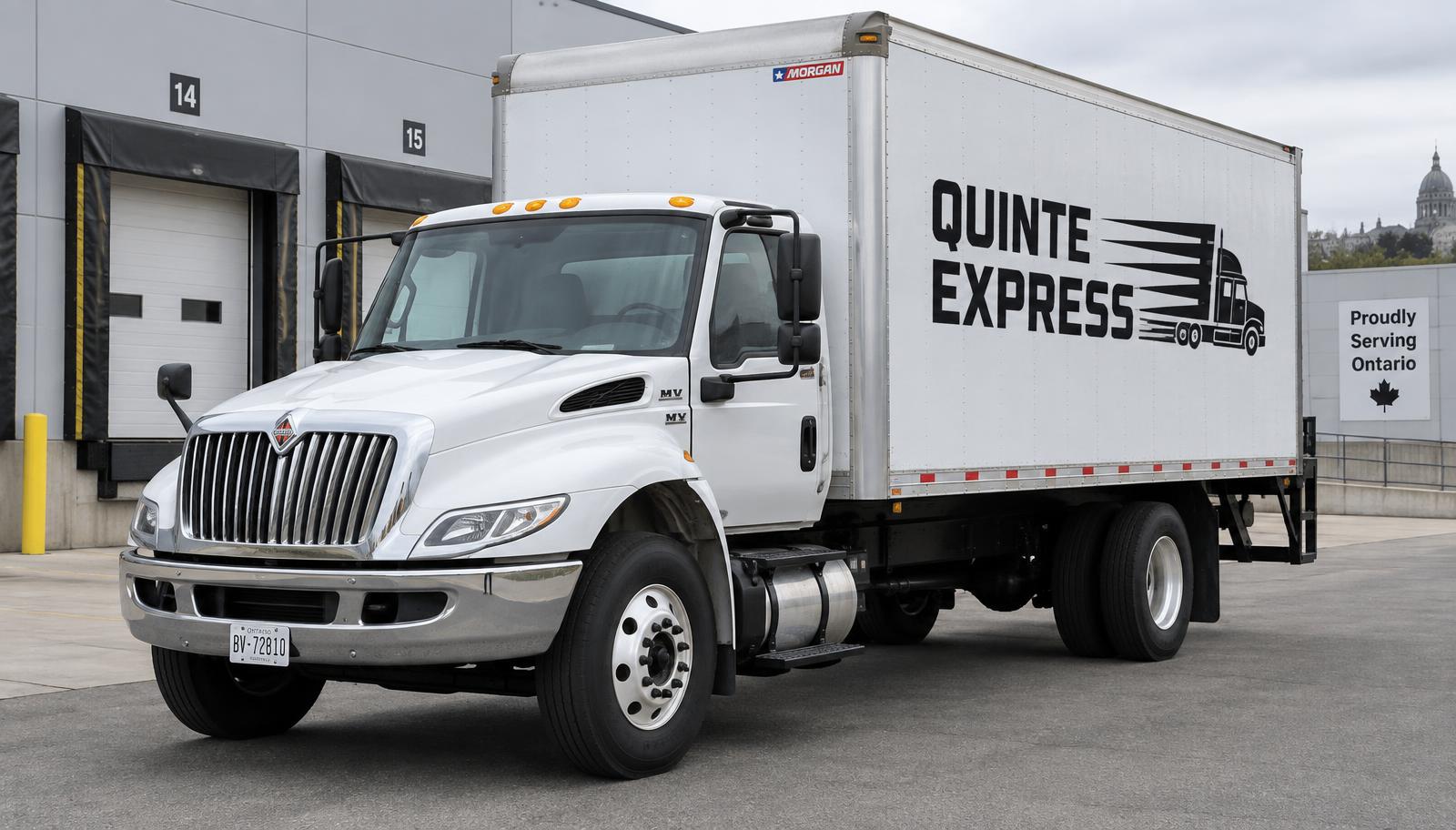
Quinte Express is your dedicated partner for solving these logistical challenges. Based in Belleville, we are perfectly positioned to service the entire corridor from the GTA to the Quebec border, including Kingston, Trenton, Peterborough, and Ottawa. Our team specializes in the unique requirements of furniture and appliance delivery, offering the technology, expertise, and care your brand deserves. Don't let your logistics be the weak link in your customer experience. Contact Quinte Express today at 613-968-0909 to discuss how we can streamline your Eastern Ontario deliveries and help your brand thrive.
Frequently asked
- What exactly is included in your white-glove delivery service?
- Our white-glove service includes a professional two-person crew, room-of-choice placement, and full assembly of the furniture. We also handle the removal and recycling of all packaging materials (cardboard, plastic, and Styrofoam) and perform a final inspection with the customer to ensure the product is in perfect condition before we leave.
- How do you handle deliveries to rural areas or cottages in Eastern Ontario?
- We have extensive experience navigating the secondary roads and rural routes of the Kawarthas, the 1000 Islands, and the Prince Edward County region. We use specialized routing software to ensure efficiency and communicate closely with customers regarding driveway accessibility, especially during the winter months or 'mud season' to ensure a safe delivery.
- Can you integrate with our existing ecommerce platform for scheduling?
- Yes, we utilize modern logistics technology that can integrate with most major ecommerce platforms like Shopify or Magento. This allows for automated scheduling links to be sent to customers as soon as their order is processed at our cross-dock, providing a seamless and transparent experience for the buyer.
- What happens if a piece of furniture arrives damaged at your cross-dock?
- We perform a thorough intake inspection on every item that arrives from the line-haul carrier. If we detect damage, we immediately document it with photos and notify the brand. This allows the brand to resolve the issue or ship a replacement before a delivery attempt is made, saving time and preventing customer frustration.
- Do you offer reverse logistics for customer returns?
- Absolutely. We offer full-service furniture returns where we pick up the item from the customer's home, inspect it, and repackage it if necessary. We then hold these items at our regional hub for consolidation, which significantly reduces the cost of shipping returns back to your main distribution center or to a liquidator.
Services in this article
More last mile guides
Book this service in Ontario
Quinte Express is locally owned in Belleville, Ontario — white glove, last mile, furniture, appliance and parcel delivery across Kingston, Trenton, Ottawa and all of Ontario.