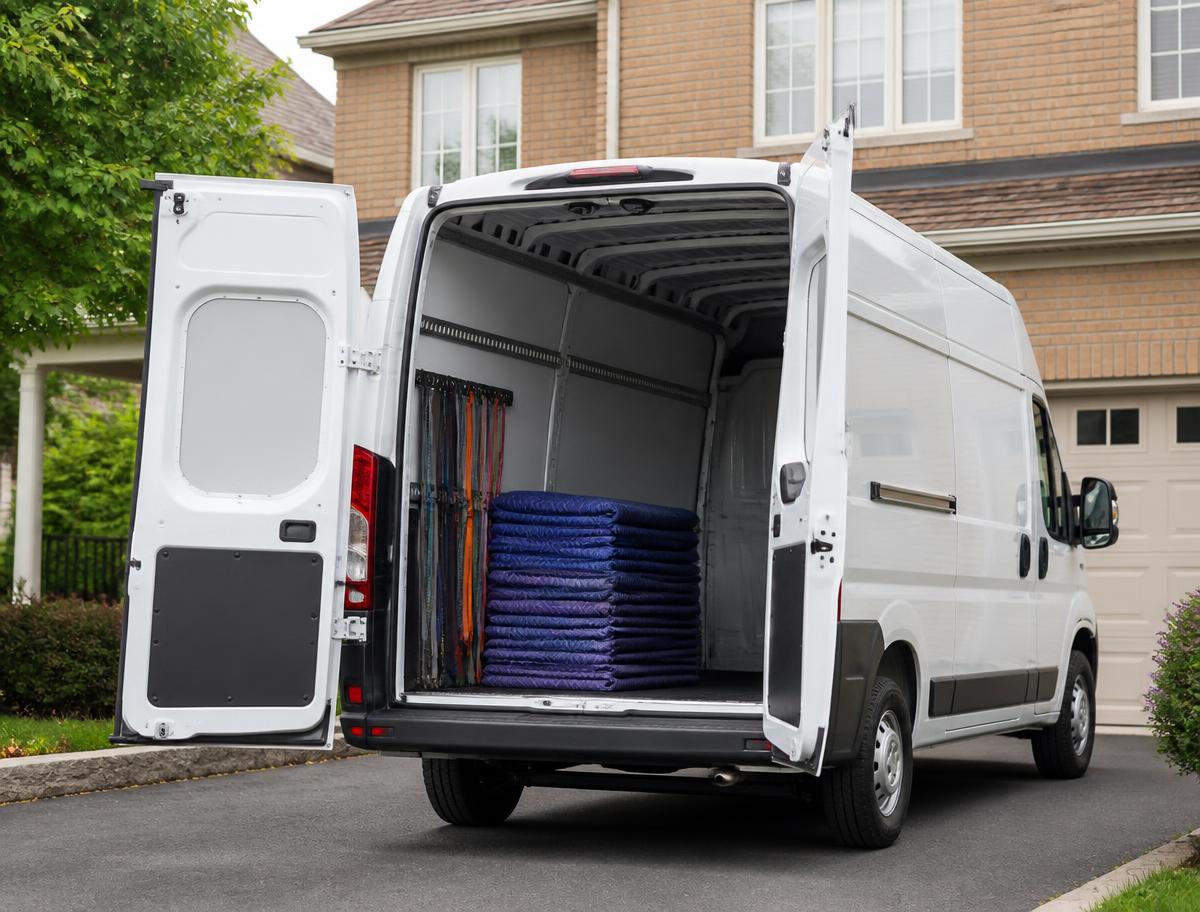
Last Mile
Last Mile Delivery in Kingston: A Retailer's Guide
Master the logistics of Kingston's last mile with this guide on delivery windows, route density, weather proofing, and the critical importance of photo-documented white-glove service.
The Last Mile: Where Kingston Retailers Win or Lose Brand Loyalty
In the competitive landscape of Kingston retail, the delivery experience serves as the final, most impactful touchpoint in the customer journey. A local furniture boutique or appliance outlet can spend months perfecting their showroom floor and thousands of dollars on digital marketing, only to have that hard-earned brand equity evaporated by a single poor delivery experience. In the 'last mile,' your delivery partner is effectively an extension of your sales team. When a truck pulls up to a residential address in a neighborhood like Sydenham or Cataraqui North, the professionalism of the crew, the cleanliness of the vehicle, and the care taken with the product are the only things the customer will remember six months later.
Last mile delivery is uniquely challenging because it involves the intimate act of entering a customer's private residence. This requires a level of soft skills and logistical precision that standard LTL shipping does not demand. In Kingston’s diverse housing market, this might mean navigating the narrow, century-old stairwells of a downtown limestone home or managing the sprawling driveways of a new build in the west end. If the delivery team shows up without the proper equipment, such as floor runners, heavy-duty dollies, or shoulder dollies, the risk of property damage increases exponentially. For Kingston retailers, outsourcing this to a specialist isn't just about moving a box; it is about protecting the brand’s reputation through every doorway and hallway.
The financial stakes are equally high. A failed delivery attempt or a damaged item doesn't just result in a lost sale; it incurs reverse logistics costs, restocking fees, and the potential for a viral negative review that can deter dozens of future customers. Successful Kingston retailers treat the last mile as a strategic asset rather than a line-item expense. By focusing on the 'white glove' aspects—assembly, debris removal, and careful placement—you differentiate your business from big-box competitors who often drop items at the curb and leave the customer to struggle with heavy lifting and assembly instructions.
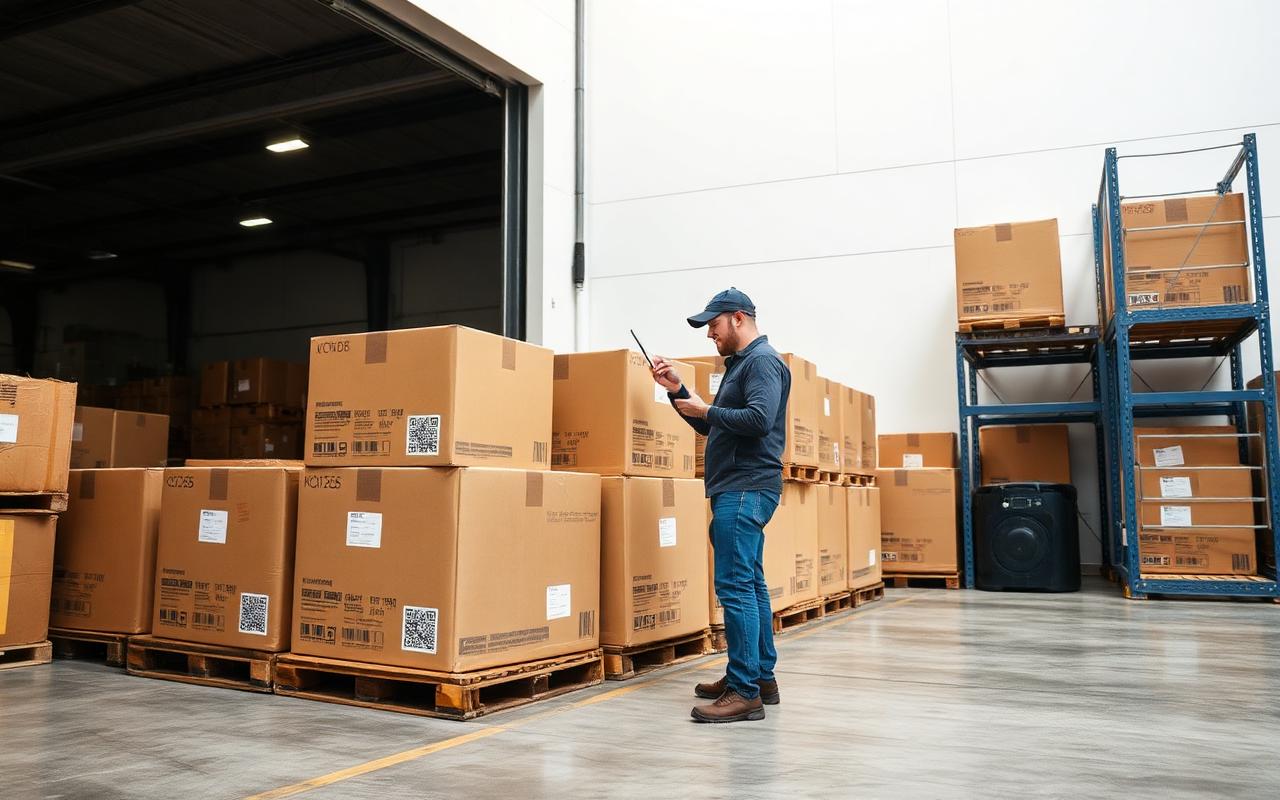
Precision Scheduling: Defining Windows for Kingston and Beyond
Scheduling is the heartbeat of last-mile logistics, yet it is often where communication breaks down. In the Limestone City, geographic density is a double-edged sword. While the urban core allows for tight routing, the surrounding areas like Amherstview, Gananoque, and Sydenham require significant travel time. Retailers often make the mistake of promising a universal two-hour window to every customer, regardless of their proximity to the warehouse. This creates a ripple effect: a single delay at a complex installation in a downtown condo can push the entire afternoon schedule back, leading to frustrated customers waiting by their windows for a truck that is three hours late.
To solve this, we advocate for a tiered scheduling approach based on route density and geographic zones. By grouping deliveries geographically, carriers can maximize the number of stops per truck while maintaining realistic arrival times. A furniture store in Kingston should aim to provide a four-hour initial window at the time of purchase, which is then narrowed down to a two-hour window 24 hours before the delivery date. This level of precision requires sophisticated routing software and a dispatch team that understands the local traffic patterns, such as the afternoon congestion on Gardiners Road or the seasonal delays on Highway 401.
Transparency is the ultimate antidote to customer anxiety. Even the best-planned routes can face unforeseen obstacles like construction or accidents. The gold standard for Kingston delivery is a multi-touch notification system. This includes an automated text the night before, a phone call when the crew is 30 minutes away, and a final notification if the team is running more than 15 minutes behind the promised window. When a customer feels informed, they are much more likely to be patient if a delay occurs, as they feel their time is being respected by the retailer and the carrier alike.
- Tier windows by geography: 2-hour windows for urban Kingston, 4-hour windows for rural Frontenac County.
- Automated SMS confirmations sent at 6:00 PM the evening before delivery.
- Driver 'call-ahead' mandatory policy at least 30 minutes prior to arrival.
- Real-time GPS tracking links provided to customers on the day of service.
- Buffer zones of 15-20 minutes between stops to account for difficult parking or stair navigation.
Navigating the Architectural Challenges of the Limestone City
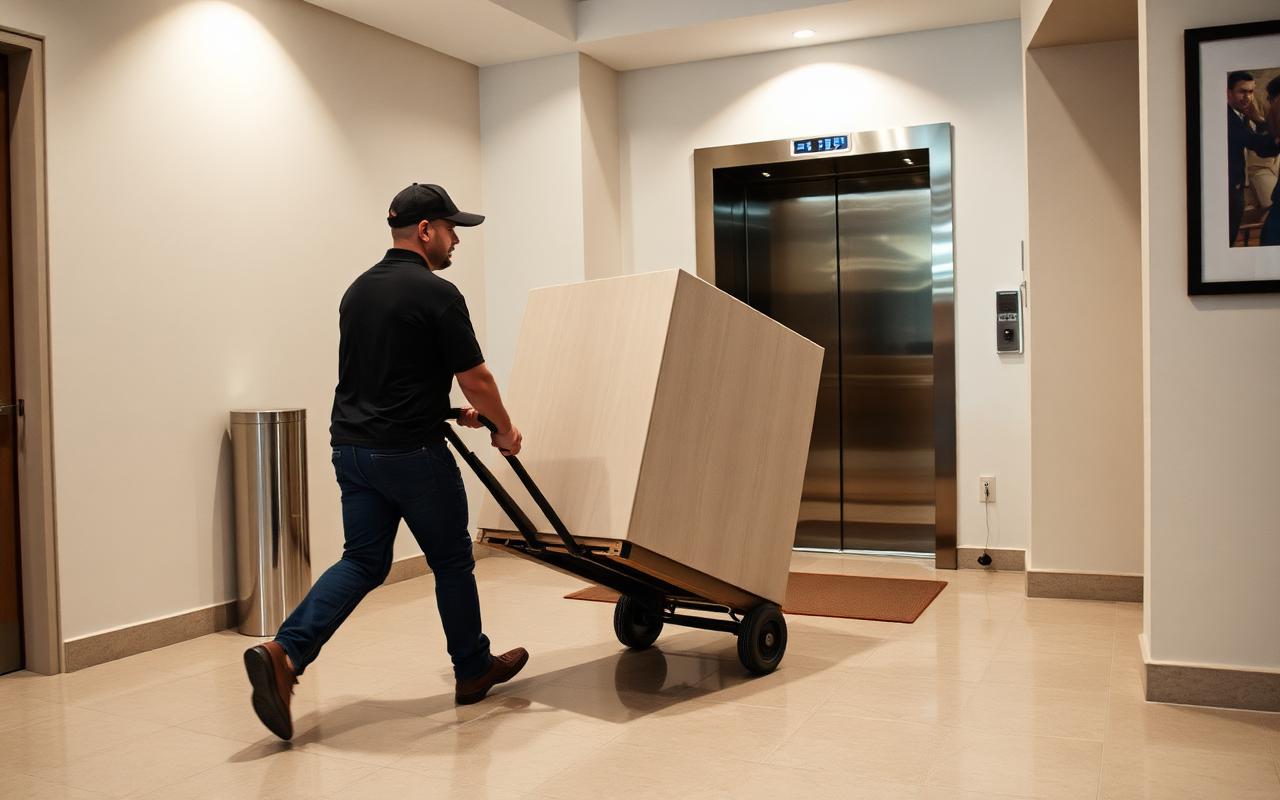
Kingston presents a unique set of architectural challenges that can complicate the last mile. The historic downtown core is famous for its limestone buildings, many of which feature narrow doorways, steep basement stairs, and sharp-turn hallways designed long before modern king-sized mattresses or industrial-grade refrigerators existed. A standard delivery approach often fails here. Crews must be trained in 'path-of-travel' assessments, which involves measuring every entry point before the item even leaves the truck. Failure to do this often results in 'wall-rash'—scuffs on drywall or chips in wooden door frames that lead to costly insurance claims.
Beyond the historic homes, Kingston’s growing high-rise and condo sector adds another layer of complexity. Delivering to a building on Ontario Street or in the new developments near the INVISTA Centre requires coordination with building management for elevator bookings. If a delivery crew arrives and the service elevator isn't available, the stop often becomes a 'failed attempt,' costing the retailer money and the customer an extra week of waiting. Effective last-mile providers in Kingston maintain a database of building-specific rules, such as parking heights for underground garages and designated loading zones, to ensure the truck doesn't block local traffic while unloading.
Preparation isn't just the carrier's job; it's a collaborative effort with the retailer. Successful stores provide their customers with a 'Delivery Readiness Checklist' at the point of sale. This document guides the customer to measure their own space, clear snow from the walkway, and remove breakable wall art or furniture that might obstruct the path. By setting these expectations early, the retailer ensures that when the Quinte Express truck arrives, the environment is optimized for a fast, safe, and professional installation that minimizes the time the truck spends idling at the curb.
- Pre-delivery measurement guides provided to all customers buying large furniture.
- Use of 'Floor Runners' and 'Booties' to protect historic hardwood and limestone flooring.
- Specialized equipment requirement: appliance dollies with stair-climbing treads.
- Mandatory elevator booking verification for all downtown high-rise deliveries.
- Path-of-travel clearing: removing rugs, pictures, and pets before the crew enters.
Mitigating Risk with Digital Proof of Delivery (POD)
One of the biggest hidden costs for Kingston retailers is the 'post-delivery dispute.' This occurs when a customer calls two weeks after a delivery claiming a scratch on their new dining table or a dent in their floor. Without a robust Proof of Delivery (POD) system, these disputes often end in the retailer footing the bill to preserve customer goodwill, even if the damage didn't occur during delivery. In the modern logistics landscape, paper manifests are no longer sufficient. Digital POD systems that include high-resolution photography and timestamped signatures are essential for protecting both the retailer and the logistics provider.
A proper white-glove POD process involves taking at least four photos: the item in its final position, a close-up of the product to show it is free of defects, the surrounding area to show no property damage occurred, and the signed digital screen. These files should be uploaded instantly to a cloud-based portal that the retailer can access in real-time. If a customer calls the store with a complaint, the manager can immediately pull up the photos to see the condition of the item at the moment the driver left the home. This transparency often shuts down fraudulent or mistaken claims before they escalate.
Beyond liability protection, digital POD data provides valuable insights into delivery performance. Retailers can track metrics such as 'Time on Site' and 'First-Time Completion Rate.' If deliveries in a specific neighborhood like Reddendale are consistently taking 20% longer than average, the retailer can adjust their labor costs or scheduling windows accordingly. Data-driven delivery management allows for a continuous improvement cycle, ensuring that the Kingston logistics chain becomes leaner and more reliable over time. It transforms the delivery from a 'black box' operation into a transparent, measurable part of the business.
Weathering the Storm: Seasonal Logistics in Eastern Ontario
In Eastern Ontario, weather is perhaps the most unpredictable variable in the last mile. Kingston’s proximity to Lake Ontario brings unique challenges, from sudden lake-effect snow squalls to icy 'black ice' conditions on the 401 and local rural roads. A retailer’s delivery policy must be flexible enough to handle these shifts without compromising safety. During the winter months, the risk to both personnel and product increases significantly. Salt, slush, and moisture can ruin high-end upholstery or wood finishes if the items aren't properly wrapped in industrial-grade plastic or heavy moving blankets before leaving the truck.
Winter delivery also requires a specific set of protocols for the home entry. While 'booties' are standard for protecting floors from dirt, they can be dangerously slippery on wet or icy surfaces. Crews must be equipped with proper footwear and instructed to clear a safe path if the homeowner has failed to do so. Furthermore, the 'failed stop' policy needs to account for weather-related delays. If a blizzard makes a rural driveway in Yarker inaccessible, the retailer needs a pre-defined communication plan to reschedule the customer immediately, ensuring they don't feel forgotten during a storm.
Conversely, summer months bring their own challenges, specifically heat and humidity which can affect the assembly of certain wood products. High humidity can cause wood to swell, making drawer fittings or table leaves difficult to install. Professional last-mile crews understand these nuances and carry the necessary tools to make minor adjustments on-site. By anticipating the seasonal shifts in the Kingston climate, retailers can ensure their delivery operations remain consistent year-round, regardless of what the Kingston weather forecast predicts for the day.
- Double-wrapping policy: Plastic moisture barrier plus heavy moving blankets for winter transport.
- Mandatory salt/sand kits on every truck for clearing slippery customer walkways.
- Weather-triggered rescheduling protocols to protect crew safety during 'Red Alerts'.
- Humidity-aware assembly: Bringing specialized lubricants and tools for wood-on-wood joints.
- Post-winter vehicle maintenance schedules to prevent salt-corrosion breakdowns.
Managing Failed Deliveries and Re-Delivery Policies
A 'failed stop' is the single most expensive event in last-mile logistics. It occurs when a truck arrives at a home and cannot complete the delivery because no one is there to sign, the item won't fit through the door, or the customer refuses the shipment due to a change of heart. For a Kingston retailer, a failed stop involves double the labor, double the fuel, and the opportunity cost of the space that the item continues to occupy on the truck. To mitigate these losses, every retailer needs a clear, written policy that is communicated to the customer at the time of purchase and reiterated during the confirmation call.
The policy should clearly state the grace period—typically 15 minutes—that a driver will wait at a residence before moving to the next stop. It should also outline the 're-delivery fee.' While retailers are often hesitant to charge customers extra, a modest re-delivery fee is necessary to cover the actual costs of the second attempt and to encourage customers to take their delivery windows seriously. When customers know there is a financial consequence to missing their window, the rate of 'not-at-home' failures drops by over 60%. This discipline is what allows a logistics provider like Quinte Express to keep rates competitive for everyone.
Another critical component is the 'Return to Warehouse' protocol. If an item is refused or can't be delivered, what happens next? It should be inspected for transit damage immediately upon return to the depot, and the inventory system should be updated in real-time. This ensures that the retailer can offer the item to another customer or re-schedule the original delivery with a smaller truck or a larger crew if the issue was a tight fit. Managing the 'exception' is just as important as managing the standard delivery; it’s where the best Kingston retailers truly shine in terms of customer service recovery.
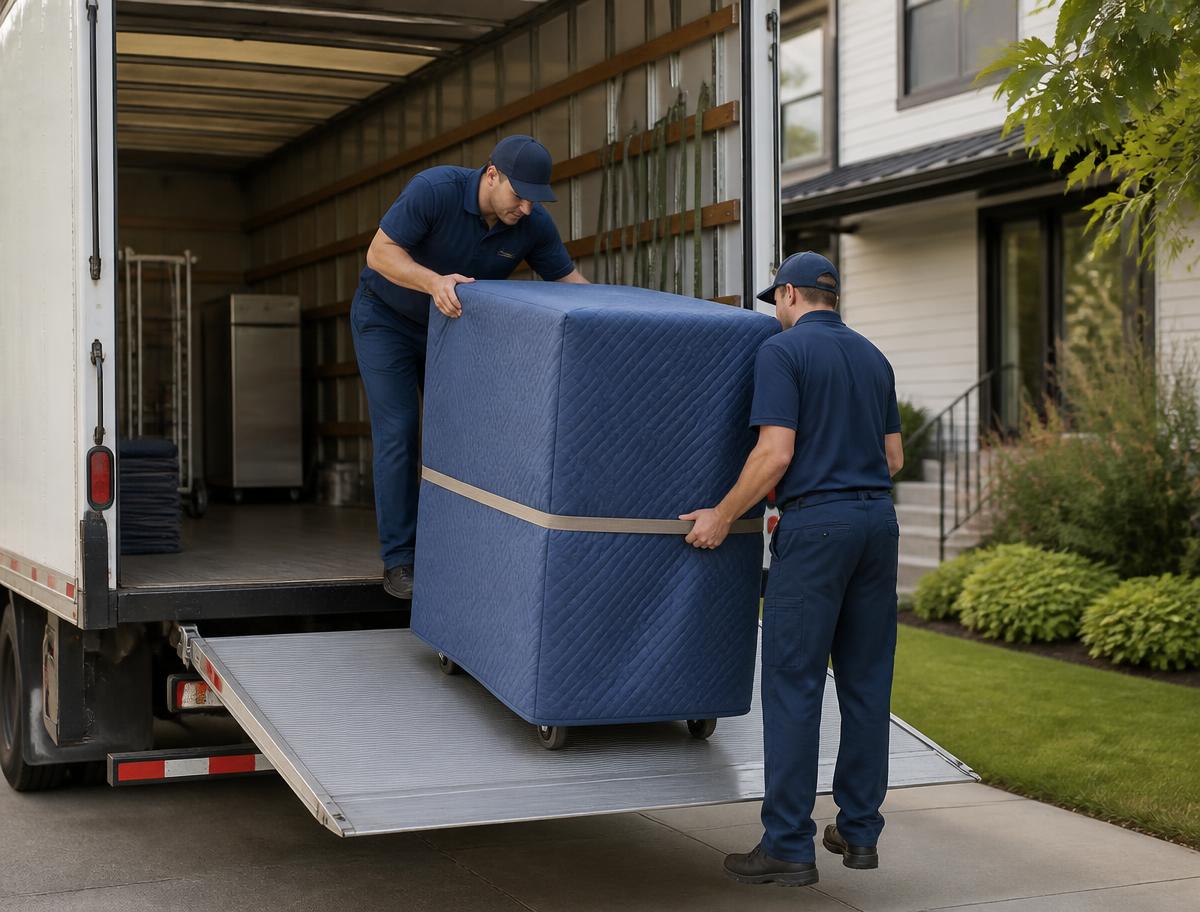
The Economics of Route Density in the Kingston-Belleville Corridor
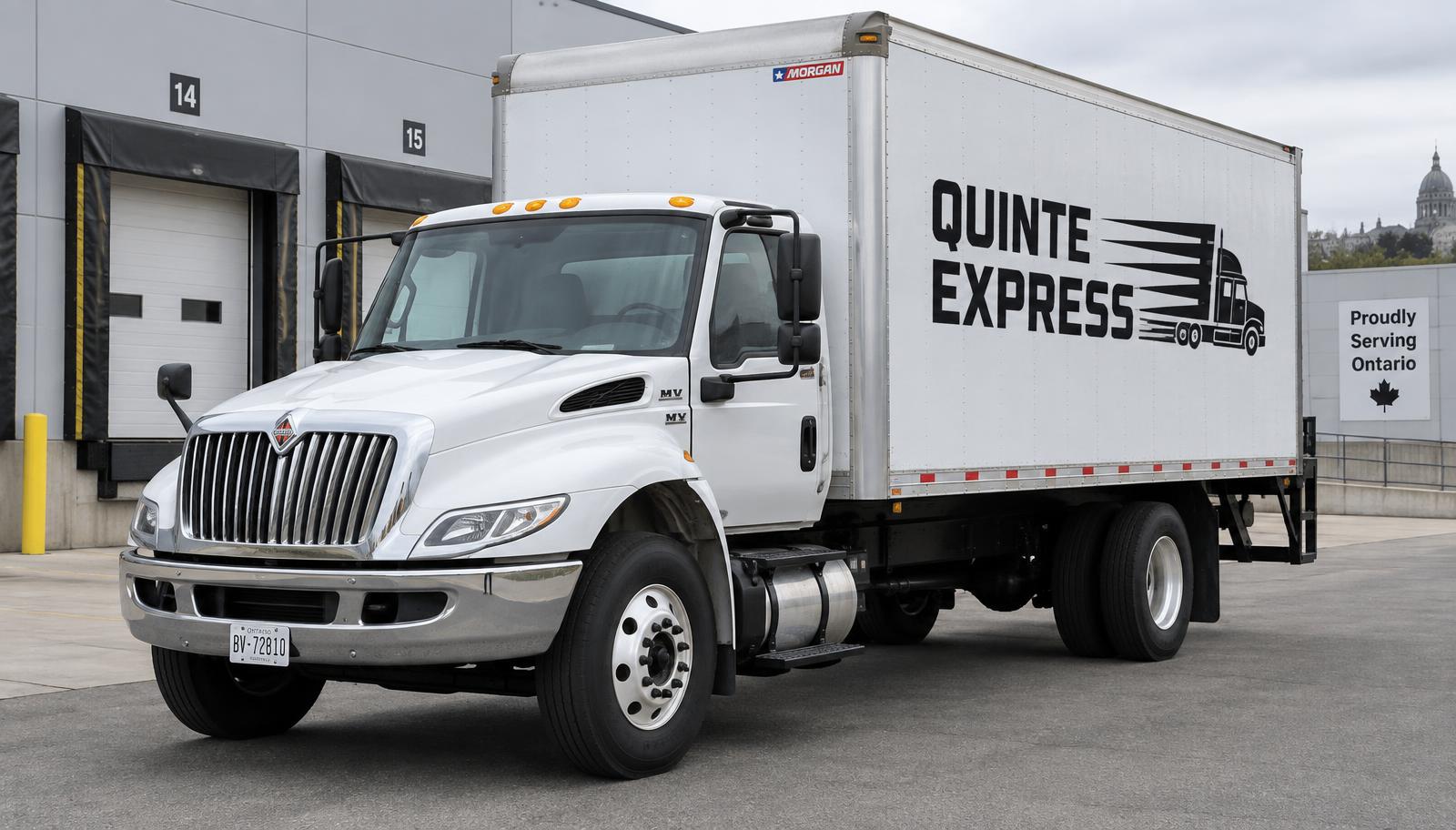
Route density is the 'holy grail' of logistics efficiency. In simple terms, it refers to the number of stops a truck can make within a specific geographic area or along a specific route. For a standalone retailer in Kingston, achieving high density on their own is difficult. This is why partnering with a regional carrier like Quinte Express is a strategic advantage. Because we run the Belleville–Napanee–Kingston corridor daily, we can consolidate shipments from multiple retailers into a single, dense route. This spreads the fixed costs of the truck and driver across more stops, significantly lowering the cost-per-delivery for each individual business.
When a truck is already scheduled to deliver a sofa in the west end of Kingston, adding a refrigerator delivery three blocks away is highly efficient. Conversely, sending a dedicated truck from a warehouse in Toronto to deliver one item in Kingston is prohibitively expensive and environmentally wasteful. By leveraging a carrier with a strong local presence, Kingston retailers can offer faster delivery times—often next-day or two-day—because the trucks are already operating in the area. This speed is a major competitive advantage against national e-commerce giants who may take a week or more to coordinate a Kingston run.
Furthermore, route density allows for better service levels. When a driver is familiar with the Kingston streets and doesn't have to spend hours navigating between distant towns, they are less stressed and can spend more time ensuring the white-glove setup is perfect at each home. They become experts in the local geography, knowing which streets have parking restrictions and which neighborhoods require smaller vehicles. This local expertise, combined with the economic benefits of consolidation, creates a sustainable and high-quality delivery ecosystem for the entire Eastern Ontario retail community.
Specialized Handling: White-Glove and Appliance Installation
For many Kingston retailers, the 'delivery' doesn't end at the front door. White-glove service is the premium standard for furniture and high-end appliances, involving room-of-choice placement, unboxing, assembly, and the removal of all packaging materials. This level of service is particularly important in Kingston’s upscale residential pockets and for the city’s significant senior population who may not be able to move heavy items themselves. A delivery team that leaves a customer with a pile of cardboard and a half-assembled bed frame has failed the last mile mission.
Appliance delivery adds another layer of technical requirement. It’s not just about moving the unit; it often involves basic hookups, such as leveling a washing machine or connecting a refrigerator to an existing water line. While logistics crews are generally not licensed plumbers or electricians, their ability to perform 'plug-and-play' installations and verify that the unit is functioning before they leave is a huge value-add for the customer. It eliminates the need for the customer to hire a separate handyman, making the purchase from a local Kingston retailer a truly seamless experience.
Finally, debris removal is a frequently overlooked but vital part of the white-glove process. A single mattress delivery can generate a significant amount of plastic and cardboard waste. By hauling this away, the delivery crew leaves the customer’s home exactly as they found it—except with a beautiful new product. This attention to detail is what generates the five-star reviews that drive local business growth. It shows a level of respect for the customer's home and environment that sets professional carriers apart from budget 'man-with-a-van' operations.
- Room-of-choice placement including multi-floor carries.
- Full unboxing and inspection to ensure zero manufacturer defects.
- Complete assembly of furniture items (beds, tables, shelving units).
- Basic appliance leveling and connection to existing utility points.
- Removal and eco-friendly disposal of all shipping and packing materials.
Conclusion: Partnering for Success in Eastern Ontario
Mastering the last mile in Kingston requires a blend of local knowledge, technological investment, and a relentless focus on the customer experience. By setting realistic windows, enforcing strict proof-of-delivery protocols, and leveraging the economic benefits of route density, Kingston retailers can turn their delivery operations into a powerful marketing tool. The goal is to make the logistics invisible—a seamless, professional transition from the store to the home that leaves the customer delighted with their purchase.
Quinte Express is proud to be the premier logistics partner for retailers across the Kingston, Belleville, and Napanee regions. Our local roots and decades of experience in the Eastern Ontario corridor allow us to provide white-glove service that big national carriers simply cannot match. Whether you are shipping furniture, appliances, or specialized commercial equipment, we have the fleet and the expertise to handle your last mile with care and precision.
Ready to elevate your delivery game and protect your brand? Let’s build a logistics strategy that works for your business and your customers. Contact Quinte Express today at 613-968-0909 to discuss your last-mile needs or to request a custom quote for your Kingston-based retail operation.
Frequently asked
- What is included in a standard Kingston white-glove delivery service?
- Our white-glove service includes two-person delivery to the room of choice, full unboxing, assembly of the product, and removal of all packaging materials. We also perform a final inspection and take photo proof to ensure the item is in perfect condition and properly placed before we leave the residence.
- How do you handle deliveries to historic downtown Kingston buildings with narrow stairs?
- We specialize in navigating difficult spaces. Our crews are trained in advanced lifting techniques and carry specialized equipment like shoulder dollies and narrow-profile carts. We always recommend that retailers provide us with dimensions of tight entries beforehand so we can ensure the right team and tools are assigned to the stop.
- What happens if a customer in Kingston is not home during their delivery window?
- Our drivers wait at the location for 15 minutes while attempting to contact the customer via phone and text. If the delivery cannot be completed, the item is returned to our warehouse for inspection. We then coordinate with the retailer to schedule a second attempt, which may involve a re-delivery fee.
- Do you offer delivery services outside of the city of Kingston?
- Yes, we regularly cover the entire Eastern Ontario region, including Napanee, Belleville, Gananoque, Brockville, and the surrounding rural areas in Frontenac and Lennox & Addington counties. Our density along the 401 corridor allows us to offer competitive rates even for deliveries outside the main urban centers.
- How does Quinte Express protect floors and walls during heavy appliance deliveries?
- Protection is our priority. We use heavy-duty floor runners to protect hardwood and tile, and all appliances are moved using specialized air-sleds or rubber-wheeled dollies. We also use moving blankets to wrap items during transit through hallways to prevent any scuffing or damage to the customer's walls and door frames.
Services in this article
More last mile guides
Book this service in Kingston
Quinte Express is locally owned in Belleville, Ontario — white glove, last mile, furniture, appliance and parcel delivery across Kingston, Trenton, Ottawa and all of Ontario.