Last Mile
Condo and Apartment Deliveries in Kingston: Rules Nobody Tells You
Navigating property management rules is the secret to successful condo deliveries in Kingston. Learn about service elevator bookings, COI requirements, and truck height restrictions before your furniture arrives.
The Hidden Complexities of Kingston Multi-Unit Housing
Delivering furniture or appliances to a detached home in the suburbs of Kingston is a relatively straightforward logistical exercise. However, as the Limestone City continues to grow vertically, the complexity of the 'last mile' delivery increases exponentially. For residents in the new high-rises along Princess Street or the established waterfront condos near Confederation Park, the delivery process is governed by a strict set of bylaws and property management protocols. These rules are not designed to be obstructive, but rather to protect the common elements of the building and ensure that the daily lives of hundreds of other residents are not disrupted by a single delivery truck blocking access points.
Understanding the local landscape is vital for a successful delivery experience. Kingston’s unique architecture ranges from historic stone conversions with narrow corridors to modern glass towers with sophisticated loading bay systems. Each building has its own personality and its own set of constraints. If you approach a condo delivery with the same mindset as a curbside drop-off, you are likely to face significant delays, added fees from the carrier, or a complete refusal of entry by the building's concierge or security team. Proper preparation is the difference between enjoying your new sectional sofa by evening and dealing with a logistical nightmare that stretches over several days.
This guide serves as a comprehensive resource for residents, property managers, and retailers who need to navigate the intricacies of the Kingston multi-unit delivery market. By addressing technical requirements like insurance, physical constraints like elevator dimensions, and seasonal challenges unique to Eastern Ontario, we aim to streamline the process. Whether you are a student moving into a luxury suite near Queen’s University or a retiree downsizing to a lakeside condominium, these are the rules and best practices that professionals use to ensure every item reaches its final room placement without damage or administrative friction.
Service Elevator Protocols and Booking Windows
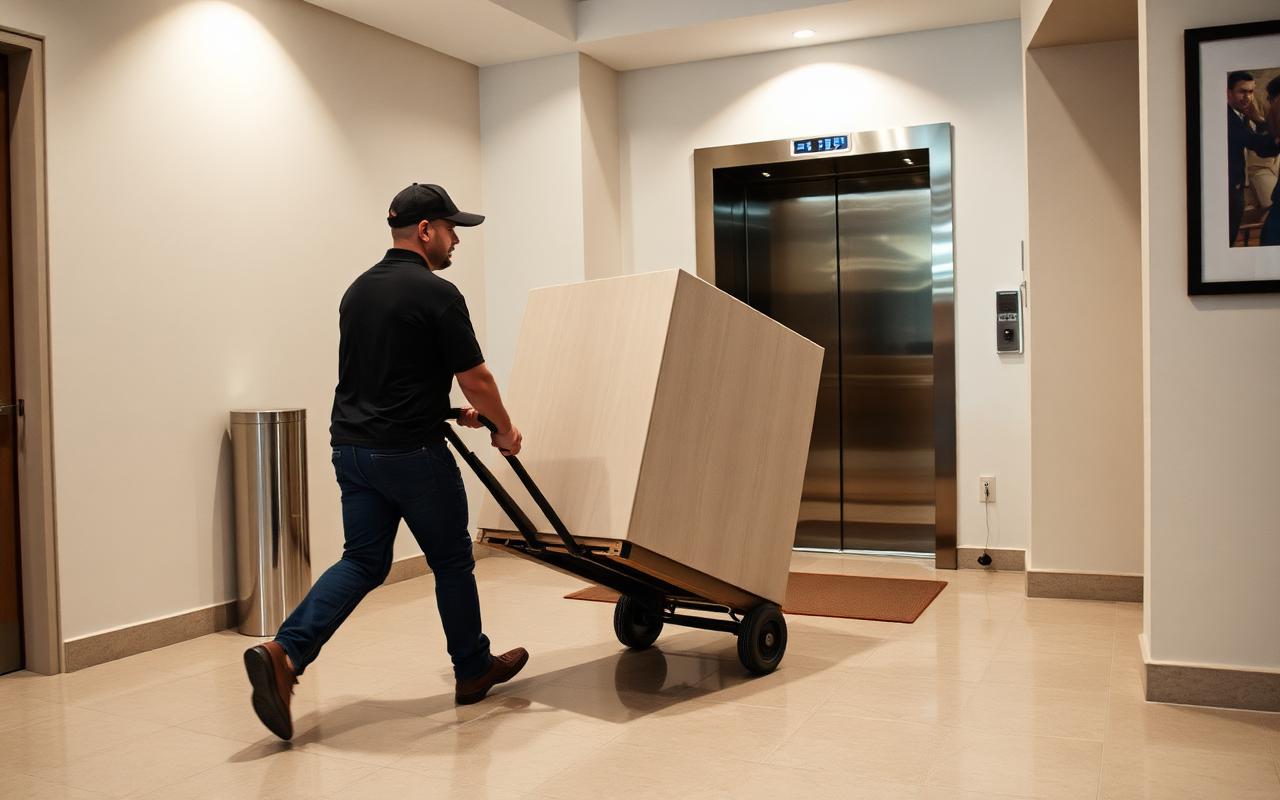
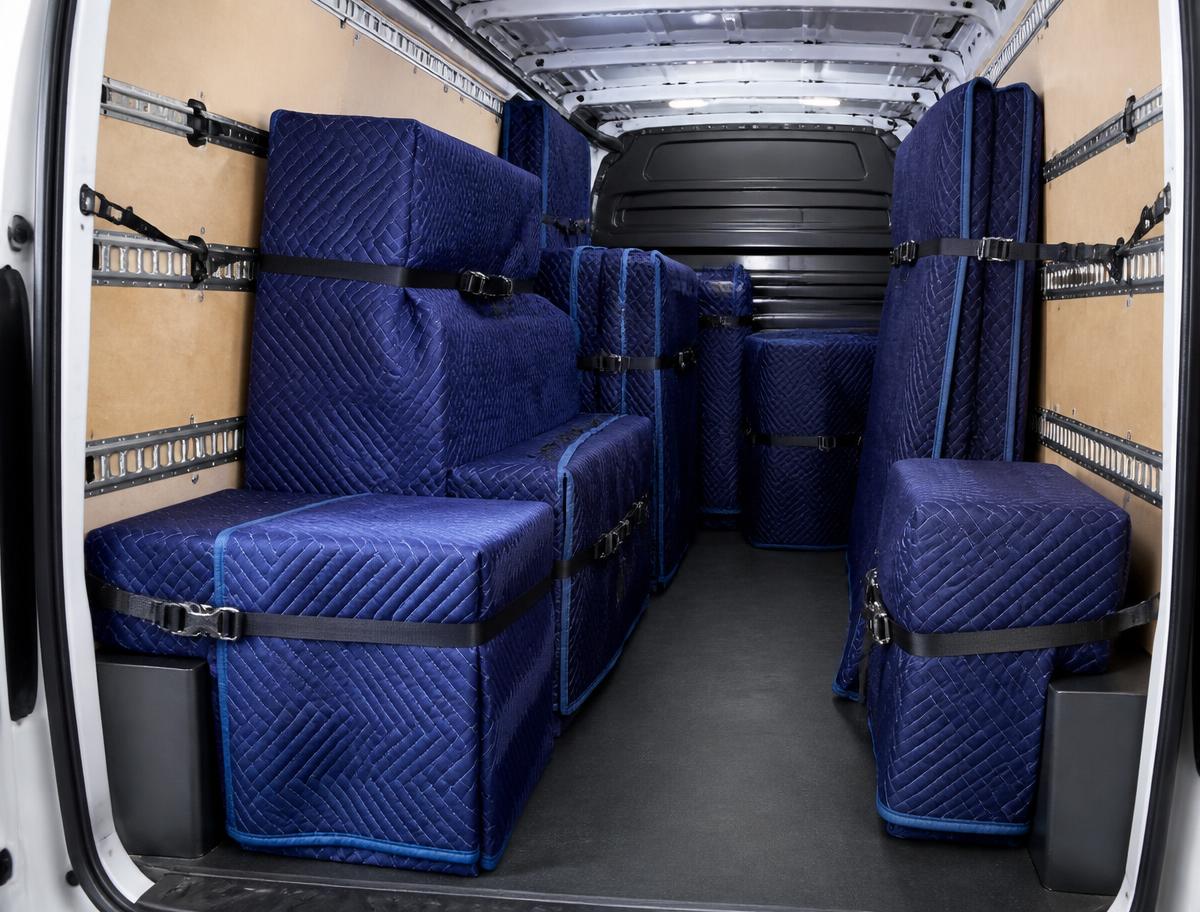
In the world of high-rise living, the elevator is the most precious resource. Most modern Kingston buildings, particularly those managed by larger firms, require the formal reservation of a 'service' or 'freight' elevator for any significant delivery. This isn't just a matter of convenience; it is a requirement to ensure the elevator cab is properly protected with quilted moving pads. These pads prevent the interior walls and mirrors from being scratched by large appliances or the corners of wooden furniture. Without a reservation, the concierge is often forbidden from allowing a delivery crew to use the general-use passenger elevators, which can lead to the truck being turned away at the door.
Timing is everything when it comes to elevator bookings. Most buildings operate on a three-block or four-block daily schedule, such as 9:00 AM to 12:00 PM and 1:00 PM to 4:00 PM. If your delivery truck arrives even thirty minutes late due to Highway 401 traffic, you might find that your window has closed and the next resident has already begun their move. Furthermore, many Kingston condos strictly prohibit deliveries on Sundays and statutory holidays to preserve the peace and quiet of the community. Always confirm the specific days of the week your building allows for heavy deliveries before you schedule the arrival of your new items.
When you make your booking, you must also consider the physical dimensions of the elevator itself. A sofa that looks perfectly sized for your living room might be three inches too long to stand vertically in the elevator cab. Ask your property manager for the internal height, width, and depth of the elevator, as well as the dimensions of the door opening. A common mistake is measuring the interior of the elevator but forgetting that the door frame is narrower or shorter than the cab itself. If an item cannot fit in the elevator, the delivery team will have to assess the feasibility of a stair-carry, which always involves additional labor costs and significant physical risk.
- Contact the concierge or property manager at least 14 days in advance.
- Confirm if there is a security deposit required for elevator use.
- Verify the specific elevator door clearance (often smaller than the cab).
- Check if padded protection is provided by the building or required from the mover.
- Ensure your delivery window includes time for the crew to unload and exit.
Insurance Certificates and Liability Requirements
One of the most frequent reasons for delivery cancellations in Kingston’s upscale condo market is the lack of a valid Certificate of Insurance (COI). Property management companies are tasked with protecting the assets of the condo corporation. If a delivery person accidentally hits a sprinkler head in the hallway or scrapes the finish off an expensive lobby door, the building needs to ensure there is a multi-million dollar policy in place to cover the damages. A simple 'we are insured' statement is never enough; the building will typically require a formal document naming the Condo Corporation as an 'Additionally Insured' party for the day of the delivery.
Providing this documentation requires coordination between you and your delivery partner. Professional carriers like Quinte Express are accustomed to these requests, but they need lead time to process the paperwork through their insurance brokers. Requesting a COI on the morning of the delivery is a recipe for failure, as brokers often require 24 to 48 hours to issue specific certificates. When you receive the insurance requirements from your building manager, look for specific details such as the required limit of liability (often $2 million or $5 million) and the exact legal name of the corporation to be listed on the document.
Beyond the building's requirements, you should also consider your own liability. Ensure that the delivery company carries WSIB (Workplace Safety and Insurance Board) coverage for their employees. If an uninsured worker is injured while carrying a heavy appliance into your unit, the legal and financial ramifications could fall on you as the homeowner. A reputable Kingston delivery service will always be transparent about their WSIB standing and their general liability coverage. This layer of administrative protection is what separates professional 'white glove' services from amateur operations found on discount classified sites.
Truck Height and Loading Zone Logistics
Kingston’s urban core is characterized by tight streets and underground parking structures that were often not designed with modern logistics in mind. Many of the newer developments downtown have underground loading bays with height clearances as low as 8 or 9 feet. A standard 26-foot straight truck, which is the industry standard for furniture delivery, requires at least 12.5 to 13.5 feet of clearance. If your building requires the truck to enter the garage to reach the elevator, and the truck is too tall, the delivery becomes significantly more complicated. The crew may be forced to park on the street, which might be several hundred feet away from the entrance.
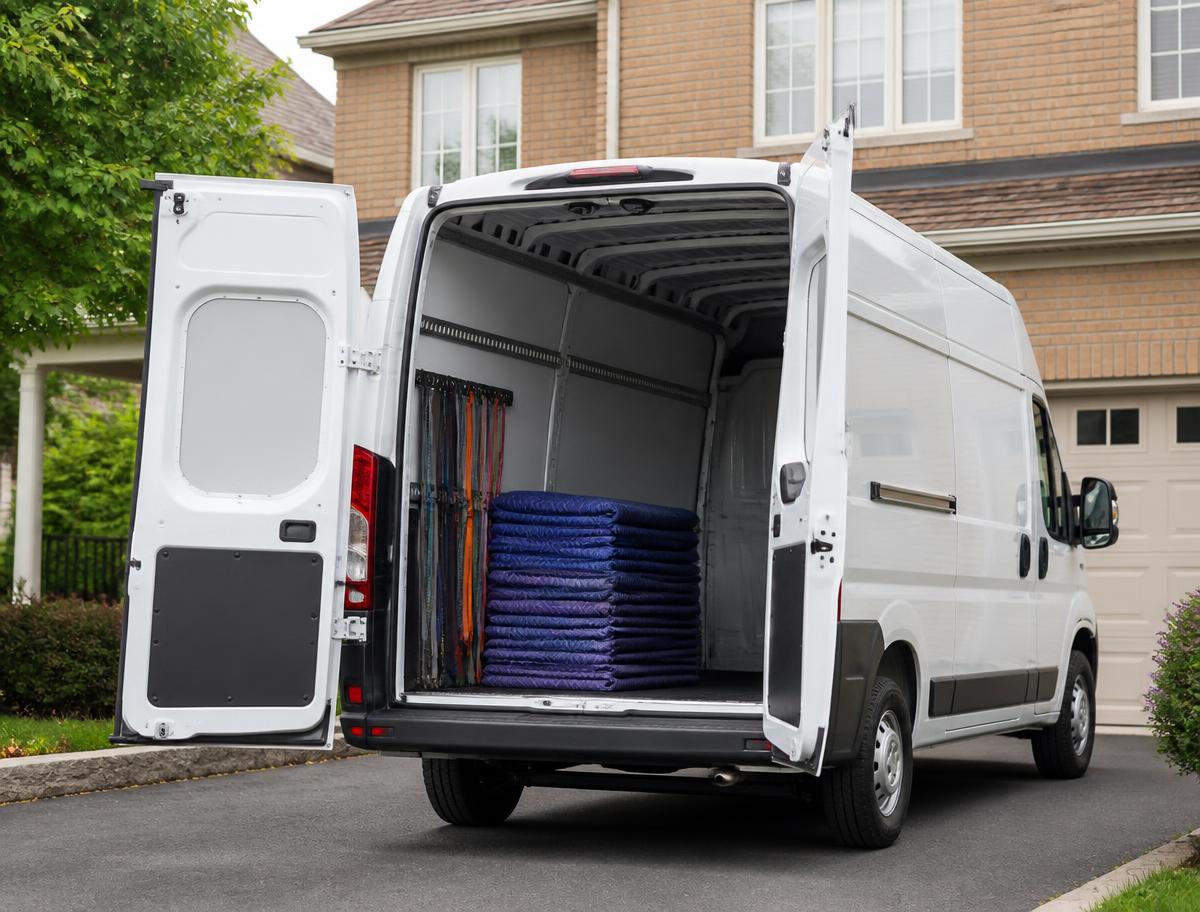
Long-distance carries from a street-level loading zone to the service elevator are a major cost driver in last-mile logistics. If the walk exceeds a certain distance (often 50 or 75 feet), additional labor charges will apply because of the time and physical effort required. In some cases, if the street is too narrow or parking is restricted, a 'shuttle service' might be necessary. This involves transferring the goods from a large truck into a smaller cargo van that can fit into the underground parking or navigate tight alleyways. This double-handling of goods increases the risk of damage and the total cost of the delivery, making it essential to disclose these constraints early.
Weather also plays a role in loading zone logistics. During a Kingston winter, a street-side delivery means your furniture will be exposed to snow, slush, and road salt as it is moved from the truck to the building entrance. A professional crew will use heavy-duty floor runners and protective plastic wrapping to shield your items, but the closer the truck can get to the door, the safer your investment will be. When booking, always tell your carrier if there is a dedicated loading dock, a surface parking lot, or if they will be forced to park on a busy thoroughfare like Princess or Brock Street.
- Verify the maximum height clearance of the loading bay entrance.
- Check for overhead obstructions like pipes, sprinklers, or signage.
- Inquire about 'No Parking' zones or the need for city permits for street parking.
- Determine the walking distance from the truck to the service elevator.
- Confirm if a ramp is needed to bridge the gap between the curb and the entrance.
Navigating Doorways and Internal Corridors
Even if an item fits perfectly in the elevator, the internal layout of a condo unit can present significant challenges. Many modern units feature narrow hallways with sharp 90-degree turns that are difficult to navigate with long items like king-sized mattresses or three-cushion sofas. It is vital to measure every point of passage, not just the final destination. This includes the width of the unit’s front door, the clearance of the internal foyer, and the height of any low-hanging light fixtures or bulkheads that might obstruct the movement of tall armoires or refrigerators.
Professional delivery teams in Kingston use a variety of techniques to handle these tight spaces. This may include removing the doors from their hinges (with your permission) or using specialized equipment like 'shoulder dollies' that allow movers to tilt items at precise angles. However, there are physical limits to what can be achieved. If a sofa cannot make a turn because of a structural wall, no amount of force will solve the problem. In these instances, you may need to look for furniture designed for 'knock-down' assembly or items that can be partially disassembled, such as removing the legs or the back of a recliner chair.
Protection of the unit itself is just as important as the furniture. High-traffic areas in a condo, such as the wood or tile floors in the entryway, are susceptible to scratching during the maneuvering process. A white-glove delivery service will use neoprene floor runners and corner protectors to ensure that the building’s interior remains pristine. Before the crew arrives, you should clear away any small rugs, shoes, or wall art that could be accidentally bumped. This creates a clear path for the movers and reduces the time they need to spend in your unit, helping you stay within your allotted elevator window.
The Student Market and Seasonal Pressures
Kingston is a university town, and the academic calendar dictates the rhythm of the local delivery industry. The 'Big Move' periods—typically the first and last weeks of September and May—are times of extreme logistical density. With thousands of students moving into apartments around Queen’s University and St. Lawrence College simultaneously, the demand for delivery trucks and elevator time reaches a fever pitch. If you are planning a furniture delivery during these windows, you must book your service several weeks, if not months, in advance. Availability for professional crews disappears rapidly, and those who wait until the last minute often find themselves without options.
During these peak periods, traffic in the 'Student Ghetto' and downtown core becomes congested, which can lead to unavoidable delays. A delivery that usually takes 20 minutes to navigate might take an hour during move-in weekend. We recommend that condo residents who are not students try to avoid scheduling major deliveries during these peak windows if possible. If you must move during these times, choose an early morning slot to get ahead of the gridlock. Be prepared for a more hectic environment, as multiple trucks will likely be vying for the same curb space and elevator access.
For parents of students, coordinating a delivery from out of town adds another layer of complexity. If you are ordering furniture from a retailer in the GTA or Montreal to be delivered to a Kingston apartment, you must ensure someone is physically present to sign for the goods and provide access. Many student rentals lack a full-time concierge, meaning the delivery team cannot enter the building without the tenant being present. Clear communication between the student, the parent, and the delivery company is essential to prevent 'failed delivery' charges, which occur when a truck arrives but cannot complete the drop-off due to lack of access.
- Avoid the September 1st and May 1st peaks if your schedule is flexible.
- Plan for significant traffic delays in the downtown core during move-in weeks.
- Ensure the tenant is present with a charged phone to meet the driver.
- Double-check that the apartment number is clearly visible on the door.
- Label all boxes and items clearly if they are going to a shared student unit.

Technical Specs: What Mover and Resident Need to Share
Successful condo deliveries are built on data. The more information you can provide to the delivery company, the more accurately they can quote the job and prepare the right equipment. For example, knowing the exact wattage or plug type for a new appliance is important, but for the delivery crew, the physical dimensions are the primary concern. They need to know if the refrigerator has a built-in water line that needs to be disconnected or if a stackable washer-dryer unit requires a two-person lift into a narrow closet. These details determine whether the crew brings a standard dolly or a specialized appliance hand truck.
You should also communicate the specific path of travel. If the delivery involves using a ramp, going up a flight of stairs inside the unit, or navigating a narrow balcony door, these are 'surprises' that can derail a delivery. Most professional carriers have a list of 'standard' delivery conditions; anything outside of those conditions is considered a 'difficult access' delivery and may require additional staff or equipment. By providing photos or a short video of the path from the elevator to the final room, you allow the dispatch team to plan effectively and avoid on-site disputes about the scope of work.
Finally, discuss the disposal of packing materials. New furniture often comes with a significant amount of cardboard, Styrofoam, and plastic wrap. Most Kingston condos have strict rules against residents dumping large amounts of packing material in the communal garbage chutes or recycling bins. Many professional delivery services offer 'debris removal' as an add-on service. They will unpack the items, ensure they are in good condition, and take the waste materials back to their facility for proper recycling. This leaves your new home clean and keeps you in good standing with your building's maintenance staff.
Weather Considerations in Eastern Ontario
Kingston is known for its damp, windy weather, particularly for buildings situated along the St. Lawrence River. High winds can make unloading large, flat items like headboards or tabletops dangerous, acting like sails that can blow a mover off balance. During the winter months, the transition from a cold delivery truck to a heated condo can cause wooden furniture to expand or contract, and condensation can form on electronic components. A professional crew will allow sensitive items to acclimate and will ensure that every piece is thoroughly covered with waterproof blankets during the transit from the truck to the building entrance.
Salt and slush are the enemies of condo carpets and hardwood. In Kingston, property managers are often very protective of the common area carpets during the winter. If your delivery crew tracks in salt and dirt, the building may charge you for a professional cleaning. A quality delivery service will use clean, heavy-duty floor runners and will wear shoe covers (booties) when entering your unit. This attention to detail protects your security deposit and maintains the cleanliness of the building. Always check the weather forecast a few days before your delivery; if a major blizzard is predicted, it may be safer for everyone to reschedule the appointment.
Visibility is another factor during the shorter days of late autumn and winter. If a delivery is scheduled for the late afternoon, the crew may be working in the dark. Inadequate lighting in loading zones or back alleys can increase the risk of trips and falls. If you know the delivery area is poorly lit, informing the company allows them to bring portable work lights to ensure the safety of the crew and the security of your goods. Being proactive about these environmental factors shows a level of preparedness that professional movers truly appreciate.
Cost Drivers and Hidden Fees to Avoid
Understanding how delivery costs are calculated in a condo environment can help you budget more accurately. Unlike a flat-rate delivery to a house, condo deliveries are often billed with considerations for time and complexity. The primary driver of cost is 'dwell time'—the time the truck is parked and the crew is active. If the elevator is slow or the walk from the loading bay is long, the labor costs will naturally rise. Some companies also charge 'stair fees' if an item won't fit in the elevator and must be carried up one or more flights. Being upfront about these factors ensures your quote is realistic and prevents 'sticker shock' on delivery day.
Another potential cost is the 'failed delivery fee.' This occurs if the crew arrives at the scheduled time but cannot perform the delivery because the elevator wasn't booked, the COI was missing, or the resident wasn't home. In these cases, the carrier still has to pay their crew and cover fuel costs, so they will bill a significant portion of the original fee. To avoid this, triple-check your checklist 24 hours before the truck is due to arrive. Ensure you have the concierge's phone number and that your own phone is not on 'Do Not Disturb' mode, as the driver will likely call when they are 15 to 30 minutes away.
Lastly, consider the value of 'White Glove' service versus 'Curbside' delivery. Curbside is cheaper but leaves you responsible for moving a heavy, palletized item from the sidewalk, through the lobby, and into your unit. For most condo residents, this is physically impossible and often against building rules. White glove service, while more expensive, includes inside delivery, room of choice placement, assembly, and debris removal. In the context of a Kingston high-rise, the premium for white glove service is almost always worth it for the peace of mind and the physical safety it provides.

Final Checklist for a Smooth Kingston Delivery
Before the truck pulls up to your Kingston condo or apartment, take a final walk-through of the path the movers will take. Are there any narrow turns? Is the hallway clear of obstructions? Have you confirmed with the concierge that the elevator pads are actually installed? These final checks take only a few minutes but can prevent hours of delays. Ensure that you have a copy of the delivery order and that you know exactly what is supposed to be arriving. If you are expecting multiple items, having a designated space cleared in the room of choice will allow the movers to work quickly and efficiently.
Communication is the final piece of the puzzle. Make sure the delivery company has your best contact number and any specific instructions for finding the loading bay, which can often be tucked away in a back alley or on a side street. If there is a buzzer code or a specific security protocol for guests, share that information in advance. The more the driver knows before they arrive at the curb, the faster they can get to work. Once the delivery is complete, take a moment to inspect the items and the surroundings for any damage before signing the proof of delivery (POD) document.
At Quinte Express, we specialize in navigating these exact challenges for residents across Kingston and the wider Quinte region. Our team is experienced with the specific requirements of Kingston's property management firms and the geographic constraints of the downtown core. We pride ourselves on clear communication, professional handling, and administrative accuracy. Whether you are moving a single high-end appliance or an entire suite of furniture, we have the equipment and the expertise to get it done right the first time. Contact us today at 613-968-0909 to schedule your next condo or apartment delivery.
- Confirm elevator booking time and padding availability.
- Verify that the Insurance Certificate has been sent and accepted.
- Measure all doorways, halls, and elevator interiors.
- Clear a path inside the unit and protect fragile flooring.
- Keep your phone active for driver updates and arrival calls.
Frequently asked
- What happens if my furniture doesn't fit in the condo elevator?
- If an item exceeds elevator dimensions, the delivery team will evaluate if a stair-carry is safe and permitted. This usually involves additional labor fees. If stairs are not an option due to height or building rules, the item may need to be returned to the warehouse, and you might consider furniture that can be disassembled or a smaller alternative.
- Why does my building require a Certificate of Insurance (COI)?
- Condo corporations require a COI to protect themselves from liability for damages to common areas, such as hallways or elevators, during the delivery process. It proves the carrier has sufficient insurance to cover repairs. You must request this from your delivery provider several days in advance to ensure the specific legal name of your condo is listed.
- Can I book a delivery for a Sunday in a Kingston apartment?
- Most professional apartment and condo buildings in Kingston prohibit large deliveries and moves on Sundays and statutory holidays to minimize noise and elevator congestion for other residents. Always consult your building's specific bylaws or your tenant agreement before scheduling a weekend delivery to avoid the truck being turned away by security.
- What is the difference between a 'straight truck' and a 'shuttle' delivery?
- A straight truck is a standard 26-foot delivery vehicle that requires significant height and turning clearance. A shuttle delivery is used when a large truck cannot access a tight loading zone or low-clearance underground garage. The goods are transferred to a smaller cargo van for the final leg of the trip, which involves extra labor and handling.
Services in this article
More last mile guides
Book this service in Kingston
Quinte Express is locally owned in Belleville, Ontario — white glove, last mile, furniture, appliance and parcel delivery across Kingston, Trenton, Ottawa and all of Ontario.