White Glove
What Does White Glove Delivery Cost in Ontario?
White glove delivery pricing involves complex variables including crew size, assembly time, and building access. Learn how dispatchers calculate these costs to ensure a damage-free arrival for high-value items.
Understanding the Fundamentals of White Glove Pricing
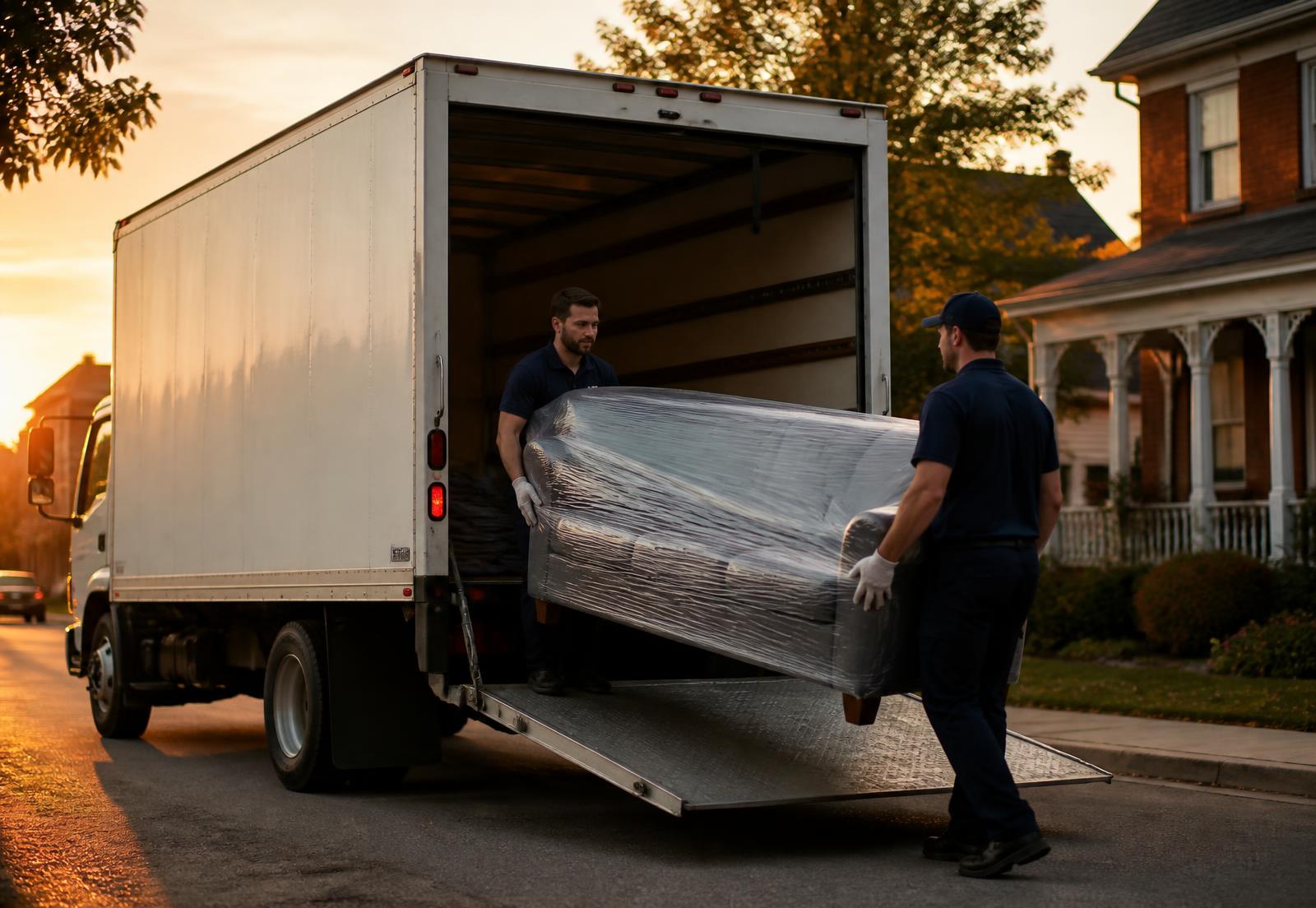
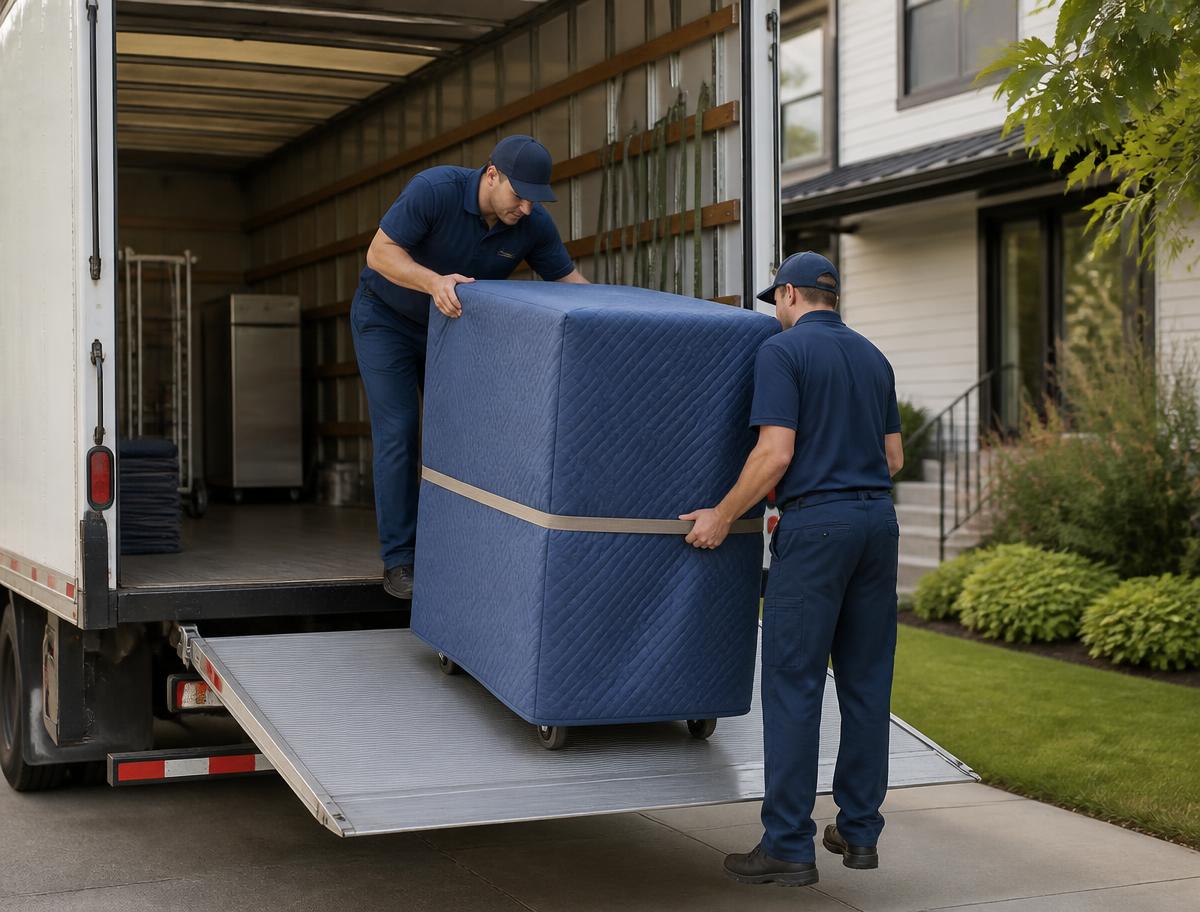
In the logistics landscape of Ontario, white glove delivery represents the gold standard of service, moving far beyond the simple curbside drop-off common in standard parcel freight. While a standard courier might leave a box at the end of a driveway, a white glove service involves a professional two or three-person crew bringing the item into a specific room, unboxing it, performing assembly, and removing all debris. Because this service is labor-intensive and requires high-touch care, pricing is never a flat rate. Instead, it is a nuanced calculation based on time, risk, and specialized equipment required to ensure a heavy or fragile piece of furniture reaches its final destination without a scratch.
When you request a quote for white glove services in regions like the Quinte area or the Greater Toronto Area, dispatchers look at the 'total cost of service' rather than just mileage. This includes the overhead of specialized trucks equipped with liftgates, the insurance premiums for handling high-value goods, and the hourly rate of trained technicians who understand how to navigate tight corners and delicate flooring. The objective is to provide a seamless experience where the homeowner does not have to lift a finger, but this level of convenience requires a significant allocation of resources that must be accounted for in the initial estimate.
It is essential to recognize that white glove delivery is an investment in the longevity of your purchase. High-end marble tables, custom cabinetry, and sophisticated medical equipment are prone to damage if handled by inexperienced carriers. By understanding the variables that drive these costs, businesses and residents can better prepare their budgets and ensure they are comparing 'apples to apples' when vetting logistics partners across Ontario. A lower price often indicates a sacrifice in insurance coverage or crew training, which can lead to costly damages and delays in the long run.
The Critical Impact of Geography and Lane Distance
Ontario’s vast geography plays a primary role in determining the base cost of any delivery. A short-haul run between Belleville and Kingston is priced differently than a long-haul trek from the Quinte region to Thunder Bay or Ottawa. Carriers must account for fuel consumption, highway tolls—particularly on the 407 ETR—and the driver’s hours of service. In white glove logistics, the truck isn't just a transport vessel; it is a mobile workshop containing pads, straps, and tools. Therefore, every kilometer added to the route increases the operational cost, especially when the truck must return to its home base after a specialized drop.
Regional variations also exist within the province. Delivering in the dense urban core of Toronto often carries a premium compared to the open roads of Hastings County due to traffic congestion and the difficulty of navigating narrow side streets with a 26-foot box truck. A crew spending two hours idling in traffic on the 401 is two hours they are not performing installations, which necessitates a higher baseline rate for urban deliveries. Conversely, rural deliveries may incur 'deadhead' fees if the destination is significantly off the main trucking corridors where the carrier lacks backhaul opportunities.
Furthermore, seasonal weather in Ontario introduces a layer of complexity to geographic pricing. During the winter months, delivery to the 'Snow Belt' areas north of the GTA or into Eastern Ontario requires extra time for safe navigation and site preparation. Crews must take additional care to ensure that snow and salt are not tracked into the home, often using floor runners and boot covers. These small but necessary adjustments for climate and distance ensure that the item arrives safely, regardless of whether it is traveling fifty kilometers or five hundred.
Item Complexity: Dimensions, Weight, and Fragility
The physical characteristics of the cargo are the most obvious cost drivers. A standard sofa is relatively straightforward to move, but a three-hundred-pound solid oak dining table or a sensitive piece of laboratory equipment requires a different tier of service. Dispatchers categorize items based on their 'degree of difficulty.' Oversized items that cannot fit through a standard 36-inch doorway require specialized maneuvering, sometimes involving removing doors from hinges or utilizing window hoists. The more complex the item, the higher the risk profile, which is reflected in the final quote provided to the customer.
Weight is another critical factor that determines the number of personnel required. While two-man crews are the industry standard for white glove work, items exceeding 250 pounds often necessitate a third or fourth technician to ensure safety and prevent injury. Pushing the limits of a two-person crew increases the likelihood of an accidental drop or damage to the customer's property. Therefore, being transparent about the weight and dimensions—including the crated size versus the unboxed size—is vital for an accurate quote. An item that appears small but is exceptionally heavy, like a cast-iron bathtub, will always command a premium.
Fragility also dictates the packing materials used during transit. White glove providers often utilize high-density foam, custom wooden crates, or double-walled corrugated cardboard to protect high-value goods. The cost of these consumables, along with the time required to professionally wrap each piece, is factored into the service price. When shipping something as delicate as a chandelier or an original piece of artwork, the preparation time at the warehouse can sometimes exceed the actual transit time, reflecting the meticulous nature of high-end logistics.
- Standard items: Chairs, end tables, small appliances (2-man crew).
- Heavy items: Pianos, gun safes, marble countertops (3-4 man crew).
- Oversized items: Sectional sofas, king-size mattresses, industrial fridges.
- Fragile items: Glass displays, mirrors, fine art, electronic kiosks.
- Dimensions: Always measure length, width, and height before requesting a quote.
The Hidden Costs of Building Access and Site Conditions
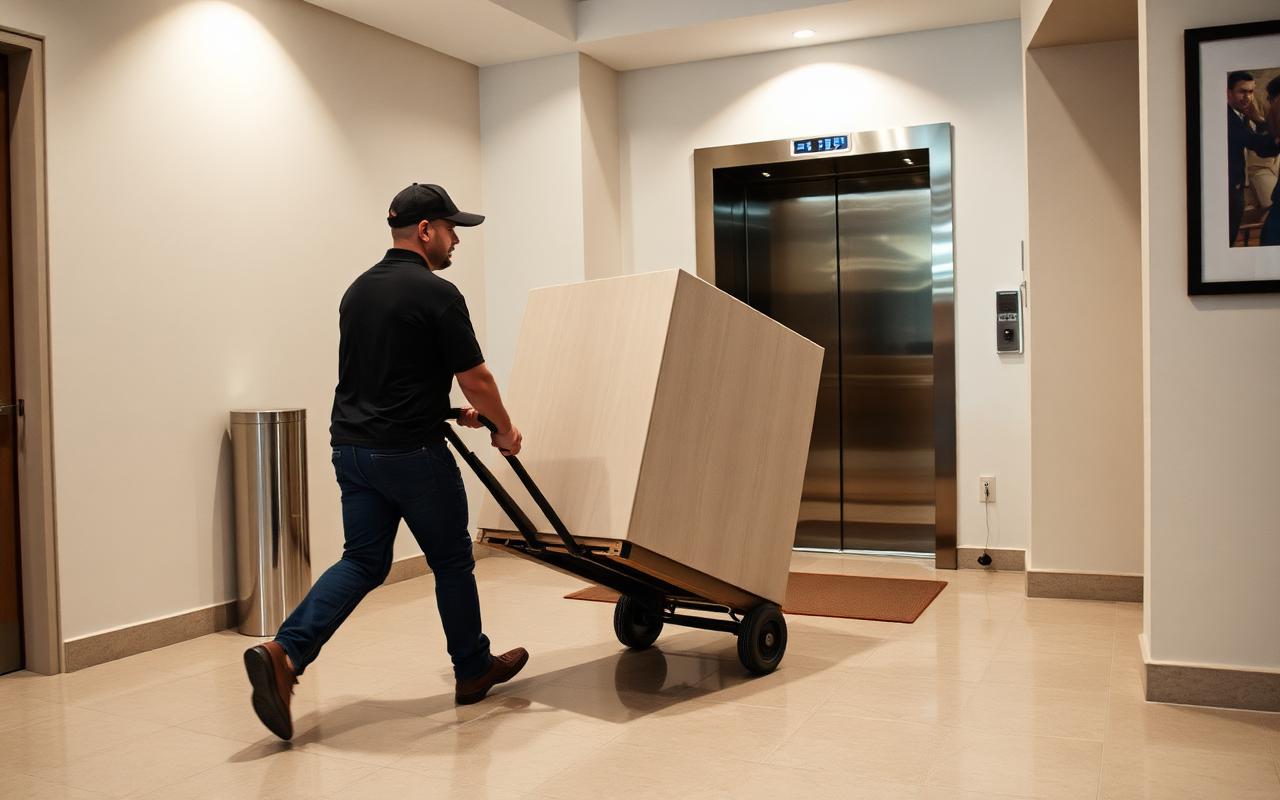
The most common reason for a price adjustment on delivery day is a lack of information regarding the delivery site. White glove crews need to know exactly what they are walking into. For instance, a delivery to a single-family home with a wide driveway and no stairs is a 'best-case scenario.' However, a delivery to a tenth-floor penthouse in a downtown condo involves navigating loading docks, freight elevator bookings, and long 'walk-times' from the truck to the unit. If a crew has to wait forty minutes for a dedicated elevator, that idle time represents a cost that must be recovered by the carrier.
Staircases are the most frequent challenge in residential white glove delivery. Navigating a narrow, winding staircase with a heavy dresser is a high-risk maneuver that requires physical strength and precision. Most carriers charge a 'stair fee' per flight after the first floor to account for the increased physical strain and time required. Similarly, tight hallways or low-hanging light fixtures can impede progress. If a crew arrives and finds that an item literally cannot fit through the intended path, the cost of a 'failed delivery' or a specialized extraction can be significant.
Access challenges also extend to the exterior of the property. In many parts of Ontario, especially in older cities like Kingston or rural areas in Prince Edward County, driveways may be unpaved, steep, or too narrow for a standard delivery truck. If the truck has to park a block away, the 'long carry' fee applies. This is why providing photos of the entry points or a detailed description of the driveway can help in securing a firm, no-surprises quote. Professional carriers will use this information to determine if a smaller 'shuttle' vehicle is needed to complete the final mile of the journey.
Labor and Technical Assembly Requirements
White glove delivery is often synonymous with 'room of choice' and 'full assembly.' The complexity of the assembly task is a major component of the labor cost. Putting together a simple bed frame might take twenty minutes, whereas assembling a modular executive desk with integrated power strips or a multi-piece entertainment center can take several hours. Carriers typically estimate assembly time based on the manufacturer’s instructions and their own experience with similar products. This labor is billed as part of the total package, ensuring that when the crew leaves, the item is fully functional and ready for use.
Technical expertise is another layer of the service. Some white glove deliveries involve light electrical work, such as plugging in and testing appliances, or leveling heavy furniture on uneven floors. While most furniture delivery crews are not licensed plumbers or electricians, they are skilled in the basic setup required for consumer goods. The cost reflects the peace of mind that comes with knowing the item was not only delivered but also correctly put together. This reduces the risk of the customer stripping a screw or incorrectly balancing a piece of equipment, which could void a warranty.
Beyond assembly, there is the aspect of 'disposal and debris removal.' A single large sectional sofa can generate a staggering amount of cardboard, plastic wrap, and styrofoam. Part of the white glove fee covers the time taken to break down these materials and the cost of disposing of them at a recycling facility. In an era of strict municipal waste bylaws in Ontario, this is a significant benefit to the customer, who would otherwise be left with a garage full of packaging that the local curbside pickup might refuse to take.
- Basic Assembly: Attaching legs to tables, installing shelf pins.
- Complex Assembly: Bed systems, multi-component desks, exercise equipment.
- Post-Assembly Testing: Ensuring drawers slide smoothly and doors are aligned.
- Debris Removal: Hauling away all corrugated cardboard, foam, and plastic.
- Old Item Disposal: Optional removal of the item being replaced (surcharge applies).
Scheduling, Flexibility, and Time Windows
Timing is a luxury in the logistics world, and specific timing requirements will impact the price. If a customer requires a 'dedicated delivery' on a specific Tuesday at exactly 10:00 AM, they are essentially renting the entire capacity of the truck and crew for that window. This is the most expensive way to book a delivery. Conversely, customers who are flexible and can accept a delivery 'within a four-hour window' on a day when the carrier already has other stops in the area can often benefit from 'routed pricing.' By consolidating multiple deliveries into one geographic loop, the carrier can distribute the fixed costs across several clients.
In many Ontario condos, management only allows move-ins and large deliveries during strict time slots, such as 9:00 AM to 1:00 PM on weekdays. These constraints force carriers to prioritize those stops, which can lead to higher rates during peak periods. Additionally, 'after-hours' or weekend deliveries are available but almost always involve a surcharge to cover overtime wages for the crew. Planning your delivery during standard business hours is one of the most effective ways to keep the white glove cost within a reasonable range.
The 'call ahead' service is a standard feature of high-quality white glove delivery, where the crew contacts the customer 30 to 60 minutes before arrival. This reduces the time the truck spends sitting at the curb and ensures the site is ready. If a crew arrives and the customer is not home, the 're-delivery fee' can be quite high, as the truck must return to the warehouse, offload the item, and reschedule the entire process. Communication is therefore the key to maintaining the quoted price and avoiding unnecessary administrative surcharges.
Insurance, Liability, and Peace of Mind
One of the primary reasons businesses choose white glove service is the enhanced insurance coverage. Standard freight carriers often offer 'released value' protection, which might only pay out cents on the pound in the event of damage. For a $5,000 designer chair that weighs fifty pounds, this coverage is woefully inadequate. White glove providers in Ontario typically offer higher levels of cargo insurance and 'Full Value Protection' options. This premium covers not just the item itself, but also potential damage to the customer’s home, such as a scratched hardwood floor or a dented drywall.
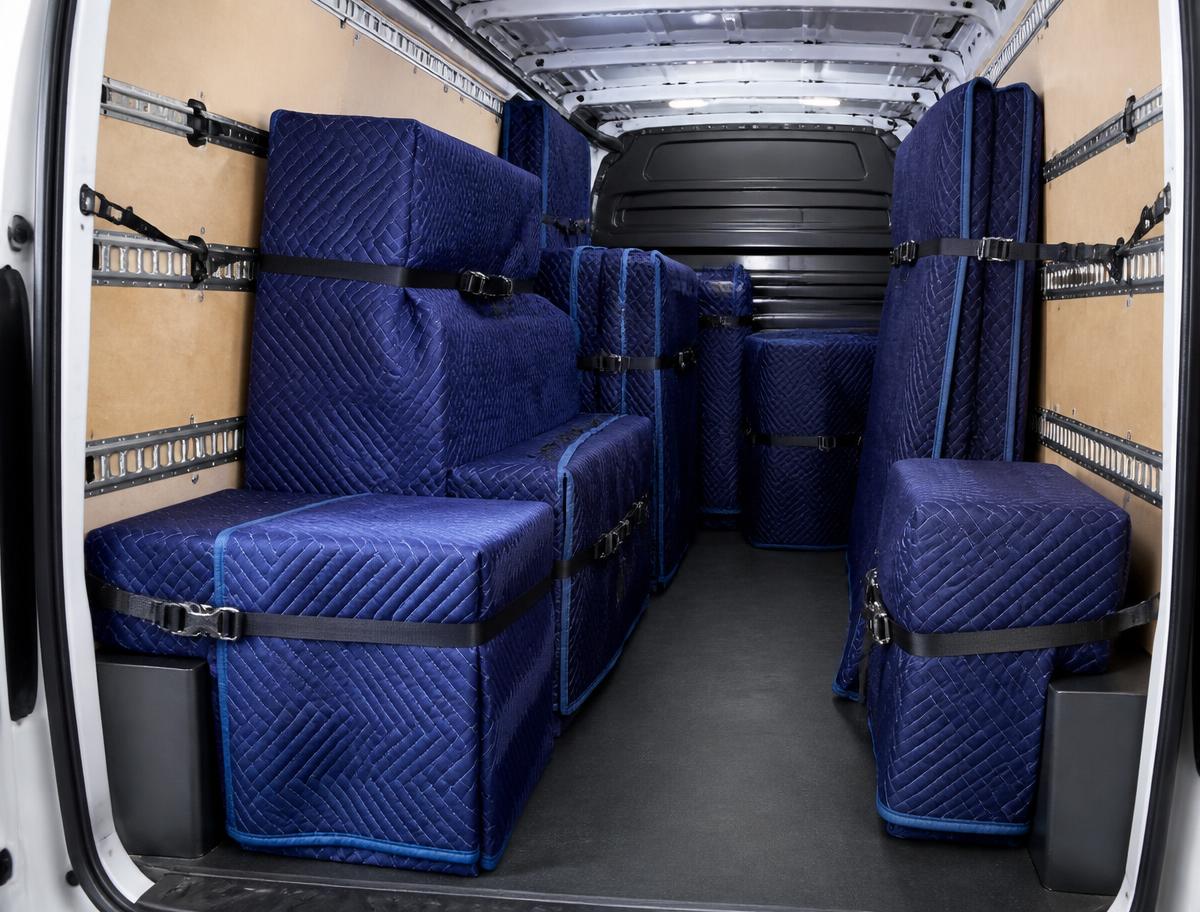
Professionalism and training are also factored into the cost. A reputable company invests in regular training for their crews on lifting techniques, padding methods, and customer service etiquette. This reduces the likelihood of a claim ever being filed. When you pay for white glove, you are paying for a crew that knows how to use 'floor runners' to protect carpets and 'corner guards' to prevent wall damage. This preventative approach is what separates a premium carrier from a budget-friendly alternative that might use sub-contracted labor with little oversight.
Finally, the 'claims process' with a white glove provider is usually much more direct. If a scratch is discovered during unboxing, the crew can document it immediately, and the company can often arrange for a furniture medic or a replacement right away. This high level of accountability is built into the service price. In the long run, the cost of the white glove service is often less than the 'hidden cost' of dealing with a damaged item and a difficult claims department at a high-volume parcel carrier.
Strategies for Reducing Your White Glove Costs
While white glove delivery is a premium service, there are several ways to ensure you are getting the best possible value. The most effective strategy is 'consolidation.' If you are furnishing an entire office or home, try to have all items delivered to the carrier’s warehouse first, and then scheduled for a single delivery day. One large stop with five items is significantly cheaper than five separate stops with one item each, as the base 'trip fee' and travel time are only charged once. Many carriers offer short-term storage specifically to facilitate this consolidation.
Preparation is another area where you can save. If the delivery crew has to spend thirty minutes moving your old furniture out of the way before they can place the new item, you will likely be billed for that additional labor time. By ensuring the path is clear, the room is ready, and pets or children are in a separate area, you allow the crew to work efficiently. Efficiency for the crew translates to lower costs for the customer, especially if the quote was based on an hourly labor estimate.
Lastly, always be upfront about every detail of the delivery site. Providing photos of the stairwell, the driveway, and the doorway dimensions allows the dispatcher to provide a 'firm' quote. The most expensive deliveries are the ones where the crew arrives, realizes they need more equipment or more men, and has to abort the mission. By eliminating surprises, you eliminate the trigger for emergency surcharges and ensure the job is done right the first time.
- Consolidate multiple items into a single delivery date.
- Provide clear, unobstructed access to the final room.
- Book during standard weekday hours to avoid overtime fees.
- Supply accurate dimensions and photos of tight corners or stairs.
- Choose a carrier based in your region to reduce mileage charges.
Conclusion: Get a Professional Quote Today
In summary, the cost of white glove delivery in Ontario is a reflection of the specialized care, labor, and logistics expertise required to handle high-value goods. By considering the variables of distance, weight, access, and assembly, you can better understand the value that this service provides. Whether you are a retailer looking to impress your customers or a homeowner protecting a significant investment, choosing the right logistics partner is the most important step in the process.
Quinte Express is a locally owned trucking company based in Belleville, Ontario. we specialize in white glove, last mile, furniture, appliance, and parcel work across Eastern Ontario and the entire province. Our experienced crews are trained to handle your most delicate items with the respect they deserve. To receive a firm, transparent quote for your next delivery, contact us today at 613-968-0909. Let us handle the heavy lifting so you don't have to.
Frequently asked
- Why is white glove delivery so much more expensive than standard shipping?
- White glove delivery includes specialized labor, inside delivery to a specific room, assembly, and debris removal. Unlike standard shipping, which stops at the curb, white glove requires a multi-person crew, specialized equipment like liftgates and padding, and higher insurance coverage, all of which contribute to the premium service cost.
- Do I really need to mention if there are stairs at my delivery location?
- Yes, absolutely. Stairs are a significant safety and labor variable. Moving heavy items up multiple flights requires more time and physical effort, often triggering a per-flight stair fee. Providing this information upfront ensures the crew is prepared with the right equipment and prevents unexpected surcharges on delivery day.
- Does white glove delivery include the removal of my old furniture?
- Most white glove services include the removal of all new packaging and debris, but the removal of old furniture (disposal) is typically an add-on service. If you need an old sofa or appliance hauled away, you must mention this during the quoting process so the carrier can allocate space on the truck.
- How can I prepare my home for a white glove delivery?
- To ensure a smooth delivery, clear a path from the entrance to the final room, remove fragile wall hangings, and ensure the space for the new item is empty. Measuring your doorways and hallways beforehand to ensure the item will fit is also critical for avoiding a failed delivery attempt.
- What happens if my item is damaged during a white glove delivery?
- Professional white glove carriers carry high-value cargo insurance. If damage occurs, the crew will document it on-site with photos and notes on the Bill of Lading. Because you are using a high-touch service, the claims process is usually much faster and more comprehensive than with a standard parcel carrier.
Services in this article
More white glove guides
Book this service in Ontario
Quinte Express is locally owned in Belleville, Ontario — white glove, last mile, furniture, appliance and parcel delivery across Kingston, Trenton, Ottawa and all of Ontario.