White Glove
Shipping Antiques and Fragile Pieces Across Ontario
Transporting heirlooms requires specialized packing and handling. From Prince Edward County estate sales to Toronto galleries, learn how to protect your most fragile antique assets during transit.
The Art of Transporting Ontario’s Heritage
Shipping antiques across Ontario involves more than just moving an object from one location to another; it is the preservation of history and craftsmanship. Whether you are relocating a multi-generational family heirloom from a Victorian-era home in Cobourg or transporting a newly acquired mid-century modern masterpiece from a gallery in Toronto to a cottage in Prince Edward County, the stakes are incredibly high. Unlike modern flat-pack furniture, antiques are often constructed with organic glues, intricate joinery, and delicate veneers that react poorly to vibration, sudden temperature shifts, and improper handling. Understanding the structural vulnerabilities of these pieces is the first step in ensuring they arrive at their destination in the same condition they left.
The Ontario landscape presents its own set of logistical challenges, ranging from the humid summers of the Golden Horseshoe to the bone-chilling winters of Eastern Ontario. These environmental factors can cause wood to expand or contract, potentially leading to cracks in delicate finishes or the loosening of centuries-old joints. Furthermore, the infrastructure of older Ontario towns often includes narrow doorways, steep staircases, and uneven flooring that require a strategic approach to extraction and installation. Professional shipping for these items is not a luxury but a necessity to mitigate the risks inherent in moving high-value, irreplaceable goods across the province’s diverse geography.
To successfully navigate these challenges, a comprehensive plan must be established well before the truck arrives at the curb. This includes a detailed assessment of the piece's dimensions, its structural integrity, and the specific environmental needs of its materials. By prioritizing specialized handling and dedicated transport methods, collectors and homeowners can avoid the heartbreak of damage that occurs during traditional, high-volume freight shipping. This guide explores the essential methodologies for protecting your most prized possessions, ensuring they continue to tell their stories for generations to come.
Choosing Between Blanket Wrap and Custom Crating
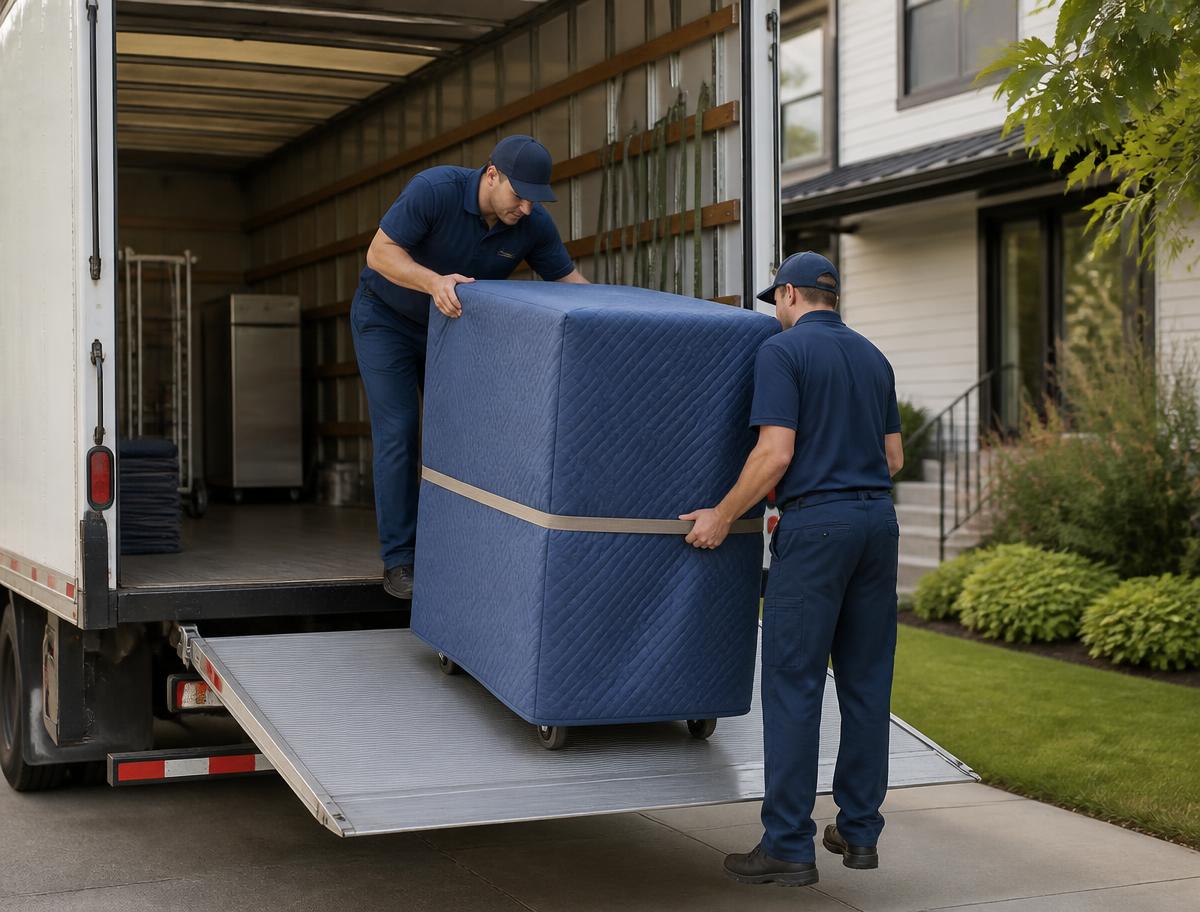
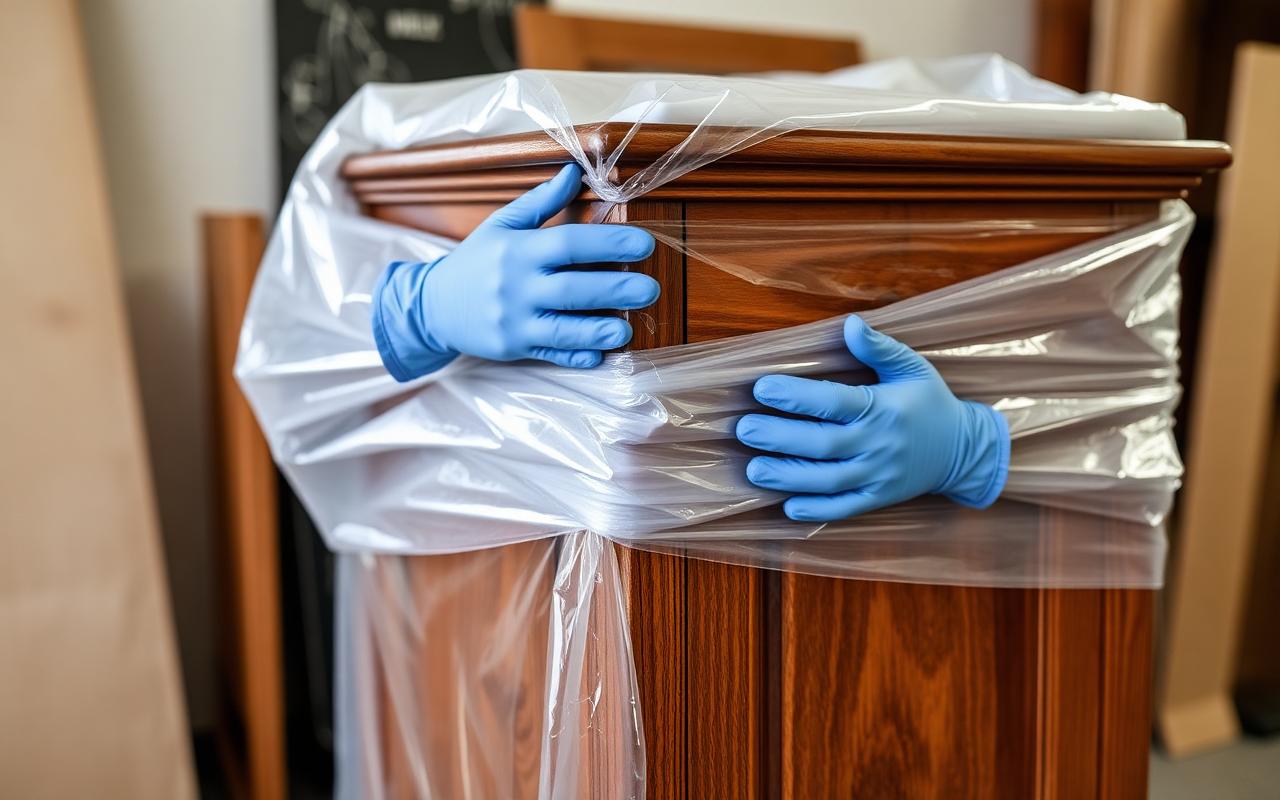
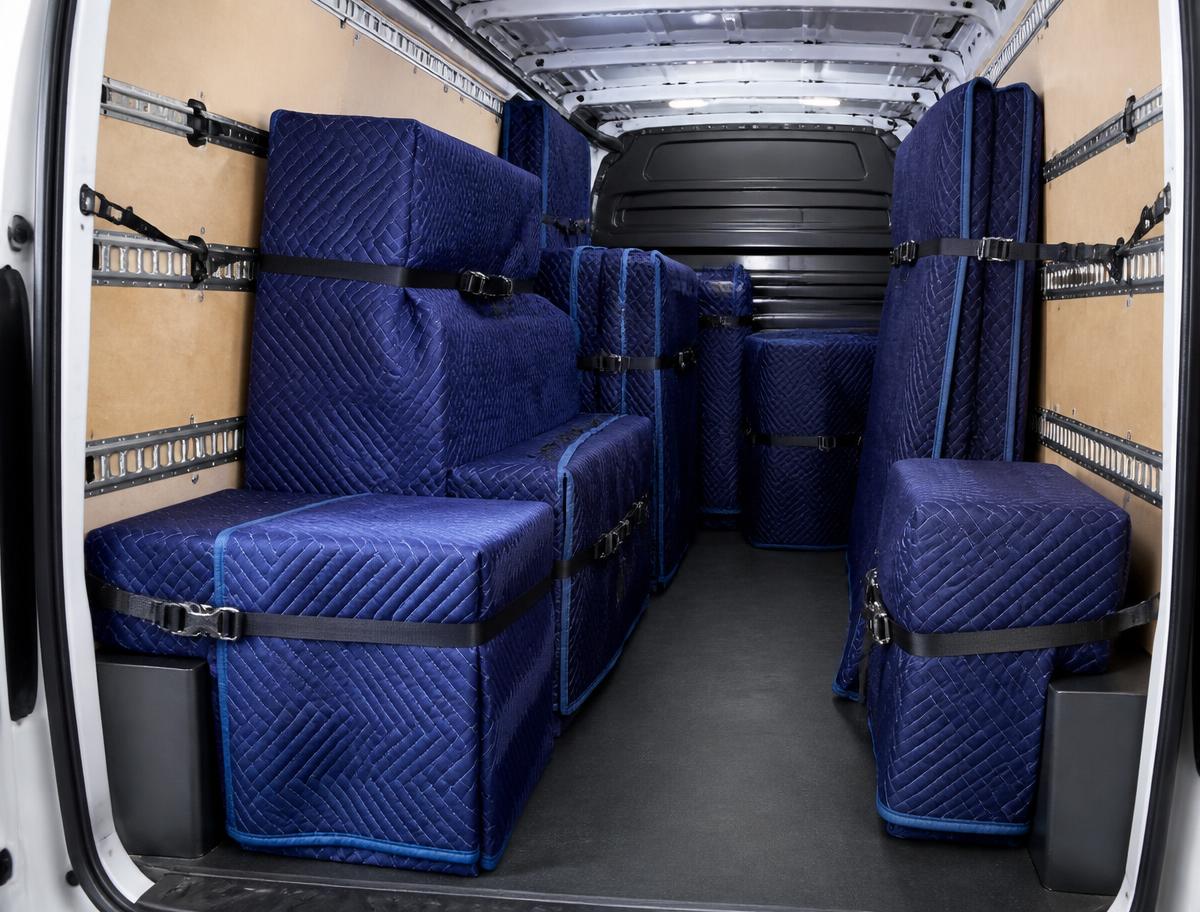
The debate between blanket wrap service and custom crating is central to antique logistics. Blanket wrapping, often referred to as 'pad-wrap' shipping, involves using heavy-duty quilted moving blankets to cover every square inch of the furniture piece, secured with high-tensile shrink wrap or specialized bands. This method is generally preferred for solid wood items like mahogany sideboards, oak wardrobes, or dining tables. The blankets provide a soft buffer against surface abrasions while allowing the piece to 'breathe' slightly, which is beneficial for certain wood finishes. However, the efficacy of blanket wrapping depends entirely on the skill of the loader and the quality of the tie-downs used within the truck to prevent lateral movement during transit.
Custom crating represents the gold standard of protection for items that are either exceptionally valuable or inherently structurally fragile. A crate is essentially a secondary wooden house built around the object, designed to absorb all external impacts and vibrations. This is mandatory for items with 'catastrophic failure points,' such as large mirrors, marble-topped vanities, glass display cabinets, and delicate sculptures. A crate prevents any pressure from being applied directly to the item, utilizing internal foam blocking and bracing to suspend the object in a neutral position. While crating adds to the total shipping volume and cost, it is the only way to guarantee the safety of items that cannot survive even a minor shift in a moving truck.
When deciding which method to use, consider the 'shock factor' of the piece. If a 100-year-old mirror is tipped slightly, will the frame hold, or will the glass shatter? If the answer is uncertain, crating is the only responsible choice. For mixed-material items, such as a wooden desk with a leather top and brass hardware, a hybrid approach may be used: blanket wrapping for the main body and specialized corrugated cardboard shielding for the delicate leather and metal components. Navigating these choices requires an honest appraisal of the item’s vulnerability and the transit route's complexity.
- Choose blanket wrap for solid wood chairs, tables, and chests without glass.
- Mandatory crating for all marble, granite, or stone surfaces over 24 inches.
- Use custom wooden crates for oil paintings and framed artwork with glass glazing.
- Ensure blankets are clean and free of debris to avoid micro-scratches on French polish finishes.
- Double-layer corners and legs with foam wrap before applying the final blanket layer.
- Consider 'soft-crating' for medium-fragility items using heavy-duty double-walled cardboard.
Essential Preparation Protocols at the Pickup Point
The safety of an antique is often determined before it even touches the liftgate of a truck. The most common cause of damage during transit isn't the truck's movement, but rather the shifting of internal components that were not properly secured. Every drawer, cabinet door, and removable shelf must be addressed individually. If a drawer is left full of heavy silver or linens, the weight can force the drawer out during a turn, snapping the glides or damaging the back panel of the piece. Emptying every cavity is non-negotiable. Furthermore, any locking mechanism should be engaged, and the keys should be removed and taped to a conspicuous but safe location on the piece, or handled separately by the owner to prevent them from snapping off in the lock during a bump.
Glass components require specialized attention during the prep phase. If a china cabinet has removable glass shelves, they should be taken out, wrapped in bubble wrap, and bundled together with stiff cardboard separators. If the glass doors are removable, it is often safer to transport them separately from the heavy frame. For doors that cannot be removed, specialized low-tack painter's tape can be applied in an 'X' pattern to provide slight structural reinforcement and to contain shards in the event of a breakage, though one should always test the tape on a hidden area first to ensure it won't lift the finish. This level of detail during the pickup phase significantly reduces the variables that lead to transit claims.
Finally, documentation is your greatest ally. Before the movers begin their work, take high-resolution photographs of the item from every conceivable angle, including the underside and the interior of drawers. Note any existing scratches, chips, or sun-fading. This establishes a clear baseline for the item's condition. In the world of high-value antiques, 'condition is everything,' and having a time-stamped visual record ensures that if an incident does occur during the journey across Ontario, the claims process is supported by undeniable evidence. This transparency benefits both the shipper and the carrier, creating a professional environment of accountability.
- Remove all contents, including liners and small hardware bits.
- Secure loose hardware in labeled bags and tape them inside a drawer.
- Remove finials, casters, and pediments that stick out past the main frame.
- Wrap glass shelves in bundles of three to five with cardboard between each sheet.
- Check for existing cracks in wood that may expand during temperature changes.
- Ensure all keys are removed from locks to prevent internal damage.
Navigating Ontario’s Seasonal and Structural Obstacles
Ontario’s climate is notoriously hard on wood. When moving an antique from a climate-controlled home into a truck in mid-January, the sudden drop in temperature and humidity can cause wood to contract rapidly. This 'thermal shock' is particularly dangerous for veneered furniture, where the base wood and the veneer layer contract at different rates, leading to buckling or peeling. Professional antique movers in Ontario utilize climate-controlled vehicles or, at the very least, use insulated blankets and quick loading techniques to minimize the time the furniture spends in extreme environments. When the piece arrives at its new home, it is often wise to keep it wrapped for a few hours to allow it to acclimate slowly to the new indoor temperature.
Logistical challenges also extend to the physical architecture of the province. A 19th-century farmhouse in Prince Edward County may have narrow, winding staircases that were never designed for a modern king-sized armoire. Similarly, downtown Toronto condos often have strict elevator booking windows and tight loading docks that require precision timing. Before the truck arrives, it is essential to measure every doorway, hallway turn, and ceiling height along the path of movement. If a piece needs to be hoisted through a window or if a door needs to be removed from its hinges, these details must be communicated to the shipping team in advance to ensure they bring the necessary tools and manpower.
The timing of the move is another critical factor. Traffic congestion on the 401 corridor can turn a three-hour trip into a six-hour ordeal, increasing the time the furniture is subjected to road vibrations. Selecting a carrier that understands these local patterns and plans routes accordingly is vital. Moreover, if the delivery coincides with a heavy snowstorm or a spring thaw, the path from the truck to the door must be cleared and salted or sanded to prevent slips. Protecting the interior floors of the destination with runners is also standard practice, as the grit and salt from Ontario winters can be just as damaging to a home's hardwood floors as a dropped piece of furniture.
- Measure the narrowest point of the entry path, usually a door frame or stair turn.
- Check for low-hanging chandeliers or tight bulkheads in hallways.
- Ensure parking permits are obtained for busy downtown areas like Kingston or Toronto.
- Advise the carrier of gravel driveways or steep inclines that may affect truck access.
- Plan for acclimation time; do not unwrap immediately in extreme winter conditions.
- Clear all ice and snow from walkways to ensure a stable footing for movers.
The Critical Role of Air Ride Suspension and Dedicated Loads
Standard freight trucks are designed to carry heavy industrial loads and utilize stiff leaf-spring suspensions that transmit every pothole and road vibration directly into the cargo. For a delicate antique, this constant jarring can loosen dovetail joints and cause internal stresses that lead to long-term damage. In contrast, 'Air Ride' suspension systems use pressurized air bags to cushion the load, effectively floating the cargo over the road's imperfections. This technology is a non-negotiable requirement for high-end furniture and fragile items. When booking a shipment across Ontario, specifically asking if the vehicle is equipped with air ride suspension can be the difference between a successful delivery and a pile of kindling.
Equally important is the concept of 'dedicated loads' versus 'LTL' (Less Than Truckload) shipping. In a standard LTL environment, your item may be offloaded and reloaded at several different terminals between Windsor and Ottawa as the carrier optimizes their space. Every time a piece of antique furniture is handled by a forklift or moved by a different crew, the risk of damage increases exponentially. A dedicated load or a 'white glove' consolidated service ensures that once your item is placed on the truck, it stays there until it reaches its final destination. Minimizing the number of 'touches' is the single most effective way to reduce the probability of human error and handling accidents.
Furthermore, dedicated service allows for a more personalized level of care. The same team that loads the piece is typically the team that unloads it, meaning they are already familiar with its specific fragilities and weight distribution. They know which leg is a bit loose or which glass panel is particularly thin. This continuity of care is impossible in high-volume freight networks. While the cost of a dedicated or low-touch service is higher, the peace of mind it provides for irreplaceable heirlooms is invaluable. For collectors in the Belleville and Quinte region, having a local carrier that understands the value of these pieces ensures a level of accountability that national freight lines simply cannot match.
Valuation and Insurance: Protecting Your Investment
One of the most common misconceptions in the shipping industry is that 'carrier liability' is the same as 'insurance.' Under standard Ontario shipping regulations, a carrier’s basic liability is often limited to a few dollars per pound. For a lightweight but incredibly valuable 18th-century tea table, this weight-based compensation would cover only a tiny fraction of its actual worth. To properly protect an antique, you must declare its full replacement value in writing and ensure the carrier provides 'Full Value Protection.' This typically requires an up-to-date appraisal or a recent bill of sale to verify the item's market value in the event of a total loss or significant damage.
When arranging coverage, pay close attention to the distinction between 'repair' and 'depreciation.' A minor scratch on a modern sofa can be touched up, and the item remains functional. However, a significant repair to a rare antique can permanently reduce its resale value, even if the repair is expertly done. Specialized antique insurance often includes provisions for this loss of value. Before the items are loaded, review the carrier’s terms and conditions to understand their process for filing a claim, the deductible amounts, and the required timelines for reporting damage. Most professional carriers require damage to be noted on the Bill of Lading at the time of delivery to be considered valid.
Ultimately, insurance is a safety net, but it is not a substitute for proper packing and handling. No insurance payout can truly replace a family heirloom with deep sentimental value. The goal should always be 100% damage prevention through meticulous preparation and the selection of a high-quality carrier. However, having the correct valuation paperwork in place provides the financial security necessary to handle the unexpected. For those moving items between major Ontario hubs, ensure that the carrier is fully insured and bonded, and don't be afraid to ask for a certificate of insurance that names you as a loss payee for particularly high-value shipments.
White Glove Service: Beyond the Threshold
White glove service is the pinnacle of the shipping industry, specifically designed for items that require extreme care and precision. This service goes far beyond simply dropping a box at the front door. It includes inside delivery, room-of-choice placement, and the complete removal of all packing materials. For antique owners, the most valuable part of white glove service is the professional assembly and setup. If a large mahogany wardrobe was disassembled for the move, a white glove team has the expertise to put it back together correctly, ensuring it is level and stable. In the context of Ontario’s older homes, where floors are rarely perfectly flat, this leveling is crucial to prevent the frame from warping over time.
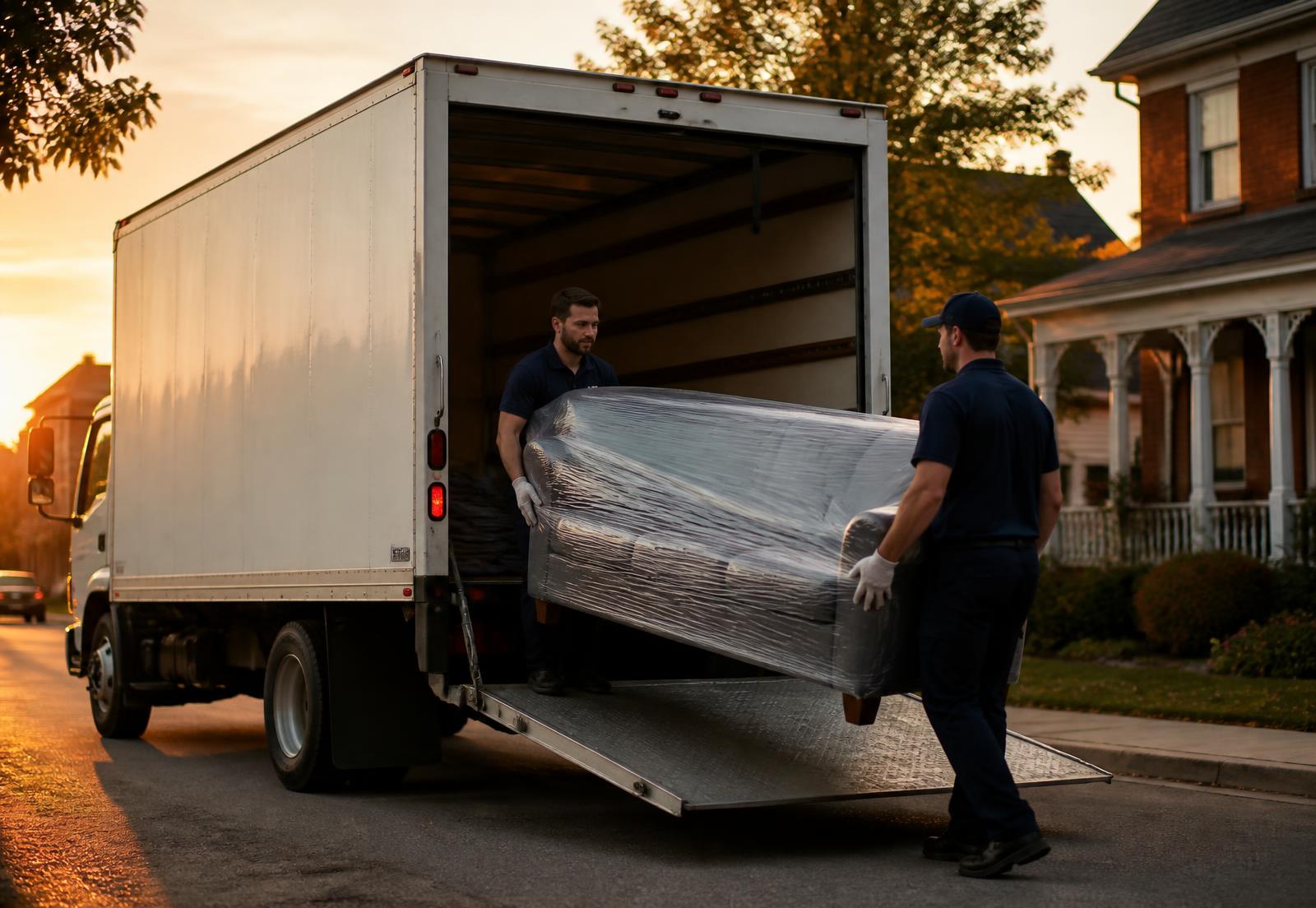
The 'last mile' of the delivery process is often the most dangerous. Navigating a heavy piece of furniture through a finished home requires a delicate touch to avoid damaging walls, door frames, and flooring. White glove technicians use specialized equipment like floor runners, corner guards, and felt pads to protect the home’s interior. They are also trained in the ergonomics of heavy lifting in tight spaces, reducing the risk of a dropped item. For residents in the Quinte area, this level of service ensures that the transition of a new piece into the home is seamless and stress-free, allowing the owner to enjoy their acquisition immediately rather than dealing with a pile of blankets and crates.
Furthermore, white glove service allows for a thorough inspection at the time of delivery. Because the movers stay to unwrap and place the item, the recipient has the opportunity to examine the piece in detail under good lighting. Any concerns can be addressed on the spot with the moving team, and the condition can be verified against the pickup photos. This immediate feedback loop is essential for maintaining the high standards required in the antique trade. Whether it is a single delicate chair or an entire estate’s worth of furniture, the white glove approach is the most reliable way to handle the logistical complexities of fragile shipping in Ontario.
- Inside delivery to the specific room and position requested.
- Expert reassembly of bed frames, armoires, and multi-piece hutches.
- Debris removal, including used blankets, shrink wrap, and cardboard.
- Surface cleaning of the item to remove any dust or fingerprints from transit.
- Placement of felt pads on furniture legs to protect the destination's flooring.
- Final inspection and sign-off to ensure complete customer satisfaction.
Cost Drivers in Fragile Item Logistics
Understanding what drives the cost of shipping antiques helps in budgeting for a move or an auction purchase. The primary factor is the 'complexity of handling.' An item that requires three movers instead of two due to its weight or fragility will naturally cost more. Similarly, the time required for meticulous wrapping and crating is a significant component of the labor cost. In Ontario, distance is also a factor, but it is often secondary to the time spent at the pickup and delivery points. A move from Belleville to Kingston might be more expensive than a move between two nearby Toronto suburbs if the Kingston location involves a third-floor walk-up with narrow stairs.
Specialized equipment also plays a role in pricing. The use of air-ride trucks, climate-controlled environments, and specialized hoisting equipment involves higher overhead for the carrier, which is reflected in the quote. However, these costs should be weighed against the potential loss of value if the item were damaged using a cheaper, less specialized service. Additionally, the time of year can influence pricing; during the peak moving season in late spring and summer, demand for high-quality movers in Ontario is at its highest, which can lead to premium rates for specialized services.
To get an accurate quote, provide the carrier with as much information as possible. This includes dimensions (height, width, depth), an estimate of the weight, the approximate value, and photos of the items. Be transparent about any logistical hurdles like 'long carries' (where the truck cannot park near the door) or multiple flights of stairs. By providing a clear picture of the job, you avoid 'surprise' fees on moving day and ensure the carrier sends the right team and equipment for the task. Investing in quality transport is the best way to protect the long-term value of your antique collection.
Conclusion: Partnering with Local Experts
Transporting antiques and fragile items across Ontario is a sophisticated task that demands a blend of technical skill, specialized equipment, and a deep respect for the items being moved. From the initial packing and crating to the final placement in your home, every step must be executed with precision to ensure the safety of your heritage pieces. By choosing a carrier that prioritizes air-ride transport, white-glove handling, and transparent valuation, you can move your most prized possessions with total confidence, regardless of the distance or the weather.
Quinte Express is a locally owned and operated trucking company based in Belleville, Ontario. We specialize in white-glove delivery, furniture transport, and last-mile logistics for clients across Eastern Ontario and throughout the province. Our team understands the unique requirements of shipping high-value, fragile items and is dedicated to providing the highest level of care for your heirlooms and antiques. For a customized quote and to discuss your specific shipping needs, call us today at 613-968-0909. Let us help you move your history safely.
Frequently asked
- Should I leave the drawers in my antique dresser during the move?
- No, you should always empty the drawers and ideally remove them. If they cannot be removed, they must be secured. Full drawers add significant weight and can shift during transit, putting pressure on the frame and potentially causing the wood to split or the drawer glides to break.
- How does Ontario's winter weather affect antique furniture shipping?
- Extreme cold causes wood to contract and can make finishes brittle. We use insulated blankets and minimize the time items spend outdoors. We also recommend allowing the furniture to acclimate to your home's temperature for several hours before unwrapping it to prevent finish cracking or 'blooming' from condensation.
- What is the difference between standard freight and white-glove service?
- Standard freight is usually a curbside delivery where the driver does not enter the home. White-glove service includes bringing the item inside, placing it in a specific room, performing any necessary reassembly, and removing all packing debris. It is the safest and most convenient option for fragile antiques.
- Do I need to crate my antique mirror, or is blanket wrapping enough?
- We strongly recommend custom wooden crating for all large mirrors, marble tops, and glass-fronted cabinets. While blankets protect against scratches, they do not provide the structural rigidity needed to prevent glass from cracking due to the subtle twisting or 'torque' that occurs during truck movement.
- Is my antique covered for its full value during transit?
- Standard carrier liability is usually based on weight and is very low. To ensure full protection, you must declare the specific value of the antique and ensure your carrier provides 'Full Value Protection.' We recommend having a recent appraisal or sales receipt ready to document the item's worth.
Services in this article
More white glove guides
Book this service in Ontario
Quinte Express is locally owned in Belleville, Ontario — white glove, last mile, furniture, appliance and parcel delivery across Kingston, Trenton, Ottawa and all of Ontario.