Seasonal
Winter Delivery in Eastern Ontario: How Pros Handle Snow, Salt and Ice
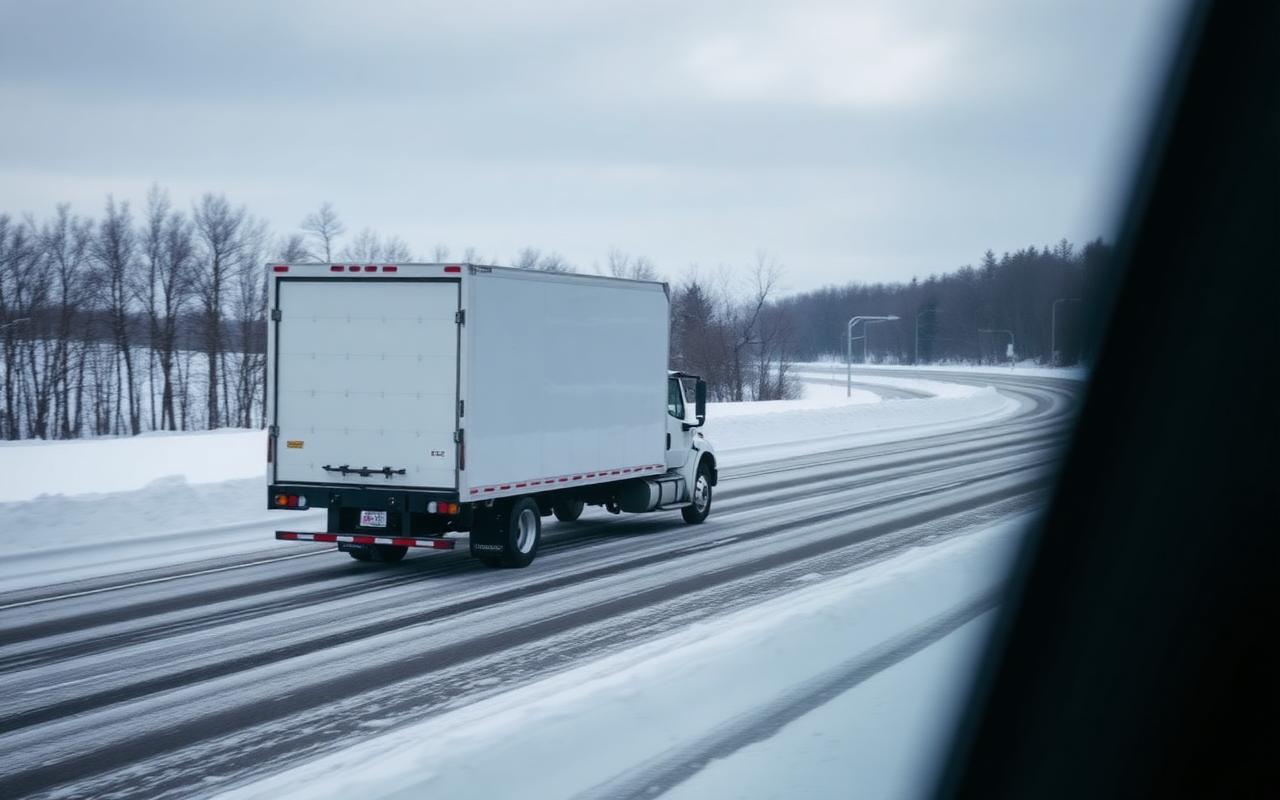
Navigating Lake Effect snow and sub-zero temperatures requires expert logistics. Learn how to prepare your home and protect your furniture during the harsh Eastern Ontario winter delivery season.
The Logistics of the Eastern Ontario Winter Landscape
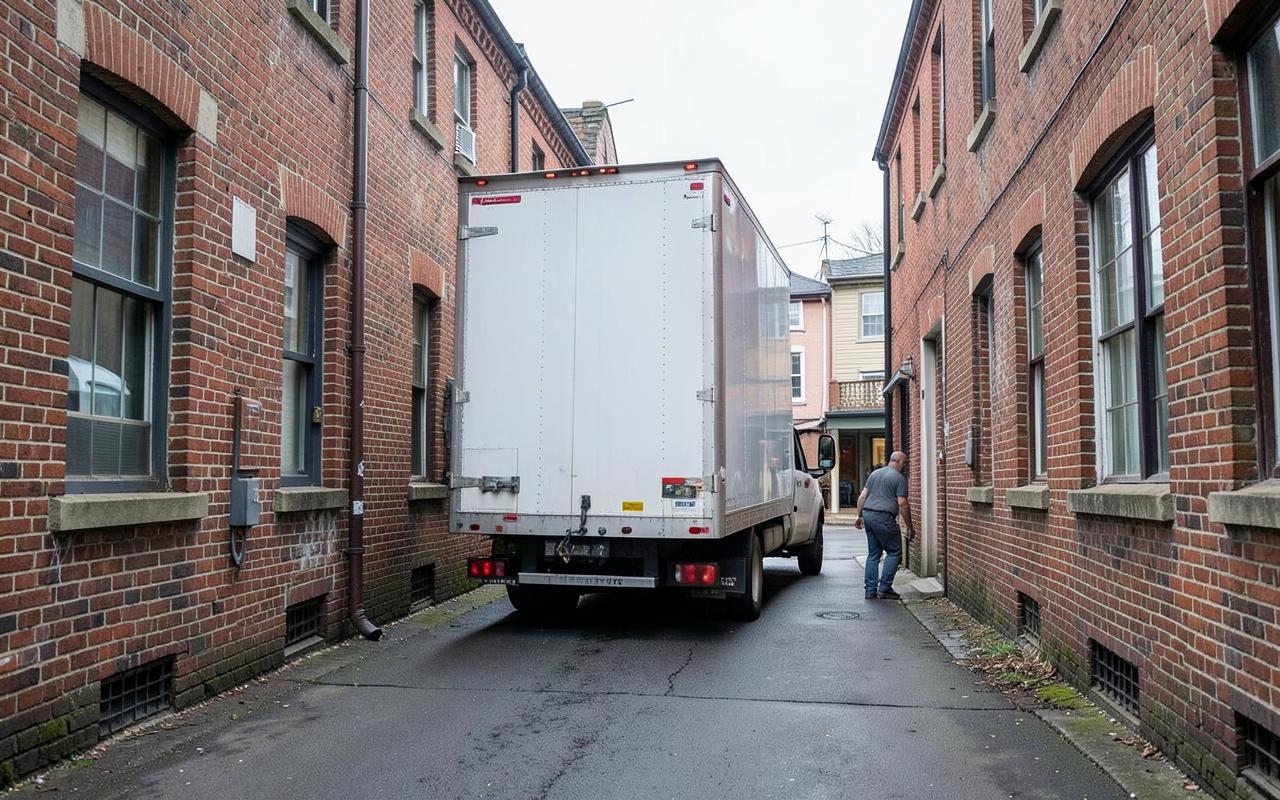
Operating a delivery fleet in Eastern Ontario between November and March requires more than just winter tires; it demands a deep understanding of the unique meteorological challenges posed by Lake Ontario. The corridor spanning from Trenton and Belleville through to Kingston and Brockville is notorious for sudden lake-effect snow squalls that can reduce visibility to zero in minutes. For logistics providers, this means the 'last mile' of delivery is often the most treacherous. Heavy box trucks and delivery vans react differently to black ice on Highway 401 compared to passenger vehicles, requiring specialized driver training and adjusted braking distances to ensure both the cargo and the public remain safe during transport.
Beyond the highways, the rural routes of Hastings and Prince Edward Counties present additional hurdles. Narrow secondary roads often lack the immediate plowing frequency of major arteries, meaning a delivery team might encounter unplowed drifts or soft, muddy shoulders during a mid-winter thaw. Professional crews must account for these variables when planning their daily manifests. A delivery that takes twenty minutes in July might take forty-five minutes in January once you factor in slower transit speeds and the additional time required to secure equipment against the wind. Understanding these regional nuances is the first step in ensuring a successful winter delivery for both the service provider and the homeowner.
Strategic scheduling becomes the backbone of winter operations. Unlike the summer months where tight windows are the norm, winter delivery in the Quinte region requires 'buffer time.' Professional dispatchers monitor Environment Canada radar feeds in real-time, often making the difficult call to reschedule stops if a squall line is moving into a specific zone. While a delay can be frustrating for a customer waiting on a new sofa or refrigerator, it is a necessary protocol to prevent accidents on slippery residential inclines or narrow driveways where a multi-ton vehicle could easily lose traction and slide into a structure or ditch.
- Frequent monitoring of squall alerts between Brighton and Kingston.
- Increased following distances for heavy delivery vehicles on icy roads.
- Mandatory winter tire specifications and weight distribution checks.
- Adjusted arrival windows to accommodate slower residential navigation.
- Emergency roadside kits and traction aids on every delivery truck.
Essential Driveway and Walkway Preparation
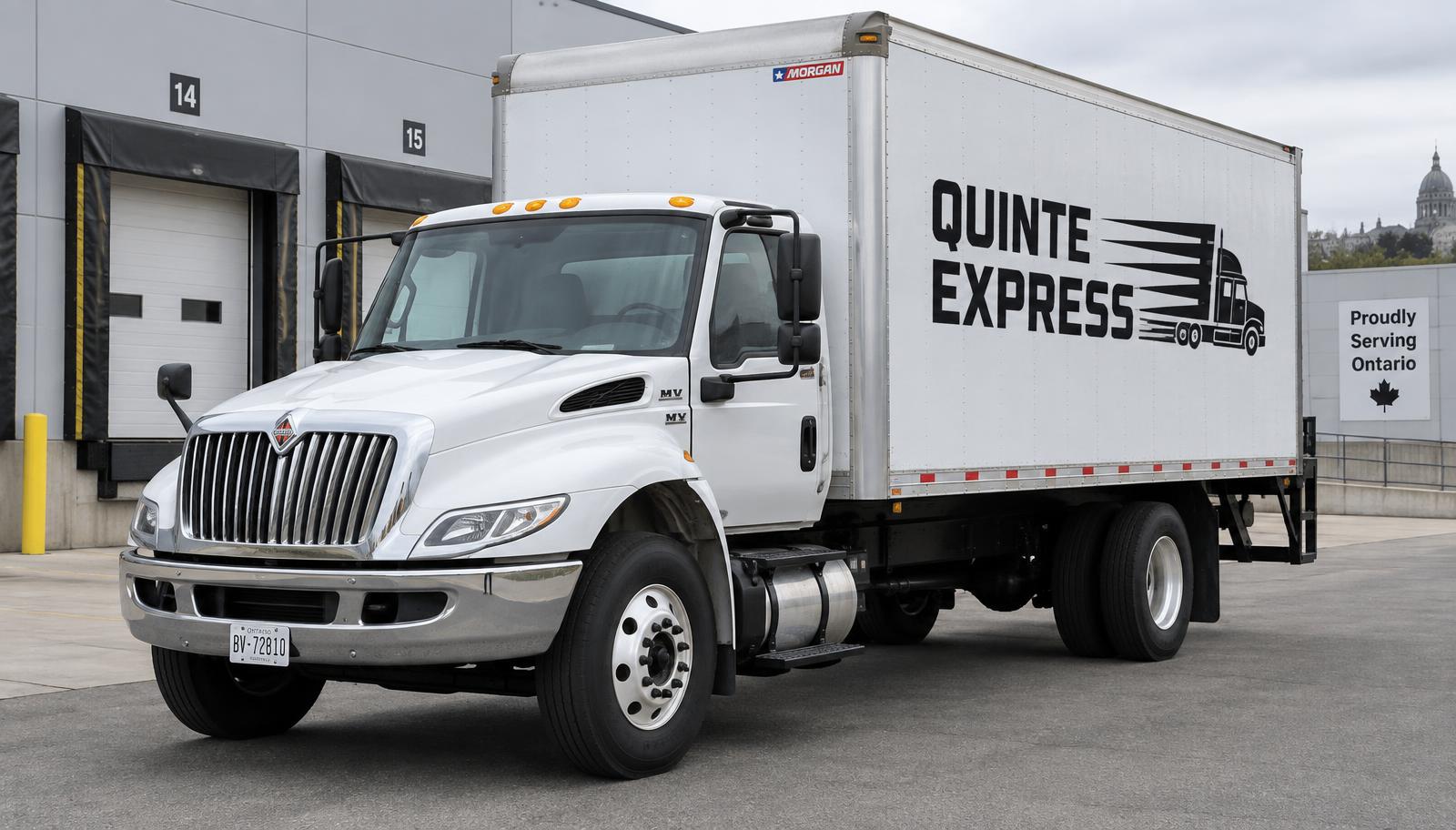
The safety of the delivery crew is the primary concern when handling heavy items like solid wood armoires or commercial-grade appliances. A standard two-person crew might be carrying a combined load of 400 pounds, including the item and the heavy-duty dolly. On a flat, dry surface, this is routine work; however, on an icy incline, it becomes a high-risk activity. Homeowners are responsible for ensuring that the path from the street to the threshold is completely clear of snow and treated for ice. A light dusting of snow over a layer of ice is particularly dangerous, as it hides the hazard from the movers. If a path is deemed unsafe, most professional carriers will refuse the carry to prevent workplace injuries and potential damage to the product.
Effective preparation involves clearing a path that is significantly wider than the item itself. For a standard 36-inch wide refrigerator, the cleared path should be at least 48 to 50 inches wide to allow the movers to maintain their balance and adjust their grip without stepping into deep snow banks. Furthermore, overhead hazards such as low-hanging icicles or heavy snow loads on porch roofs should be addressed. Falling ice can startle a mover or strike the equipment, leading to a dropped item. By spending fifteen minutes with a shovel and a bag of sand or eco-friendly ice melt, you ensure the delivery proceeds smoothly and the crew can focus on the delicate task of maneuvering your new purchase through the door.
It is also worth noting that 'clear' means down to the pavement or stone. A packed layer of snow may seem solid, but as the day warms or under the friction of heavy boots, it can turn into a slick slush. Sand is often preferred over salt for delivery paths because it provides immediate mechanical traction, whereas salt requires time to chemically melt the ice. If your driveway has a steep grade, consider highlighting the safest route to the crew upon their arrival. This communication prevents them from attempting a shortcut across a slippery lawn or through a hidden flower bed that could lead to a stumble or equipment failure.
- Clear a path at least 12 inches wider than the largest item.
- Apply sand or grit for immediate traction on inclined walkways.
- Remove overhead icicles that could fall during the transition.
- Ensure the street-side curb is cleared for the truck's ramp deployment.
- Check that porch steps are entirely free of black ice and slush.
Managing Thermal Shock and Condensation
When furniture and electronics travel in the back of a cold truck in -20°C temperatures, they reach a state of thermal equilibrium with the outdoors. Bringing these frigid items directly into a 21°C home creates an immediate and dramatic temperature gradient. This leads to the phenomenon of condensation, where moisture from the warm indoor air liquifies on the cold surfaces of the item. For solid wood furniture, this sudden moisture can cause the grain to swell or the finish to cloud. For electronics, the risk is even higher, as internal condensation can lead to short circuits if the device is powered on before the internal components have reached room temperature and dried completely.
The professional approach to managing this 'thermal shock' involves a gradual acclimatization process. High-quality movers will keep items wrapped in their protective blankets or plastic films for at least 60 to 90 minutes after they have been placed in the room. This protective layer acts as a temporary thermal barrier, allowing the item to warm up more slowly and reducing the amount of ambient humidity that reaches the cold surface. Once the item feels neutral to the touch, it can be safely unwrapped. For sensitive leather pieces, this slow warming prevents the hide from becoming brittle or cracking due to rapid expansion, ensuring the material retains its suppleness and long-term durability.
Special care must be taken with large appliances and televisions. Modern OLED or LED screens and the circuit boards in smart washers are highly sensitive to moisture. It is a common mistake to plug in a new TV immediately to check for damage. Instead, wait at least four hours for internal components to stabilize. During this time, you can inspect the exterior for any transit damage that might have occurred. If you notice any significant moisture buildup, use a soft, lint-free microfiber cloth to gently dab the surface dry. Avoid rubbing, as some finishes are more susceptible to scratching when they are extremely cold and the surface tension of the condensation is present.
Protecting Interior Floors from Salt and Slush
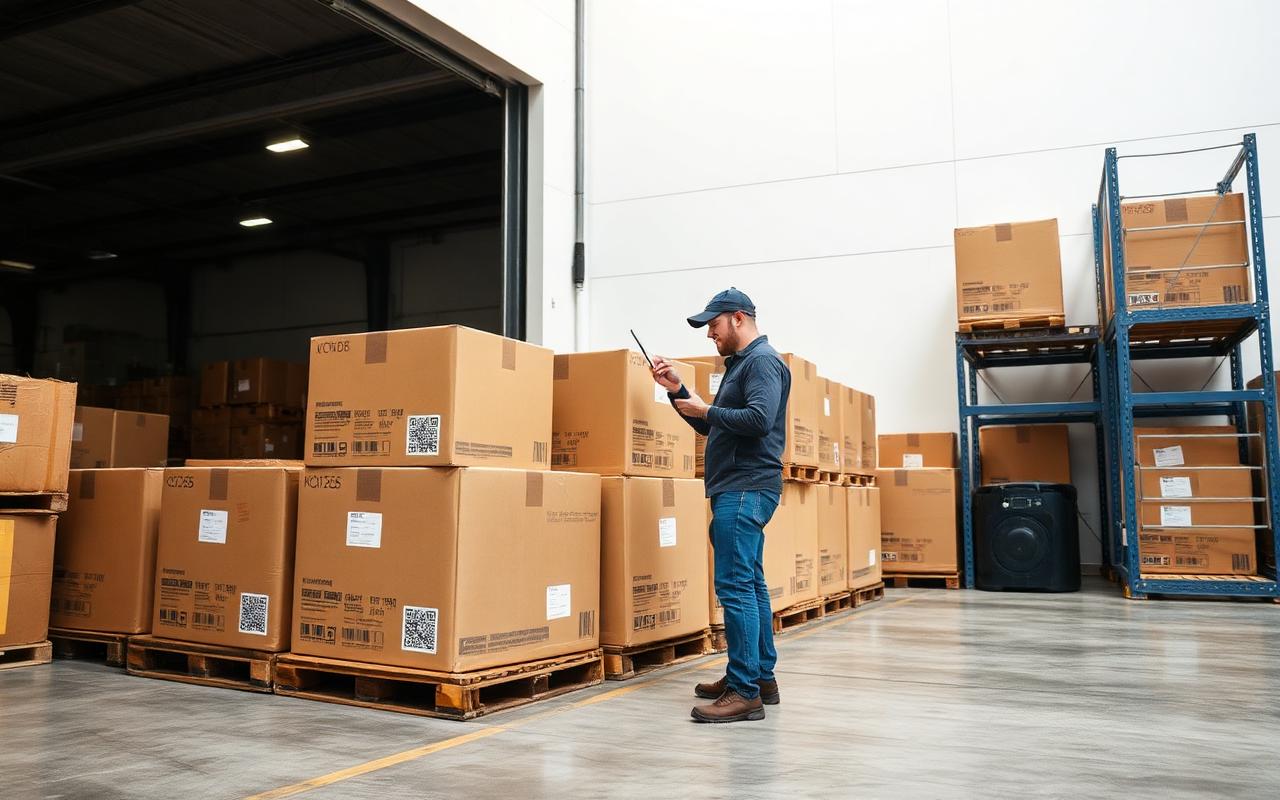
Winter in Eastern Ontario is synonymous with road salt and calcium chloride, both of which are devastating to interior flooring. As delivery crews move between the snowy exterior and the warm interior, they inevitably track in slush that contains these corrosive chemicals. On hardwood floors, salt can strip the finish and cause permanent staining; on carpets, the greyish-white residue can be incredibly difficult to remove once it dries and bonds to the fibers. A professional delivery service will anticipate this by using a multi-stage floor protection system, which typically includes neoprene runners and heavy-duty drop cloths that span from the entryway to the final destination of the item.
Homeowners can assist in this protection by clearing a space just inside the door for a 'staging area.' This is where movers can pause to wipe down their boots or transition to boot covers. While some companies allow movers to remove their footwear, safety regulations often require steel-toed boots to remain on when carrying heavy loads to prevent foot injuries. Therefore, the use of high-quality, slip-resistant boot covers or the installation of temporary adhesive floor films is the industry standard. These films provide a clean, grippy surface that protects the floor without creating a tripping hazard, which is a common issue with loose-fitting plastic sheets or cardboard.
In addition to protecting the floors, consider the walls and baseboards. In the winter, bulky winter coats and gear can make movers slightly less agile in tight hallways. Ensuring that the path is clear of wall hangings and small decorative items reduces the risk of accidental bumps. If the delivery involves a tight turn near a mudroom, covering the corners with temporary cardboard guards can prevent the salt-crusted edges of moving equipment from scratching the paint. A little bit of foresight in floor and wall protection saves hours of cleaning and potential repair costs once the delivery team has departed and the snow has melted.
- Lay down neoprene runners from the door to the target room.
- Ensure movers use industrial-grade, non-slip boot covers.
- Clear a dedicated staging area inside the entryway for equipment.
- Use adhesive floor film for high-traffic hardwood zones.
- Wipe away any stray slush immediately to prevent salt staining.
Cold-Sensitive Materials: Leather, Wood, and Fabric
Different materials react to the harsh Ontario cold in varying ways. Solid wood is perhaps the most reactive, as it is a hygroscopic material that absorbs and releases moisture. During a dry winter delivery, the wood may have slightly contracted. When it enters a humidified home, it begins to expand. High-quality furniture is designed to handle this, but extreme changes can lead to 'checking' or small cracks in the finish if not handled with care. This is why professional movers ensure that wooden pieces are never left on a cold truck for longer than necessary and are prioritized during the unloading sequence to minimize their exposure to the sub-zero air.
Leather furniture presents its own set of challenges. In extreme cold, natural hides can become stiff and lose their elasticity. If a leather sofa is bent or compressed while it is 'frozen,' the finish can develop permanent creases or even micro-cracks. Experienced delivery teams will avoid using tight tie-down straps directly against leather surfaces in the winter, instead using thick moving blankets as a buffer to distribute the pressure. Once inside, leather should be allowed to reach room temperature before anyone sits on it, as the warmth of a human body against a cold leather surface can cause localized condensation and potential spotting on sensitive aniline finishes.
Upholstered fabric pieces, while less sensitive to temperature, act like sponges for moisture. If a fabric sofa is carried through a snowstorm without proper wrapping, the fibers can absorb dampness which, if trapped under plastic for too long, can lead to a musty odor or even mildew. The key is 'breathable protection.' Professional crews use clean moving pads to cover the fabric, followed by a layer of shrink wrap to keep the moisture out. However, this wrap must be removed promptly once the item is indoors to allow the fabric to breathe and any residual moisture to evaporate naturally in the dry indoor winter air.
The Impact of Winter on Delivery Timelines
Scheduling a delivery in Kingston or Belleville during January requires a shift in expectations compared to a summer booking. The reality of winter logistics is that delays are not just possible; they are statistically probable. Factors such as slower highway speeds, the time required to clear snow from the truck's liftgate, and the extra care needed for foot placement all add up. A route that usually takes six hours might stretch to eight or nine. Professional logistics companies will often provide wider delivery windows—perhaps a four-hour block instead of two—to account for these variables and ensure that drivers do not feel pressured to rush, which is when accidents happen.
Communication is the most valuable tool during a winter weather event. If a major storm is forecasted, a proactive delivery service will contact customers 24 to 48 hours in advance to discuss contingency plans. In some cases, it is safer to move a Friday delivery to a Saturday morning once the plows have finished their rounds. For customers, being flexible with these dates is crucial. Trying to force a delivery during a whiteout not only risks the safety of the crew but also increases the likelihood that your new items will be exposed to excessive moisture or accidental damage during a rushed carry.
Furthermore, the shorter daylight hours in the winter affect the 'safe' delivery window. Carrying a 300-pound dresser up a flight of stairs is significantly more dangerous in the dark, especially when ice is involved. Most reputable companies will aim to complete their residential 'white glove' deliveries before sunset. If a truck is delayed by traffic on the 401 and arrives after dark, the crew will need to be extra diligent with portable lighting. As a customer, ensuring your outdoor porch and driveway lights are functional and turned on can make a massive difference in the safety and efficiency of the final drop-off.
- Anticipate wider 4-hour delivery windows during peak winter months.
- Ensure outdoor lighting is active for late-afternoon arrivals.
- Monitor local weather reports for Highway 401 travel advisories.
- Maintain a flexible schedule for potential next-day rescheduling.
- Confirm the delivery status via phone if a storm begins mid-day.

Special Considerations for Appliance Installation
Installing appliances in the winter adds another layer of complexity, particularly regarding plumbing connections. If you are receiving a new refrigerator with a water dispenser or a dishwasher, the internal valves and hoses may have residual water from factory testing. In a cold truck, this water can freeze. Attempting to connect and pressurized a frozen valve can lead to cracks and immediate leaks once the ice melts. Professional installers will often wait for the appliance to warm up significantly before making the final water connections, ensuring that seals are pliable and components are functioning as intended.
Gas appliances also require care. The flexible gas lines can become stiff and difficult to maneuver in the cold, making it harder to achieve a perfect seal. An experienced technician will ensure the room is warm and the appliance has sat for a period before beginning the installation. Additionally, because houses are tightly sealed in the winter, any small gas leak during the installation process will be noticed immediately. Technicians use specialized sensors to ensure a 100% airtight connection before leaving the premises, providing peace of mind during the months when home ventilation is at its minimum.
Ventilation for dryers is another winter-specific concern. If a new dryer is being installed, the technician should check the exterior vent hood. Often, these become clogged with frozen lint or obstructed by snowdrifts, which can lead to backpressure and overheating of the new unit. Ensuring that the exhaust path is clear to the outside is a vital step that is easily overlooked during a cold-weather installation. Taking these extra few minutes to verify the external infrastructure ensures that your new appliance operates efficiently and safely from the very first cycle.
Cost Drivers and Seasonal Service Value
Operating a professional delivery service in the winter incurs higher overhead costs, which reflects the level of care and equipment required. Fuel costs often rise as trucks require more idling time to keep the cargo area at a manageable temperature and to defrost windshields. Additionally, the investment in high-quality winter tires, salt-neutralizing cleaning agents for the fleet, and specialized protective gear for the crews adds to the operational budget. When you hire a professional service, you are paying for this specialized preparation that protects your high-value investments from the elements.
There is also the factor of 'labor intensity.' Moving a sofa in the summer is a straightforward physical task. Moving that same sofa in the winter involves laying down floor protection, clearing snow, potentially double-wrapping the item, and moving at a slower, more deliberate pace for safety. This increased time per stop means that a truck can handle fewer deliveries per day than it would in the spring. While some companies might apply a seasonal surcharge, most reputable local carriers build these costs into their standard rates, prioritizing the safety of their employees and the integrity of the customer's property over high-volume turnover.
Ultimately, the value of a professional winter delivery lies in risk mitigation. The cost of repairing a salt-damaged hardwood floor or replacing a cracked television screen far outweighs the cost of hiring a crew that understands the nuances of Eastern Ontario winters. By choosing a locally-owned company based in Belleville, you are hiring people who live and drive in these conditions every day. They know which hills in Kingston become ice rinks and how the wind whips across the fields near Napanee, allowing them to make informed decisions that a national carrier headquartered in a warmer climate might overlook.
Conclusion: Partnering for a Successful Winter Delivery
Winter delivery in Eastern Ontario doesn't have to be a stressful experience. With the right preparation from the homeowner and the professional expertise of a local delivery team, your new furniture or appliances can arrive safely regardless of the temperature. By clearing your walkways, protecting your floors, and allowing items to acclimate to the indoor climate, you play a vital role in the logistics chain. The synergy between a prepared customer and a diligent crew is what makes a seamless delivery possible even in the heart of a Canadian winter.
Quinte Express is proud to be your local partner for white-glove delivery, furniture transport, and appliance handling across Belleville, Kingston, and the surrounding regions. Our teams are equipped with the tools and the training necessary to navigate the unique challenges of our local climate. We prioritize the safety of our staff and the protection of your home above all else. If you are planning a move or awaiting a major delivery this season, trust the experts who know Eastern Ontario best. Contact Quinte Express at 613-968-0909 for a quote or to discuss your specific winter delivery needs.
Frequently asked
- Will movers remove their boots during a winter delivery?
- For safety reasons, movers are often required to keep their footwear on when carrying heavy items to prevent slips and foot injuries. However, professional crews like Quinte Express use heavy-duty floor runners and non-slip boot covers to ensure your floors remain clean and protected from salt and slush throughout the process.
- Can I turn on my new TV immediately after it is delivered in the winter?
- It is highly recommended to wait at least 2 to 4 hours before powering on electronics delivered in the cold. This allows internal condensation to evaporate as the device reaches room temperature. Powering on a cold, damp device can cause internal short-circuiting and permanent damage to the sensitive circuit boards.
- What happens if a snowstorm occurs on my scheduled delivery day?
- Safety is our priority. If Highway 401 conditions or local visibility are hazardous, we will contact you to reschedule. We monitor weather patterns closely in the Belleville and Kingston areas and prefer to move a delivery window rather than risk an accident or damage to your goods in a whiteout.
- How should I prepare my driveway for a heavy furniture delivery?
- Please shovel a path at least 4 feet wide to allow for the item and the movers. Ensure all ice is treated with sand or salt, and pay special attention to steps and inclines. A clear, grit-treated path is essential for the safety of the crew and the security of your new furniture.
Services in this article
Book this service in Eastern Ontario
Quinte Express is locally owned in Belleville, Ontario — white glove, last mile, furniture, appliance and parcel delivery across Kingston, Trenton, Ottawa and all of Ontario.