Guides
Delivery Day Checklist: How to Be Ready When the Truck Arrives

Ensure a stress-free experience with our ultimate delivery day guide. From measuring clearances to seasonal prep, learn how to prepare your home for professional furniture and appliance arrival.
The Critical Importance of Pre-Delivery Preparation
In the world of logistics and home delivery, efficiency is the cornerstone of a successful experience. For most homeowners, the arrival of a new sofa, refrigerator, or dining set is the culmination of weeks of shopping and anticipation. However, the final few meters from the truck to the room of choice are where most delays and damages occur. By dedicating just thirty minutes to preparation, you bridge the gap between a professional, seamless installation and a frustrated crew forced to reschedule. A prepared home allows the delivery team to focus entirely on the safe handling of your investment rather than navigating household clutter or tight corners.
Preparation is not merely about convenience; it is about risk mitigation. When a delivery crew arrives at a home that is unprepared, the likelihood of accidental wall scuffs, floor scratches, or personal injury increases significantly. Professional teams like those at Quinte Express prioritize safety above all else, but they rely on the customer to provide a workspace that meets basic safety standards. This means ensuring that the environment is predictable and that all physical obstacles are removed before the heavy lifting begins. Taking these steps protects your new purchase, your property, and the hardworking individuals bringing the items to your door.
Furthermore, time is a finite resource in the logistics industry. Delivery routes are meticulously planned to ensure every customer receives their items within the promised window. When a single delivery takes an extra twenty minutes due to an uncleared hallway or a missing resident, it creates a ripple effect that delays every subsequent customer on that route. By being ready, you are not only ensuring your own satisfaction but also contributing to the efficiency of the local delivery ecosystem. A little foresight goes a long way in ensuring the delivery day is a cause for celebration rather than stress.
Measuring and Clearing the Path of Travel
Before the truck even leaves the warehouse, you must verify that the item will physically fit through every entry point of your home. Start at the curb and walk the entire path the delivery team will take. Use a metal tape measure to check the width and height of all doorways, hallways, and stairwells. Remember to account for protrusions such as handrails, light fixtures, and thermostats that might narrow the passage. If you are receiving a large sectional or an oversized refrigerator, ensure there is enough 'swing room' at the top of stairs or in tight corners to allow for the length of the item.
Once you have confirmed the dimensions, it is time to physically clear the space. Remove all small rugs, mats, and floor runners along the path, as these are significant tripping hazards for crews carrying heavy loads. Take down any low-hanging pictures or mirrors in narrow hallways that could be bumped. If the delivery involves moving items upstairs, ensure the staircase is completely free of shoes, toys, or decorative items. The goal is to create a straight, wide-open corridor that allows two people to walk side-by-side with a large object between them without needing to pause or adjust.
Don't forget the destination room. The area where the new item will be placed should be completely empty. If you are replacing an old appliance or piece of furniture, move the old unit out of the way before the truck arrives. Unless you have specifically paid for a 'removal and haul-away' service, the delivery crew is generally not authorized or insured to move your existing household goods. Having the space prepped and ready ensures that the crew can place the new item immediately, reducing the time the heavy object is being held and minimizing the risk of a drop or scrape.
- Measure the width, height, and depth of all entry doors.
- Check ceiling heights in low basements or stairwells.
- Remove interior doors from hinges if extra inches are needed.
- Clear all wall decorations from narrow hallways and turns.
- Roll up area rugs to prevent slipping or bunching underfoot.
- Ensure the destination spot is clean and free of old furniture.
Outdoor Access and Parking Logistics
Large delivery trucks require significantly more space than a standard passenger vehicle. To facilitate a smooth arrival, you must consider where the truck will park. If you live on a narrow street or in a cul-de-sac, try to reserve a space directly in front of your home using traffic cones or your own vehicles. If your driveway is long or steep, consider if it can support the weight of a multi-ton box truck. During the spring thaw or heavy rains, soft ground can lead to trucks getting stuck, which can cause significant property damage and delays. Communicate any driveway concerns to the dispatcher ahead of time.
In urban areas like downtown Belleville, parking can be a major hurdle. If your building has a dedicated loading dock or service entrance, you must book this in advance with your building management. Ensure that you have the necessary keys or fobs to open service gates or freight elevators. If the truck has to park a block away because no space was reserved, the increased 'carry distance' can lead to additional labor charges or increased risk of damage during transit. Providing a clear, close parking spot is the single best way to start the delivery off on the right foot.
Lighting and visibility are also crucial, especially for early morning or late afternoon deliveries in the winter. Ensure your porch lights are functioning and that any outdoor pathways are well-lit. If the delivery involves moving items through a backyard or side gate, check that the gate is unlocked and that there is adequate clearance for the width of the item. A stuck latch or a narrow garden gate can halt a delivery just as quickly as a locked front door.
Managing Seasonal Weather Challenges in Ontario
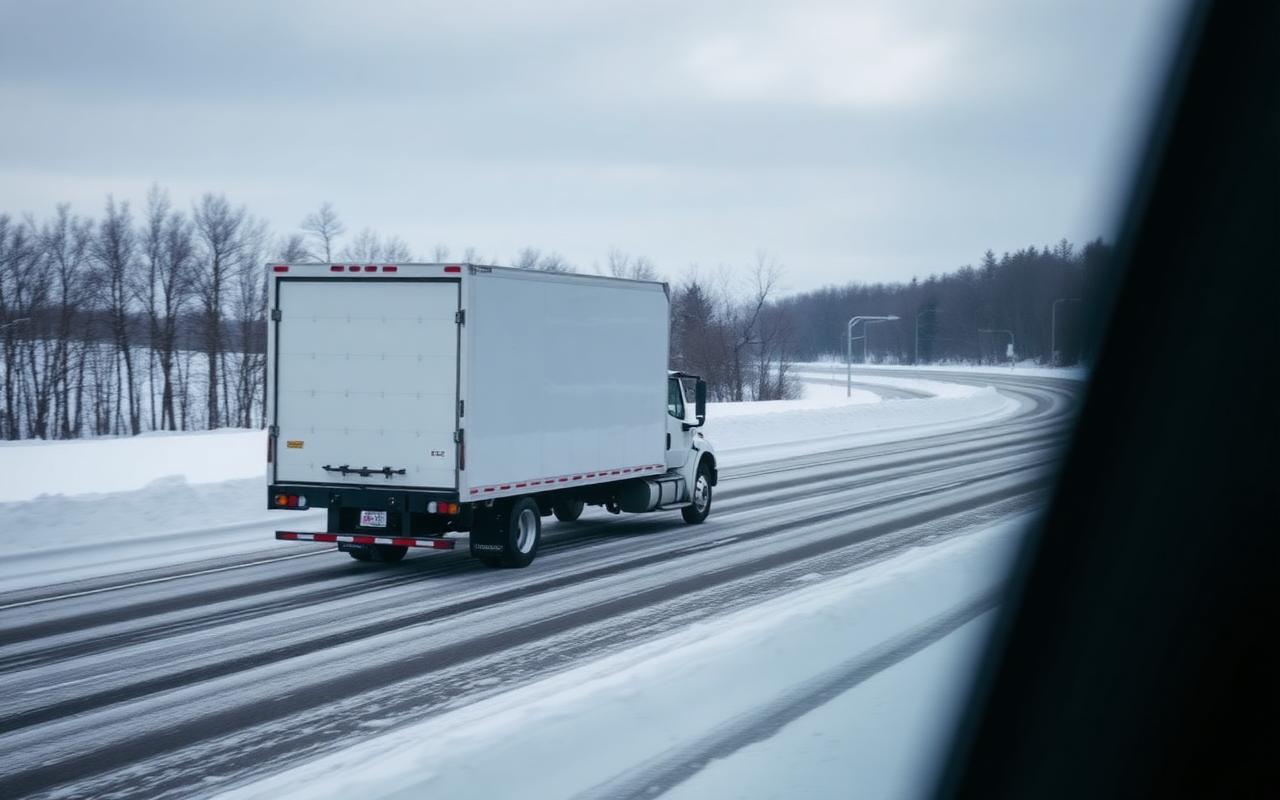
Living in Eastern Ontario means dealing with a variety of weather conditions that can complicate delivery day. During the winter months, your primary responsibility is ice and snow management. Delivery crews are often carrying hundreds of pounds; a patch of black ice on your steps can lead to a disastrous accident. Ensure your driveway and all walkways are shoveled to their full width and heavily salted or sanded. If the path is not cleared and salted, a crew may refuse to perform the delivery for safety reasons, resulting in a costly redelivery fee.
Mud season brings its own set of challenges. If your walkway is unpaved or prone to becoming a bog, consider laying down plywood sheets or heavy-duty cardboard to create a stable surface. While professional crews often use floor runners inside the home, their boots will inevitably pick up debris outside. Having a clean, dry area where they can transition from the truck to the house will help keep your interior floors pristine. If it is raining heavily on delivery day, ensure you have a plan to quickly wipe down the items as they enter the home to prevent water from sitting on wood finishes or upholstery.
Extreme heat can also impact delivery logistics. On humid summer days, the physical toll on a delivery crew is immense. While not required, offering a bottle of water can go a long way in maintaining morale and ensuring the crew stays sharp and focused on the task. Regardless of the season, stay in contact with the delivery company if a major storm is forecasted. Safety is the priority, and sometimes rescheduling is the most professional choice when weather conditions make driving or lifting dangerous for the staff and your goods.
- Shovel snow to the full width of the walkway and stairs.
- Apply salt or sand to all walking surfaces at least one hour before arrival.
- Clear icicles hanging from gutters above the entry door.
- Provide a dry area for the crew to wipe their feet or apply boot covers.
- Ensure paths are free of fallen leaves which can be slippery when wet.
Safety First: Securing Pets and Children
A busy delivery involves heavy items, moving equipment, and doors that will remain open for extended periods. This environment is inherently dangerous for small children and pets. The best practice is to secure your pets in a crate or a closed room far away from the delivery path. Even the friendliest dog can become stressed by the presence of strangers carrying large, imposing objects. Furthermore, a pet darting out an open door or getting under a mover's feet can cause a serious trip and fall, potentially injuring both the animal and the worker.
Children should also be supervised in a separate area of the home. The curiosity of a child can lead them to wander into the 'work zone' at the exact moment a heavy appliance is being tilted or maneuvered. By keeping children and pets in a safe, quiet space, you allow the delivery team to focus entirely on the physical task at hand without the distraction of watching for movement at their feet. This also prevents pets from escaping through the front door, which is often propped open for the duration of the offloading process.
Beyond physical safety, consider the noise levels. Power tools, heavy dollies, and loud communication between crew members can be startling to sensitive animals. Providing a calm environment in a back room with a white noise machine or music can help keep your pets relaxed while the house is in a state of flux. Once the crew has finished, the doors are shut, and the truck has departed, you can safely reintroduce your family members to the new addition to your home.
The Importance of an Authorized Adult On-Site
It is a standard industry requirement that an adult (18 years or older) be present to receive and sign for a delivery. This person must have the authority to make placement decisions and, most importantly, to inspect the goods and sign the legal delivery receipt. If a crew arrives and only a minor is present, they will generally be unable to complete the delivery, leading to a failed delivery charge. Make sure whoever is staying home is fully briefed on where the furniture is supposed to go and what to look for during the inspection process.
The authorized adult should be prepared to guide the crew. While professionals are skilled at their jobs, they do not know your home's layout or your personal preferences. Being available to answer questions about which way a refrigerator door should swing or exactly how far a sofa should be from a fireplace is essential. Having to move a 300-pound piece of furniture a second time because the initial placement was incorrect can result in additional labor fees and increases the risk of damage to your flooring.
If you cannot be home yourself and are sending a friend or neighbor, ensure they have your phone number and are comfortable making executive decisions. They will be acting as your legal representative when they sign the Proof of Delivery (POD) document. If they sign a 'clean' receipt, they are stating that the item arrived in perfect condition. It is vital that they understand the gravity of this signature and take the time to perform a thorough check of the product before the truck pulls away from the curb.
Inspection Protocol: Before You Sign
The moment the item is placed is the most critical time for the customer. Before the delivery team leaves, you must conduct a thorough inspection of the merchandise. Examine all visible surfaces for scratches, dents, tears, or structural defects. Use a flashlight or turn on all the lights in the room to ensure you aren't missing anything in the shadows. For appliances, check the corners and the bottom panels, as these are common areas for transit damage. For furniture, check the upholstery seams and the legs for any signs of stress or cracking.
If you discover any damage, do not panic, but do be diligent. Note the specific details of the damage clearly on the delivery receipt or the driver's handheld device before you sign. Take clear photographs of the damage while the crew is still there. In many cases, you have the option to refuse the delivery if the damage is severe, or you can accept it with a 'noted damage' caveat for a future repair or exchange. Signing a receipt without noting damage usually waives your right to claim that the damage happened during transit, making it much harder to get a resolution from the retailer.
Check the functionality of the item if possible. If the service includes basic assembly or hookup, ensure the drawers slide smoothly, the doors align correctly, and the unit sits level on the floor. If you have purchased a 'White Glove' service, the crew should also remove all packaging materials and debris from your home. Once you are satisfied that the item is exactly what you ordered and is in the condition promised, only then should you sign the paperwork. Your signature is the final step in the chain of custody.
- Inspect all four sides and the top surface for visible defects.
- Test moving parts like drawers, hinges, and reclining mechanisms.
- Verify the model number and color match your purchase order.
- Photograph any dings or scratches immediately.
- Ensure all hardware and accessories (shelves, remotes, legs) are present.
- Write specific descriptions of damage on the delivery document.
Understanding Cost Drivers and Service Levels
Home delivery pricing is rarely a flat fee and is influenced by several logistical factors. The most common cost driver is the 'level of service' selected. A 'Curbside' delivery is the most affordable, where the driver simply drops the item at the end of your driveway. 'Threshold' delivery brings the item just inside your front door, while 'Room of Choice' or 'White Glove' includes carrying the item to a specific room, assembly, and debris removal. Understanding what you paid for prevents confusion and frustration when the truck arrives.
Complexity also dictates cost. If your delivery requires the removal of doors, navigation of multiple flights of stairs (often billed as a 'stair charge' after the first two flights), or long carries from a distant parking spot, these may incur additional fees. In some cases, if an item is too large for the stairs and requires a hoisting service through a window, this is a specialized cost that must be arranged well in advance. Being transparent with your delivery provider about these obstacles during the quoting process ensures there are no financial surprises on delivery day.
Finally, time-window guarantees can impact pricing. Many companies provide a broad window (Quinte Express books a 2–3 hour window), but if you require a specific, narrow appointment time, there may be a premium charge for that level of scheduling priority. Similarly, deliveries to remote rural areas outside of the primary Belleville service zone may be subject to fuel surcharges or specific zone-based pricing. By preparing your home and ensuring a quick turn-around for the crew, you help the company maintain their schedules, which helps keep rates competitive for everyone in the Quinte region.
Conclusion: Partnering for a Successful Delivery
Successful home delivery is a partnership between the logistics provider and the homeowner. By taking the time to measure your space, clear the path, manage your pets, and perform a diligent inspection, you ensure that the process is as rewarding as the new purchase itself. A little preparation eliminates the most common causes of delivery failure and protects your home and your new investment from unnecessary risks. When both parties are prepared, the transition from the warehouse to your living room is seamless and efficient.
Quinte Express is proud to be your locally owned trucking and delivery partner in Belleville, Ontario. We specialize in white glove service, last-mile logistics, and the careful handling of furniture and appliances across Eastern Ontario. Our experienced crews are dedicated to professional excellence and customer satisfaction. If you are planning a move or need professional delivery services for your business or home, contact Quinte Express at 613-968-0909 for a personalized quote and experience the difference that local expertise makes.
Frequently asked
- What happens if my furniture doesn't fit through the door?
- If an item cannot fit safely through your entryways, the crew may have to return it to the warehouse. This usually results in a redelivery or restocking fee. To avoid this, always measure your doors and hallways before ordering, and consider removing door pins to gain an extra inch or two of clearance.
- Do I need to tip the delivery crew?
- Tipping is never required but is always appreciated for exceptional service, especially in difficult weather or for complex assemblies. A standard tip ranges depending on the difficulty of the job. Providing cold water or Gatorade on hot days is another great way to show appreciation for their hard physical labor.
- Will the delivery team move my old sofa or fridge?
- Standard delivery services do not include moving existing furniture due to liability and insurance restrictions. Unless you have specifically purchased a 'haul-away' or 'relocation' service in advance, please ensure the space is empty and your old items are moved out of the path before the crew arrives at your home.
- What should I do if the weather is terrible on my scheduled day?
- If there is a severe storm, the delivery company may call to reschedule for safety. However, for standard rain or snow, the delivery will likely proceed. It is your responsibility to ensure all walkways are salted, sanded, and cleared of snow to provide a safe working environment for the crew.
- How long does a typical furniture delivery take?
- A standard 'Room of Choice' delivery usually takes between 20 and 45 minutes, depending on the number of items and the complexity of the path. If assembly is required, such as building a bed frame or attaching dining table legs, the process can take an hour or more.
Services in this article
Book this service in Belleville
Quinte Express is locally owned in Belleville, Ontario — white glove, last mile, furniture, appliance and parcel delivery across Kingston, Trenton, Ottawa and all of Ontario.