
Appliances
Water Lines, Dryer Vents and Levelling: Appliance Install Details That Matter
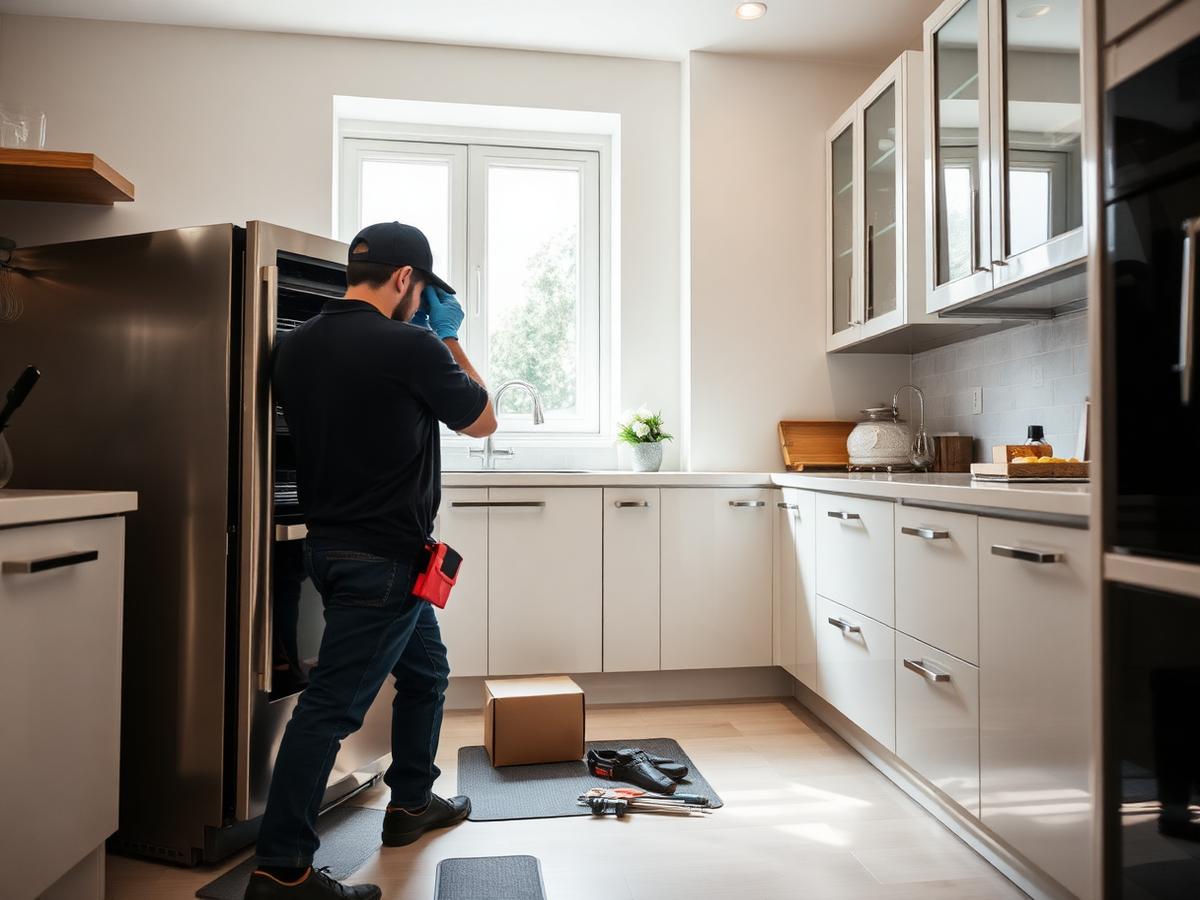
Don't let a seized valve or crushed vent ruin your delivery day. Learn the critical technical details that ensure a smooth, professional appliance installation in your home.
The Critical Importance of Functional Shutoff Valves
In the older residential pockets of Belleville and Trenton, the single most frequent cause for a failed installation is a seized water shutoff valve. These valves, often located behind a washing machine or under a kitchen sink, are designed to remain stationary for years, but that long-term stagnation often leads to internal corrosion and mineral buildup. When our delivery team arrives to install a new unit, we must be able to completely isolate the water supply. If a valve is stuck in the 'open' position or begins to weep from the packing nut as soon as it is turned, the installation must be aborted for safety reasons to prevent flooding.
Homeowners should proactively test every relevant shutoff valve at least one week before the scheduled delivery window. To do this, turn the handle clockwise until it stops, then check the faucet or hose to ensure no water is passing through. If the handle feels brittle, refuses to budge, or shows signs of green oxidation (verdigris), it is time to call a licensed plumber. Attempting to force a seized valve on delivery day often leads to a snapped stem, turning a routine appliance upgrade into an emergency plumbing disaster that delays your installation by days or weeks.
Beyond just turning on and off, the physical condition of the threaded connection matters. We often see 'saddle valves'—small, piercing valves clamped onto pipes—which are notorious for leaking after being disturbed. If your home uses these, consider upgrading to a modern ball valve. A high-quality quarter-turn ball valve provides a reliable seal and is much less likely to seize over time, ensuring that future maintenance or emergency shutoffs are stress-free for both you and the delivery technicians.
- Check for signs of rust or mineral crusting around the valve stem.
- Verify that the valve completely stops the flow of water when closed.
- Ensure there is at least 3 inches of clearance around the handle for operation.
- Confirm the threads on the outlet side are not stripped or corroded.
- Replace any needle-style saddle valves with modern brass ball valves.
Why Stainless Steel Braided Hoses are Non-Negotiable
Many homeowners attempt to save a few dollars by reusing the old rubber hoses from their previous washing machine. This is a significant mistake that insurance adjusters frequently cite as a primary cause of catastrophic household flood claims. Over time, the internal structure of rubber hoses degrades, becoming brittle and susceptible to high-pressure bursts. When a new high-efficiency washer is installed, it may operate with different water-hammer characteristics than your old machine, putting sudden stress on those aged hoses. We strongly recommend that every new water-bearing appliance be fitted with brand-new, high-quality connectors.
Stainless steel braided hoses are the industry standard for a reason. They feature a flexible core reinforced by a tough outer mesh of woven steel, which prevents the hose from expanding or bursting under pressure. These hoses are rated for much higher PSI than standard rubber and offer better resistance to kinks and abrasions. In the context of a new appliance purchase, the cost of a pair of braided hoses is negligible, yet they provide invaluable peace of mind. Our team always prefers installing new hoses supplied with the unit to ensure the manufacturer’s warranty remains fully supported by proper installation practices.
When purchasing these hoses, ensure they are the correct length for your space. Hoses that are too short will be under constant tension, pulling on the machine's plastic inlet valves, while hoses that are too long can become tangled or kinked when the machine is pushed back into its final position. A standard length is typically 4 to 6 feet for most laundry rooms. Also, look for 'auto-shutoff' braided hoses, which contain an internal mechanism that blocks water flow if it detects a sudden surge, providing an extra layer of protection for second-floor laundry rooms.
Dryer Venting: The Secret to Efficiency and Safety
A dryer is only as good as its exhaust system. We frequently encounter high-end dryers that homeowners believe are defective because clothes are still damp after a full cycle. In reality, the issue is almost always a crushed, clogged, or improperly configured vent line. If the hot, moist air cannot escape the drum efficiently, the dryer will continue to tumble while the internal sensors detect moisture, leading to excessive energy bills and unnecessary wear on the heating element. Even worse, lint buildup in a restricted vent is a major fire hazard that can ignite if the internal temperatures reach a critical threshold.
For the best results, your dryer should be connected with rigid or semi-rigid metal ducting. Flexible 'foil' or plastic transition ducts are common but are easily crushed when the dryer is pushed against the wall, severely restricting airflow. During the installation process, we aim for the shortest and straightest path to the exterior wall. Every 90-degree turn in a vent pipe adds the equivalent of five feet of resistance to the system. If your laundry room is in the center of the house, it is vital to have the entire run professionally cleaned before the new unit is attached to ensure the line is clear of years of accumulated debris.
The exterior termination point is another often-overlooked detail. The flapper or 'bird screen' on the outside of your home must be able to open freely when the dryer is running. In Ontario, winter ice can sometimes freeze these flaps shut, or birds may attempt to nest in them during the spring. Check the exterior vent to ensure it isn't blocked by landscaping, snow drifts, or lint clogs. A clean, unobstructed path from the back of the dryer to the outside air will ensure your new appliance dries clothes quickly and operates within its designed safety parameters.
- Use rigid metal or semi-rigid aluminum ducting instead of plastic.
- Minimize the number of elbows and bends in the exhaust run.
- Ensure the total vent length does not exceed manufacturer specifications.
- Vacuum out the wall duct before connecting the new appliance.
- Verify that the exterior wall cap opens and closes easily.
Precision Levelling for Longevity and Noise Reduction
A washing machine that is not perfectly level is a nuisance that will eventually become a mechanical failure. Modern front-load washers spin at incredibly high RPMs to extract water; if the machine is off-balance, the centrifugal force will cause the unit to 'walk' across the floor, banging against walls or cabinetry. This vibration doesn't just make noise—it puts immense strain on the drum bearings, shocks, and frame. Our installation process includes using a spirit level on both the lateral and longitudinal axes to ensure the feet are adjusted correctly to the contour of your floor.
Floors in older homes are rarely perfectly flat, especially in basements where floor drains create a natural slope. To compensate, we adjust the threaded leveling legs found at each corner of the appliance. Once the machine is level, it is crucial to tighten the locking nuts against the frame. If these nuts are left loose, the legs will eventually vibrate out of position, and the machine will become unlevel again within a few weeks. For homes with hardwood or laminate flooring, we also recommend using vibration-dampening pads to protect the surface and further reduce acoustic transfer through the floor joists.
Refrigerators also require precise leveling, though for a different reason. While a slight backward tilt is often desired to help the doors swing shut automatically, a fridge that leans to the side can cause the internal cooling system to work inefficiently and prevent the doors from forming an airtight seal. If the gasket doesn't seat perfectly against the frame, warm air will enter the cabinet, causing frost buildup in the freezer and spoiled food in the fridge. We take the time to align the doors and adjust the rollers or feet so that your appliance looks integrated and functions perfectly.
Electrical Preparedness and Circuit Requirements
One of the most frustrating delays occurs when a delivery team arrives to find that the electrical outlet does not match the new appliance’s plug. For example, older dryers may use a three-prong outlet, while modern safety codes and new appliances typically require a four-prong configuration. While our teams can often swap a cord if the correct one is provided, we cannot perform electrical work on your home’s wiring. If you are upgrading from a gas range to an electric one, or vice versa, you must have the appropriate 240V outlet or gas line installed by a licensed professional before we arrive.
Dedicated circuits are also a major consideration. Kitchen appliances like dishwashers and microwaves, as well as laundry pairs, require significant amperage. If you are renovating a kitchen in an older home, ensure that your electrical panel has the capacity to handle the load of modern high-draw appliances. Plugging a high-end refrigerator into a shared circuit with a toaster oven is a recipe for tripped breakers and potential compressor damage. Check your breaker panel to ensure everything is labeled correctly and that the outlets in your appliance 'nook' are energized and ready for use.
Positioning of the outlet is the final electrical hurdle. If a recessed outlet box wasn't used during construction, the thickness of the plug itself can prevent an appliance from sitting flush against the wall. This is particularly problematic for 'counter-depth' refrigerators where every inch matters for the aesthetic. Before delivery day, clear the area of any old extension cords or power strips, and ensure the path to the outlet is unobstructed. If your new appliance requires a specific type of Ground Fault Circuit Interrupter (GFCI), verify that the outlet meets the manufacturer’s specifications to prevent nuisance tripping.
- Confirm if your dryer or range requires a 3-prong or 4-prong cord.
- Ensure the outlet is within 3-4 feet of the intended appliance location.
- Test the outlet with a small lamp to verify it is active.
- Check that the breaker is not flipped in the main electrical panel.
- Remove any debris or old wiring from the installation cavity.
Navigating the Path: Doorways, Stairs, and Tight Corners
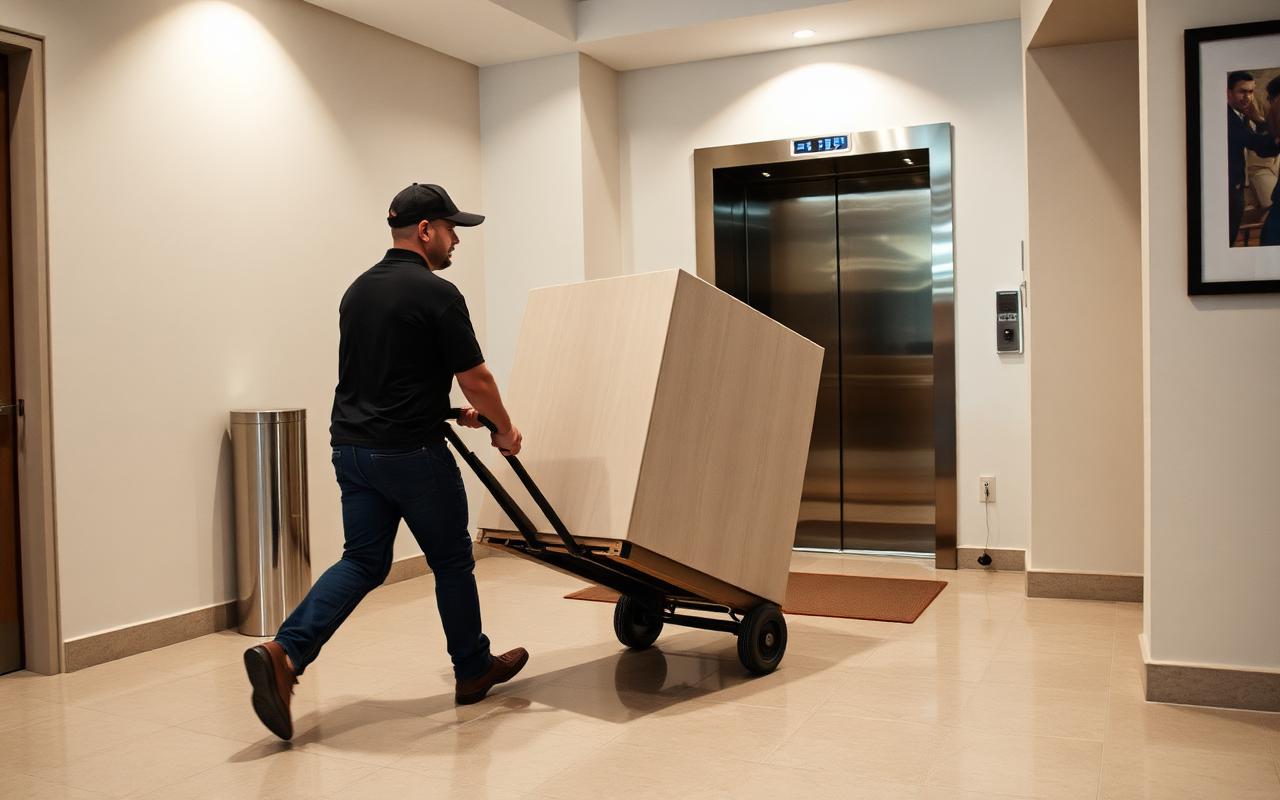
The physical journey of the appliance from our truck to your kitchen or laundry room is often the most challenging part of the day. A standard refrigerator can be 36 inches wide, while many interior doors in older homes are only 30 to 32 inches wide. Before we arrive, it is essential that you measure the narrowest point of the entry path, including front doors, hallways, and basement stairs. If a door needs to be taken off its hinges to provide an extra inch of clearance, having this done in advance will significantly speed up the delivery process and reduce the risk of accidental damage.
Staircases present a unique set of hazards. We need to know if there are tight landings where a large appliance cannot be pivoted, or if the stairs are particularly steep or narrow. Our crews use specialized equipment like heavy-duty dollies and shoulder dollies, but even the best equipment cannot bypass the laws of physics. Clearing the path of all obstacles—including area rugs, wall art, low-hanging light fixtures, and furniture—is the homeowner’s responsibility. In the winter months, this also includes ensuring that your driveway, porch, and entryway are salted and shoveled to prevent slips and falls.
Don't forget to measure the 'depth' of your path as well. A hallway might be wide enough for the appliance, but if there is a sharp turn into a room, the length of the appliance might make the turn impossible. If you have any doubts about the fit, take photos and measurements and share them with our dispatch team at Quinte Express. We can often provide guidance or determine if a different delivery strategy is needed. A little bit of spatial planning prevents the 'it won't fit' heartbreak that occurs when a beautiful new appliance has to be sent back to the warehouse.
Protecting Your Home During the Move
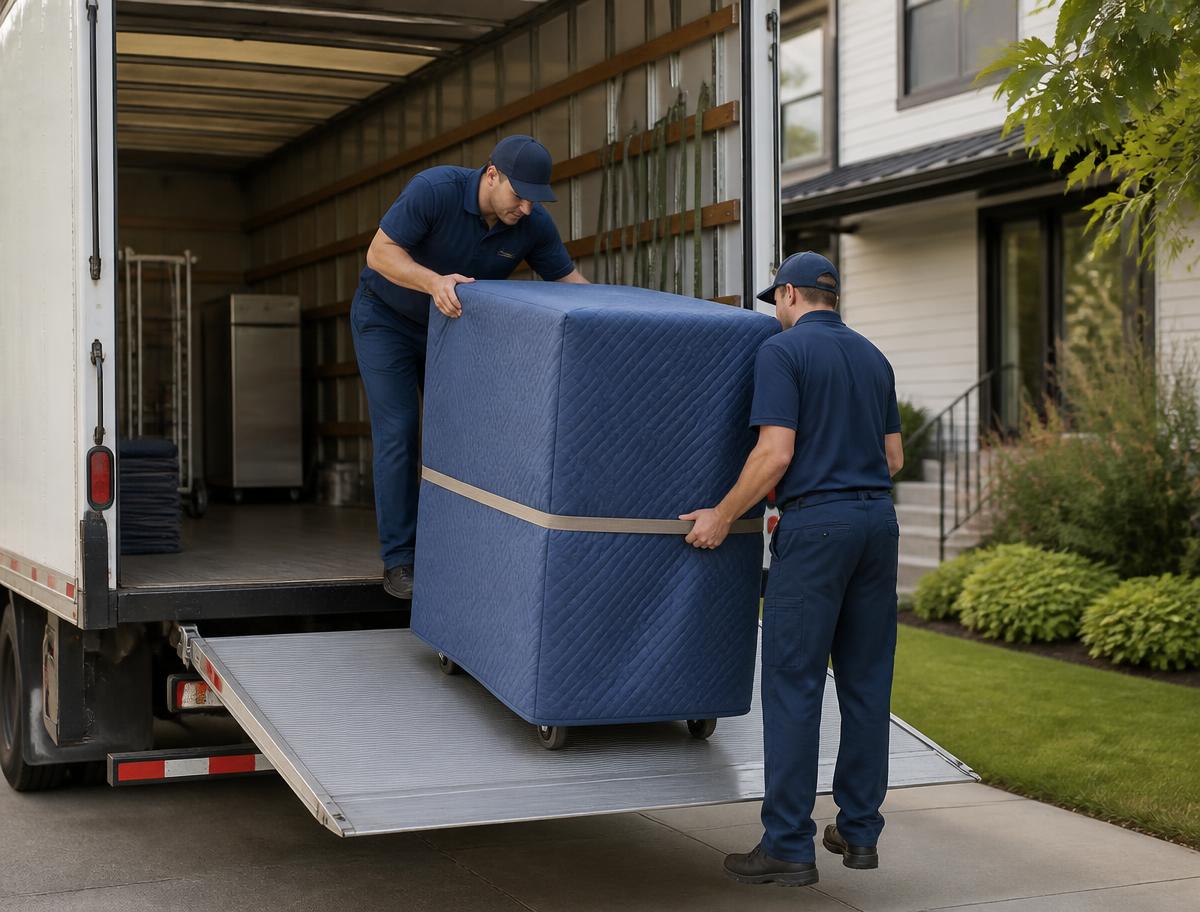
Moving hundreds of pounds of steel and glass requires careful floor protection to avoid scratches, dents, or gouges. While our team uses professional-grade floor runners and moving blankets, homeowners can help by ensuring the subfloor or finished floor is clean. A single piece of grit or a small pebble trapped under a dolly wheel can act like a diamond tip, scratching hardwood or tearing vinyl as the weight of the appliance passes over it. We recommend laying down additional Masonite or heavy cardboard in high-traffic areas if you have particularly sensitive flooring.
Wall protection is equally important. In tight hallways, it is easy for a corner of a box or a handle to brush against the drywall. If you have recently painted, be aware that fresh paint is often 'soft' for several days and scuffs much easier than fully cured paint. We take every precaution, using a 'two-man carry' system for larger items, but maintaining a clear, wide path is the best defense. If you have banisters or railings that are particularly fragile, consider wrapping them in bubble wrap or moving blankets before the crew arrives to add a layer of cushioning.
Finally, think about the weather. In Eastern Ontario, we deal with snow, slush, and mud for a significant portion of the year. Our team will do their best to keep your floors clean, but the transition from the snowy outdoors to your indoor space can be messy. Having a designated area for the crew to wipe their boots or lay down salt-absorbing mats is greatly appreciated. We treat every home with the respect we would show our own, and working together to protect your surfaces ensures that the only thing left behind is your functioning new appliance.
- Clear all rugs and runners that might create a tripping hazard.
- Apply felt pads to the bottom of new appliance feet if requested.
- Cover sensitive hardwood with cardboard or specialized floor film.
- Remove low-hanging chandeliers or delicate wall decorations.
- Ensure exterior walkways are free of ice, snow, and mud.
Post-Installation Testing and Verification
Once the appliance is in place, leveled, and connected, the job isn't quite finished. We perform a basic functional test to ensure everything is working as intended. For a washing machine, this means running a short 'test cycle' to check for leaks at the hose connections and the drain pipe. For a refrigerator, we verify that the light comes on, the cooling fans engage, and the water dispenser (if connected) functions without dripping. It is important for the homeowner to be present during this phase to observe the operation and ask any immediate questions.
Do not be alarmed if a new oven or dryer produces a slight 'burnt' smell during its first use. This is typically just the factory coatings and oils heating up for the first time. However, you should monitor the appliance closely for the first 24 hours. Check under the sink or behind the washer periodically to ensure that no slow drips have developed. Small leaks can sometimes take hours to manifest, especially if they only occur during specific parts of a cycle, such as the high-pressure fill or the forceful drain pump out.
Keep your owner’s manual and warranty information in a safe, accessible place. Many modern appliances have 'smart' features that require Wi-Fi setup, which is usually handled by the homeowner after the physical installation is complete. If you notice any unusual noises, vibrations, or error codes during the first few days of use, contact the retailer or manufacturer immediately. By catching installation or manufacturing defects early, you can often resolve them under the initial exchange window rather than waiting for a lengthy warranty repair process later on.
Partnering with Quinte Express for a Seamless Experience
At Quinte Express, we understand that a new appliance is a major investment and a vital part of your daily life. Our goal is to make the final mile of that journey—the transition from the delivery truck to your home—as smooth and professional as possible. Based in Belleville, we serve the entire Quinte region with a focus on 'white glove' service. This means we don't just drop a box on your driveway; we handle the heavy lifting, the technical details of the installation, and the removal of all packaging materials, leaving your home ready for you to enjoy your new purchase.
Preparation is the key to a successful delivery day. By following the guidelines outlined in this article—checking your valves, upgrading your hoses, clearing the path, and verifying your electrical—you are helping us provide the best possible service. If you have questions about a specific installation challenge or need to schedule a delivery for your home or business in Eastern Ontario, our local team is ready to help. We pride ourselves on reliability, punctuality, and the kind of care that only a locally owned company can provide.
For a quote on appliance delivery, furniture moving, or last-mile logistics, contact Quinte Express today. Whether you are a homeowner upgrading a single range or a retailer looking for a dependable delivery partner in the Belleville and Trenton area, we have the equipment and the expertise to get the job done right. Give us a call at 613-968-0909 to discuss your needs and experience the difference that professional, local service makes.
Frequently asked
- What happens if my water shutoff valve is seized on delivery day?
- If a valve cannot be closed safely, our team cannot disconnect the old appliance or install the new one due to the risk of flooding. The delivery will likely need to be rescheduled once a plumber has replaced the faulty valve. Testing your valves a week in advance is the best way to prevent this delay.
- Can you install a new dryer using my old plastic vent hose?
- We strongly advise against using plastic or thin foil 'accordion' venting. These are fire hazards and easily crushed, which reduces dryer efficiency. We recommend rigid or semi-rigid metal ducting for safety and performance. If you provide the correct materials, our team will ensure a secure and efficient connection.
- Why is it necessary to replace the water hoses with every new washer?
- Rubber hoses degrade over time and are prone to bursting under pressure, which is a leading cause of home water damage. Stainless steel braided hoses are much stronger and offer a significantly higher safety margin. Installing new hoses with a new machine ensures the system starts with fresh, reliable components.
- Do you remove the old appliances when delivering the new ones?
- Yes, we offer removal and disposal services for old appliances as part of our delivery packages. Please ensure the old unit is disconnected (unless we are performing the full install) and empty. If a fridge is being removed, please ensure it has been defrosted to avoid water leaking during transport.
Services in this article
More appliances guides
Book this service in Belleville
Quinte Express is locally owned in Belleville, Ontario — white glove, last mile, furniture, appliance and parcel delivery across Kingston, Trenton, Ottawa and all of Ontario.